Balboa Park
Spanish Colonial Revival buildings from the 1915 Panama-California Exposition still stand in perfect symmetry. Walk through the arcades at golden hour and the light hits the ornate facades exactly as the architects intended.
San Diego, United States of America, is known for its California burritos and Balboa Park's Spanish Colonial Revival buildings from 1915. The guide covers 129 attractions. The best season to visit is September-October, with an average visit duration of 4-5 days.
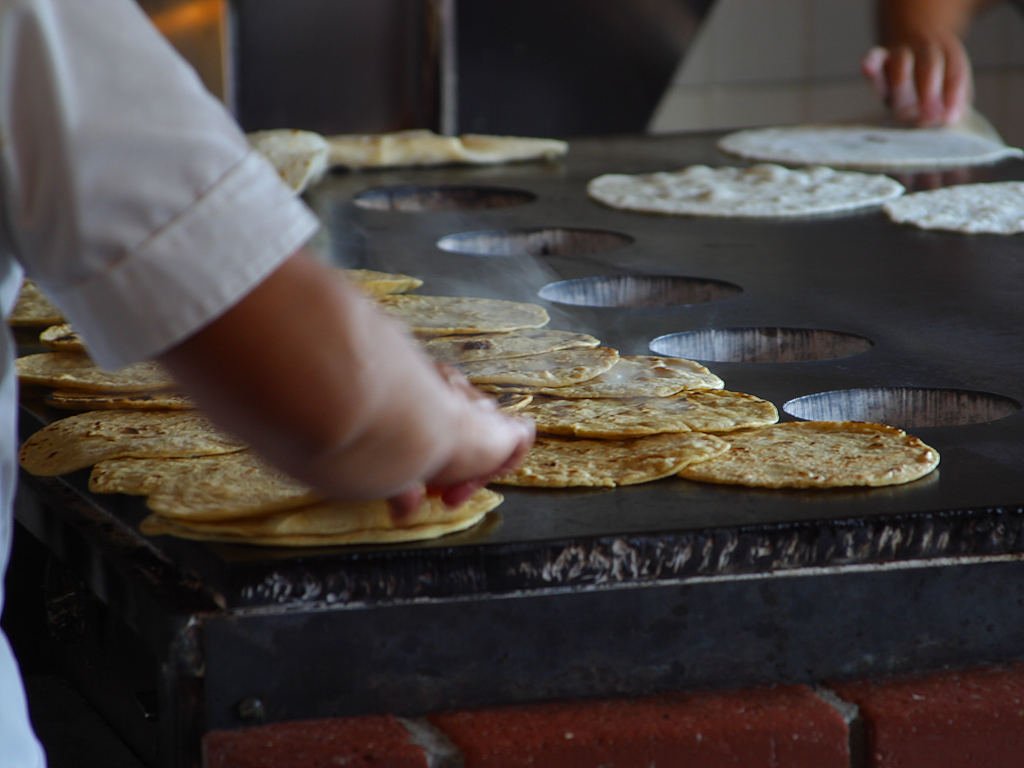
The first thing that surprises you about San Diego is the smell of tortillas frying at 7 a.m. while sea lions bark somewhere just out of sight. This southernmost major city in the United States of America sits on the edge of two worlds, where the Pacific crashes against cliffs and the border with Mexico feels closer than the next freeway exit. The light here is mercilessly clear, turning every eucalyptus leaf into a blade of green and every white stucco wall into a canvas.
 San Diego · United States of America
Curated from places in this city. Same price as official sites.


Prices shown are indicative — final pricing and availability are confirmed at checkout. Audiala may receive a commission from bookings made via these links.
Built from cited sources · see the method · How we make our guides →
SThe first thing that surprises you about San Diego is the smell of tortillas frying at 7 a.m. while sea lions bark somewhere just out of sight. This southernmost major city in the United States of America sits on the edge of two worlds, where the Pacific crashes against cliffs and the border with Mexico feels closer than the next freeway exit. The light here is mercilessly clear, turning every eucalyptus leaf into a blade of green and every white stucco wall into a canvas.
Balboa Park's Spanish Colonial Revival buildings were never meant to exist in California. Built for the 1915 Panama-California Exposition, their ornate facades and tiled domes still feel like an elaborate stage set that locals decided to keep. Walk through the arched colonnades at dusk and you'll hear the Old Globe Theatre rehearsing Shakespeare while the smell of churros drifts from a nearby cart.
The city treats its contradictions like assets. Brutalist concrete at Louis Kahn's Salk Institute meets the scent of fish tacos sold from trucks. Locals ride the Blue Line trolley from downtown's Gaslamp Quarter straight to La Jolla's sea caves without ever appearing rushed. This is where California casual meets serious craft beer culture and where Mexican culinary traditions evolved into the California burrito.
What makes this place worth slowing down for.
Spanish Colonial Revival buildings from the 1915 Panama-California Exposition still stand in perfect symmetry. Walk through the arcades at golden hour and the light hits the ornate facades exactly as the architects intended.
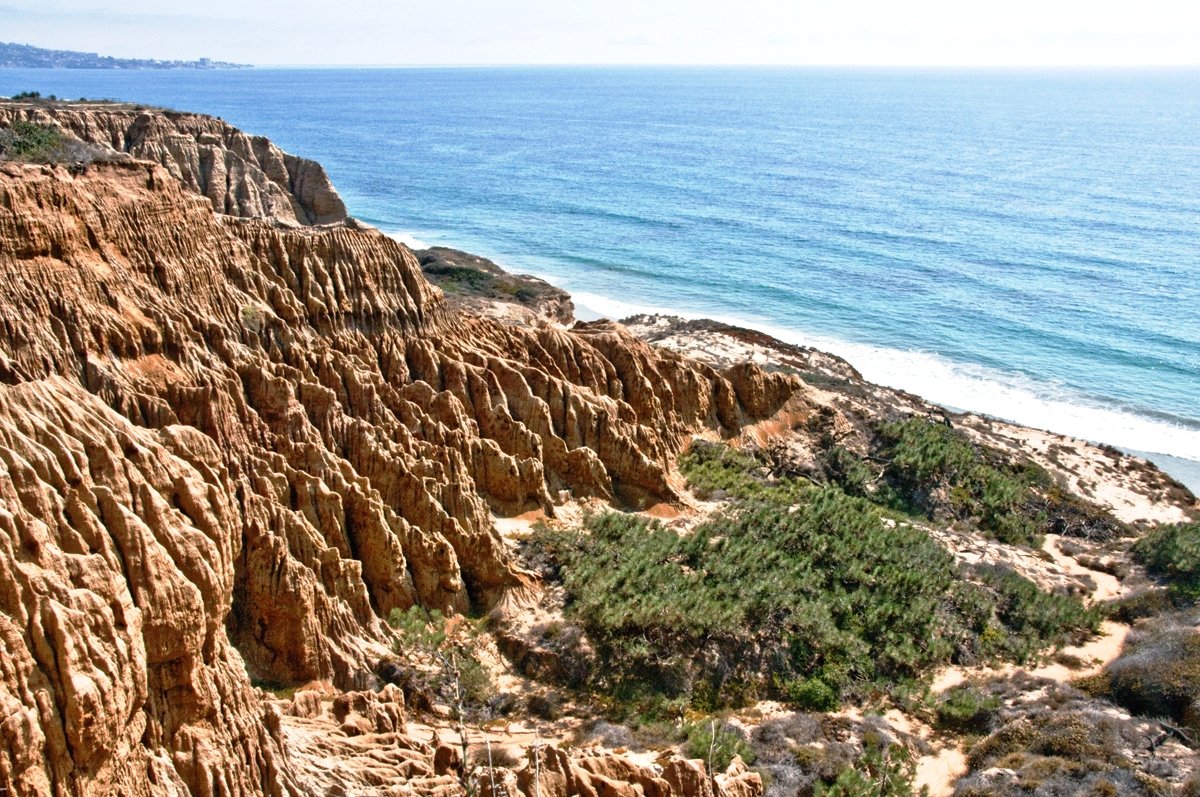
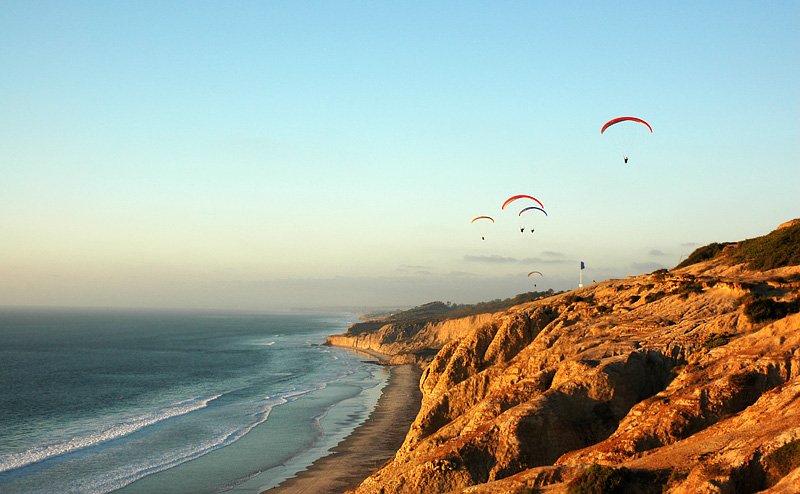
The Pacific gnaws at these sandstone bluffs in a slow, patient rhythm. Locals come at dusk with folding chairs and thermoses; the only sounds are waves and the occasional cheer when the sun slips under the horizon.
San Diego claims the California burrito and the perfect fish taco. The best versions still come from unassuming windows where the tortillas are steamed, the batter is light, and the salsa has just enough habanero to wake you up.
Louis Kahn’s brutalist masterpiece sits on a cliff in La Jolla like it grew there. The bare concrete and perfect symmetry make most visitors whisper. The architect’s secret: every courtyard dimension is based on the golden ratio.
Not every monument, just the ones we'd walk you past ourselves.
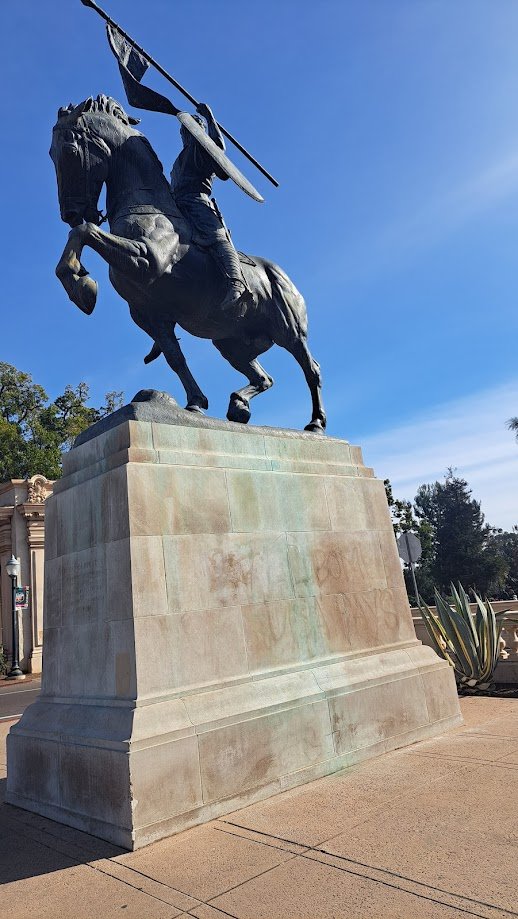
Nestled in the vibrant city of San Diego, Balboa Park stands as a multifaceted cultural landmark, seamlessly blending history, art, architecture, and natural…
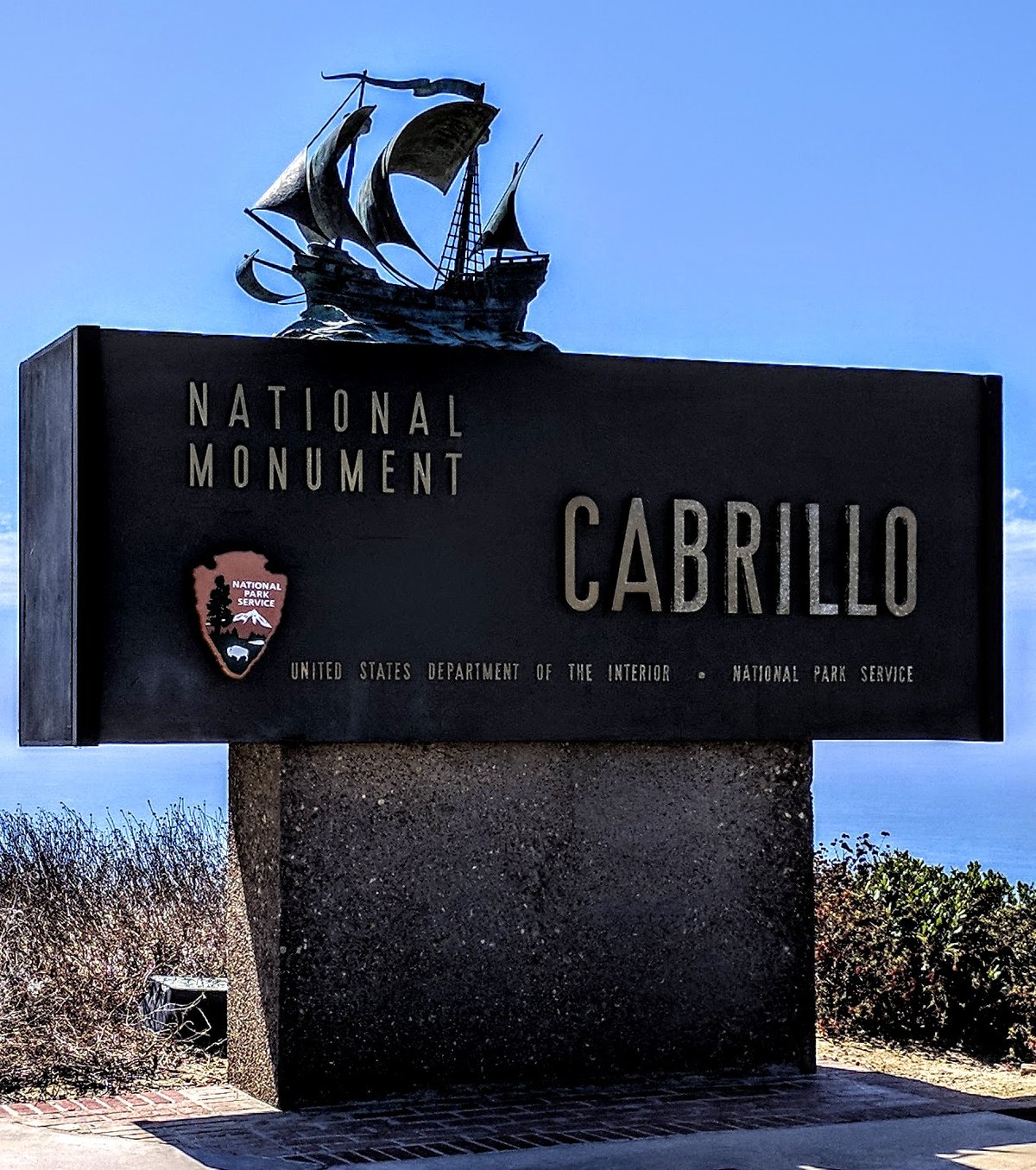
Nestled at the southern tip of the Point Loma Peninsula in San Diego, Cabrillo National Monument stands as a compelling testament to the rich tapestry of…
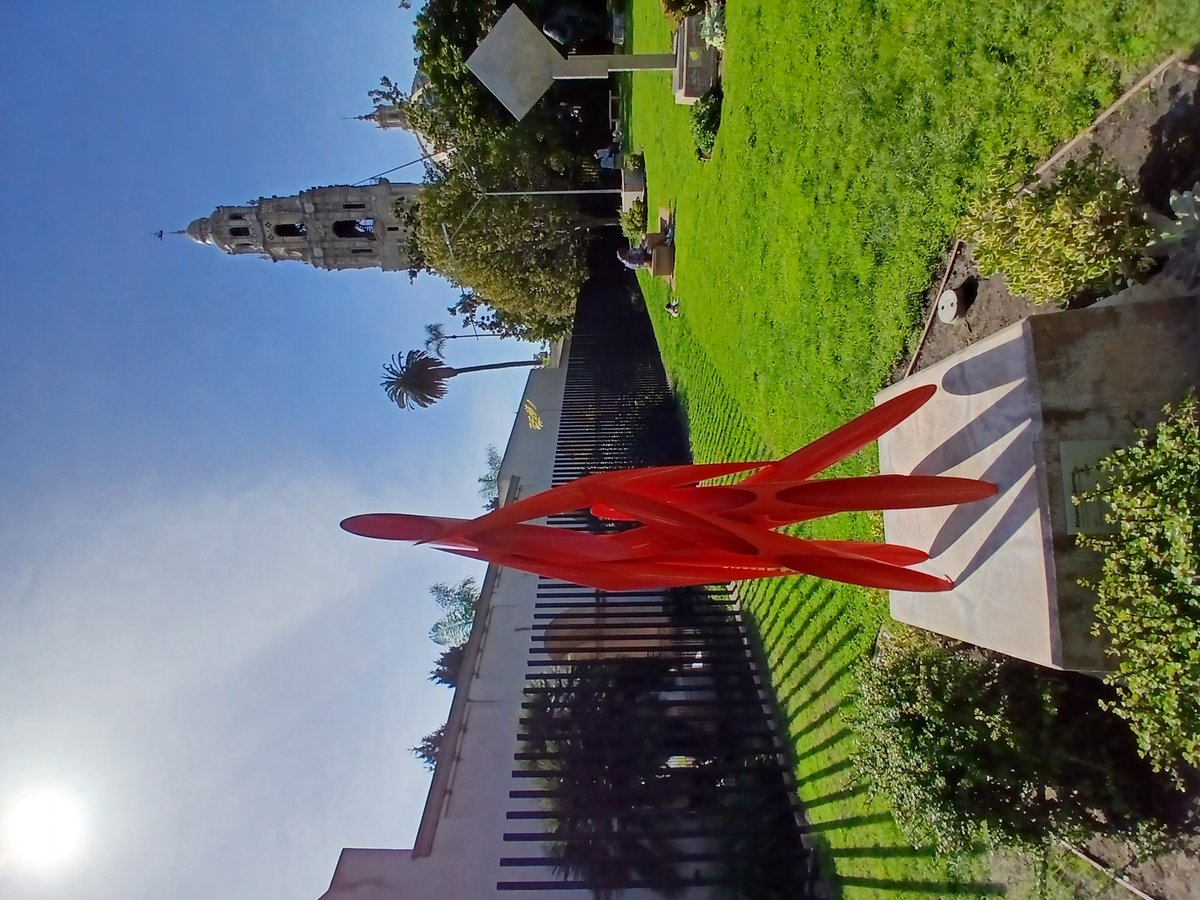
The San Diego Museum of Art (SDMA) is a premier cultural institution located in the heart of Balboa Park, San Diego.
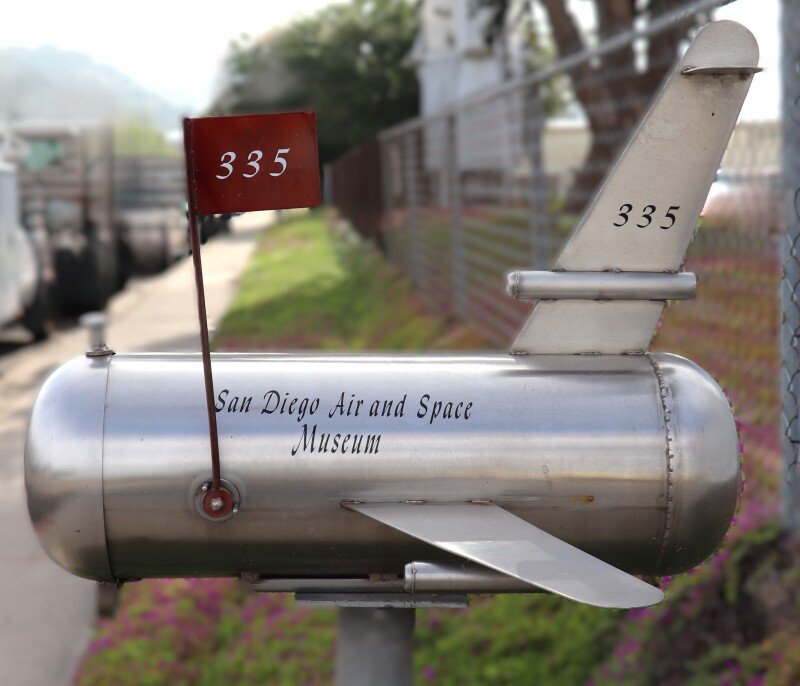
Nestled in the vibrant cultural hub of Balboa Park, the San Diego Air & Space Museum stands as a beacon celebrating the rich heritage of aviation and space…
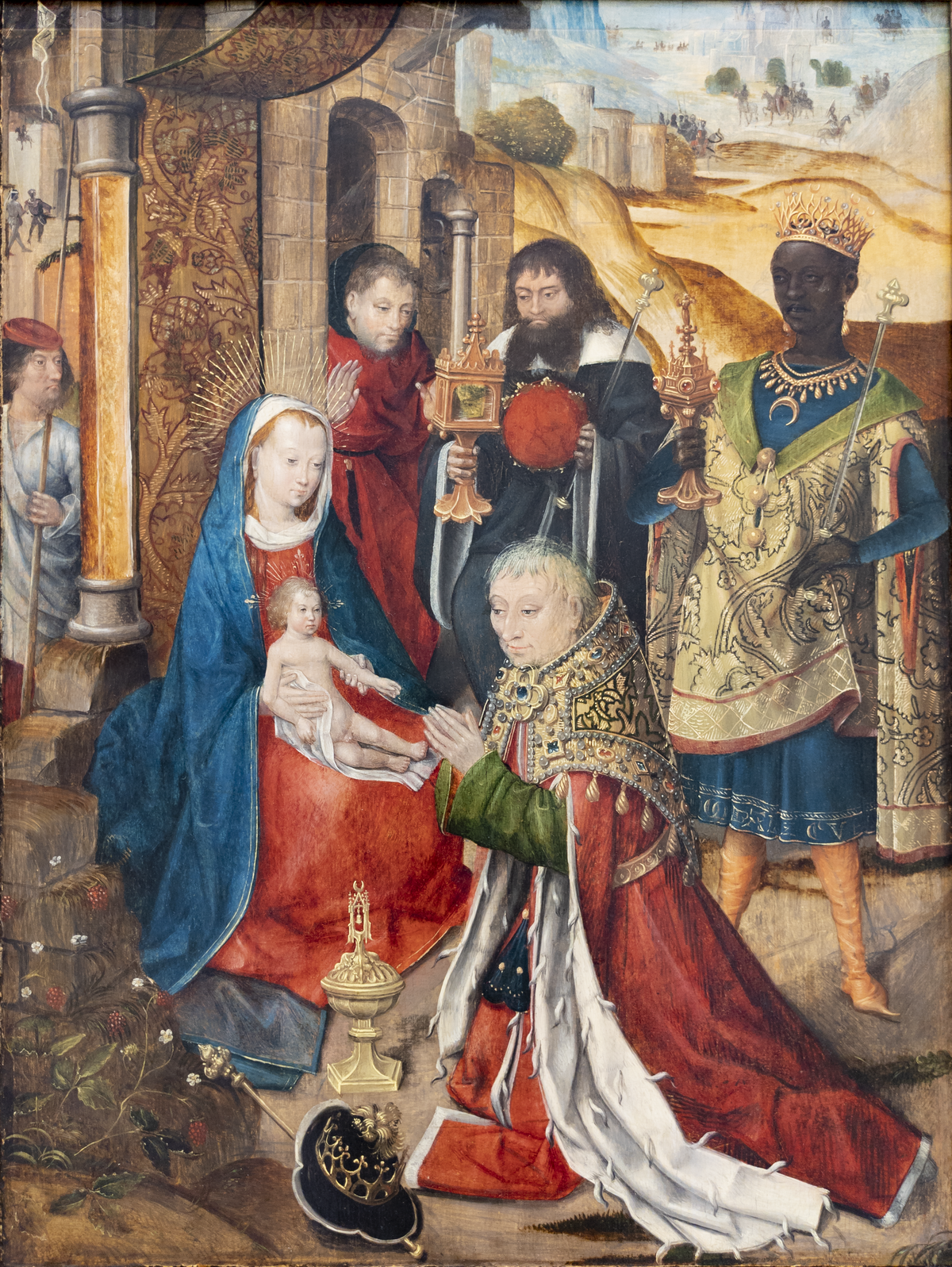
Nestled within the vibrant cultural heart of San Diego’s Balboa Park, the Timken Museum of Art stands as a distinguished destination for art enthusiasts,…
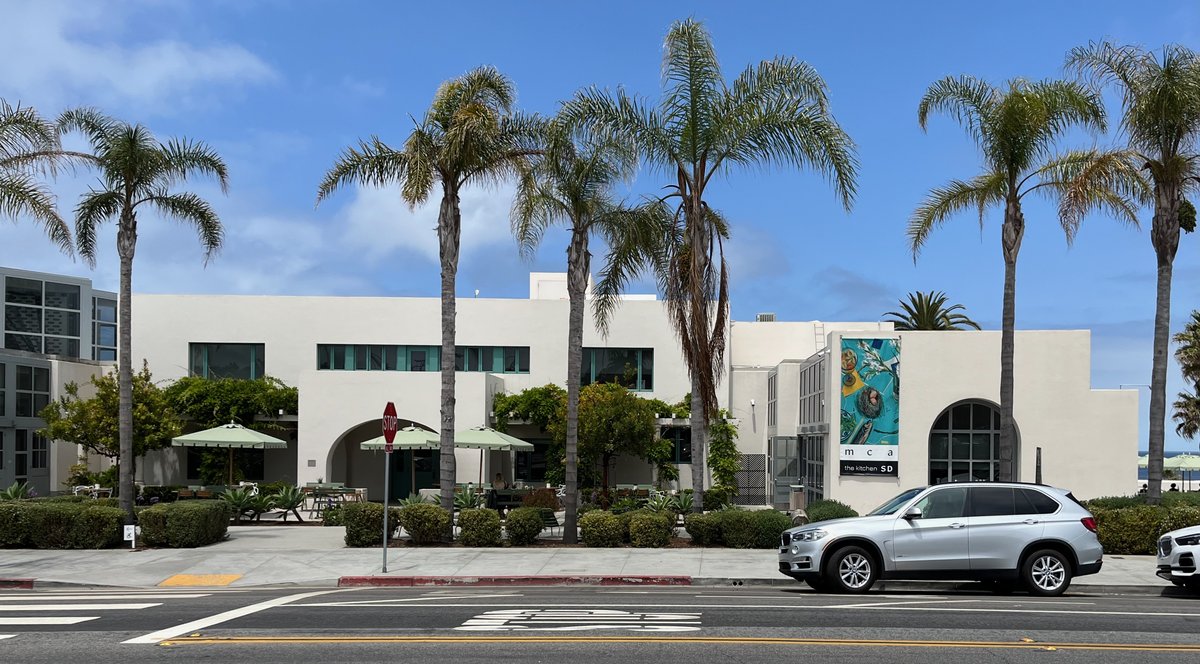
Nestled in the picturesque coastal community of La Jolla, the Museum of Contemporary Art San Diego (MCASD) stands as a beacon of contemporary artistic…
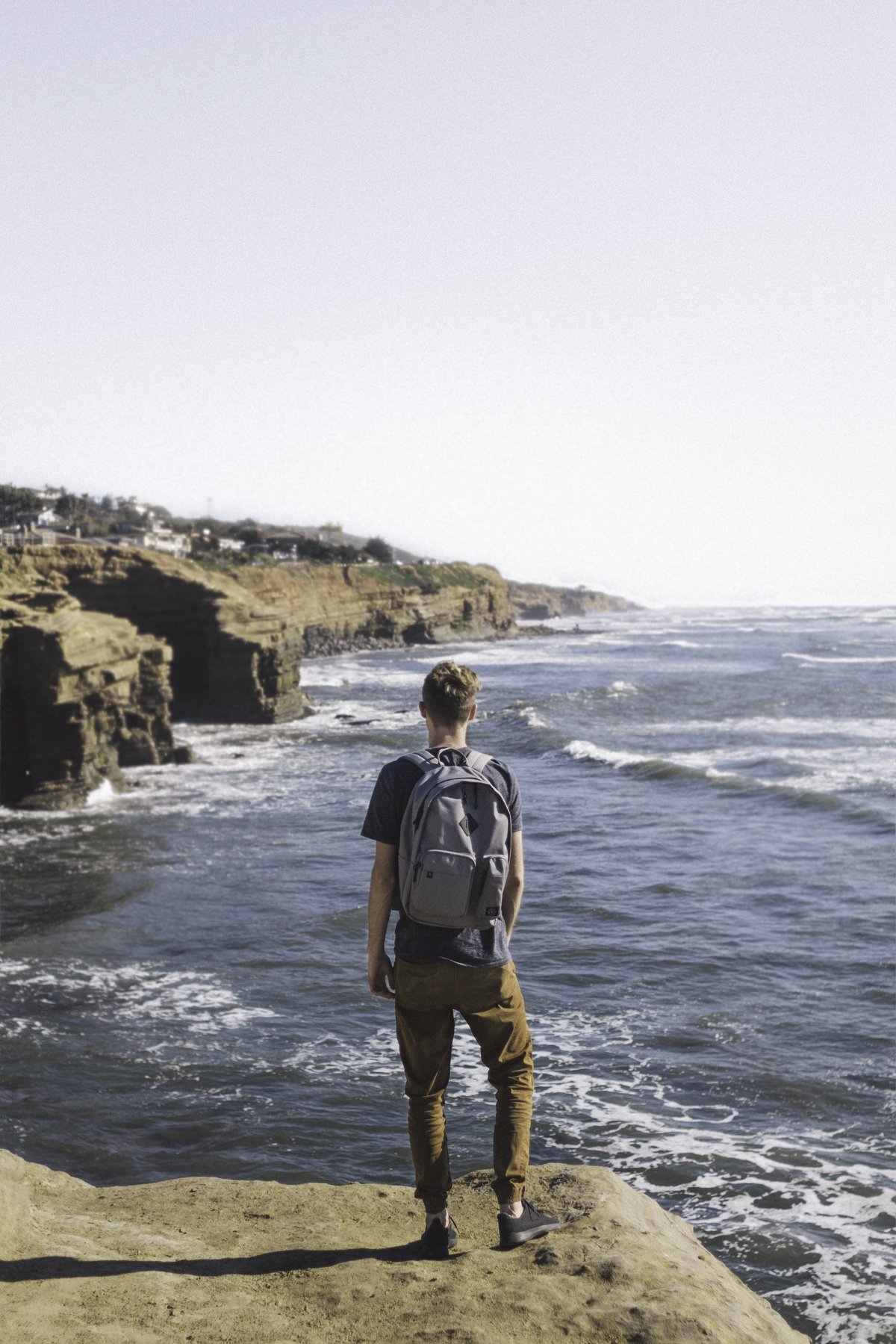
Sunset Cliffs, located along the Point Loma peninsula in San Diego, California, is a pristine coastal landmark that captures the essence of natural beauty and…
Where to wander, by quarter — each with its own rhythm.
Victorian-era buildings with cast-iron balconies line these 16 blocks downtown. At night the streets smell of street tacos and spilled beer while pedicabs weave between groups heading to bars. By day the district reveals its age: 1880s warehouses now house restaurants where the brick walls still carry faint traces of old loading docks.
The 1915 exposition buildings create an architectural fever dream of ornate towers and arcades. Beyond the museums and the Old Globe Theatre, Zoro Garden sits sunken and quiet, once a nudist colony, now a butterfly habitat where footsteps echo off stone walls. The light filters through eucalyptus trees onto paths that feel miles from the city.
This walkable district runs on craft beer and conversation. Twenty minutes north of downtown, it delivers the city's best concentration of breweries without the tourist gloss. The smell of hops mixes with wood-fired pizza ovens while locals debate which asada burrito hits hardest after the third pint.
The Salk Institute's brutalist symmetry looms above the Pacific here, its concrete forms framing ocean views that feel almost too perfect. Below, Sunny Jim Cave waits at the end of a 145-step tunnel accessed through the Cave Store. The upscale village offers dramatic cliffs where sea lions lounge on rocks just yards from million-dollar homes.
Next to Balboa Park, this neighborhood feeds both body and curiosity. Independent bookstores share blocks with exceptional Thai restaurants and bakeries that open before the surfers return from dawn patrol. The streets feel lived-in, with locals walking dogs past 1920s bungalows painted in every possible shade of blue.
Chicano Park's concrete pillars hold the largest collection of outdoor murals in the United States. The neighborhood delivers the most authentic Mexican food in San Diego at places like Las Cuatro Milpas, where you pay cash and expect a line. The air carries the scent of fresh masa while lowriders occasionally cruise past.
20,000 years of conquest, resilience, and reinvention
The first known inhabitants settled along these coasts and inland valleys. They left behind stone scrapers and tools that still surface after rains. Their descendants adapted to shifting climates for millennia. The land remembers them in ways maps never will.
New ways of living took root, evolving from or absorbing the earlier San Dieguito traditions. Shell middens along the bayside grew thicker with each generation. Mortars for grinding seeds appeared in increasing numbers. The rhythm of seasonal movement hardened into something more permanent.
Yuman-speaking Kumeyaay people arrived and built a sophisticated society of villages across the region. They engineered irrigation systems and practiced controlled burns to manage the landscape. By the time Europeans appeared, roughly 20,000 Kumeyaay lived in what is now San Diego County. Their trails later became Interstate 8.
Juan Rodríguez Cabrillo sailed into the harbor on September 28 and named it San Miguel. His men traded briefly with Kumeyaay fishermen before continuing north. The Spanish crown showed little interest for another sixty years. Still, the name would eventually stick, just not the one Cabrillo chose.
Sebastián Vizcaíno dropped anchor on November 12, the feast day of San Diego de Alcalá. He renamed the bay in honor of his flagship and the saint. The name finally took. Spanish maps began marking it as San Diego from that point forward.
Father Junípero Serra raised a cross on Presidio Hill on July 16. The first of twenty-one California missions had begun. Kumeyaay watched Spanish soldiers and Franciscan friars build their crude outpost. Within six years the tension would explode into violence.
On November 4, more than 600 Kumeyaay warriors attacked Mission San Diego. They killed Father Luis Jayme and burned the structures to the ground. Jayme became the first Christian martyr in California. The Spanish rebuilt, but the message was unmistakable.
After Mexico won independence from Spain, San Diego became a sleepy outpost of the new republic. Mexican rancheros divided huge land grants across the county. The mission system collapsed. Power shifted from friars to local Californio families almost overnight.
U.S. forces seized San Diego during the Mexican-American War with almost no resistance. The Bear Flag briefly flew before the American flag replaced it. Old Town became the center of a new American settlement. The transition felt abrupt to those who had grown up under three different flags in one lifetime.
San Diego County formed part of the 31st state admitted to the United States. The population barely reached 500 souls. Most residents still spoke Spanish as their first language. Few could have imagined the transformation coming in just three decades.
A rare Category 1 hurricane slammed into San Diego on October 2. Winds tore roofs from adobe buildings and drove ships onto the shore. It remains the only tropical cyclone known to have struck the continental U.S. West Coast. Locals still speak of it in tones of disbelief.
Fire ripped through the wooden business district on April 20, destroying most commercial buildings in Old Town. The disaster accelerated the shift toward a new downtown closer to the deeper harbor. Residents salvaged what they could and rebuilt elsewhere. Old Town never fully recovered its prominence.
The California Southern Railroad reached San Diego, triggering one of the wildest real estate booms in American history. Population jumped from 5,000 to nearly 40,000 in two years. Speculators sold lots sight unseen. When the bubble burst in 1888, half the newcomers simply left.
Horticulturist Kate Sessions leased 30 acres of barren land in what would become Balboa Park. In exchange for planting 100 trees a year, she transformed dusty hills into one of America's great urban parks. Her eucalyptus and palm groves still shade museum visitors today. The city owes its green heart to her stubborn vision.
Balboa Park's Spanish Colonial Revival buildings rose for the grand exposition celebrating the Panama Canal. Millions visited the temporary city of white plaster palaces. Many structures proved too beautiful to tear down. The exposition permanently reshaped San Diego's architectural identity.
After record rainfall of nearly 26 inches, the San Diego River burst its banks. Homes washed away. The wooden Cuyamaca Dam collapsed, sending a wall of water down the valley. Sixteen people died. The city finally began building serious flood control infrastructure after decades of ignoring nature's warnings.
Dr. Seuss settled on Mount Soledad with his wife Helen. The local landscape, particularly the bizarre plants and ocean light, crept into his illustrations. Horton, the Lorax, and dozens of other characters first took shape within sight of the Pacific. San Diego became the quiet factory for some of the 20th century's most beloved children's books.
Military bases expanded dramatically after Pearl Harbor. Consolidated Aircraft built B-24 bombers around the clock. The population doubled in four years. San Diego traded its sleepy reputation for the permanent identity of a major naval and defense hub.
The new freeway followed ancient Kumeyaay trails over the mountains. Concrete replaced footpaths that had carried trade and stories for centuries. San Diego became fully stitched into the national highway system. The last physical traces of older routes began to disappear.
Future skateboarding legend Tony Hawk entered the world in San Diego. The empty pools and backyard ramps of Southern California suburbs would shape his style. He later returned to build a skatepark empire in nearby Carlsbad. The city still claims him as its own.
The Sycuan Band launched California's modern tribal gaming industry with a small bingo hall. Other Kumeyaay nations soon followed. The casinos brought economic power back to tribes after more than a century of marginalization. San Diego's landscape of tribal sovereignty quietly shifted.
The hard-boiled novelist had died in La Jolla thirty-two years earlier, but his influence on the city's literary image refused to fade. Philip Marlowe's cynical eye still colors how outsiders imagine San Diego's underbelly. The contrast between Chandler's noir and the city's sunny brochures remains delicious.
The people who shaped the city — and were shaped by it.
Better known as Dr. Seuss, he climbed Mt. Soledad every morning and claimed the twisted local trees inspired the Truffula trees in The Lorax. Neighbors remember him as the quiet man who kept odd hours and whose house overlooked the Pacific he later drew in so many backgrounds. The city today would probably amuse him; the same light still hits the same cliffs, but now everyone sells hats shaped like his characters.
He wrote The Long Goodbye while staring at the same ocean view that still draws crowds to La Jolla Cove. The cynical detective Philip Marlowe would recognize the palm trees and the class tension between the upscale village and the naval town below. Chandler once called La Jolla "a nice place, if you can stand it," a verdict many locals quietly still agree with.
Locals still call her the Mother of Balboa Park. She imported hundreds of tree species that now shade the museums and walkways tourists wander through. Without her stubborn planting campaigns in the 1890s, the 1915 Panama-California Exposition would have had far fewer palms to frame its Spanish Revival buildings. The eucalyptus smell that hits you the moment you enter the park is partly her doing.
He wintered at the Del and wrote several Oz sequels while looking out at the same white-sand beach that still stretches north from the hotel. Legend says the hotel's crown-like roofline inspired elements of the Emerald City. Baum would likely be startled by how little the Coronado shoreline has changed in a century while the rest of the city grew up around it.
Where locals actually book dinner — not the tourist menus.
Small things that change how the city treats you.
Visit in September or October. You'll get the warmest ocean temperatures, reliably sunny skies, and far smaller crowds than summer.
Load the PRONTO app or tap your contactless card on every bus and trolley ride. Once you hit $6 in a day you ride free until midnight.
Ask for battered white fish, not grilled, and skip the tourist spots on the waterfront. The real deal sits in Barrio Logan or Old Town.
Buy a Go Sightseeing pass if you plan to visit the Zoo, USS Midway, and two museums. Otherwise just pay individual entry; the pass rarely saves money for shorter trips.
Never park within 15 feet of a fire hydrant; the $80 ticket is strictly enforced. Also watch for the sudden left-turn pockets on Mission Bay Drive.
Drop $1 per drink at brewery counters in North Park. Full-service restaurants expect 18-20 percent; anything less marks you as a tourist.
The city, as it actually looks.

The vibrant San Diego skyline glows at night, with the city's modern architecture and a historic tall ship beautifully reflected in the calm harbor waters.
Stephen Leonardi on Pexels

A vibrant view of the San Diego waterfront, where sleek modern architecture meets the peaceful marina.
Derwin Edwards on Pexels

The San Diego skyline glows under a soft twilight sky, with sailboats moored in the calm harbor waters.
Lucas Fonseca on Pexels

The illuminated skyline of San Diego, United States of America, glows beautifully against the twilight sky, casting vibrant reflections across the bay.
Kindel Media on Pexels

The iconic San Diego skyline rises above the calm waters of the bay on a bright, sunny day in the United States of America.
Humphrey Jones-Behan on Pexels
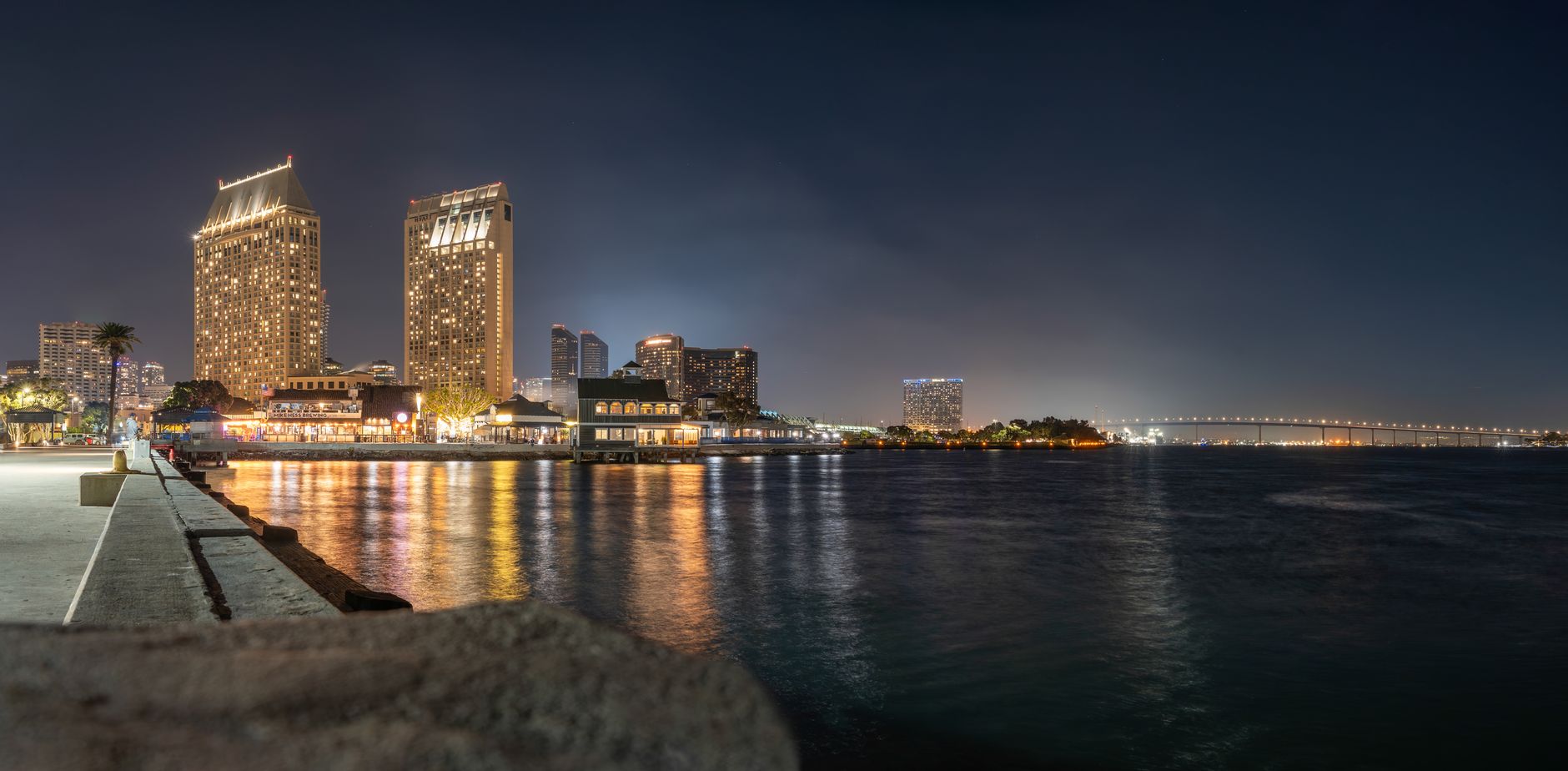
The illuminated San Diego skyline reflects beautifully over the harbor waters at night, with the iconic Coronado Bridge stretching into the distance.
Soly Moses on Pexels

The San Diego skyline glows under the soft golden light of sunset, overlooking a harbor filled with anchored sailboats.
Tapas S on Pexels

The San Diego skyline glows under the soft light of sunset, with a sleek boat cutting across the tranquil waters of the bay.
Kindel Media on Pexels

The San Diego skyline glows under the soft light of a setting sun, reflected in the calm waters of the bay.
Kindel Media on Pexels
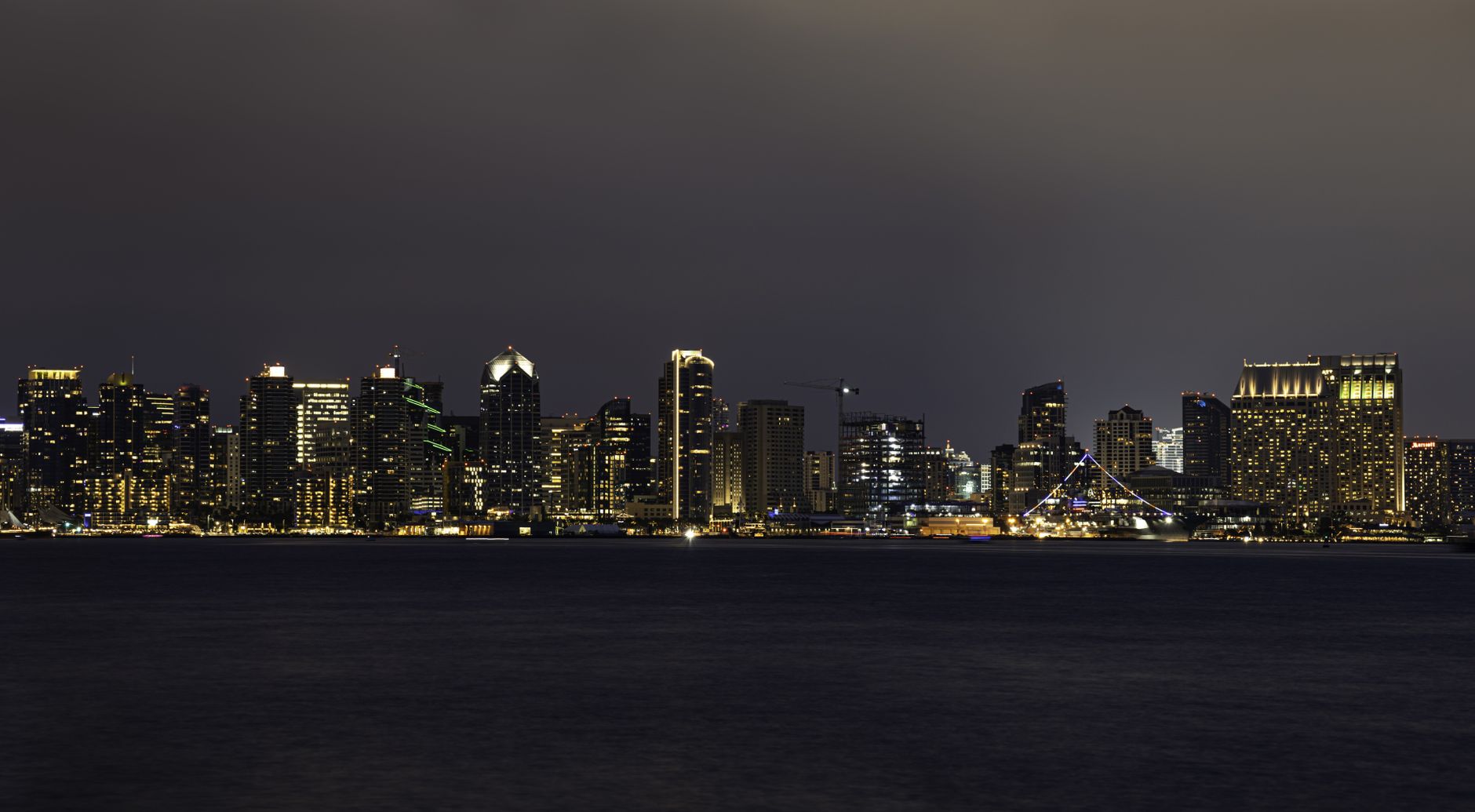
The vibrant San Diego skyline glows against the night sky, casting reflections across the calm waters of the harbor.
Soly Moses on Pexels
Yes, if you like cities that feel like perpetual vacation. The fusion of Mexican food culture, 70 °F (21 °C) weather most days, and walkable neighborhoods beats the stereotypes. Just don't expect dramatic hills or historic depth on the scale of San Francisco.
Four days is the sweet spot. One for Balboa Park and the Zoo, one for the coast from La Jolla to Sunset Cliffs, one for downtown and the Midway, and one for whatever slows you down. Five days lets you add a day trip to Julian or Anza-Borrego.
Take the Route 992 bus for $2.50 or the free San Diego Flyer shuttle to Old Town Transit Center then hop on the Green Line trolley. Both options beat Uber traffic when the airport loop is jammed.
It's one of the safer large American cities. Stick to Gaslamp, Balboa Park, and La Jolla after dark and you'll be fine. The East Village has visible homelessness but standard street awareness is enough.
September and October give the best combination of warm water, clear skies, and manageable crowds. January and February are cheapest for hotels but expect morning marine layer.
Not if you stay downtown or in Hillcrest and use the trolley and buses. You'll want one for La Jolla, Sunset Cliffs, and any day trips east.
Ready to book?
Curated from places in this city. Same price as official sites.
Prices shown are indicative — final pricing and availability are confirmed at checkout. Audiala may receive a commission from bookings made via these links.
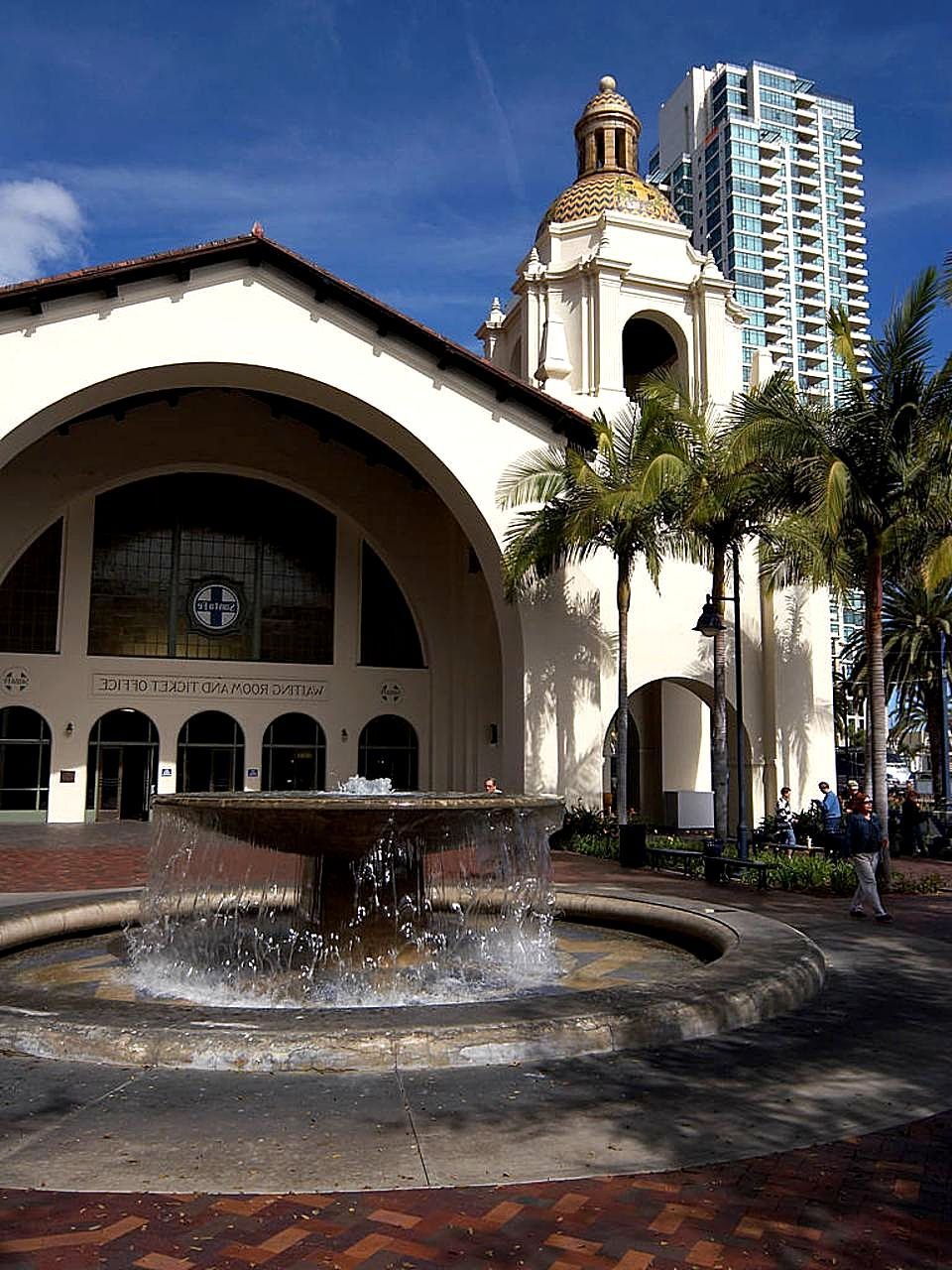
San Diego International Airport (SAN) sits three miles from downtown. Take the MTS Route 992 bus to Broadway and Kettner for $2.50, or ride the free San Diego Flyer electric shuttle to Old Town Transit Center. The Pacific Surfliner train arrives from Los Angeles at Santa Fe Depot.
The MTS Trolley runs three lines (Blue, Green, Orange) with the Blue Line now reaching La Jolla and UCSD. Tap a PRONTO card or app for every ride; daily cap sits at $6 in 2026, after which you ride free. The COASTER hugs the coast north while the SPRINTER cuts east-west across the county.
Mediterranean climate keeps highs between 65–77°F (18–25°C) year-round. May Gray and June Gloom bring coastal clouds through early summer. September and October deliver the warmest water and smallest crowds. January and February offer the lowest hotel rates.
San Diego ranks among the safer large American cities. Standard street smarts suffice in Gaslamp and East Village at night. The waterfront and Balboa Park stay busy and well-lit until late.
129 places to discover



Showing 1–48 of 129 places