
San Antonio International Airport
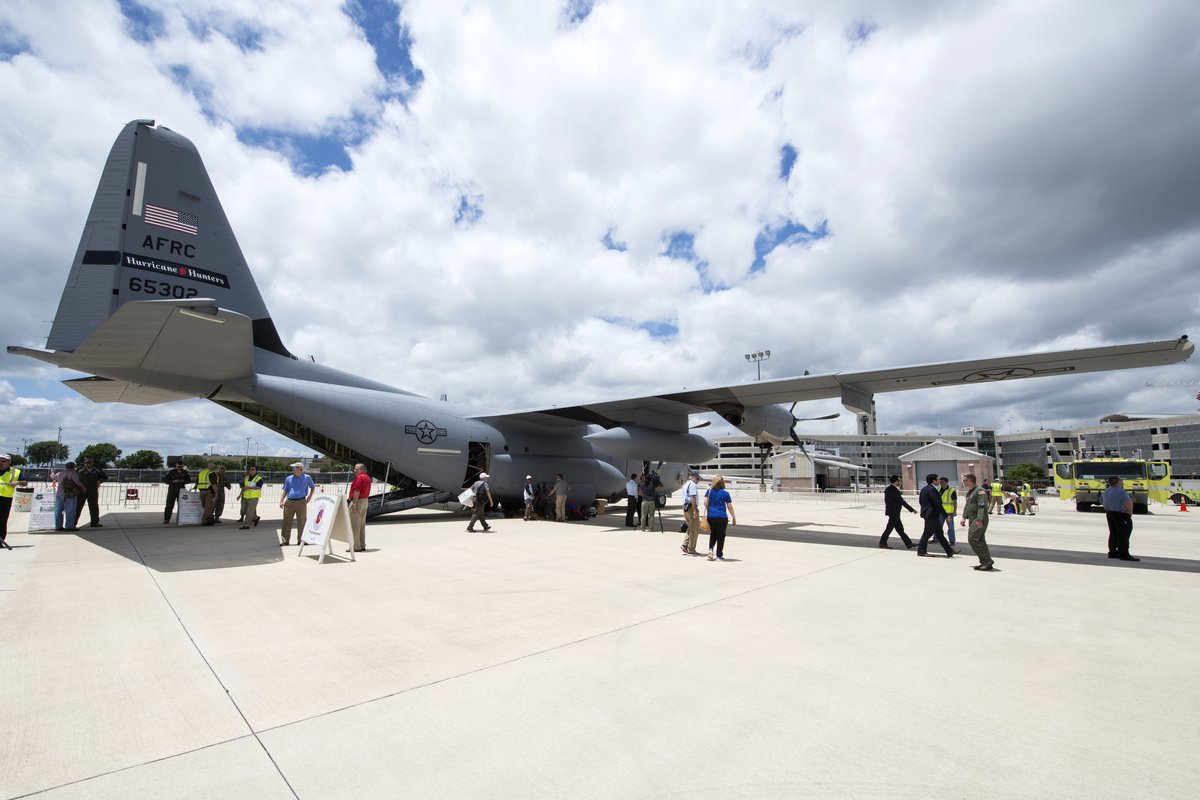
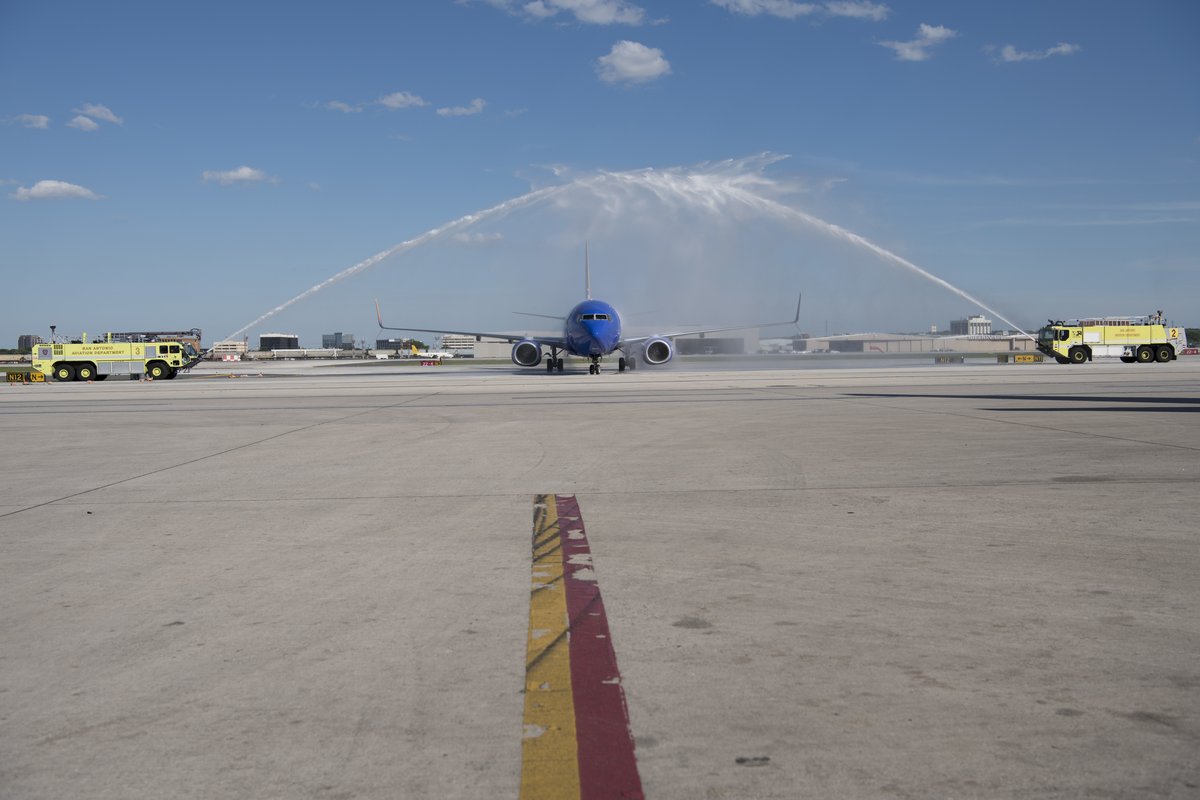
San Antonio International Airport (SAT), the primary air gateway to San Antonio, Texas, is about eight miles north of downtown. Established in 1941, it has grown from a small municipal airfield into an international airport connecting millions of leisure and business travelers with destinations around the world. The airport supports regional economic growth and cultural exchange; in 2023, San Antonio welcomed over 37 million visitors (visitsanantonio.com; worldtravelguide.net).
SAT is also a gateway to the city’s cultural heritage and attractions, including The Alamo, which offers free admission (thealamo.org; visitsanantonio.com).
History and development
Airport history
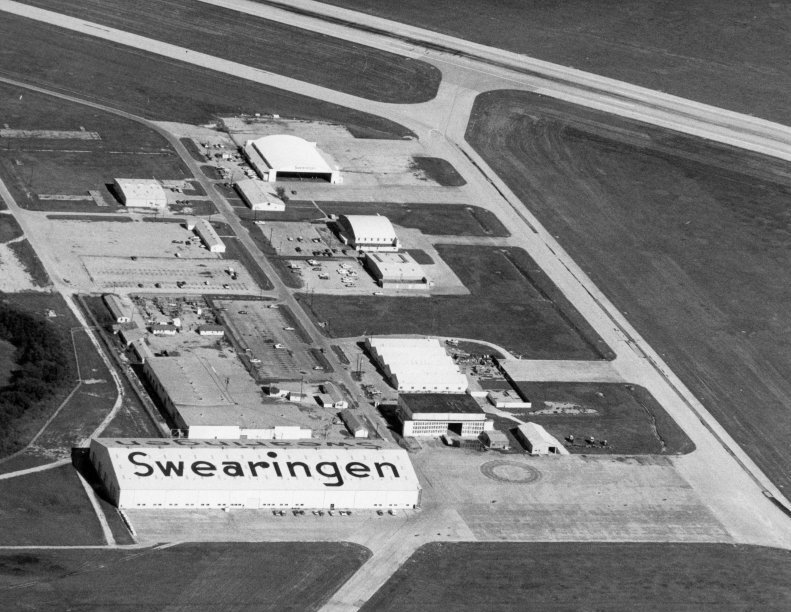
SAT opened in 1941 as a modest municipal airfield north of downtown. During World War II, it served military and civilian aviation needs. As San Antonio’s population and tourism sector grew in the following decades, the airport added terminals and runways. By the late 20th century, SAT had become a regional aviation leader, with Terminals A and B improving passenger flow and amenities (airportslounges.com; worldtravelguide.net).
Security changes after 9/11 limited terminal access to ticketed passengers. The SAT Pass Program, launched in 2025, reintroduced access for non-ticketed visitors (allofsa.net; sa.gov).
ELEVATE/SAT Terminal Development Program
SAT’s 20-year Terminal Development Program (TDP), branded ELEVATE/SAT and approved by the city council, is a $1.68 billion investment—the largest capital initiative in San Antonio’s history. The program aims to modernize infrastructure, expand capacity, and improve the passenger experience through 2045 (flysanantonio.com; corgan.com).
Planned projects include:
- New terminal complex Up to 17 additional gates, with completion targeted for 2028, to expand domestic and international connectivity (simpleflying.com).
- Terminal A redevelopment Rebuilding Terminal A and adding approximately 41,000 square feet of restaurants, bars, and retail space (visitsanantonio.com).
- Ground Transportation Center A new center with up to 2,000 parking spaces and access to taxis, shuttles, and rideshares.
- Runway expansion Plans to extend a primary runway to accommodate larger aircraft and more direct international flights (forbes.com).
- Sustainable design The new terminal, designed by Corgan and Lake Flato, will emphasize sustainability and reflect San Antonio’s character (corgan.com).
The program is expected to generate thousands of construction and long-term jobs. Estimates include more than 16,000 jobs during development and $2.8 billion in economic activity over 20 years; the airport also supports over 147,000 total jobs in aviation and hospitality (corgan.com; flysanantonio.com; International Airport Review).
Regional and economic significance
SAT handles over 10 million passengers annually and supports local tourism and business development (San Antonio Report). Its expanding international routes foster economic and cultural ties with Mexico, Europe, and beyond (San Antonio Report).
Tourism supported by SAT contributes $21.5 billion to the local economy and more than 150,000 jobs (visitsanantonio.com; San Antonio Report). Modernization, inclusive planning, and expanded air service are intended to strengthen San Antonio’s appeal for business, conventions, and leisure travel (Visit San Antonio; Airport Gurus).
What to see and do
Airport amenities
SAT has the United Club in Terminal B and a USO Lounge for military personnel. The planned expansion will add dining and retail options focused on local culinary and cultural experiences (airportslounges.com).
The SAT Pass Program allows up to 50 non-ticketed visitors per day to access post-security terminal areas. It provides a way to meet friends or family inside secure areas and restores a privilege not available since 2001 (allofsa.net).
The Alamo
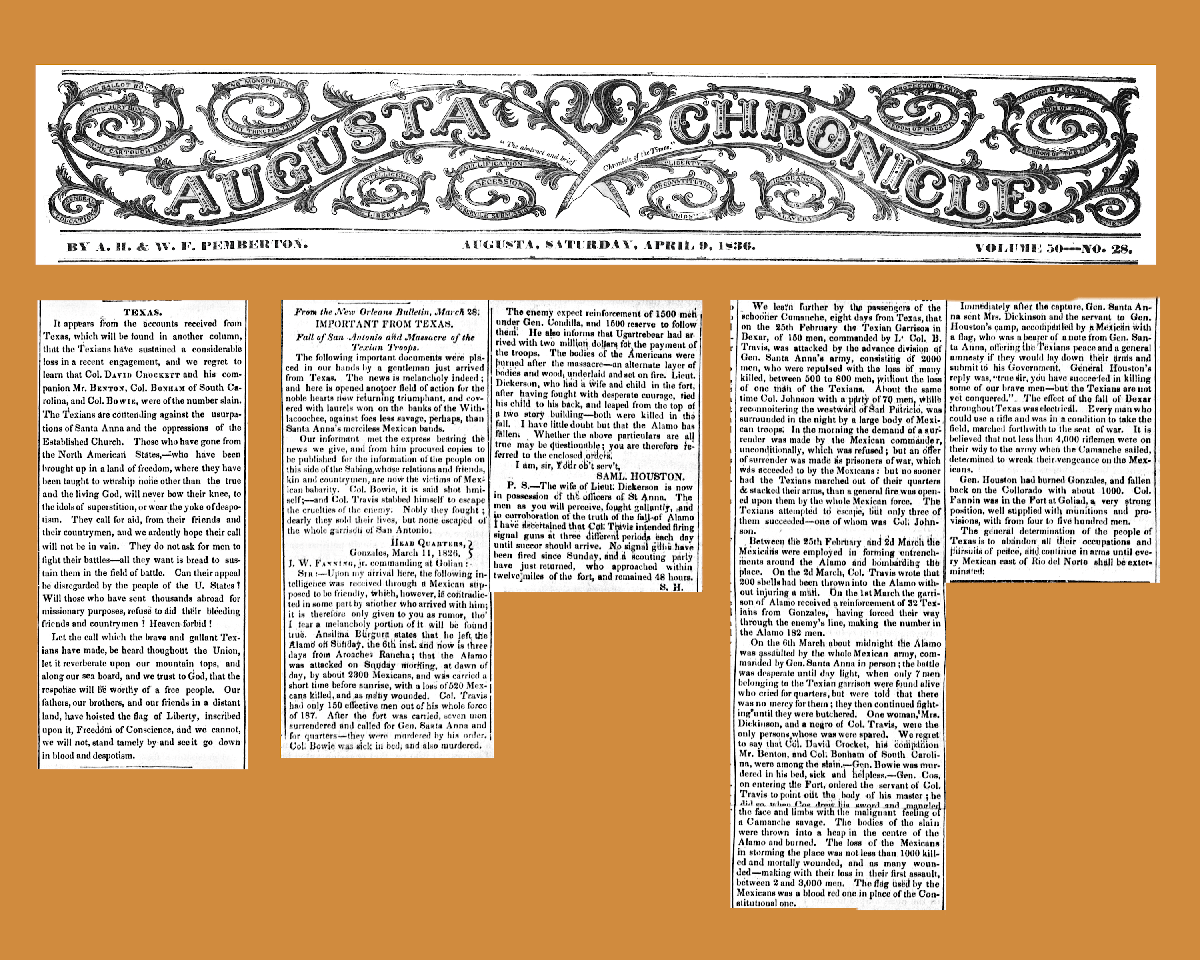
Originally established as Mission San Antonio de Valero in the 18th century, The Alamo became famous as the site of the 1836 Battle of the Alamo, a pivotal event in the Texas Revolution. Today it is a symbol of courage and one of the most visited historical sites in the United States (thealamo.org).
Visitors can explore the site independently using signage and interactive exhibits, take audio tours in multiple languages, or join ranger-led tours. Special events include reenactments, lectures, and cultural programs. General admission to the Alamo Church and grounds is free; guided tours and some museum exhibits may require a ticket.
The grounds are ADA-compliant, with ramps, accessible restrooms, and services for visitors with disabilities. There is an on-site gift shop with souvenirs and Texas-themed merchandise, and numerous nearby local eateries serve Tex-Mex and other local cuisine.
Practical visiting information
Airport hours, tickets, and airlines
SAT operates 24 hours a day. Airline ticket counters and security checkpoints generally open early in the morning and close late in the evening; check with your airline for exact ticketing hours.
Tickets can be purchased through airline websites, travel agencies, or SAT self-service kiosks and ticket counters. The airport is served by major domestic and international airlines.
Accessibility
SAT is ADA-compliant and provides wheelchair assistance, accessible restrooms, parking, elevators, and other services for travelers with disabilities. Contact your airline or the airport in advance if you need special assistance.
Getting to the airport and around San Antonio
SAT is accessible via Interstates 10 and 35 and Highway 281. Public transportation is available through VIA Metropolitan Transit, including bus 5. Other transportation options include taxis, rideshares, and rental cars. The airport offers access to The Alamo, the San Antonio Missions, and the River Walk; most downtown destinations are about a 15-minute drive away (worldtravelguide.net).
The planned Ground Transportation Center will accommodate taxis, shuttles, and rideshares, alongside up to 2,000 parking spaces. Construction of the center and runway expansions is intended to improve connectivity and accommodate increasing passenger volumes (simpleflying.com).
The Alamo hours and visitor details
The Alamo is open daily from 9:00 a.m. to 5:30 p.m., with last entry at 5:00 p.m. It is closed on Thanksgiving Day, Christmas Day, and New Year’s Day. General admission to the church and grounds is free. Tickets for guided tours and some exhibits may be available online or at the site.
Photography is permitted throughout the grounds, but flash and tripods are not allowed inside the chapel. Only service animals are permitted. Several public garages and lots are nearby, while street parking is limited.
Tips
- Arrive at SAT at least two hours before domestic flights and three hours before international flights.
- Check with your airline for ticket-counter and security hours.
- Use the SAT Pass Program to meet friends or family in secure terminal areas; daily availability is limited.
- Take advantage of local dining and shopping in the terminals.
- At The Alamo, comfortable shoes and water are suggested, and visitors are advised to plan ahead for peak tourist seasons. Early morning and late afternoon are noted as times with fewer crowds and optimal lighting.
- For real-time updates, travel tips, and exclusive offers, download the Audiala app and follow official channels for updates on SAT and San Antonio’s attractions.
Nearby places
Nearby historical and cultural attractions include:
- San Antonio Missions National Historical Park Four other Spanish colonial missions nearby (nps.gov/saan).
- River Walk Pedestrian walkways along the San Antonio River.
- San Fernando Cathedral and Spanish Governor’s Palace: Historic sites within walking distance of The Alamo.
- La Villita Historic Arts Village.
More information: San Antonio Historical Sites Guide
FAQ
San Antonio International Airport
What are SAT’s visiting hours?
The airport is open 24 hours. Ticket counters and security checkpoints have specific hours; check with your airline.
How do I buy tickets?
Purchase tickets online through airline websites, through travel agencies, or at airport kiosks and counters.
Is SAT accessible for people with disabilities?
Yes. The airport offers accessibility services and facilities, including wheelchair assistance, accessible restrooms, parking, and elevators.
Can non-travelers enter secure terminal areas?
Yes. The SAT Pass Program offers limited daily access to post-security areas for non-ticketed visitors.
How do I get to downtown attractions from SAT?
Use taxis, rideshares, public transit, or rental cars. Most downtown sites are about a 15-minute drive away.
The Alamo
Is there a fee to enter The Alamo?
No. General admission is free; guided tours and some exhibits require tickets.
Can I book tours online?
Yes. Advance bookings are available through the official website.
Is The Alamo accessible for wheelchairs?
Yes. It has ADA-compliant amenities.
Are pets allowed?
Only service animals are permitted.
Where can I park?
Several public garages and lots are nearby; street parking is limited.