Historical Foundations and Cultural Significance
Founded in 1720, Mission San José was established by Father Antonio Margil de Jesús with the support of the Marqués de San Miguel de Aguayo. Its strategic location on the San Antonio River and its mission to evangelize Indigenous peoples made it both a religious and a military stronghold for the Spanish crown (TSHA Handbook). By 1721, the mission housed over 200 Indigenous residents, offering communal living, agricultural work, and spiritual guidance.
Over time, Mission San José became the largest and most influential of the San Antonio missions, earning its regal nickname for its size, architectural beauty, and pivotal role in the region’s development (Eat See RV). The mission’s acequia (irrigation system) and grist mill were engineering achievements that sustained the community and set the standard for agricultural innovation in Texas (Eat See RV).
Architectural and Artistic Mastery
Spanish Baroque Splendor
Mission San José’s architecture is a prime example of Spanish Baroque style, merging European design with local materials and Indigenous craftsmanship. Construction of the present church began in 1768 and was completed in 1782, featuring a grand limestone façade adorned with intricate carvings, sculpted columns, and religious iconography (texplorevibe.com). The bell towers and domes rise above the Texas landscape, creating a striking and enduring silhouette (sanantoniohappens.com).
The Iconic Rose Window
No visit is complete without seeing the Rose Window (La Ventana de Rosa), a Baroque masterpiece carved by Pedro Huizar and renowned as the finest example of Spanish colonial stonework in the United States (wanderfilledlife.com). Its swirling floral and shell motifs symbolize both the Virgin Mary and the blending of Spanish and Indigenous artistry.
Defensive Walls and Living Quarters
Designed as a fortified settlement, Mission San José’s thick limestone walls feature bastions and gun slits for protection. Within, the restored quarters—once home to hundreds of Indigenous residents—offer a tangible glimpse into daily life in the 18th century (thesanantoniothings.com).
Granary, Grist Mill, and Acequia System
The granary stored essential provisions, while the grist mill (restored with faux bois technique by artist Carlos Cortés) used acequia water to grind grain (missionheritagepartners.org). The acequia system itself, built by Indigenous labor under Spanish direction, was a marvel of sustainable engineering and remains visible today (texplorevibe.com).
Church Interior and Indigenous Influences
Inside the church, vaulted ceilings and thick stone walls create a serene atmosphere. While much original fresco work has faded, the reconstructed altar and remaining wall paintings reflect both Spanish and Indigenous symbolism, with motifs of native flora and fauna carved by Coahuiltecan artisans (nps.gov; visitsanantonio.com).
Social and Community Life—Past and Present
Beyond its religious function, Mission San José was a thriving community center. Indigenous residents shared responsibilities for agriculture, construction, and crafts, and participated in religious life. Despite population declines due to disease and upheaval, the mission remained a pivotal center for education, food production, and cultural exchange (TSHA Handbook).
Today, Mission San José is still an active Catholic parish. One of the highlights is the Sunday Mariachi Mass at 12:30 p.m., a vibrant fusion of faith and music that welcomes both locals and visitors (AFAR). Community events, such as MissionFest, further showcase the mission's ongoing role in San Antonio’s cultural life (Fiesta San Antonio).
Visiting Mission San José: Hours, Admission, and Tours
- Visiting Hours Open daily, 9:00 AM to 5:00 PM (last entry 4:30 PM). Holiday hours may vary (NPS Official Site).
- Admission Free for all visitors; no tickets required. Donations are welcome to support preservation.
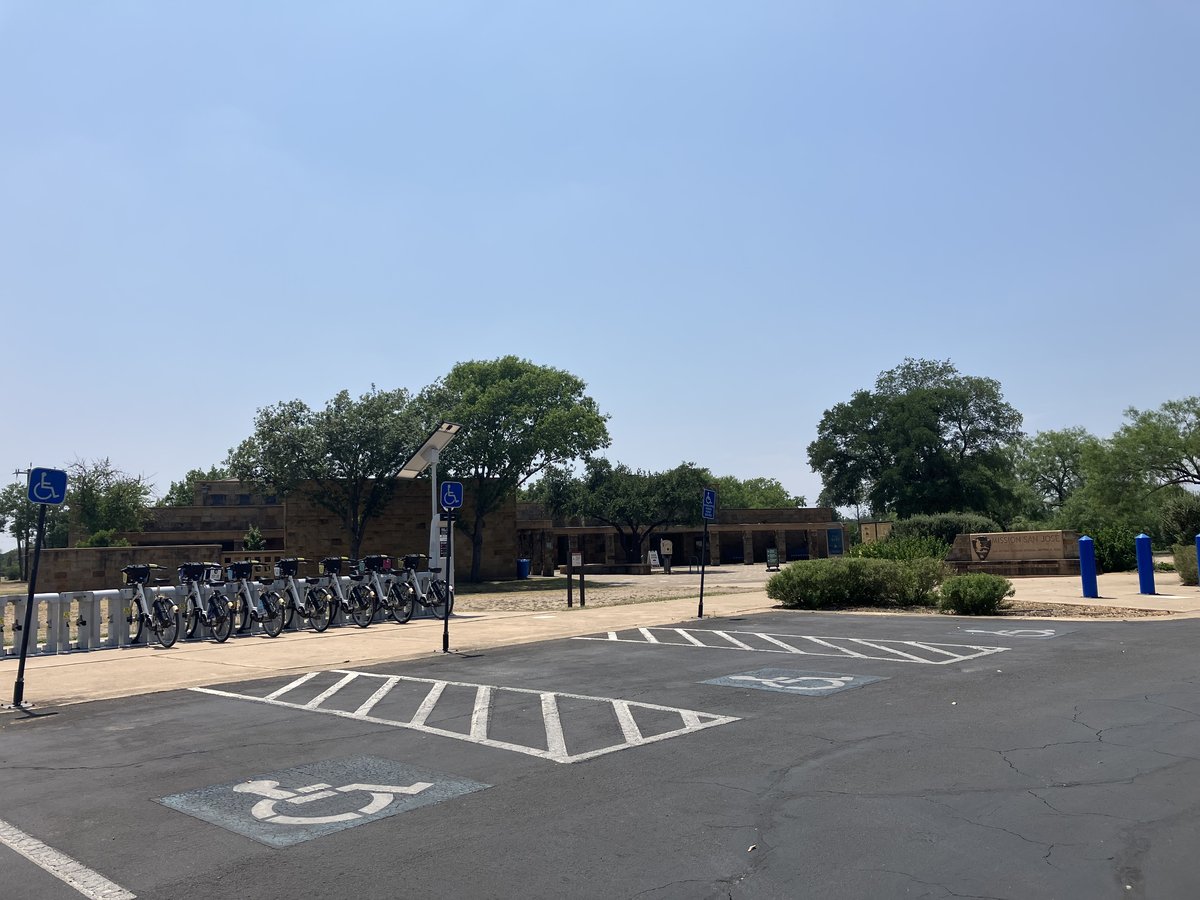
- Parking Free parking is available, including spaces for buses and RVs.
- Accessibility The mission grounds, Visitor Center, and key features are wheelchair accessible. Restrooms and benches are available for comfort (rosct.com).
Guided and Self-Guided Tours
The National Park Service provides free ranger-led tours several times daily. These tours cover the mission’s history, architecture, and community life (NPS Brochure). For independent explorers, interpretive panels, a short film at the Visitor Center, and mobile audio tours are available. BCycle stations make biking between the missions convenient (MPA Project Travels).
Navigating the Mission Grounds
Enter through the Visitor Center, where you’ll find informative exhibits, a bookstore, and orientation materials. The grounds can be explored at your own pace, with paved, accessible paths and clear signage. The layout encourages leisurely walks through courtyards, living quarters, and gardens (AFAR).
Tips for a Memorable Visit
- Best Time to Visit November–April for milder weather and smaller crowds (MPA Project Travels).
- Hydration & Comfort Bring water, sunscreen, and layered clothing, especially during summer.
- Photography Personal photography is welcome; permits are required for commercial shoots. Morning and late afternoon offer the best natural light (texplorevibe.com).
- Family-Friendly Open spaces and interactive exhibits make this a great destination for all ages.
- Respectful Conduct As an active parish, please be respectful during Mass and special events.
Nearby Attractions and Exploring the Mission Trail
- Other Missions Take time to visit Missions Concepción, San Juan, and Espada—each with unique features and history. All are connected by the Mission Trail, accessible by car, bike, or on foot.
- The Alamo Just upstream, The Alamo adds additional context to San Antonio’s colonial past.
- Dining & Amenities While no food is sold on-site, picnic areas are available. Nearby neighborhoods offer dining options.
Cultural and Educational Opportunities
Mission San José offers a wealth of interpretive programs, highlighting the lives of the Coahuiltecan peoples, Franciscan friars, and colonial settlers (NPS History & Culture). Artifacts and exhibits provide insight into the region’s cultural evolution. Special events, such as MissionFest and Fiesta San Antonio, immerse visitors in local traditions (KSAT).
Frequently Asked Questions (FAQ)
Q: What are Mission San José’s visiting hours?
A: 9:00 AM to 5:00 PM daily; last entry at 4:30 PM.
Q: Is there an admission fee?
A: No, general admission is free. Donations support preservation.
Q: Are guided tours available?
A: Yes, free ranger-led tours are offered daily.
Q: Is Mission San José accessible for visitors with disabilities?
A: Yes, the grounds and facilities are wheelchair accessible.
Q: Can I park my car or RV at Mission San José?
A: Free parking is available for all visitors, including buses and RVs.
Q: Can I bike between the missions?
A: Yes, BCycle rental stations are at each mission.
Q: Can I take photographs at Mission San José?
A: Personal photography is welcome; commercial/portrait photography requires a permit.
Community Connection and Visitor Engagement
Mission San José is more than a monument; it’s a living part of San Antonio’s heritage. From the Mariachi Mass to MissionFest, visitors are invited to engage with the ongoing story of the mission and its community (AFAR). Whether you come for history, architecture, or cultural events, Mission San José offers a deeply rewarding experience.
Plan Your Visit & Stay Connected
- Get the Latest Information Visit the National Park Service site for up-to-date hours and events.
- Audiala App Download the Audiala app for self-guided audio tours and real-time updates on visiting hours and special events.
- Explore More Read our guides on The San Antonio Mission Trail and Historic Sites in San Antonio.
- Follow Us Stay connected via social media and share your experience using #MissionSanJoseVisit.
Visual suggestion: Link to NPS virtual tours and embed engaging videos or interactive maps for remote exploration.
Summary
Mission San José endures as a symbol of cultural convergence, artistic achievement, and community resilience in San Antonio. With its Spanish Baroque church, legendary Rose Window, and preserved communal structures, the mission invites visitors to step into history. Enjoy free admission, accessible facilities, guided tours, and a wide range of cultural events. Whether you’re a local or a traveler, Mission San José offers inspiration and insight into Texas’s rich past and dynamic present. Plan your visit, explore the Mission Trail, and experience the living legacy of the Queen of the Missions.