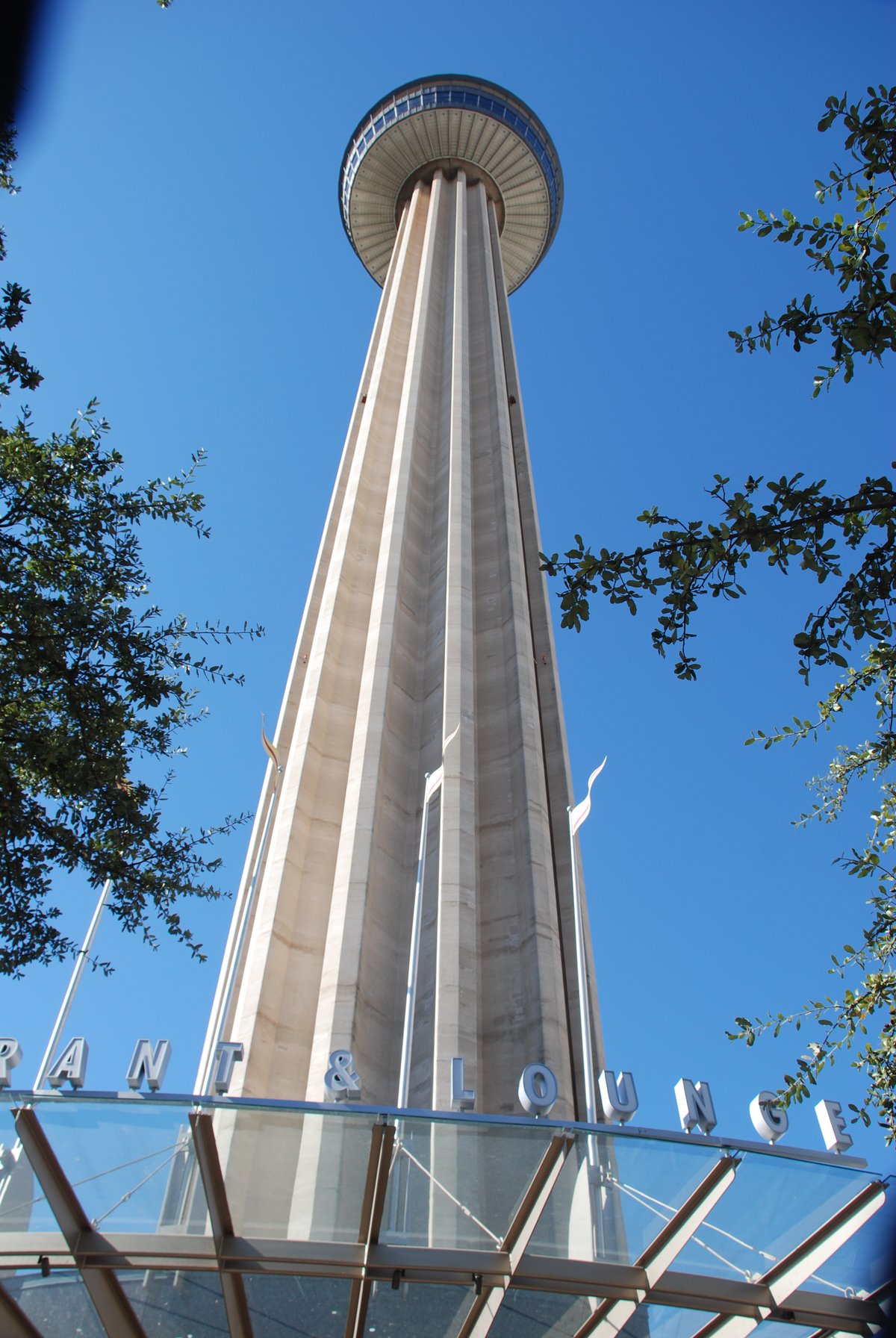
Early Settlement and Spanish Colonial Roots
Long before European arrival, the San Antonio region was home to indigenous peoples such as the Payaya Indians (History of San Antonio). Spanish colonization began in 1718 with the founding of the Villa de Bejar, making San Antonio one of the oldest settlements in Texas. The establishment of missions like Mission San Antonio de Valero (the Alamo) and key presidios anchored the city’s early growth, serving as both religious and military outposts.
Transition to Mexican Rule
San Antonio’s status shifted following the Mexican War of Independence. Revolutionary forces briefly took control in 1811, but Spanish power was soon restored. After Mexican independence in 1821, San Antonio became part of the new republic. Recovery was gradual, and Anglo-American settlement was encouraged through the empresario system, setting the stage for further cultural blending and eventual conflict (History of San Antonio).
The Texas Revolution and American Annexation
San Antonio played a pivotal role in the Texas Revolution, notably as the site of the Alamo. Following Texas’s independence and annexation by the United States in 1845, San Antonio grew rapidly, attracting new residents and diverse industries (History of San Antonio).
German Immigration and the Development of the Homestead
Mid-19th-century German immigration profoundly influenced San Antonio’s culture and industry. Settlers established communities like the King William District, contributing to brewing, milling, and commerce. The Ernst Homestead, though its exact construction date is uncertain, is an important remnant of this era. Its architecture and prominence as a Recorded Texas Historic Landmark reflect the lasting impact of German-American culture (Ernst Homestead Photograph #1).
Growth, Prosperity, and Urban Change
By 1850, San Antonio was Texas’s largest city, and the arrival of the railroad in 1877 accelerated growth. The Ernst Homestead witnessed this transformation from frontier outpost to urban center, amid rising industries and the development of distinctive neighborhoods (History of San Antonio).
Preservation and Landmark Status
The homestead’s historical significance is underscored by its status as a Recorded Texas Historic Landmark (Ernst Homestead Photograph #1). Detailed photographic documentation by the Texas Historical Commission and University of North Texas Libraries preserves its heritage for future generations.
Architectural Features
A prime example of German-Texan vernacular architecture, the Ernst Homestead is constructed from locally quarried limestone, with thick walls for insulation. Distinctive elements include a side gallery with an exterior stairway, tall windows with wooden shutters, and a steeply pitched roof. Hand-carved interior woodwork and period-appropriate furnishings highlight the craftsmanship of its builders (Ernst Homestead Photograph #1).
Visiting the Ernst Homestead
Hours and Admission
- Open Tuesday–Sunday, 10:00 AM–5:00 PM
- Closed Mondays and major holidays
- Admission $8 adults, $5 seniors (65+), $3 children (6–12), free for children under 6.
Tickets are available online via the official website or at the entrance.
Tours and Events
- Guided Tours Daily at 11:00 AM and 2:00 PM, offering in-depth exploration of the homestead’s history and design.
Advance reservations are recommended for groups and special events. - Special Events Seasonal heritage festivals, workshops, and educational programs are held throughout the year. Current schedules are posted on the official website.
Accessibility
The homestead provides wheelchair-accessible entrances, paved pathways, and accessible restrooms. Audio guides are available for visitors with visual impairments; contact visitor services for additional assistance.
Nearby Attractions
The Ernst Homestead is conveniently located near the Alamo, King William Historic District, Mission Concepcion, and the San Antonio River Walk, allowing visitors to experience a wider array of San Antonio historical sites.
Unique Features and Photographic Spots
The homestead’s limestone façade, side gallery, and period gardens offer excellent photography opportunities, especially during morning or late afternoon. Interior features such as original construction techniques and historic artifacts are highlighted during guided tours.
Annual and Seasonal Events
San Antonio’s diverse festivals and celebrations enhance any visit to the Ernst Homestead:
- Fiesta San Antonio April’s citywide celebration of multicultural heritage (Fiesta San Antonio Info).
- Diwali SA and Asian Festival Celebrate the city’s global traditions.
- Food Festivals Recognizing San Antonio’s status as a UNESCO Creative City of Gastronomy (Time Out San Antonio).
Check the San Antonio events calendar for up-to-date schedules.
Community Engagement and Volunteer Opportunities
The homestead supports volunteer programs, educational workshops, and community clean-ups—details are available through organizations such as the San Antonio Report (San Antonio Report Events). The San Antonio African American Community Archive and Museum (SAAACAM) also hosts heritage tours and events (SAAACAM Events).
Tips for Visitors
- Book Early Events like Fiesta San Antonio are popular; reserve tickets and accommodations in advance.
- Engage with Guides Guided tours and local docents provide the richest experience.
- Explore Nearby Combine your visit with other historical landmarks for a comprehensive tour.
- Check for Free Events Many city festivals and outdoor concerts are free to attend.
- Stay Updated Use the San Antonio events calendar and Eventbrite San Antonio for real-time event updates.
Frequently Asked Questions (FAQ)
Q: What are the Ernst Homestead visiting hours?
A: Tuesday–Sunday, 10:00 AM–5:00 PM; closed Mondays and major holidays.
Q: How much are tickets?
A: $8 for adults, $5 for seniors, $3 for children 6–12, free for children under 6.
Q: Are guided tours available?
A: Yes, daily at 11:00 AM and 2:00 PM; reserve in advance for groups.
Q: Is the homestead accessible?
A: Yes, with wheelchair access, paved paths, and accessible restrooms.
Q: Can I combine my visit with other sites?
A: Absolutely—nearby attractions include the Alamo, Mission Concepcion, and the King William Historic District.
Visual Gallery
Front view of the Ernst Homestead showcasing traditional German-American architecture.
Interior photograph highlighting period-appropriate furnishings and construction.
Images courtesy of the Texas Historical Commission and the Portal to Texas History.