Plan and listen to Battle Of The Alamo with Audiala.
Audio guide in your pocket, itinerary in your browser. Built for the way you actually visit.
Introduction
The Battle of the Alamo stands as a defining moment in American and Texan history. Located in San Antonio, Texas, the Alamo began as Mission San Antonio de Valero, founded in 1718 by Spanish missionaries, and transformed over time into a military outpost central to the Texas Revolution. Today, the Alamo is both a powerful symbol of sacrifice and a vital cultural landmark, representing centuries of diverse narratives—from Indigenous peoples and Tejanos to Spanish colonial and American revolutionary influences. This guide provides detailed information on visiting the Alamo, including hours, ticketing, accessibility, and practical travel advice, as well as an in-depth look at its historical legacy and ongoing preservation efforts (The Alamo Official Site; Texas Today; History.com).
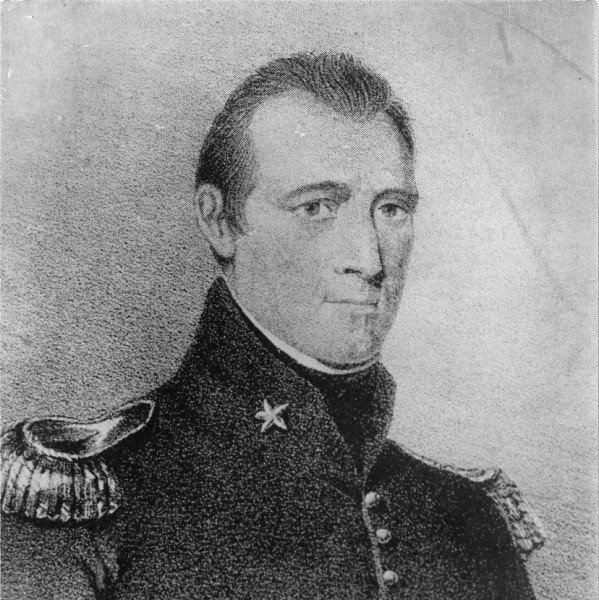
Early Foundations: Mission San Antonio de Valero
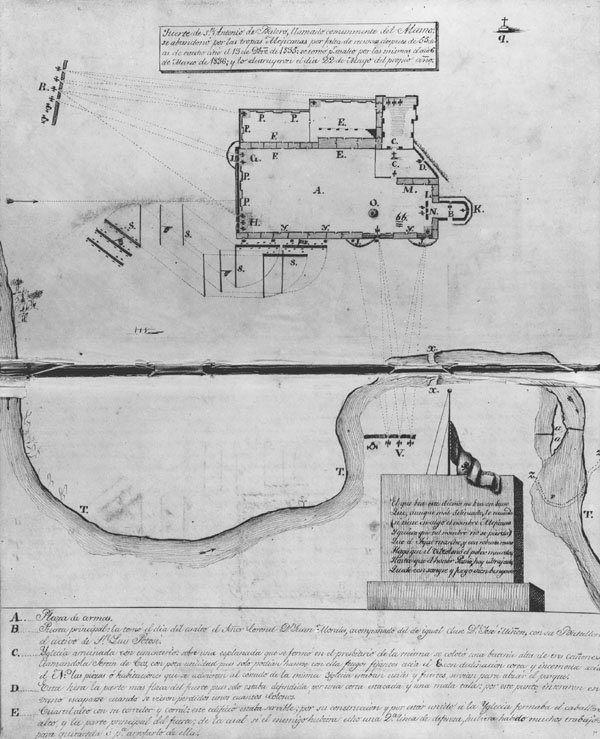
Founded in 1718, the Alamo began as Mission San Antonio de Valero, serving as a religious, agricultural, and cultural hub for Indigenous peoples under Spanish colonial rule. Over the decades, the mission taught farming, crafts, and Christianity, while integrating local cultures into Spanish society. By 1793, the mission was secularized, and its lands and buildings were redistributed among local residents. The name “Alamo” is rooted in the early 1800s, when a Spanish military unit from Alamo de Parras, Coahuila, was stationed at the site (Texas Today; History.com).
Transition to Military Outpost
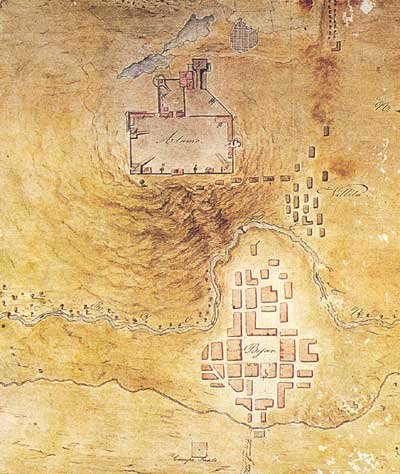
After secularization, the Alamo’s strategic location led to its use as a military garrison, first by Spanish, then Mexican, and finally Texan forces. Its thick limestone walls and central position in San Antonio made it a vital asset in regional defense, especially as tensions grew between Mexico and its northern territories in the early 19th century (Texas Today; History.com).
The Texas Revolution and the Battle of the Alamo
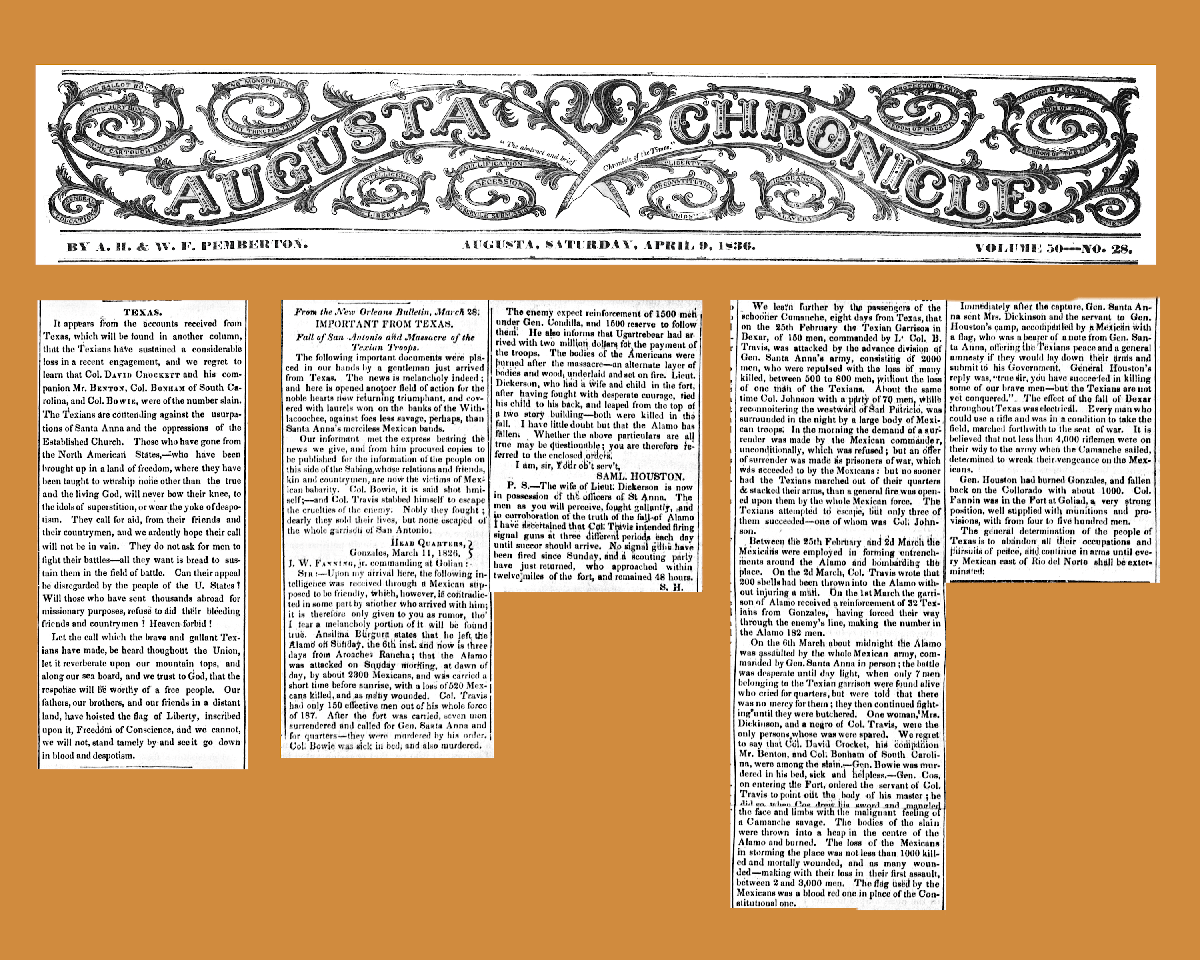
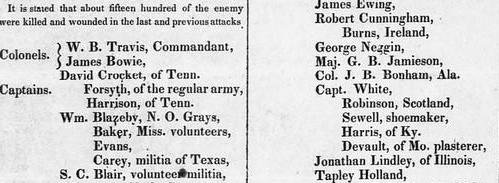
The Alamo is best known for the pivotal 1836 siege during the Texas Revolution. In late 1835, Texan revolutionaries seized the Alamo, recognizing its importance. By February 1836, about 200 Texan defenders, including James Bowie, William B. Travis, and Davy Crockett, were besieged by a Mexican force led by General Antonio López de Santa Anna, numbering between 1,800 and 6,000 (Facts.net). After a 13-day siege, the Alamo fell on March 6, 1836, with all the defenders killed. Despite defeat, the rallying cry “Remember the Alamo!” inspired Texan troops, leading to victory at the Battle of San Jacinto and eventual independence from Mexico (History.com).
Post-Battle Legacy and Symbolism
Following the battle, the Alamo became a symbol of resistance, courage, and the fight for liberty. Preservation efforts began in the late 19th century, spearheaded by groups like the Daughters of the Republic of Texas. The site today stands as a hallowed ground for Texas and American identity (Texas Today; Facts.net).
The Alamo in Modern Times
Now recognized as a UNESCO World Heritage Site and managed by the Texas General Land Office and the Alamo Trust, the 4.2-acre complex includes the Alamo Church, Long Barrack, gardens, and new museum spaces. A $450 million master plan is underway to restore the mission’s original footprint and expand educational exhibits, reflecting a commitment to inclusivity and diverse storytelling (Visit San Antonio; National Geographic).
Contested Narratives and Evolving Interpretation
Modern interpretation at the Alamo highlights the roles of Indigenous peoples, Tejanos, Spanish colonialists, and others, providing a nuanced understanding of its significance. Living history events and special exhibits, including Juneteenth and Hispanic Heritage Month, showcase this inclusive approach (National Geographic; The Alamo Events Calendar).
Key Structures and Artifacts
- Alamo Church: Iconic limestone chapel, built in 1755, now serving as a memorial (Y Travel Blog).
- Long Barrack: Oldest structure, featuring exhibits on the mission and battle.
- Ralston Family Collections Center: Museum housing artifacts, including the Phil Collins Collection.
- Wall of History: Outdoor exhibit chronicling 300 years of Alamo history.
- Living History Encampment: Demonstrations of 19th-century military drills and crafts.
Practical Visitor Information
Visiting Hours
- Open daily: 9:00 AM – 5:30 PM (last entry at 5:15 PM)
- Closed: Christmas Day
- Hours may vary during special events (The Alamo Official Site)
Tickets and Admission
- Admission: Free to Alamo grounds
- Timed-Entry Tickets: Required for Alamo Church, reserve online in advance (The Alamo Official Site)
- Guided Tours: Available for a fee; audio guides and specialty tours offered
- Group and VIP Tours: Book in advance for in-depth experiences
Accessibility
- Wheelchair accessible, with ramps and accessible restrooms
- One accessible entrance to the church; some historic surfaces may be uneven
- Complimentary wheelchairs available on-site
Travel Tips
- Best Times to Visit: Weekday mornings and October–February for fewer crowds
- Parking: No on-site lot; use nearby public garages (e.g., Rivercenter Garage), street parking, or accessible parking on Alamo Plaza
- Public Transit: VIA Metropolitan Transit stops nearby (San Antonio VIA Metropolitan Transit)
- Nearby Hotels: Many within walking distance, such as The Emily Morgan Hotel
Planning Your Visit
- Duration: Plan for 1–2 hours; allow extra time for guided tours or special events
- What to Bring: Comfortable shoes, water, weather-appropriate clothing, and your ticket confirmation
- Site Etiquette: No hats or photography inside the church; photos allowed outdoors
- Security: Bag checks at entry; large bags not permitted
Exhibits and Interpretation
The Alamo’s museum and outdoor exhibits present a comprehensive history, including new perspectives on Indigenous, Tejano, and Mexican experiences. Augmented reality features, educational films, and interactive displays enrich the visitor journey.
Special Events and Commemorations
Annual events commemorate the 1836 battle and Texas Independence, featuring reenactments, memorial services, and cultural celebrations such as Fiesta San Antonio. Check the official events calendar for schedules.
Frequently Asked Questions (FAQ)
Q: What are the Alamo’s hours?
A: Daily, 9:00 AM – 5:30 PM (closed Christmas Day); last entry at 5:15 PM.
Q: Is admission free?
A: Yes, but timed-entry tickets are required to enter the Alamo Church.
Q: Are guided tours available?
A: Yes, for a fee, including specialty and audio tours.
Q: Is the Alamo accessible?
A: Most areas are accessible; wheelchairs are available.
Q: Can I take photos?
A: Yes, outdoors only; prohibited inside the church and Long Barrack.
Q: Where do I park?
A: Use nearby garages or public transit; accessible parking spots are limited.
Q: How long should I plan to visit?
A: Allocate 1–2 hours; longer for full museum and guided tours.
Q: Are there family-friendly resources?
A: Yes, interactive exhibits and AR experiences engage all ages.
Nearby Attractions
- San Antonio River Walk: Scenic, historic, and vibrant dining and shopping district
- Spanish Governor’s Palace and San Fernando Cathedral: Historic landmarks within walking distance
- Rivercenter Mall IMAX Theater: Shows the Alamo film and is ADA compliant (Rivercenter Mall IMAX Theater)
Discover More
A visit to the Alamo offers an immersive journey through America’s storied past. By planning ahead—booking your timed-entry tickets, checking accessibility, and exploring nearby San Antonio sites—you ensure a meaningful, convenient, and enriching experience. For the latest updates, event schedules, and guided tours, download the Audiala app and follow us on social media. Experience the Alamo’s enduring spirit and be part of a legacy that continues to inspire.
Tickets & tours.
These are guided options from our partners — same price as booking direct.
Prices are indicative — final pricing and availability are confirmed at checkout. Audiala may earn a commission from bookings made through these links.
Listen to the full story in the app
The whole Battle Of The Alamo,
told well.
Audio guides for 1,100+ cities across 96 countries. History, stories, and local insight — offline ready.

Verified, and shown.
Researched and written by the Audiala editorial team from historical records, architectural archives, and local expertise.
Researched from Wikidata, Wikipedia & official sources · fact-checked · How we make our guides →