
Historical Background and Significance
Discovery and Founding (1880–1881)
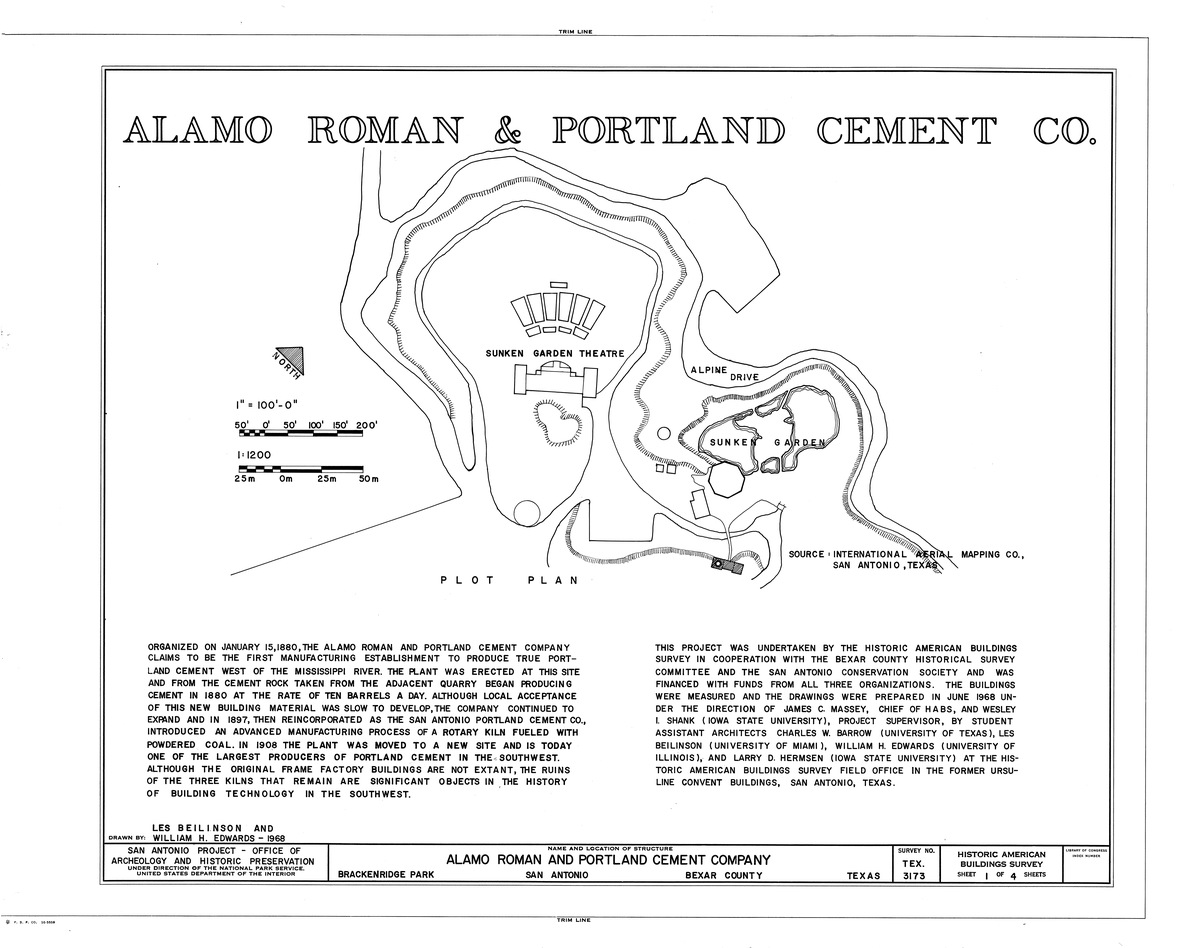
The discovery of a valuable cement rock deposit near San Antonio by William Loyd, and its validation by chemist George H. Kalteyer, led to the founding of the Alamo Portland and Roman Cement Company in 1880. This facility marked the beginning of Portland cement production in Texas, enabling local builders to use a material that previously had to be imported (TSHA Online).
The original plant, powered by a steam engine, produced about ten barrels of cement daily. Early innovations included patenting a sidewalk block-cutting process that accounted for Texas's temperature extremes—a significant advancement at the time.
Growth, Innovation, and Regional Impact
Renamed the Alamo Cement Company in 1881, the plant supplied cement for major Texas projects, including the Texas State Capitol and the Driskill Hotel in Austin. The availability of local cement was instrumental in the city’s urbanization and supported the emergence of concrete as a fundamental building material across the state (TSHA Online).
The company’s influence extended well beyond San Antonio, with co-founder Kalteyer later establishing another major cement company in Ohio, further spreading the use of Portland cement in American construction.
Relocation and the Creation of Cementville
By the early 1900s, the original quarry was nearly depleted. The company moved operations northeast of downtown, creating Cementville—a company town providing housing and amenities for workers. This shift allowed the company to maintain large-scale production and remain a regional industrial leader (TSHA Online).
The former quarry site was transformed into the Japanese Tea Garden (Sunken Gardens), a unique example of industrial land repurposed for public enjoyment (San Antonio Parks & Recreation).
Preservation and Legacy
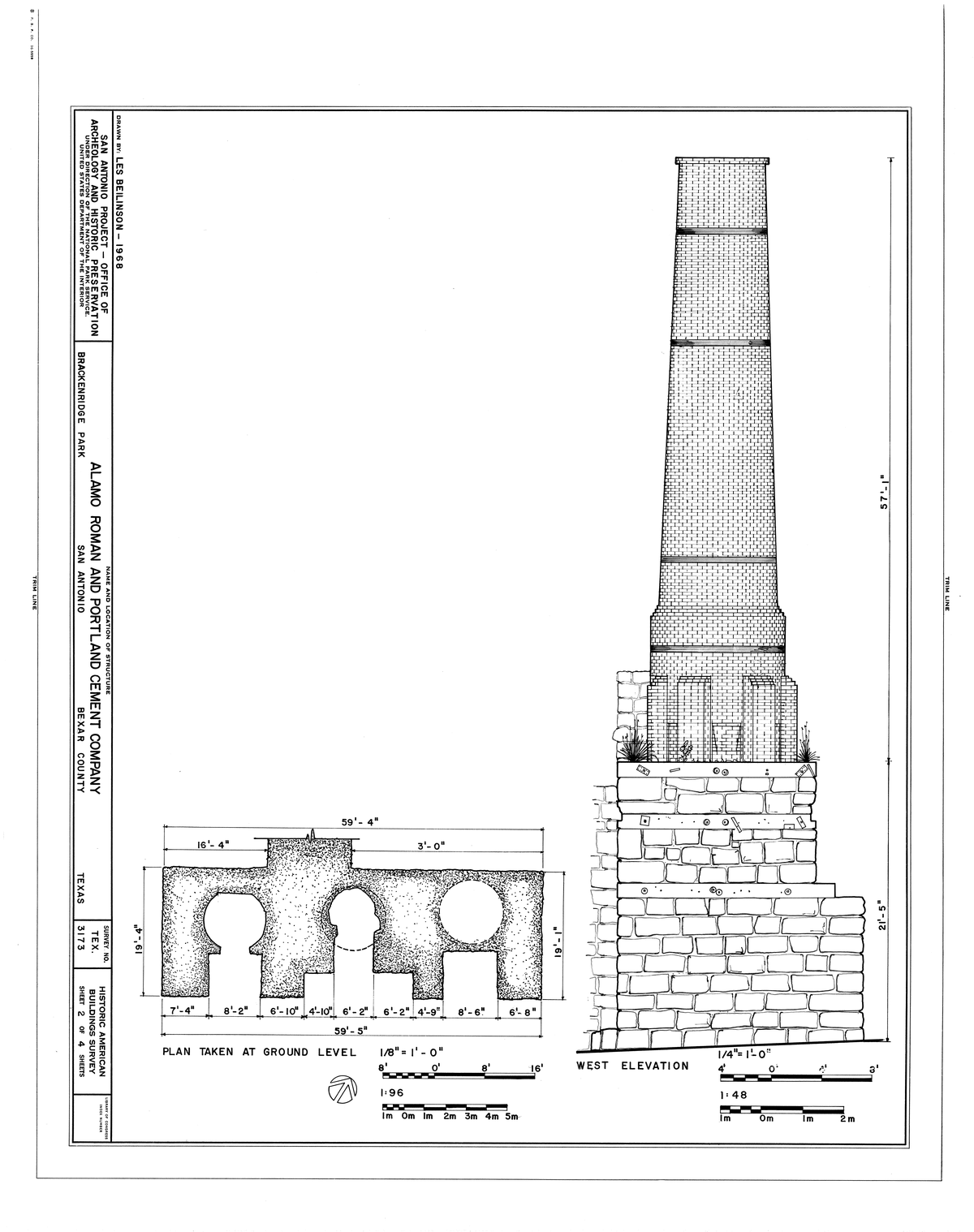
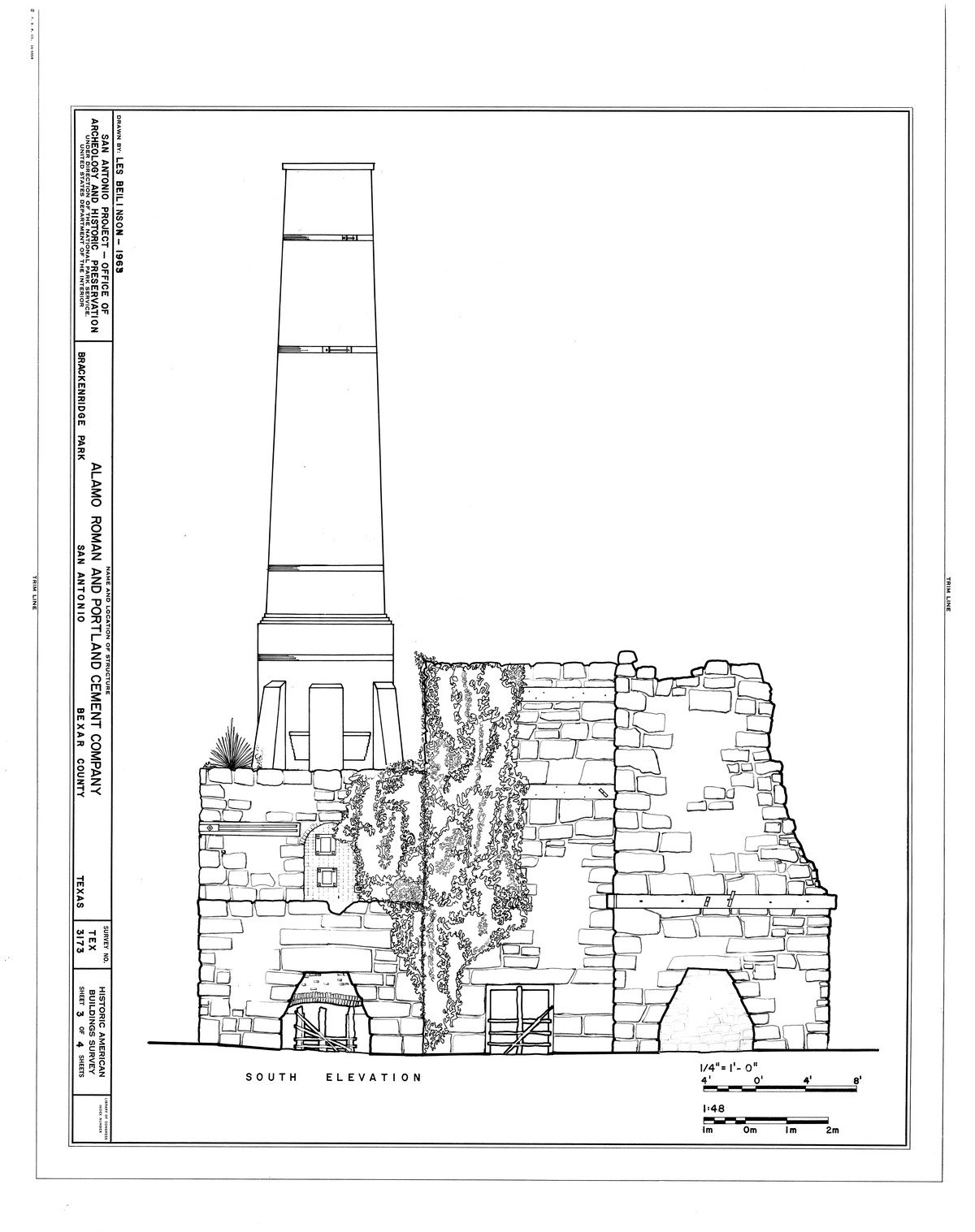
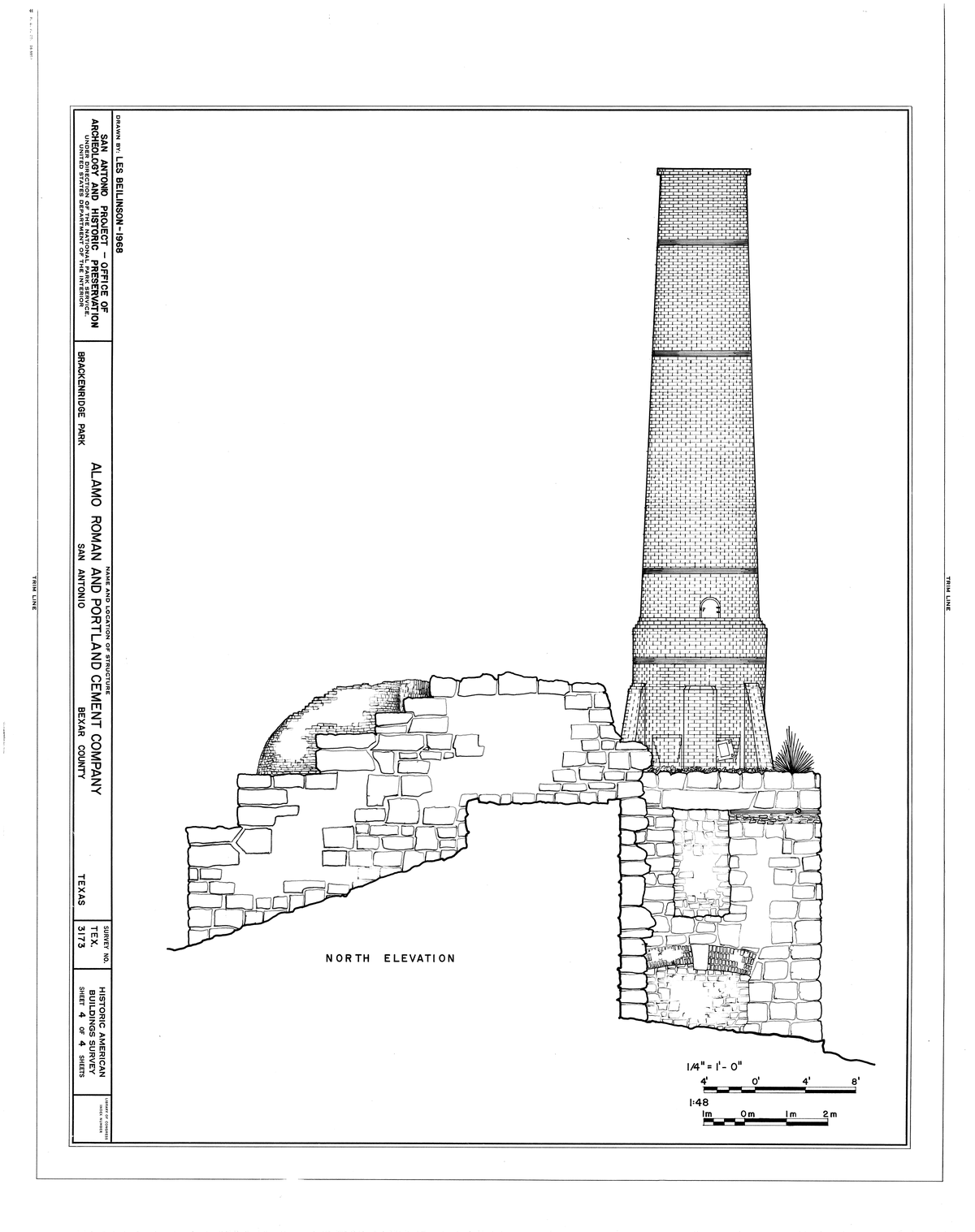
The original cement plant’s smokestack and kilns are preserved within Brackenridge Park, recognized as a Texas Historic Landmark and listed on the National Register of Historic Places (Waymarking.com; National Park Service). The site is celebrated for its technological innovations and community contributions, such as scholarship funds established from the company’s estate, which have supported thousands of local students (TSHA Online).
Visiting the Site
Hours and Ticketing
- General Hours Most outdoor remnants are accessible daily within Brackenridge Park and the Japanese Tea Garden from 7:00 AM to 10:00 PM.
- Historic Landmark Area The stabilized kilns and smokestack are generally open Tuesday through Sunday, 9:00 AM to 5:00 PM. Closed Mondays and major holidays.
- Admission Exploring outdoor structures is free. Guided tours or special programs may require tickets, usually $5 for adults and $3 for children under 12 (Visit San Antonio).
- Timed Entry Some nearby attractions, such as the Alamo Church, require timed tickets (The Alamo Official Website).
Accessibility
- The site features paved paths and ramps for wheelchair accessibility.
- Some historic areas may have uneven terrain; contact the Office of Historic Preservation for up-to-date accessibility details.
- Parking includes accessible spaces; overflow parking is available during events.
Guided Tours and Events
- Guided Tours Offered on select weekends and during heritage festivals; advanced booking is recommended.
- Educational Programs Workshops, demonstrations, and seasonal events provide hands-on learning about cement production and preservation.
- Interpretive Signage Panels throughout the site explain the history, technology, and regional significance.
Amenities and Travel Tips
- Restrooms Portable restrooms during events; permanent facilities nearby in Brackenridge Park.
- Food Cafés, especially in the new Visitor Center (opening in 2027), and nearby eateries.
- Gift Shop Features books and souvenirs celebrating the site’s industrial legacy.
- Safety Wear sturdy shoes and stay on marked paths; certain areas are restricted for safety.
Nearby Attractions
- Japanese Tea Garden Created from the original quarry, now a lush, tranquil destination (San Antonio Parks & Recreation).
- Brackenridge Park Offers trails, picnic areas, and the San Antonio Zoo.
- Alamo Mission and Alamo Plaza Explore the iconic mission along with interpretive exhibits about the cement works (The Alamo Official Website).
- Downtown San Antonio The River Walk, Briscoe Western Art Museum, San Fernando Cathedral, and the Historic Pearl District are all within a short distance.
Top Photo Spots
- Capture the preserved smokestack and kilns in early morning or late afternoon light.
- The Japanese Tea Garden and Sunken Garden Theater offer unique backdrops for photos.
Frequently Asked Questions (FAQ)
Q: What are the visiting hours?
A: Outdoor structures are accessible daily from 7:00 AM to 10:00 PM. Guided tour areas are open Tuesday through Sunday, 9:00 AM to 5:00 PM.
Q: Is there an admission fee?
A: General access is free. Guided tours or special programs may require tickets.
Q: Is the site wheelchair accessible?
A: Yes, most areas have paved paths and ramps, but some uneven terrain exists.
Q: Are guided tours available?
A: Yes, on select days; check with the San Antonio Conservation Society or the Visit San Antonio website for schedules.
Q: What are some nearby attractions?
A: Japanese Tea Garden, Brackenridge Park, San Antonio Zoo, River Walk, and the Alamo Mission.
Q: Can I take photographs?
A: Yes, but remain on marked paths and respect safety barriers.
Summary and Visitor Tips
The Alamo Portland and Roman Cement Works is more than an industrial relic—it is a testament to San Antonio’s evolution, Texas’s industrialization, and the enduring spirit of innovation. The preserved site, now a vibrant heritage destination, offers immersive experiences for history lovers, families, and cultural tourists. Combine your visit with nearby attractions for a full day of exploration.
Visitor Tips:
- Visit in the morning or late afternoon for cooler weather and optimal lighting.
- Wear comfortable shoes; bring water.
- Use the Audiala mobile app for self-guided tours and exclusive content.
- Check official websites for the latest events, hours, and accessibility information.
For more details and planning resources, visit the official sites listed below.