Place
United States of America Updated Apr 2026
The first thing that hits you in San Antonio is the smell of masa frying at 9 a.m. while a recorded bugle call echoes off 300-year-old limestone walls. This city, where over 90 percent of the population is Hispanic, treats the United States of America like a loose suggestion rather than a rigid identity. The result feels less like Texas and more like a bilingual republic that simply never told Washington it was leaving.
 Photo: DJ Williams / Pexels
Built from cited sources · see the method · How we make our guides →
Walk the River Walk at dusk and the water carries both the scent of river mud and the sound of three different languages arguing over whose grandmother makes better enchiladas. The Alamo itself sits so modestly at street level you could miss it if not for the line of visitors clutching Phil Collins artifacts like holy relics. Yet those same visitors will later stand slack-jawed before the nightly Saga projection on San Fernando Cathedral, watching 300 years of complicated history painted in light across its 1731 facade.
The city moves at its own pace, which is to say it refuses to be hurried. You can spend an afternoon watching light shift across the Maverick-Carter House's Richardsonian Romanesque details or nursing a cocktail at Hopscotch while interactive installations slowly rewrite the walls around you. Either way, San Antonio doesn't sell you Texas bravado. It hands you something quieter and far more interesting: proof that three cultures can occupy the same sidewalk without anyone having to disappear.
Not every monument, just the ones we'd walk you past ourselves.


Where to wander, by quarter — each with its own rhythm.
Before you go
Curated from places in this city. Same price as official sites.


Prices shown are indicative — final pricing and availability are confirmed at checkout. Audiala may receive a commission from bookings made via these links.
From Spanish mission to Texan soul
Coahuiltecan-speaking Payaya people moved through the thorn scrub and clear springs of Yanaguana for centuries. They hunted, gathered, and left behind only faint traces. Spanish maps would soon rename their river and erase their claim.
Governor Martín de Alarcón founded Mission San Antonio de Valero and Presidio de Béxar on the banks of the San Antonio River. The first adobe walls rose under relentless sun. Within months the mission held soldiers, priests, and a handful of indigenous converts who smelled of mesquite smoke.
Spanish governor and frontier captain who marched north from Coahuila with thirty soldiers and seven families. He chose the river crossing that became San Antonio. Without his stubborn logistics the city simply never exists.
Sixteen families from the Canary Islands arrived after an exhausting year-long trek. They founded the civil villa of San Fernando de Béxar beside the presidio. Their stone houses and stubborn independence would define the town’s character for generations.
Canary Islander stonecutters finished the parish church that still stands on Main Plaza. Its façade caught the afternoon light like bleached bone. For the next two centuries baptisms, weddings, and revolutions would echo off those same walls.
Father Juan Bautista de las Casas seized the presidio in the name of Mexican independence. His rebellion lasted exactly 39 days. Royalist troops dragged him out, executed him in the plaza, and left his head on a pike as warning.
On August 18 royalist forces under General Arredondo met 1,400 republican troops on the dusty plain south of town. The battle lasted barely two hours. Nearly every rebel died. Blood soaked the prairie so deeply locals still call it the field where the grass never grew back right.
Texian volunteers under Benjamin Rush Milam stormed the town in December cold. Street fighting lasted five days. Mexican General Cos surrendered inside the Alamo compound itself. The victory lasted exactly ten weeks.
Kentucky-born soldier who led the assault on San Antonio with the cry “Who will go with old Ben Milam?” Shot through the head on December 7 while scouting near the Veramendi house. His death became legend before his body cooled.
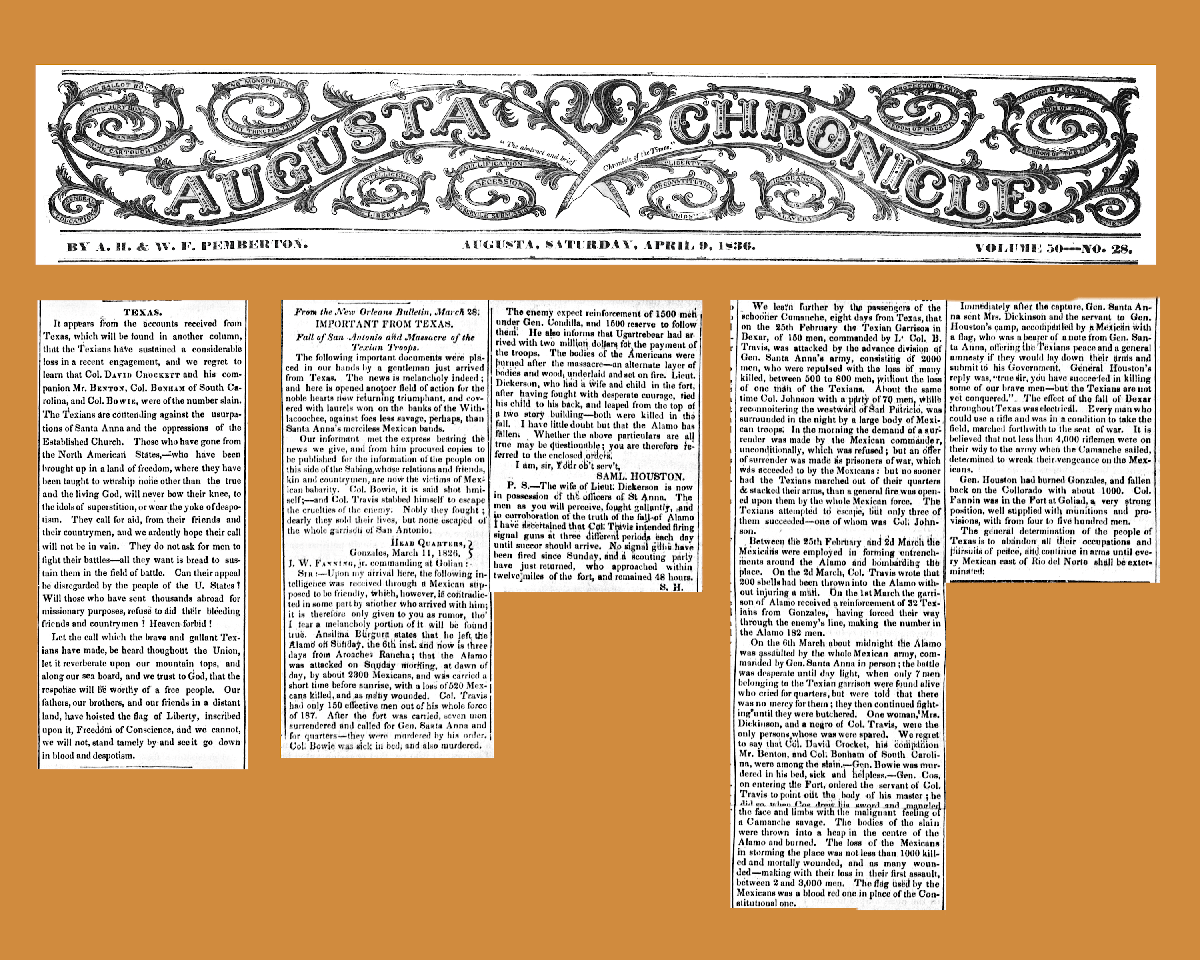
Santa Anna’s army arrived in February. For thirteen days 189 Texian defenders held the old mission against 1,800 Mexican troops. On March 6 the final assault began at 5 a.m. By sunrise the compound fell silent except for the groans of the dying and the smell of powder and blood.
Mexican general and president who ordered the Alamo attacked without quarter. He slept in a luxurious tent within earshot of the gunfire. His cruelty here forged the rallying cry that carried Sam Houston to victory at San Jacinto.
The red granite Romanesque courthouse rose four stories above the plaza. Its clock tower still chimes on the quarter hour. Locals immediately began calling it “the most beautiful building in Texas,” then spent the next century arguing about it.
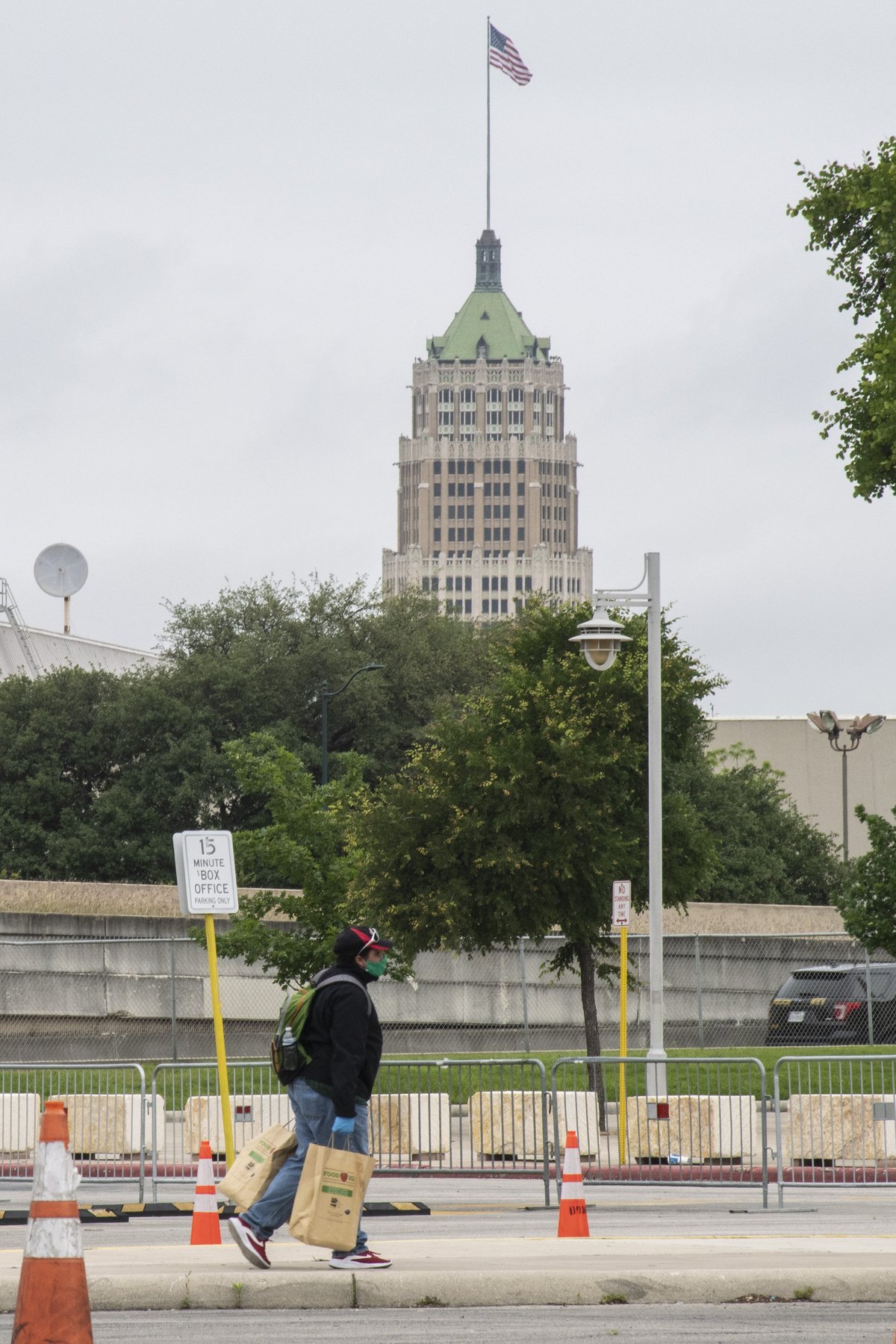
The 18-story neo-Gothic skyscraper became the tallest structure south of Dallas. Doctors and dentists moved into its marble corridors. Today it stands as the Emily Morgan Hotel, still wearing its original terra-cotta crown.
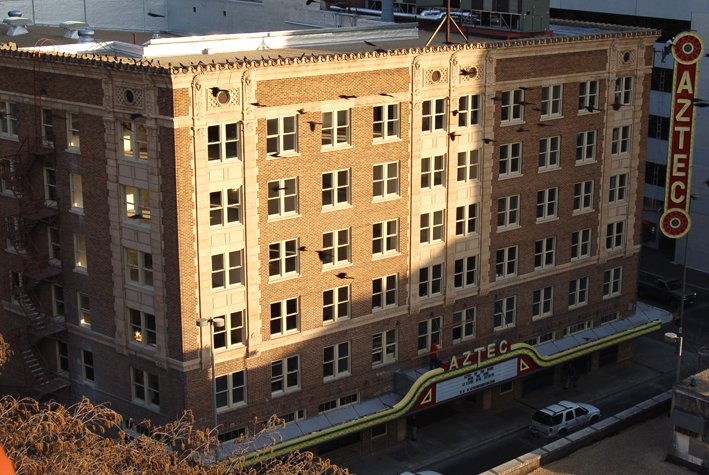
The atmospheric theater opened with plaster birds, twinkling stars, and a ceiling that pretended to be the night sky. Vaudeville acts and silent films played to packed houses. The building still smells of old velvet and popcorn.
The future creator of Percy Jackson entered the world in this city of layered histories. He would later set novels here that weave Greek gods into San Antonio streets. The city’s habit of hiding old stories under new ones clearly left its mark.
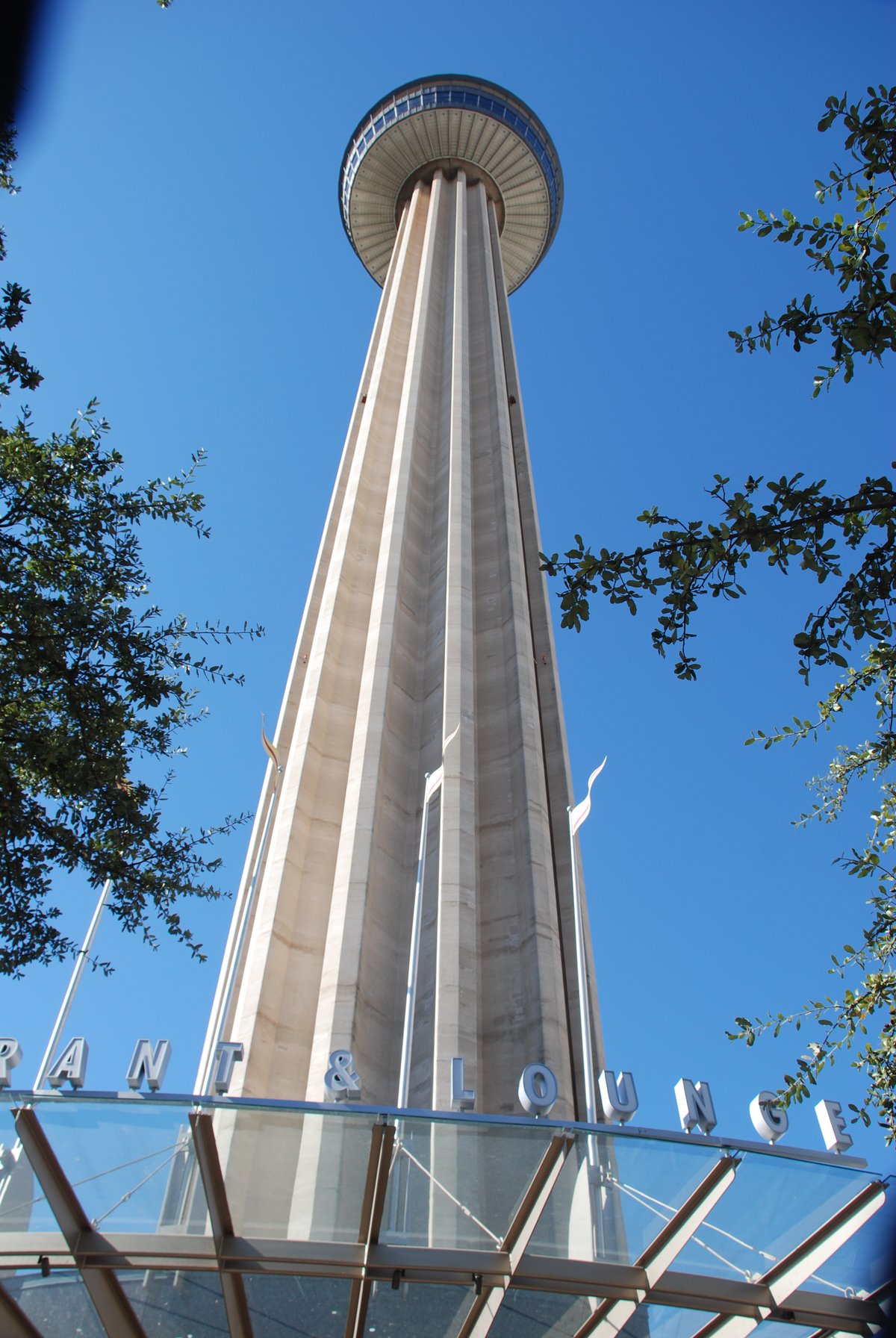
The world’s fair celebrated the city’s 250th birthday. Tower of the Americas shot 750 feet into the sky. Entire neighborhoods were bulldozed to make room. The fair left concrete legacies and bitter memories in equal measure.
Born in a working-class neighborhood, Rodriguez attended St. Anthony High School before remaking cinema with homemade grit. He shot his first feature on the streets of San Antonio for $7,000. The city still appears in his films like a recurring character.
The four 18th-century missions south of downtown joined the Alamo as a single World Heritage listing. For the first time the Coahuiltecan story received international recognition alongside the Spanish one. The bells still ring every morning.
Film director · born 1968
Born and raised in San Antonio
Rodriguez shot his first feature on the streets around his childhood home using a borrowed camera and sheer stubbornness. The success of El Mariachi let him build a studio right here. Walk through Southtown today and you can still feel the DIY energy he turned into a career.
34th President of the United States · 1890–1969
Stationed at Fort Sam Houston in 1916
As a young lieutenant, Eisenhower lived in San Antonio and met his future wife Mamie at a local party. The military town shaped the disciplined leader who later planned D-Day. The city still carries the faint echo of boots on parade grounds.
Spanish governor and explorer · 1665–1730
Founded San Antonio in 1718
Alarcón marched north from Mexico with 72 people and established the presidio and Mission San Antonio de Valero on the banks of the river. Without him there is no Alamo, no River Walk, no argument about whose city this really is.
Poet and playwright · 1854–1900
Lectured here in 1882
Wilde stayed at a downtown hotel and delivered a talk on decorative art to an audience that probably expected something more cowboy. He left convinced Texans had better taste than New Yorkers. The city still enjoys reminding visitors of that.
Where locals actually book dinner — not the tourist menus.
Small things that change how the city treats you.
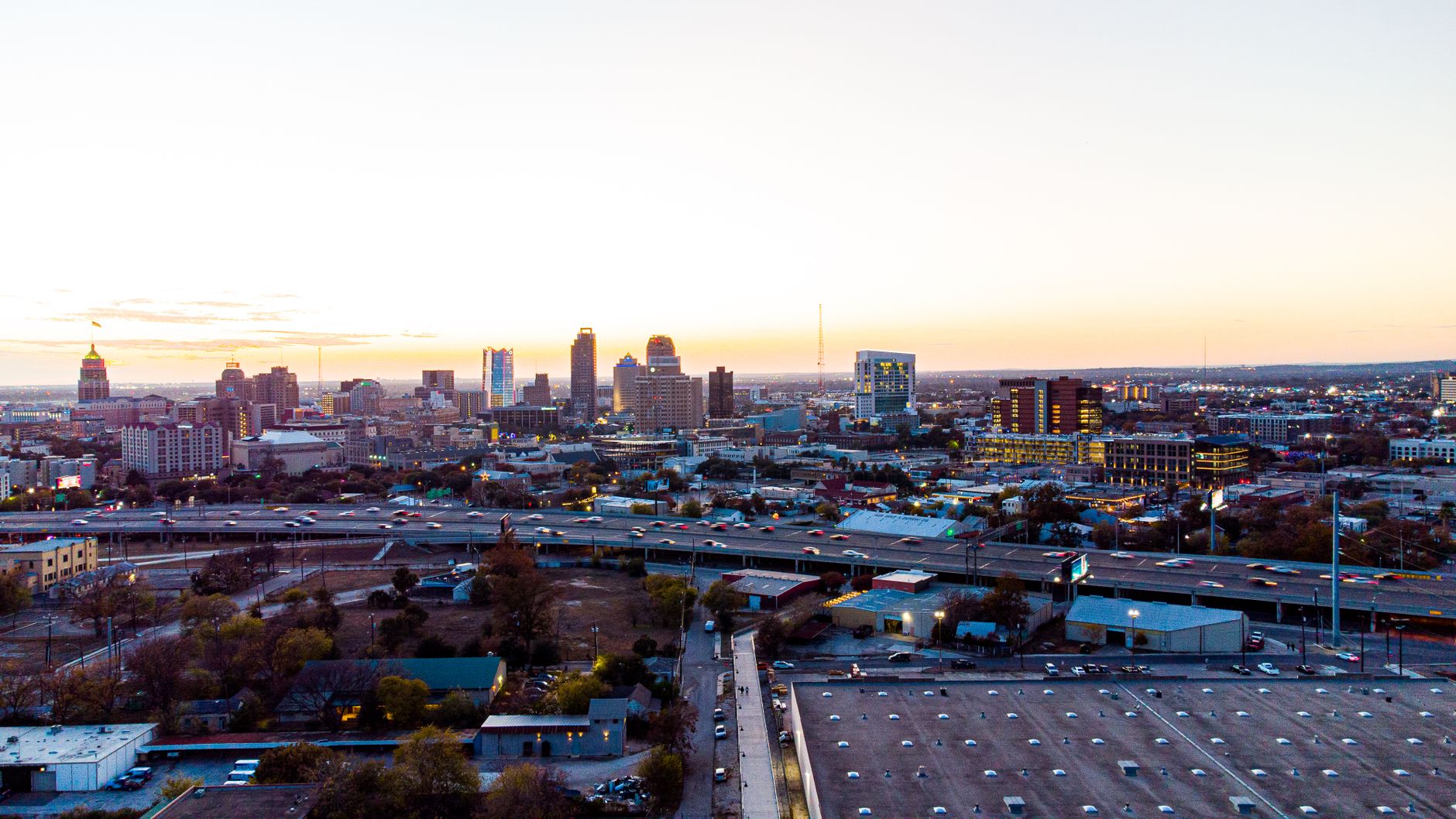
The city, as it actually looks.

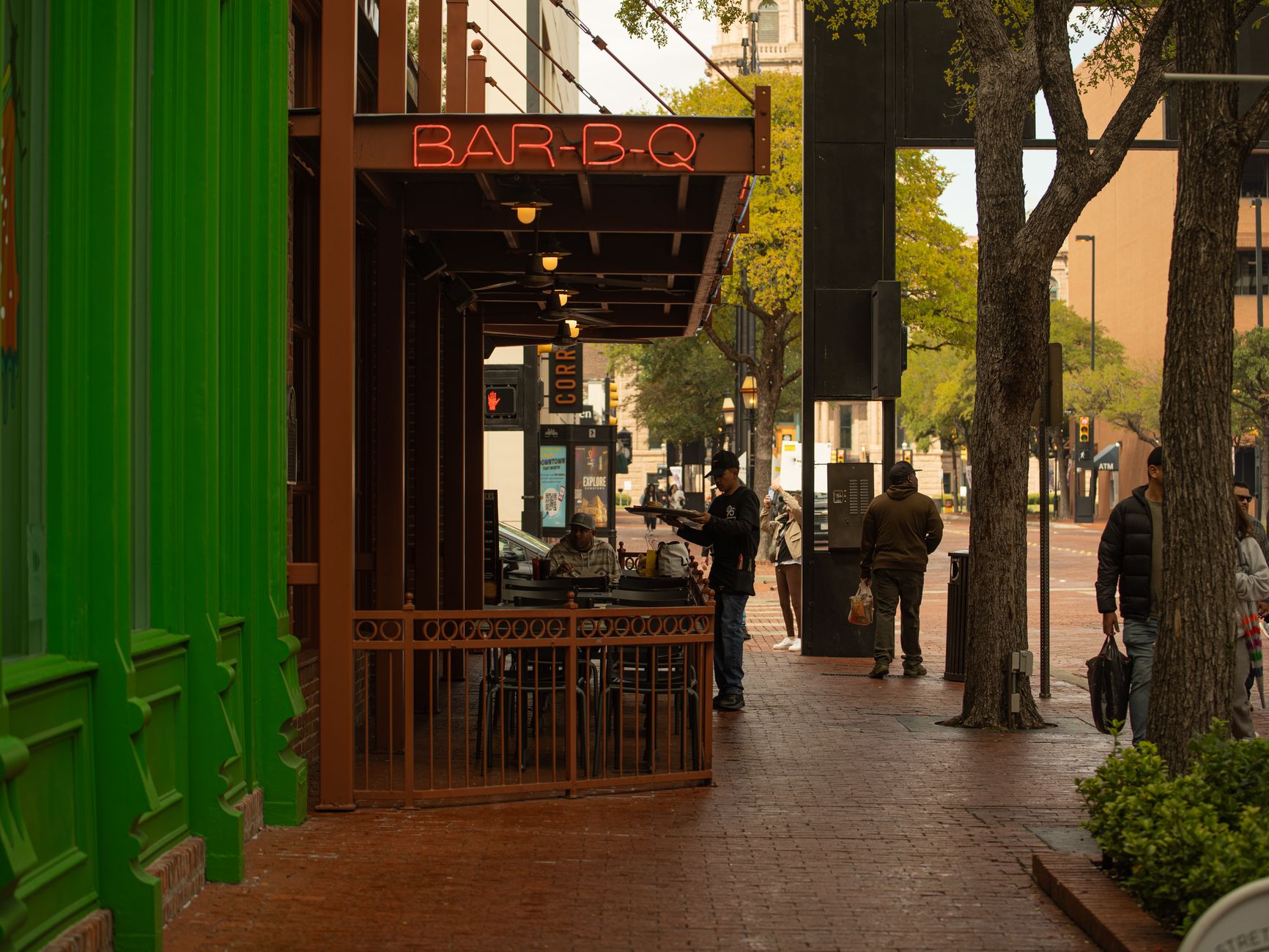


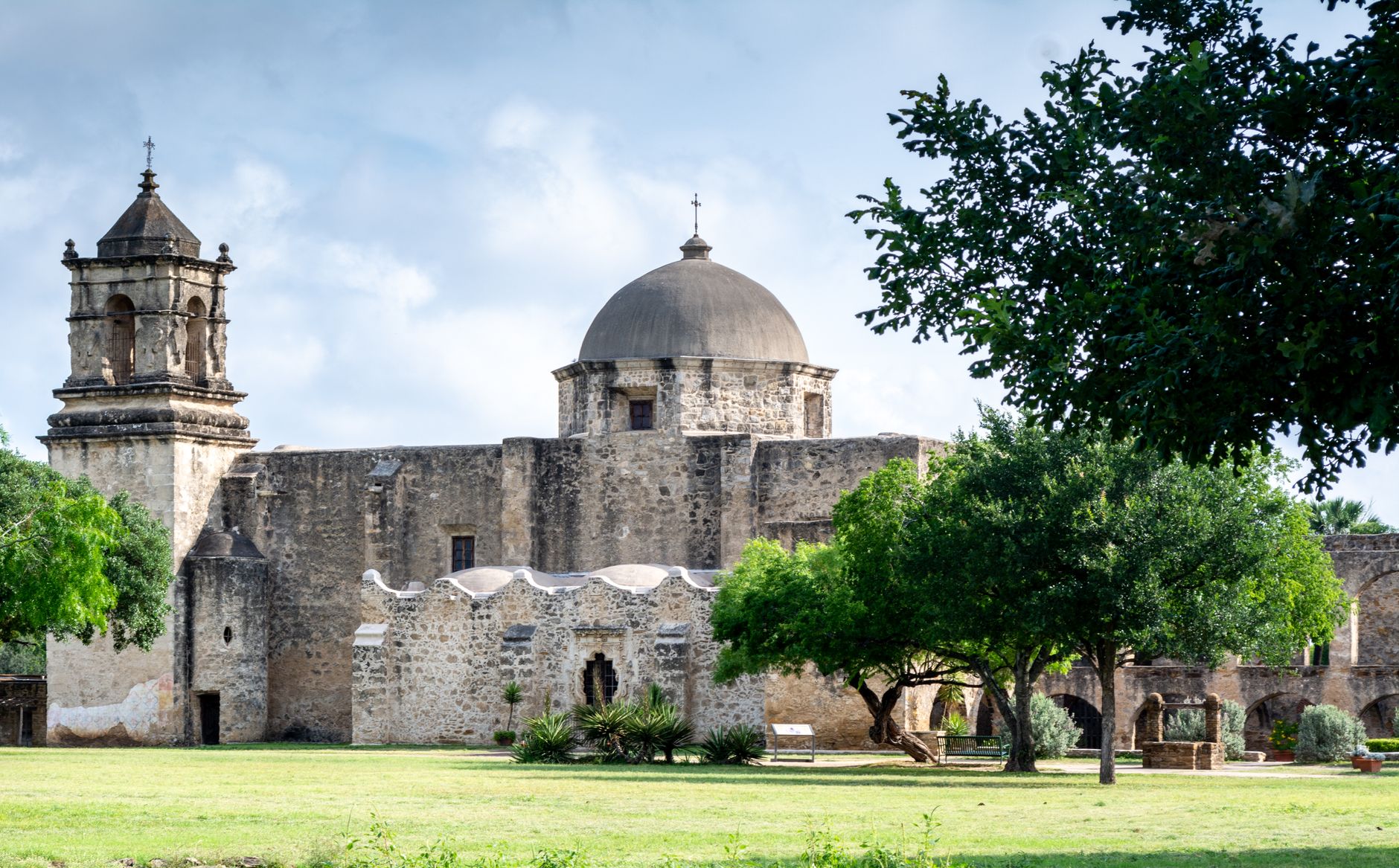

Yes, especially if you want a city that feels like three cultures arguing in the best possible way. The Alamo, five UNESCO missions, and the River Walk sit within easy walking distance, yet the place still moves at its own pace. Over 90 percent of residents are Hispanic; that influence shows up in the food, the festivals, and the light show on the cathedral.
Three days covers the Alamo, River Walk, Pearl District, and at least two missions. Four or five days lets you add the full Missions Trail by bike, a day trip to Fredericksburg, and time to linger at Hopscotch with a cocktail. Any less and you will only skim the surface.
Take VIA Route 5 bus from the arrivals level for $1.30. The ride takes 30 minutes. Skip airport taxis; rideshares or the $2.75 day pass work better once you reach the city.
The River Walk, Pearl District, Market Square, and Alamo are well-patrolled and safe at night. Use normal city sense after dark, avoid the Greyhound station area, and ask your hotel concierge before heading elsewhere.
April during Fiesta San Antonio brings parades, oyster bakes, and street parties from the 16th to the 26th. Spring and fall offer milder temperatures than the humid summers that hit 95 °F.
Puffy tacos originated here. Mi Tierra in Market Square and Pico de Gallo serve the real versions along with proper enchiladas and fajitas. During Fiesta, try chicken on a stick and elote from the street vendors.
142 places to discover
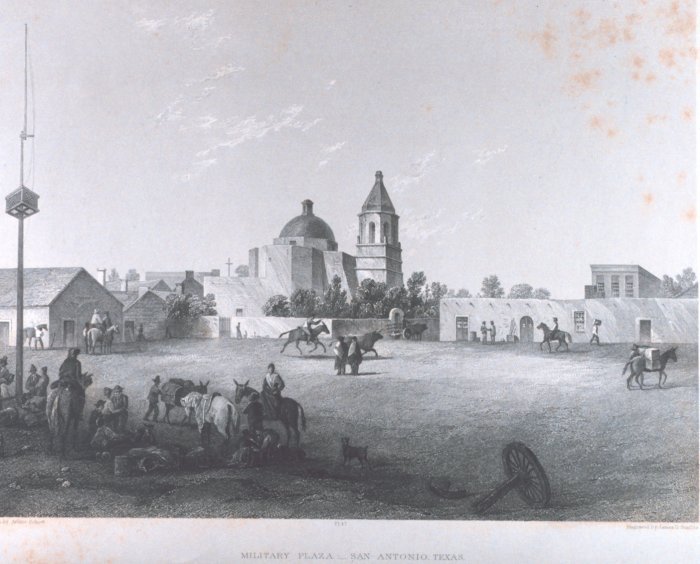







Showing 1–48 of 142 places
Saved and recently read places — kept on this device only.
Photos may have been resized or cropped.