History and Significance
Origins and Early Development
The State Archives of North Carolina traces its roots to 1903, when the North Carolina Historical Commission was created by the General Assembly to “collect, edit and publish valuable documents elucidating the history of the State” (archives.ncdcr.gov). It was the third such agency in the United States, following Alabama and Mississippi (Wikipedia). Early leadership, including R. D. W. Connor—the first Archivist of the United States—helped shape the field of state archival management.
Institutional Expansion
Over the decades, the Archives evolved to encompass records management for state and local government agencies, preservation of artifacts, and stewardship of historic sites (dncr.nc.gov). Since 2012, the Archives has operated under the North Carolina Department of Natural & Cultural Resources, reflecting its dual mission: preserving historical records and supporting government transparency (Wikipedia).
Planning Your Visit
Location, Hours, and Admission
- Address 109 East Jones Street, Raleigh, NC 27601
- Hours Monday–Friday, 8:00 AM–5:00 PM (closed weekends and state holidays)
- Admission Free; no tickets required (State Archives Visiting Information)
Check the official website for updates on closures or special hours.
Accessibility
The Archives is ADA-compliant, featuring ramps, elevators, accessible restrooms, and designated parking. Service animals are welcome. For sensory needs, the facility offers well-lit spaces and staff assistance; noise-canceling headphones are recommended due to ongoing construction (NC Department of Natural and Cultural Resources). Contact the Archives in advance for specific accommodations.
Security and Registration
All visitors must sign in at the front desk and present a valid photo ID. First-time researchers complete a brief registration and orientation. Lockers are provided for personal belongings, and bag checks may be conducted (State Archives Visitor Policies).
Research Room Experience
Orientation and Staff Assistance
Knowledgeable staff provide orientation, research guidance, and assistance with locating materials. Archivists are available to answer questions and interpret historical documents (Records Management for New Clerks).
Accessing and Handling Materials
- Request items via call slips after consulting the online catalog.
- Use pencils only; gloves may be required for fragile items.
- Food, drinks, and personal scanners are not permitted.
- Non-flash photography is allowed with staff approval, subject to copyright (Copyright and Use Policies).
Guided Tours and Special Events
- Guided Tours Available by appointment for individuals and groups.
- Workshops and Public Programs Includes lectures, disaster preparedness, and records management training (Records Management Workshops).
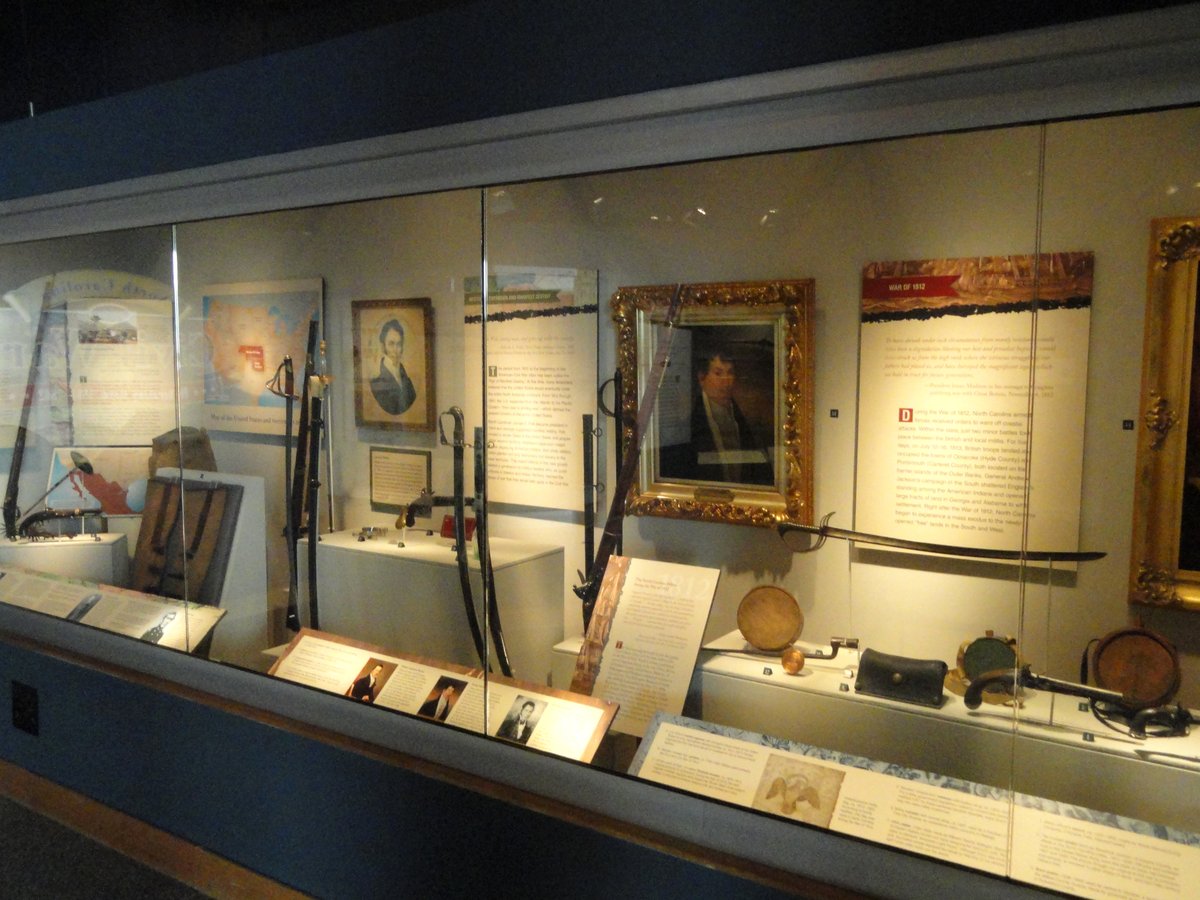
- Rotating Exhibits Highlight significant documents and themes in North Carolina history.
Visitor Tips
- Plan Ahead Use the online catalog to identify materials and request access.
- Bring ID Required for registration.
- Pack Light Only essentials allowed in research areas; use provided lockers.
- Allow Time Material retrieval may take time; plan for a full day for extensive research.
- Respect Preservation Rules Handle documents carefully and follow staff instructions.
- Dress Comfortably Due to ongoing HVAC repairs, the building may be warmer.
Amenities and Nearby Attractions
- Amenities Accessible restrooms, complimentary lockers, water fountains, free public Wi-Fi. No onsite café; downtown Raleigh offers diverse dining options.
- Nearby Historical Sites
- North Carolina Museum of History
- North Carolina State Capitol
- Historic Oakwood Neighborhood
- Raleigh City Museum
(Raleigh historical sites)
Photography and Copyright
- Non-flash photography permitted for research with staff approval.
- Written permission required for commercial/publication use.
- Reproduction services available for a fee; researchers are responsible for legal permissions (Copyright and Use Policies).
Safety and Preparedness
The facility is equipped with modern fire suppression and security systems. Staff are trained in emergency preparedness and will provide guidance in the event of an emergency (Disaster Preparedness Workshops).
Frequently Asked Questions (FAQ)
Q: What are the visiting hours of the State Archives?
A: Monday–Friday, 8:00 AM–5:00 PM. Check the official website for updates.
Q: Is there an admission fee or are tickets required?
A: No, admission is free; no tickets required.
Q: Are guided tours available?
A: Yes, by appointment.
Q: Is the facility accessible for individuals with disabilities?
A: Yes, the facility is fully ADA-compliant.
Q: Can I photograph archival materials?
A: Yes, with staff approval and in accordance with copyright policies.
Q: Are there regional centers?
A: Yes, in Manteo (Outer Banks History Center) and Asheville (Western Regional Archives).
Q: Can I access collections online?
A: Yes, through MARS and the North Carolina Digital Collections portal.
Discover More
The State Archives of North Carolina is a cornerstone for historical research, government transparency, and public education. With extensive collections, accessible facilities, and a knowledgeable staff, the Archives invites you to discover, explore, and connect with North Carolina’s history. Plan your visit today—check the official State Archives website, use digital resources for remote research, and consider participating in community initiatives like TranscribeNC.
Enhance your experience by downloading the Audiala app for guided tours and interactive maps of North Carolina’s cultural institutions. Stay informed by following the State Archives on social media and subscribing to newsletters for news and upcoming events.
Internal Links
- Top Raleigh Historical Sites to Visit
- Guide to Researching North Carolina Genealogy
- Upcoming Cultural Events in Raleigh