

Visiting Information
Hours of Operation:
- Tuesday–Sunday 10:00 AM – 5:00 PM
- Closed Mondays and major holidays
- For the most current schedules, visit the official hours page.
Admission:
- General Admission Free for all visitors
- Special Exhibits & Experiences Some, such as the WRAL 3D Theater and select temporary exhibitions, may require a ticket or additional fee.
- Purchase tickets for special events and theater shows online or at the museum. See ticket details.
Accessibility:
- Fully ADA compliant, with wheelchairs, assistive listening devices, elevators, ramps, and accessible restrooms.
- Sensory maps and trained staff are available to support visitors with special needs.
Parking:
- Paid parking lots and garages are located nearby.
- Free parking is available on weekends, but spaces fill quickly during peak times.
- Consider public transit or rideshare services for convenience.
For more visitor information, consult the museum’s official guide.
Getting There & Nearby Attractions
Address: 11 West Jones Street, Raleigh, NC 27601
The museum is centrally located, making it accessible by car, public transit, or bicycle. Its downtown position places it close to other Raleigh landmarks:
- North Carolina State Capitol
- Raleigh City Museum
- Historic Oakwood Neighborhood
- Contemporary Art Museum
Maximize your day by exploring multiple cultural sites in the area.
Museum History
Founding and Early Development
Established in the late 19th century as part of the North Carolina Geological Survey, the museum initially focused on cataloging the state’s minerals, plants, and animals. By the early 20th century, its mission expanded to include zoology, botany, and paleontology, with contributions from state expeditions and university partnerships.
Growth and Modernization
The mid-20th century brought increased public interest and educational reforms, prompting significant expansion. The museum was renamed the North Carolina State Museum of Natural Sciences in 1986, reflecting its statewide role. Interactive, hands-on learning became a hallmark of the institution.
Downtown Raleigh Campus
Major renovations and the opening of the new downtown campus solidified NCMNS as a leader in science education. The flagship Nature Research Center, launched in 2012, features open laboratories and live scientist presentations, connecting research directly to the public.
Collections & Educational Impact
NCMNS houses over 1.7 million specimens, including:
- Fossils, meteorites, and minerals
- Amphibians, reptiles, birds, fish, mammals, and invertebrates
- Extensive plant collections
These resources underpin global scientific research and support robust educational programming. The museum reaches tens of thousands of students annually through workshops, field trips, virtual learning, and community events.
Museum Layout & Highlights
Nature Exploration Center (NEC)
Spread across four floors connected by pedestrian bridges to the Nature Research Center:
- First Floor
- North Carolina Natural Treasures — Lifelike dioramas of the state’s wildlife
- Coastal North Carolina Overlook — Blue whale skeleton centerpiece
- Museum Store, WRAL 3D Theater (The Glovetrotters)
- Second Floor
- Mountains to the Sea — Immersive ecosystem diorama
- Discovery Room for hands-on exploration
- Third Floor
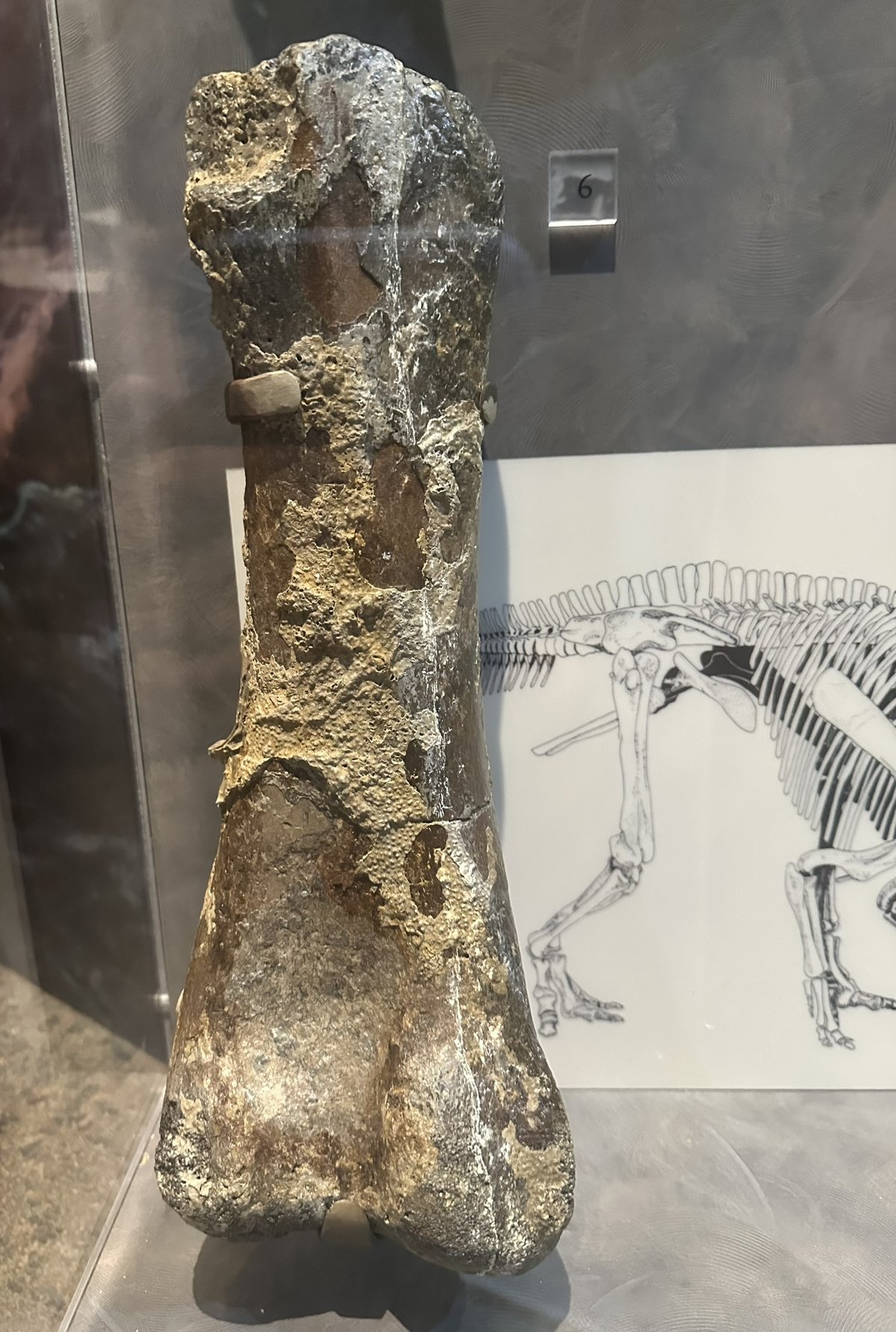
- Prehistoric North Carolina — Dinosaur fossils and skeletons
- Snakes of North Carolina — All 37 native species, safely displayed
- Fourth Floor
- Arthropod Zoo — Live insects and educational demonstrations
- Living Conservatory (seasonal), Acro Café
Nature Research Center (NRC)
- First Floor
- SECU Daily Planet Theater (three-story globe for multimedia presentations)
- Life-size Stumpy the Right Whale, 8,000-gallon aquarium, DinoStore & More, Daily Planet Café
- Second Floor
- Biodiversity Lab, Naturalist Center, Weather and Meteorology exhibits
- Third Floor
- Investigate Lab (hands-on science), VisLab (virtual reality), Unraveling DNA genetics exhibit
- Fourth Floor
- Research offices and labs (limited public access)
Navigation: Pedestrian bridges and elevators connect all buildings and floors. Floor maps are available at entrances and online (virtual museum tour).
Special Exhibitions & Events
-
Blue Whales: Return of the Giants
Opening June 21, 2025, this major exhibition explores blue whale biology and conservation through life-sized models and interactive displays (NC Department of Natural and Cultural Resources). -
Annual African American Cultural Celebration
Held each January to launch Black History Month, this festival features performances, storytelling, and hands-on activities. The 24th annual event takes place on January 25, 2025, from 10:30 a.m. to 4:30 p.m., with free admission (Triangle on the Cheap). -
Guided Tours & Programs
Docent-led tours and educational workshops are available; check the events calendar for schedules.
Satellite & Outdoor Facilities
-
Prairie Ridge Ecostation
A 45-acre outdoor facility in west Raleigh with trails, wildlife observation, and environmental education (NC Department of Natural and Cultural Resources). -
Whiteville, Greenville, and Grifton Locations
Satellite centers offer regional exhibits, trails, and hands-on science opportunities, further extending the museum’s reach.
Visitor FAQs
Q: What are the museum’s hours?
A: Tuesday–Sunday, 10:00 AM–5:00 PM; closed Mondays and major holidays.
Q: Is there an admission fee?
A: General admission is free; some special exhibits and theaters require tickets.
Q: Is the museum accessible?
A: Yes, with elevators, ramps, accessible restrooms, and staff trained to assist visitors.
Q: Where can I park?
A: Paid parking is available nearby; free on weekends. Arrive early during peak times.
Q: Are guided tours available?
A: Yes, including school and group programs by reservation.
Q: Are there special events or rotating exhibitions?
A: Yes, check the official website for current details.
Plan Your Visit & Next Steps
The North Carolina Museum of Natural Sciences offers a memorable, accessible experience for visitors of all ages. To get the most from your visit:
- Review current hours and ticket information on the official NCMNS website.
- Download the Audiala app for audio guides, exclusive digital content, and planning resources.
- Follow NCMNS on social media for the latest news and event updates.
- Explore related articles on Raleigh Historical Sites and Family Activities in Raleigh to plan a full day of discovery.
Take advantage of virtual tours and digital media for a preview of exhibits and programs. Don’t forget to visit the Museum Store and Acro Café, and allow time for interactive activities and live demonstrations during your visit.