Plan and listen to North Carolina Executive Mansion with Audiala.
Audio guide in your pocket, itinerary in your browser. Built for the way you actually visit.
Introduction
Nestled in Raleigh’s historic Burke Square, the North Carolina Executive Mansion stands as an enduring symbol of the state’s political legacy, architectural elegance, and cultural vitality. Serving as the official residence for North Carolina’s governors since 1891, the mansion is a striking Queen Anne-style landmark renowned for its handcrafted brickwork, soaring ninety-foot central hall, and ornate woodwork—much of it crafted by inmates from Central Prison. More than a home, the mansion is a venue for civic events, community celebrations, and a living museum that welcomes thousands of visitors each year.
This comprehensive guide details everything you need to plan your visit, including current visiting hours, ticketing procedures, accessibility, architectural and artistic highlights, nearby attractions, and expert travel tips. For the most up-to-date information or to reserve your tour, consult the official North Carolina Department of Natural and Cultural Resources website and VisitRaleigh.
Located at 200 N. Blount Street, the North Carolina Executive Mansion is a must-see for anyone interested in history, architecture, or civic tradition. As the residence of every North Carolina governor since its completion, the mansion is both a working state home and a showcase of the state’s cultural richness.
Visiting Hours & Ticket Information
- Public Tours: Offered seasonally, generally from Tuesday through Saturday, 10:00 AM to 4:00 PM.
- Ticketing: Admission is free, but advance reservations are required. Reserve your spot at least two weeks before your visit, especially during popular spring and holiday seasons. Book via the official website or call the Capitol Area Visitors Center at (919) 807-7950.
- Group Tours: Arrangements for school groups, scouts, and special interest organizations are available by appointment.
Visiting hours and tour availability may vary due to official events or seasonal schedules; always confirm before your visit.
Accessibility and Amenities
- Wheelchair Access: The mansion is accessible, with ramps and elevators to main public areas. Some historic rooms have limited access due to preservation.
- Service Animals: Welcome throughout the property.
- Restrooms & Water Fountains: Available on-site.
- Photography: Permitted in most public areas; flash and tripods are discouraged to protect interiors.
- Assistance: Staff and volunteers are available to accommodate specific needs; advance notice is recommended.
Directions & Parking
- Address: 200 N. Blount St., Raleigh, NC 27601
- Parking: Limited street parking is available nearby; public garages and paid lots are also accessible within walking distance. Arrive early during peak seasons or events.
- Public Transit: Served by multiple bus lines; downtown Raleigh is pedestrian-friendly.
Highlights of the Mansion Tour
On your guided tour, you’ll encounter:
- The magnificent ninety-foot central hall with 16-foot ceilings and intricate woodwork.
- Wraparound verandahs in the Eastlake style and the mansion’s distinctive turret.
- The grand staircase with heart pine balusters, carved oak leaves, and acorn finials.
- Lavishly decorated public rooms: the Green and Pink Parlors, Ballroom, Library, and Dining Room.
- Seasonal displays, such as extravagant holiday decorations and spring garden blooms.
Expert guides share stories about the mansion’s construction, former residents, and its role in state history.
Nearby Raleigh Attractions
Enhance your visit with these nearby sites:
- Historic Oakwood Neighborhood: Stroll among 19th-century homes and tree-lined streets.
- North Carolina Museum of History: Extensive exhibits on the state’s past.
- North Carolina Museum of Natural Sciences: Interactive and family-friendly.
- North Carolina State Capitol: A Greek Revival gem from 1840.
- Pullen Park: Historic amusement park with a carousel and playgrounds.
For more ideas, see VisitRaleigh’s listing.
Frequently Asked Questions (FAQ)
What are the Executive Mansion’s visiting hours?
Generally Tuesday–Saturday, 10:00 AM–4:00 PM. Check here for current hours.
Is admission free?
Yes, but advance reservations are required.
Are guided tours mandatory?
Yes, all public visits are guided for a richer experience.
Is the mansion accessible?
Most public areas are wheelchair accessible.
Can I take photos inside?
Photography is allowed in most areas; flash and tripods are not.
How do I book tickets?
Reserve online or call the Visitors Center. Group bookings require advance notice.
Mansion History & Architecture
Construction & Style
- Built: 1883–1891, using bricks handmade by Central Prison inmates—some bricks bear their signatures (Wikipedia).
- Architects: Samuel Sloan (original design) and Adolphus Gustavus Bauer (completion).
- Style: Queen Anne with Victorian, Greek Revival, and Italianate influences.
- Features: Asymmetrical façade, decorative brickwork, elaborate woodwork, and a prominent turret.
Historic Designations
- Raleigh Historic Landmark
- National Register of Historic Places (since 1970)
Guided Tours & Special Events
- Public Tours: Seasonal, with knowledgeable guides sharing stories of past governors and architectural details.
- Holiday Open House: The mansion is lavishly decorated for the winter season, offering a festive atmosphere.
- Educational Programs: Special tours and activities for students and family groups.
- Art Exhibitions & Community Events: Regularly hosted on the mansion grounds.
Artistic and Cultural Legacy
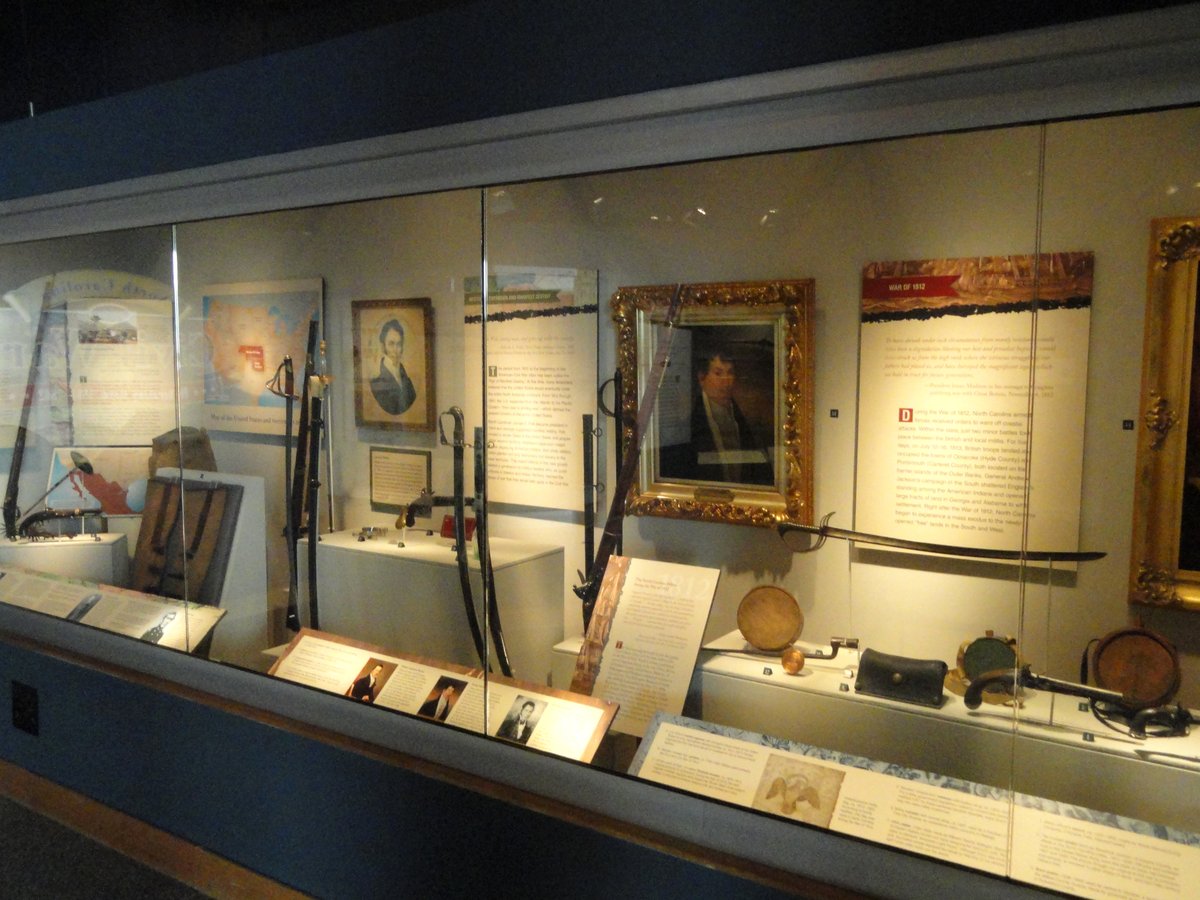
- Fine Arts Collection: Managed by the Executive Mansion Fine Arts Committee, featuring portraits, local landscapes, antique clocks, and North Carolina ceramics (NC Historic Sites).
- Signature Carpets and Textiles: Custom designs with state symbols.
- Period Furnishings: Victorian and reproduction pieces, Chinese Chippendale chairs, gilded mirrors, and crystal chandeliers.
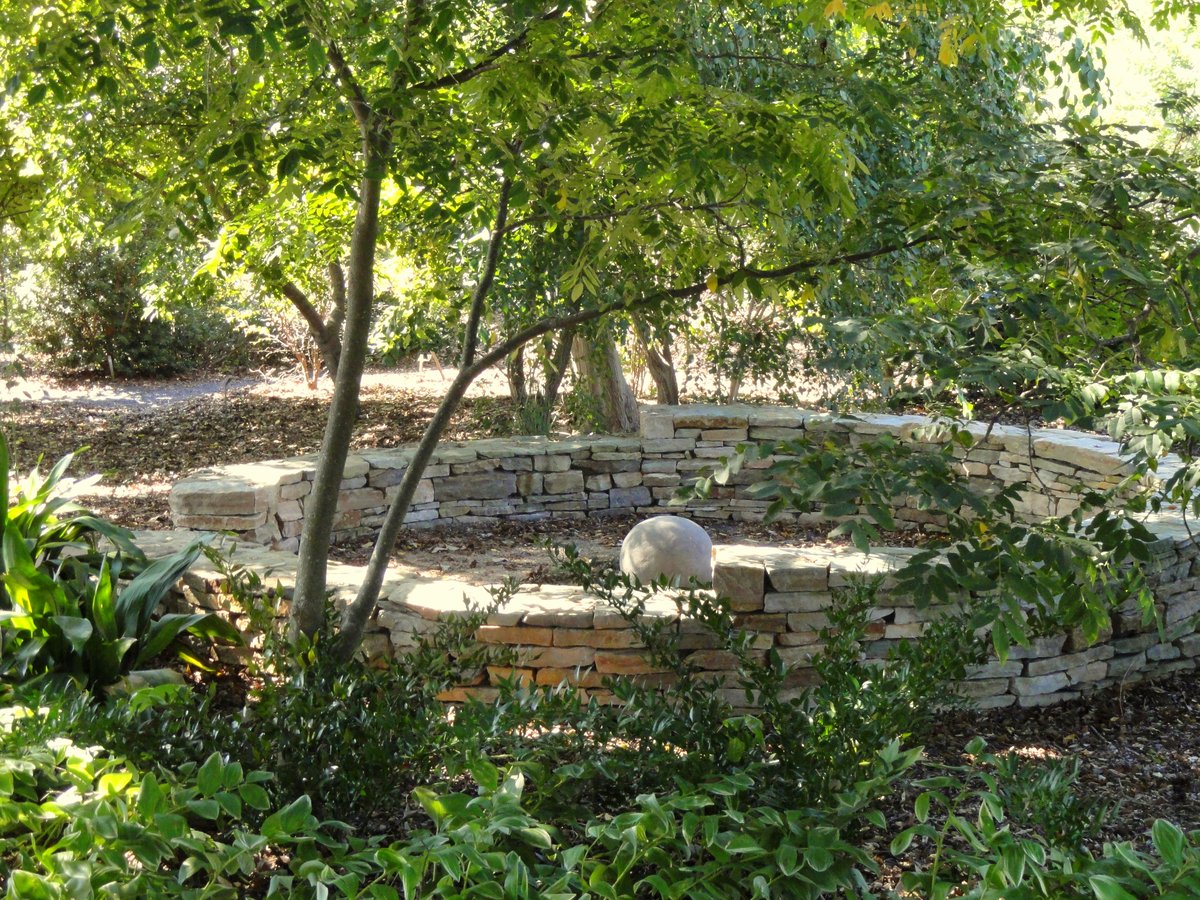
- Gardens: Formal beds, native plants, statues, and fountains developed under various First Ladies.
Preservation & Adaptive Use
Ongoing restoration ensures the mansion balances historical integrity with modern needs, guided by the Fine Arts Committee and the Secretary of Cultural Resources. The mansion’s dual role as a private residence and a site of state hospitality is a model of adaptive use.
Legends and Folklore
Stories of ghostly apparitions, including Governor Daniel Gould Fowle—the first resident—add intrigue. The mansion is a favorite feature of local ghost tours and Raleigh legends.
Travel Tips & Best Visiting Times
- Best Seasons: Spring (for garden blooms) and winter holidays (for decorations).
- Crowd Avoidance: Visit on weekdays or mornings.
- Preparation: Book well in advance and check for any special events or closures.
Seasonal Events
- Spring Garden Tours: Enjoy vibrant blooms and landscaping.
- Holiday Open Houses: See the mansion decked in festive décor.
- Community Events: Art shows, lectures, and receptions throughout the year.
Photo Gallery


Plan Your Visit & Stay Connected
- Confirm tour schedules and policies at the official NC DNCR site.
- Book tickets early, especially for spring and holiday events.
- Download the Audiala app for guided audio tours and augmented reality experiences.
- Follow us on social media for updates, tips, and exclusive content.
For more on Raleigh’s top attractions, visit our Raleigh historical sites and North Carolina museums pages.
Listen to the full story in the app
The whole North Carolina Executive Mansion,
told well.
Audio guides for 1,100+ cities across 96 countries. History, stories, and local insight — offline ready.

Verified, and shown.
Researched and written by the Audiala editorial team from historical records, architectural archives, and local expertise.
Researched from Wikidata, Wikipedia & official sources · fact-checked · How we make our guides →