Plan and listen to Westmoreland Park with Audiala.
Audio guide in your pocket, itinerary in your browser. Built for the way you actually visit.
Introduction: Discovering Westmoreland Park
Westmoreland Park, located in Southeast Portland, Oregon, is a vibrant urban oasis that seamlessly blends ecological restoration, a rich history, and a diverse array of recreational opportunities. Established in the 1930s, the park originated from farmland and even briefly served as Broomfield Aviation Field, named for World War I pilot Hugh Broomfield. The park’s development was propelled by New Deal-era Works Progress Administration (WPA) efforts, transforming utilitarian land into a beloved public space featuring Crystal Springs Creek, sports fields, picnic areas, and a pioneering model yacht basin. Over the decades, Westmoreland Park has emerged as a leader in environmental stewardship and community engagement, including major restoration projects focused on salmon habitats and wetlands.
Today, Westmoreland Park offers free daily access from dawn to midnight and features Portland’s first permanent nature-based playground, accessible paved paths, and a variety of sports and community amenities. The park is a hub for cultural events, such as the Ukrainian Day festival and Portland’s Summer Free For All. Located near the Sellwood-Moreland neighborhood, the park is also close to attractions like the Crystal Springs Rhododendron Garden and Eastmoreland Golf Course, making it a must-visit for residents and visitors alike.
This guide provides a comprehensive overview of Westmoreland Park’s history, amenities, and practical visitor information, along with tips for exploring nearby historical sites. For official updates and further resources, please visit the Portland Parks & Recreation Westmoreland Park page and the Community Progress project page.
Early Land Use and Aviation Era
The area now known as Westmoreland Park began as farmland in the mid-19th century, reflecting Portland’s early growth. In the early 20th century, the land served as a dairy and brickyard before its brief transformation into Broomfield Aviation Field in 1919, honoring Hugh Broomfield, Oregon’s only aerial combat casualty in World War I (OregonLive). The aviation field played a key role in Portland’s early aviation history but was abandoned by 1921 as interest waned.
Transition to Park Development
After the aviation period, there were considerations to develop municipal golf links on the site, but by the mid-1930s, community advocacy and city planning shifted focus toward creating a public park. In 1936, the city purchased the land, and architect Francis B. Jacobberger designed the park to showcase Crystal Springs Creek and provide multiple recreational facilities, including sports fields and a model yacht basin (Living New Deal).
WPA Construction and Postwar Growth
The park’s transformation was made possible by the WPA, which supplied funding and labor from 1936 onward. The fly-casting pool, constructed by hand, brought national attention to the park when it hosted the International Casting Competition in 1936. WPA crews completed additional amenities, including ball fields, bridges, and a rustic clubhouse, with a notable investment during the Great Depression (Living New Deal). The postwar period saw the addition of Scavone Field, lawn bowling, and expanded recreational offerings (OregonLive).
Ecological Restoration and Modern Features
A key aspect of the park’s evolution has been its ecological restoration. Between 2006 and 2014, a major project revitalized Crystal Springs Creek—removing barriers to salmon migration, restoring native vegetation, and reshaping the creek to support wildlife (Community Progress). The park also introduced Portland’s first nature-based play area, featuring natural materials and unstructured play to foster creativity and environmental awareness (Playgrounds Near Me).
Cultural Significance and Community Events
Westmoreland Park remains a vital community hub, hosting the annual Ukrainian Day festival (Ukrainian Day), Portland’s “Summer Free For All” program (Portland Parks & Recreation), and the Royal Rosarian Milk Carton Boat Race (Wikipedia). Its inclusive design and programming foster a strong sense of neighborhood identity and civic pride.
Visitor Information
Hours, Admission, and Accessibility
- Park Hours: Open daily from 5:00 a.m. to midnight (Portland Parks & Recreation).
- Admission: Free; no tickets required.
- Accessibility: ADA-accessible trails, restrooms, playgrounds, and picnic areas throughout the park.
Getting There and Parking
- Location: Southeast Portland, near SE 22nd Ave and SE McLoughlin Blvd.
- By Car: Free parking lot available; additional street parking nearby (Pacer).
- By Public Transit: Served by TriMet bus routes; check current schedules for stops.
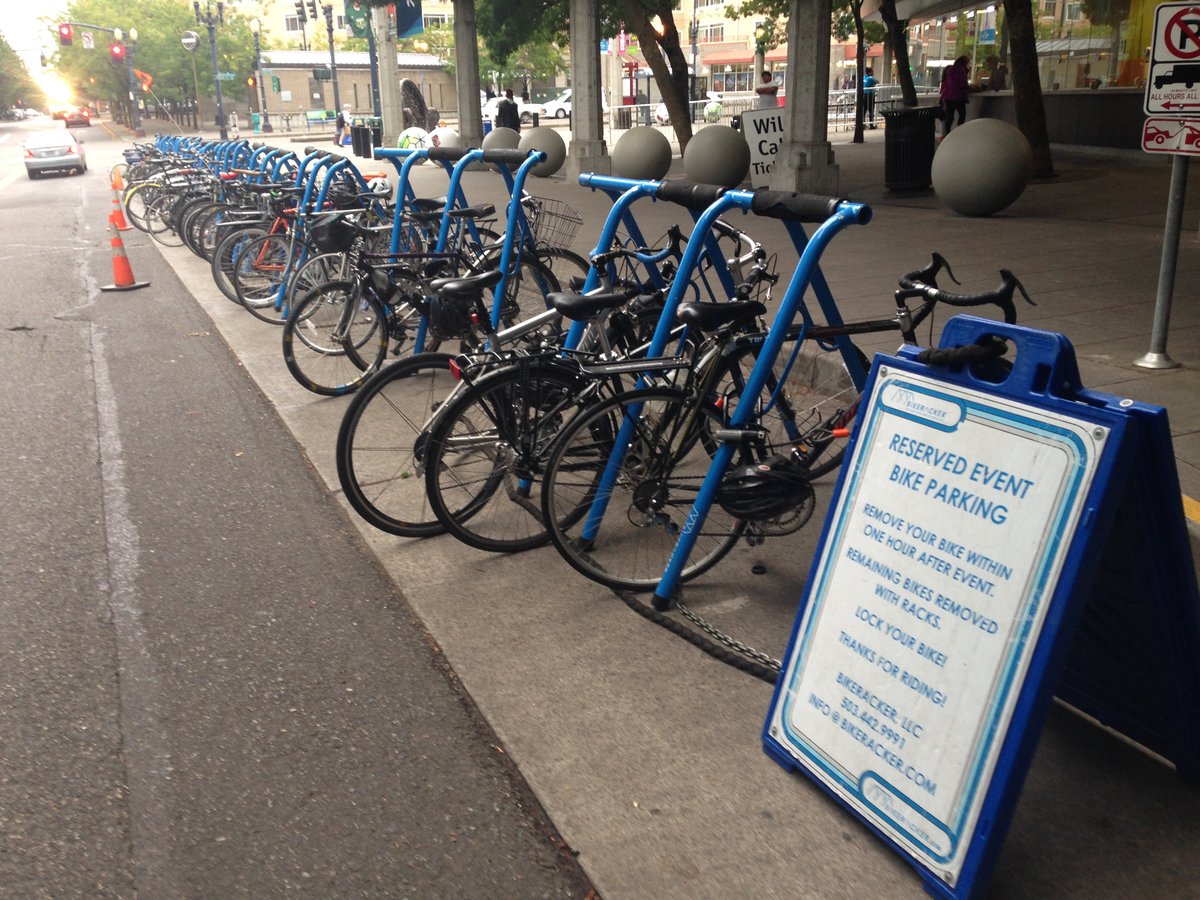
- By Bike: Bike racks provided; park connects to the Springwater Corridor Trail (Travel Portland).
Facilities and Amenities
- Nature-Based Playground: Innovative play area using logs, boulders, and natural features (Portland Parks & Recreation).
- Sports Fields: Baseball/softball, soccer, tennis, basketball, boule, and bowls courts.
- Trails: 1.3-mile loop trail for walking, jogging, and cycling (Pacer).
- Picnic Areas: Shaded tables and open lawns; some areas reservable (official reservation page).
- Restrooms & Drinking Fountains: Modern, ADA-compliant facilities.
- Wildlife and Creek Access: Boardwalks and restored habitats for birdwatching and relaxation.
- Events: Seasonal festivals, community gatherings, and educational programs.
Nearby Attractions
- Crystal Springs Rhododendron Garden: 2,500+ rhododendrons and azaleas, peak bloom late winter–June (Travel Portland).
- Sellwood Riverfront Park: River access, trails, and picnic spots.
- Oaks Amusement Park: Historic amusement park with rides and games.
- Sellwood-Moreland neighborhood: Shops, cafes, vintage theaters (Stay in the Happy Place).
Special Events and Guided Tours
- Royal Rosarian Milk Carton Boat Race: Annual summer event in the casting pond (Wikipedia).
- Movies in the Park & Music in the Park: Summer entertainment series.
- Guided Nature Walks: Occasionally led by community groups or Portland Parks staff.
- Educational Programs: Interpretive signage and school group activities.
Frequently Asked Questions (FAQ)
Q: What are Westmoreland Park’s current hours?
A: Open daily from 5:00 a.m. to midnight.
Q: Is there an entrance fee or tickets required?
A: No, the park is free to enter and use.
Q: Is the park accessible for people with disabilities?
A: Yes, ADA-accessible paths, restrooms, playgrounds, and picnic areas are available.
Q: Are pets allowed?
A: Yes, dogs must be leashed and owners must clean up after them.
Q: Can I reserve picnic areas?
A: Yes, via phone or the official reservation page.
Q: Is parking available?
A: Yes, free lot and street parking are available.
Q: Are there special events?
A: Yes, check the Portland Parks & Recreation events page for current listings.
Visitor Tips and Best Times to Visit
- Best Time to Visit: Spring and early summer for floral displays and wildlife activity.
- Photography: Crystal Springs Creek, restored wetlands, and the playground are ideal spots.
- What to Bring: Comfortable shoes, weather-appropriate gear, picnic supplies, and binoculars for birdwatching.
- Food & Drink: No on-site vendors; nearby Sellwood-Moreland neighborhood offers dining options.
- Weather: Expect rain in fall, winter, and spring; check forecasts before visiting.
- Events: Arrive early for parking on busy event days.
Listen to the full story in the app
The whole Westmoreland Park,
told well.
Audio guides for 1,100+ cities across 96 countries. History, stories, and local insight — offline ready.

Verified, and shown.
Researched and written by the Audiala editorial team from historical records, architectural archives, and local expertise.
Researched from Wikidata, Wikipedia & official sources · fact-checked · How we make our guides →