Plan and listen to Urban Hydrology with Audiala.
Audio guide in your pocket, itinerary in your browser. Built for the way you actually visit.
Introduction to Portland Historical Sites and Visitor Information
Portland, Oregon, is a city where water shapes both its landscape and its legacy. From the Willamette River’s banks to hidden underground streams and pioneering green infrastructure projects, Portland’s urban hydrology is integral to its story. This detailed visitor’s guide unpacks how water defines the city’s history, sustainability, and community experiences—from the dramatic 1948 Vanport Flood to today’s green streets and bioswales (Hidden Hydrology).
Travelers and locals alike can explore a rich array of sites: functional green infrastructure in the Pearl District, the expansive Smith and Bybee Wetlands, and the beloved waterfront parks like Tom McCall Waterfront Park and Eastbank Esplanade. These places not only manage stormwater and restore habitats but also offer engaging public spaces enhanced by educational signage and environmental art (portland.gov).
Historic water landmarks—such as Skidmore Fountain, the Benson Bubblers, and Old Town Chinatown’s waterfront—provide windows into Portland’s early commercial and social life. The Portland Japanese Garden, nestled within Washington Park, further enriches the experience with tranquil landscapes symbolizing harmony with nature and water (Travel Portland; Portland Japanese Garden).
Whether your interests are historical, environmental, or simply exploratory, Portland’s urban hydrology offers a unique lens on urban life, resilience, and innovation. This guide delivers essential information on visiting hours, ticketing, travel logistics, recommended tours, and key events—ensuring you make the most of your visit to the City of Roses. For further insight into Portland’s sustainable water initiatives and planning resources, see Urban Green Blue Grids and the EWRG Symposium.
Visiting the Portland Japanese Garden: Hours, Tickets, History, and Travel Tips
Introduction
The Portland Japanese Garden, located in Washington Park, is celebrated as one of the world’s most authentic Japanese gardens outside Japan. It offers a peaceful escape with exquisite landscaping, traditional architecture, and immersive cultural programming—making it a must-see for any visitor.
About the Portland Japanese Garden
Founded in 1963, the 12-acre garden features five distinct styles, including the Strolling Pond, Tea, and Sand and Stone Gardens. Designed to foster harmony and tranquility, the garden hosts seasonal events, workshops, and exhibitions that deepen appreciation for Japanese cultural aesthetics (Portland Japanese Garden).
Visiting Hours and Tickets
- Hours: Open daily, 10:00 AM–6:00 PM (last admission 5:30 PM). Hours may vary seasonally; confirm on the official website.
- Tickets: Adults $20, seniors (65+) and students $17, youth (6–17) $13, children under 6 free. Discounts for Portland residents and military.
- Purchase: Advance online ticketing is recommended to avoid lines during peak seasons (official ticket link).
Getting There
- Address: 611 SW Kingston Ave, Portland, OR 97205 (inside Washington Park).
- Public Transit: Accessible via TriMet bus lines 63 and 20, and the Washington Park MAX Light Rail station (TriMet).
- Parking: Limited at Washington Park; arrive early or use public transit, particularly on weekends.
Guided Tours and Special Events
- Docent-Led Tours: Daily, included with admission. These tours provide historical context and highlight garden features.
- Workshops & Events: Tea ceremonies, ikebana classes, and cultural festivals are offered throughout the year.
- Photography: Early visits offer the best light and fewer crowds; personal photography is welcome, though tripods and commercial shoots need prior approval.
Accessibility
The garden is wheelchair accessible with paved paths and ramps. Contact staff in advance for special assistance.
Nearby Attractions
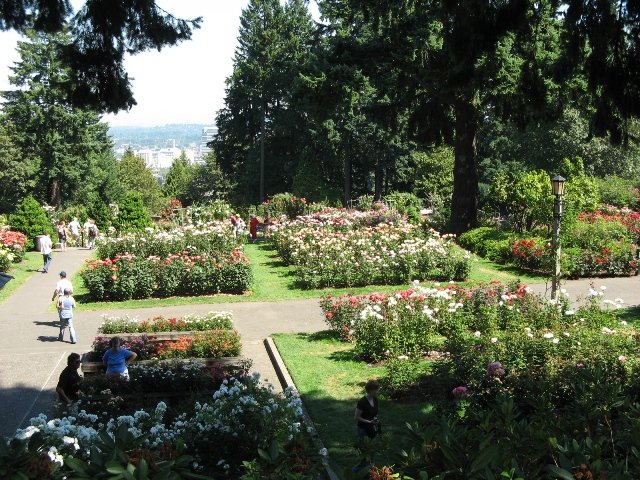
Explore other Washington Park sites: the Oregon Zoo, International Rose Test Garden, and Hoyt Arboretum—all perfect for family outings and nature walks (Travel Portland).
Tips for Visitors
- Best Seasons: Spring for cherry blossoms; autumn for stunning foliage.
- Essentials: Comfortable shoes, a camera, and weather-appropriate attire.
- Dining: The Umami Café inside the garden provides Japanese-inspired snacks and drinks.
FAQ
Are pets allowed? Only service animals are permitted.
Can I buy tickets at the entrance? Yes, but online advance purchase is highly recommended during busy times.
Is photography allowed? Personal photos are welcome; tripods/commercial shoots require permission.
Are group tours available? Yes, for groups of 10+ with advance booking.
Plan Your Visit
For current events, hours, and ticketing, visit the official site. Don’t miss this serene Portland highlight!
Image Suggestions:
- Moon Bridge at Portland Japanese Garden (alt: “Moon Bridge at Portland Japanese Garden”)
- Cherry blossoms in Strolling Pond Garden (alt: “Spring cherry blossoms at Portland Japanese Garden”)
- Guided tour group (alt: “Visitors on a guided tour at Portland Japanese Garden”)
Official Portland Japanese Garden website
TriMet public transit
Travel Portland’s Washington Park guide
Discover Portland’s Historic Water Landmarks
Water has been central to Portland’s development and culture. Explore these iconic sites for a deeper understanding of the city’s past and present connections to water.
Skidmore Fountain
- Location: NW Old Town Chinatown, SW Ankeny St & NW 1st Ave
- Hours: Open daily, 24/7
- Admission: Free
Built in 1888, this is Portland’s oldest public fountain. Once a source of drinking water for people and animals, today it’s a scenic spot surrounded by historic architecture and bustling restaurants.
Tips: Visit during daylight for best photography; bike racks and limited street parking nearby. Public transit is convenient.
Old Town Chinatown & Shanghai Tunnels
- Location: Downtown along the Willamette River
- Highlights: Historic buildings, Shanghai Tunnel tours, eateries
Explore the historic waterfront district and take guided tours of the Shanghai Tunnels—underground passageways that illuminate Portland’s early commercial history.
Visiting Info: Tours run Thursday–Sunday, tickets $20–$30. Book online in advance.
Nearby: Portland Saturday Market (weekends), art galleries, and riverside strolls.
Benson Bubblers
- Locations: 52 bronze drinking fountains, mostly downtown
- Hours: 24/7
- Admission: Free
These early 20th-century bronze fountains are functional art—and a Portland tradition. Bring a reusable bottle and enjoy fresh water as you explore the city.
Accessibility: Most are wheelchair accessible and centrally located.
Getting There & Accessibility
Most landmarks are easily reached by public transit, bike, or on foot. Public parking is available but limited; transit or rideshare is often easier, especially during peak times.
Nearby Attractions
- Tom McCall Waterfront Park: Waterfront walks and festivals.
- Portland Saturday Market: Local crafts and food on weekends.
- Portland Art Museum: A short walk from historic sites.
Special Events & Tours
Seasonal guided walks, heritage tours, and eco-tours are available. Check local tourism websites for current schedules.
Photo Opportunities
- Skidmore Fountain at sunrise/sunset with historic backdrops
- Urban bioswales and green streets near Old Town
- Detail shots of Benson Bubblers
FAQ
Are Skidmore Fountain and Benson Bubblers free to visit? Yes.
Can I tour the Shanghai Tunnels? Yes, with advance booking.
Is parking available? Yes, but it’s limited. Consider public transit.
Are these sites wheelchair accessible? Most outdoor landmarks are; check tunnel tour accessibility in advance.
Introduction: Why Portland’s Urban Hydrology Matters
Portland’s relationship with water is fundamental to its identity, resilience, and sustainability. Hidden waterways and visible green infrastructure shape the city’s urban fabric, inviting residents and visitors to discover how water influences daily life and future planning.
Historical Context of Urban Hydrology in Portland
Founded along the Willamette River, Portland’s growth was shaped by its waterways. As the city expanded, streams and wetlands were buried—a phenomenon now known as “hidden hydrology” (Hidden Hydrology). The 1948 Vanport Flood—a pivotal event—destroyed Oregon’s second-largest city and deeply impacted local communities, particularly communities of color.
Evolution of Sustainable Urban Hydrology Practices
Since the 1970s, Portland has been a national leader in sustainable water management. The city’s stormwater program, launched in the 1990s, aims to reduce flooding, control pollution, and protect groundwater (Urban Green Blue Grids). Initiatives include:
- Permeable pavement for rainwater infiltration
- Green infrastructure: bioswales, rain gardens, green roofs
- Community programs: rain barrel incentives, green roof subsidies
- Smart growth: integrating hydrology with urban development
Notable Urban Hydrology Sites and Experiences
- Green Streets and Bioswales: Found citywide, especially in Pearl District and downtown. Free, accessible year-round (Urban Green Blue Grids).
- Portland State University Ecoroofs: Notable for extensive green roofs; public access during campus hours.
- Tanner Creek Interpretive Walks: Guided walks reveal hidden waterways; check schedules for availability.
- Vanport Mosaic Events: Annual commemorations and installations focused on Vanport’s story.
- Sustainable Stormwater Symposium: Biennial event at OMSI with tours and workshops. Details at EWRG Symposium.
Visitor Tips for Exploring Urban Hydrology
- Best Seasons: Fall and winter rains activate hydrological features.
- Tours: Join city-sponsored guided bike or walking tours or use downloadable self-guided maps.
- Respect the Environment: Stay on paths and avoid disturbing plantings.
- Local Art: Look for murals and installations that tell Portland’s water stories.
Frequently Asked Questions (FAQ)
What is urban hydrology?
It’s the study of how water moves through cities—natural streams, stormwater, and infrastructure.
Where can I see green infrastructure?
Bioswales, rain gardens, and green roofs are visible in downtown, the Pearl District, and at PSU.
Are there tours?
Yes; guided and self-guided options are available.
When is the best time to visit?
Rainy seasons (fall/winter) highlight hydrological features, but sites are open year-round.
Are sites free?
Most outdoor features are free; some events and tours require tickets.
Green Infrastructure and Urban Hydrology: Visiting Hours, Tours, and Historical Sites
Portland’s dedication to green infrastructure is evident in its riverfront parks, rain gardens, and restored wetlands. Explore the following highlights:
Willamette River & Waterfront Parks
Tom McCall Waterfront Park
- Hours: 5 AM–midnight
- Admission: Free
- Access: MAX Light Rail, bike, or bus
A showcase for riverfront reclamation, featuring bioswales, rain gardens, and interpretive signage (portland.gov).
Eastbank Esplanade
- Hours: 5 AM–11 PM
- Admission: Free
- Access: MAX Light Rail, bike, or foot
Features permeable trails and native plantings, with river history interpretive panels.
Green Streets and Bioswales
- SW 12th Avenue Green Street: A corridor with vegetated curb extensions and explanatory signage.
- Mississippi Avenue Bioswales: Integrated into the commercial streetscape, featuring native plants (Turf Magazine).
Experience: Walk or bike through neighborhoods; join a self-guided or city-led tour. Volunteer opportunities available for those interested (portland.gov).
Rain Gardens and Community Spaces
Crystal Springs Rhododendron Garden
- Hours: 7 AM–9 PM
- Admission: Free
- Access: TriMet buses 17, 19
This botanical garden demonstrates rain garden design, supporting the health of Crystal Springs Creek (Reddit).
Neighborhood Rain Gardens:
Self-guided walking tours available; check portland.gov.
Smith and Bybee Wetlands Natural Area
- Hours: Sunrise–sunset
- Admission: Free
- Access: Bike or TriMet bus 44
One of the nation’s largest urban wetlands, this area demonstrates flood control and water purification, with trails and wildlife viewing platforms (Reddit).
Mt. Tabor Park and Urban Watersheds
- Hours: 5 AM–10 PM
- Admission: Free
- Access: TriMet lines 4, 11, or bike
Historic open reservoirs and interpretive panels tell the story of Portland’s water infrastructure (Reddit).
Hidden Hydrology: Lost Streams and Urban Memory
Tanner Creek & Tanner Springs Park:
A symbolic “daylighting” of Tanner Creek, featuring wetlands, boardwalks, and interpretive displays (Hidden Hydrology).
Vanport Flood Site:
Now Delta Park and the Columbia Slough, with memorials and signage about the 1948 disaster.
Innovative Green Infrastructure Projects
Zidell Yards Redevelopment:
A 33-acre riverfront site with green roofs, bioretention, and wetlands (EPA).
Brooklyn Creek Basin Program:
Home to the country’s first “green main street,” managing over a million gallons of stormwater annually (NRDC).
Visitor Tips for Green Infrastructure Exploration
- Best Time: Spring and fall, when rain activates hydrological features.
- Accessibility: Most sites are wheelchair accessible (portland.gov).
- Transportation: Use TriMet, bike-share, and walkable streets.
- Tours: Both guided and self-guided options are available.
- Educational Resources: Look for interpretive signage and online resources.
- Volunteer: Get involved in stewardship programs.
FAQs
Are sites free?
Most are free and open to the public.
Visiting hours?
Typically early morning to late evening; check specific sites for details.
Pets?
Pets are allowed on leashes in many parks; always confirm site policies.
Are tours available year-round?
Tours are often seasonal; check with city websites.
Where can I learn about hidden hydrology?
Visit Hidden Hydrology for maps and information.
Cultural and Historical Context
Portland’s hydrology is intertwined with its social history. The Vanport flood and lost streams that supported immigrant communities are commemorated at several locations, reminding visitors that water management is both an engineering and a human story (Hidden Hydrology).
Discover More
Exploring Portland’s urban hydrology reveals an inspiring story of resilience, innovation, and environmental stewardship. From historic sites like Skidmore Fountain and the Benson Bubblers to modern green infrastructure and hidden waterways, the city’s water legacy is woven into its urban fabric (Hidden Hydrology; Travel Portland). Parks such as Tom McCall Waterfront Park and the Portland Japanese Garden are living models of sustainable design and community engagement (portland.gov; Portland Japanese Garden).
Take advantage of guided tours, events like the Sustainable Stormwater Symposium, and interactive tools like the Audiala app to deepen your experience. Portland’s approach to water offers valuable lessons for cities worldwide—plan your visit and discover this innovative legacy for yourself (Urban Green Blue Grids; EWRG Symposium).
Listen to the full story in the app
The whole Urban Hydrology,
told well.
Audio guides for 1,100+ cities across 96 countries. History, stories, and local insight — offline ready.

Verified, and shown.
Researched and written by the Audiala editorial team from historical records, architectural archives, and local expertise.
Portland
Portland, Oregon, US
EWRG Symposium
Stormwater and Green Infrastructure
Washington Park Guide
Official Website
Researched from Wikidata, Wikipedia & official sources · fact-checked · How we make our guides →