Portland’s Waterways and Urban Hydrology
Portland, Oregon, is a city where water shapes both the landscape and the city’s legacy. From the Willamette River to buried streams and green infrastructure, urban hydrology offers a way to explore Portland’s history, sustainability, and community life. The city’s sites range from green streets in the Pearl District to Smith and Bybee Wetlands and waterfront parks such as Tom McCall Waterfront Park and Eastbank Esplanade. These spaces manage stormwater, support habitat, and provide public areas with educational signage and environmental art (portland.gov).
Historic landmarks such as Skidmore Fountain, the Benson Bubblers, and Old Town Chinatown offer a window into Portland’s early commercial and social life. The Portland Japanese Garden, in Washington Park, adds landscapes designed to evoke harmony with nature and water (Travel Portland; Portland Japanese Garden).
History
Portland grew along the Willamette River, and its waterways helped shape the city’s development. As the city expanded, streams and wetlands were buried—a history often described as “hidden hydrology” (Hidden Hydrology).
The 1948 Vanport Flood destroyed Vanport, then Oregon’s second-largest city, and deeply affected local communities, particularly communities of color. Portland’s water history also includes streams that supported immigrant communities; memorials and interpretive sites recall the human consequences of water management as well as its engineering history (Hidden Hydrology).
Since the 1970s, Portland has been a national leader in sustainable water management. Its stormwater program, launched in the 1990s, aims to reduce flooding, control pollution, and protect groundwater (Urban Green Blue Grids). Initiatives include permeable pavement, bioswales, rain gardens, green roofs, rain-barrel incentives, green-roof subsidies, and planning that integrates hydrology with urban development.
What to See
Green infrastructure and waterways
- Green streets and bioswales Found throughout the city, particularly in the Pearl District and downtown. These features are free, accessible year-round, and demonstrate how planted areas can manage stormwater (Urban Green Blue Grids).
- Portland State University ecoroofs The university has notable green roofs, with public access during campus hours.
- Tanner Creek interpretive walks Guided walks explore the city’s hidden waterways; check schedules for availability.
- Vanport Mosaic events Annual commemorations and installations focus on Vanport’s story.
- Sustainable Stormwater Symposium A biennial event at OMSI featuring tours and workshops. Details are available from the EWRG Symposium.
Riverfront parks, gardens, and wetlands
Tom McCall Waterfront Park showcases riverfront reclamation, with bioswales, rain gardens, and interpretive signage (portland.gov).
Eastbank Esplanade has permeable trails, native plantings, and interpretive panels about river history.
Crystal Springs Rhododendron Garden demonstrates rain-garden design and supports the health of Crystal Springs Creek (Reddit).
Smith and Bybee Wetlands Natural Area is one of the nation’s largest urban wetlands. Its trails and wildlife-viewing platforms illustrate flood control and water purification (Reddit).
Mt. Tabor Park has historic open reservoirs and interpretive panels about Portland’s water infrastructure (Reddit).
Tanner Creek and Tanner Springs Park present a symbolic “daylighting” of Tanner Creek, with wetlands, boardwalks, and interpretive displays (Hidden Hydrology).
The Vanport Flood site is now Delta Park and the Columbia Slough, where memorials and signage describe the 1948 disaster.
Green streets and rain gardens
- SW 12th Avenue Green Street A corridor with vegetated curb extensions and explanatory signage.
- Mississippi Avenue bioswales Native-plant bioswales integrated into the commercial streetscape (Turf Magazine).
- Neighborhood rain gardens Self-guided walking tours are available; see portland.gov.
Visitors can walk or bike through these areas, join a self-guided or city-led tour, and find volunteer opportunities through city programs (portland.gov).
Innovative green infrastructure projects
- Zidell Yards Redevelopment A 33-acre riverfront site with green roofs, bioretention, and wetlands (EPA).
- Brooklyn Creek Basin Program Home to the country’s first “green main street,” which manages over a million gallons of stormwater annually (NRDC).
Historic water landmarks
Skidmore Fountain was built in 1888 and is Portland’s oldest public fountain. It once supplied drinking water for people and animals; today it stands amid historic architecture and restaurants.
Old Town Chinatown is a historic waterfront district with historic buildings, eateries, and guided Shanghai Tunnel tours. The underground passageways illuminate Portland’s early commercial history.
Benson Bubblers are 52 bronze drinking fountains, mostly downtown. Dating from the early 20th century, they are functional public art and a Portland tradition.
Portland Japanese Garden
Founded in 1963, the 12-acre Portland Japanese Garden is described as one of the world’s most authentic Japanese gardens outside Japan. It has five distinct styles, including the Strolling Pond, Tea, and Sand and Stone Gardens. Seasonal events, workshops, and exhibitions introduce visitors to Japanese cultural aesthetics (Portland Japanese Garden).
Practical Visiting Information
Hours, tickets, and access
Portland Japanese Garden
- Hours Open daily, 10:00 AM–6:00 PM; last admission is 5:30 PM. Hours may vary seasonally, so confirm on the official website.
- Tickets Adults $20; seniors (65+) and students $17; youth (6–17) $13; children under 6 free. Discounts are available for Portland residents and military.
- Purchasing Advance online ticketing is recommended to avoid lines during peak seasons (official ticket link).
- Address 611 SW Kingston Ave, Portland, OR 97205, inside Washington Park.
- Transit TriMet bus lines 63 and 20, and the Washington Park MAX Light Rail station (TriMet).
- Parking Limited in Washington Park; parking can be busy on weekends.
- Tours and events Daily docent-led tours are included with admission. Tea ceremonies, ikebana classes, and cultural festivals are offered throughout the year.
- Accessibility The garden has paved paths and ramps and is wheelchair accessible. Contact staff in advance for special assistance.
- Photography Personal photography is welcome; tripods and commercial shoots require prior approval.
- Dining Umami Café inside the garden serves Japanese-inspired snacks and drinks.
Waterfront parks
- Tom McCall Waterfront Park 5 AM–midnight; free admission; access by MAX Light Rail, bike, or bus.
- Eastbank Esplanade 5 AM–11 PM; free admission; access by MAX Light Rail, bike, or on foot.
Other green infrastructure sites
- Crystal Springs Rhododendron Garden 7 AM–9 PM; free admission; TriMet buses 17 and 19.
- Smith and Bybee Wetlands Natural Area Sunrise–sunset; free admission; access by bike or TriMet bus 44.
- Mt. Tabor Park 5 AM–10 PM; free admission; access by TriMet lines 4 and 11 or by bike.
Historic landmarks
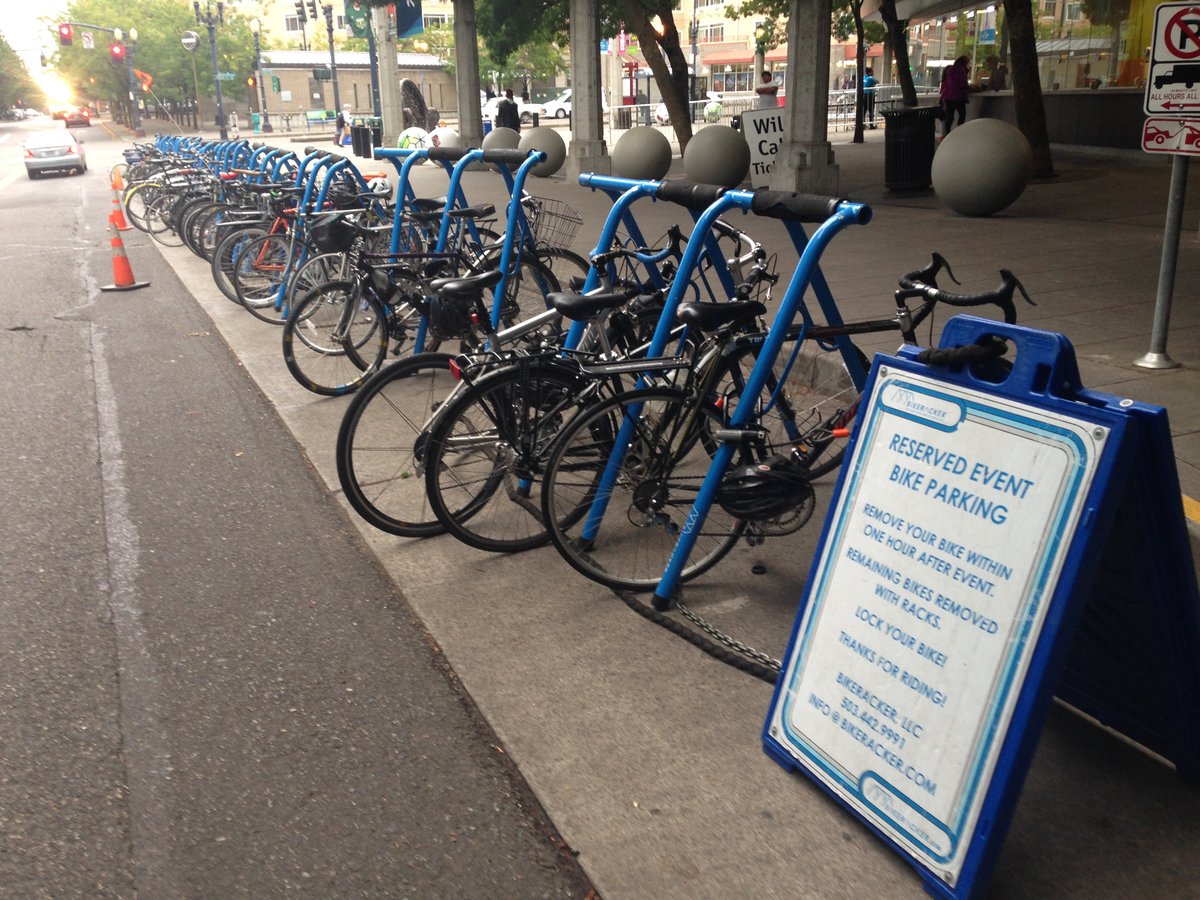
- Skidmore Fountain Open daily, 24/7; free admission. Bike racks and limited street parking are nearby, and public transit is convenient.
- Benson Bubblers Open 24/7; free. Most are wheelchair accessible and centrally located.
- Shanghai Tunnel tours Run Thursday–Sunday; tickets cost $20–$30. Book online in advance.
Most landmarks are easy to reach by public transit, bike, or on foot. Public parking is available but limited; transit or rideshare can be easier, especially during peak times. Most outdoor landmarks are wheelchair accessible; check tunnel-tour accessibility in advance.
Further information
Maps, photos, virtual tours, and information about green infrastructure are available from city and partner websites. The Audiala app offers guided urban hydrology tours. Further resources include:
- City of Portland Bureau of Environmental Services
- Hidden Hydrology Project
- Portland Parks & Recreation
- Hidden Hydrology Project - Portland
- Urban Green Blue Grids: Portland, Oregon, US
- Oregon Water Resources Congress - EWRG Symposium
- City of Portland Bureau of Environmental Services: Stormwater and Green Infrastructure
- Travel Portland - Washington Park Guide
- Portland Japanese Garden - Official Website
Tips
- Fall and winter rains bring hydrological features to life; spring and fall are also good times to see rain-activated features.
- Join city-sponsored guided bike or walking tours, or use downloadable self-guided maps. Guided walks, heritage tours, and eco-tours are also offered seasonally; check local tourism websites for schedules.
- Stay on paths and avoid disturbing plantings. Look for murals and installations that tell Portland’s water stories, as well as interpretive signage and online educational resources.
- Most sites are wheelchair accessible (portland.gov); check individual site policies and tour details.
- Use TriMet, bike-share, and walkable streets. Volunteer stewardship programs are available.
- At Skidmore Fountain, daylight is best for photography. Photo opportunities also include urban bioswales and green streets near Old Town, and details of the Benson Bubblers.
- At the Japanese Garden, spring brings cherry blossoms and autumn brings foliage. Wear comfortable shoes and weather-appropriate clothing; early visits offer good light and fewer crowds.
- Bring a reusable bottle to refill at the Benson Bubblers.
- Pets are allowed on leashes in many parks; confirm individual site policies. Only service animals are permitted at the Portland Japanese Garden.
Nearby Places
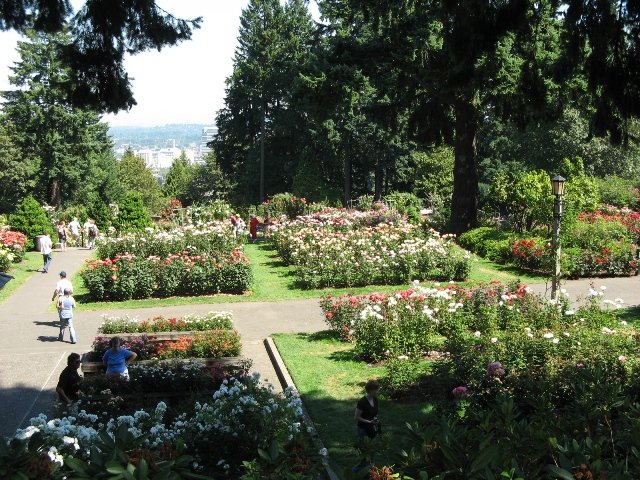
- Washington Park The Portland Japanese Garden is joined by the Oregon Zoo, International Rose Test Garden, and Hoyt Arboretum, all suited to family outings and nature walks (Travel Portland).
- Portland Saturday Market Open on weekends, near Old Town Chinatown.
- Portland Art Museum A short walk from the historic sites.
- Old Town Chinatown Nearby options include art galleries and riverside strolls.
- Tom McCall Waterfront Park Offers waterfront walks and festivals.
FAQ
What is urban hydrology?
It is the study of how water moves through cities, including natural streams, stormwater, and infrastructure.
Where can I see green infrastructure?
Bioswales, rain gardens, and green roofs are visible downtown, in the Pearl District, and at Portland State University.
Are there tours?
Yes. Guided and self-guided options are available, including walks that explore hidden waterways. Some tours and events require tickets.
When is the best time to visit?
Fall and winter rains highlight hydrological features, though sites are open year-round. Spring and fall are also recommended for seeing rain-activated features.
Are the urban hydrology sites free?
Most outdoor features are free; some events and tours require tickets. Opening hours vary by site, typically from early morning to late evening.
Where can I learn about hidden hydrology?
Visit Hidden Hydrology for maps and information.
Are Skidmore Fountain and the Benson Bubblers free to visit?
Yes.
Can I tour the Shanghai Tunnels?
Yes. Tours run Thursday–Sunday, cost $20–$30, and should be booked online in advance. Check accessibility with the tour provider.
Is parking available at the historic landmarks?
Yes, but it is limited. Public transit, walking, or biking are alternatives.
Can I buy Portland Japanese Garden tickets at the entrance?
Yes, but advance online purchase is recommended during busy times.
Are group tours available at the Japanese Garden?
Yes, for groups of 10 or more with advance booking.
Is photography allowed at the Japanese Garden?
Personal photography is welcome; tripods and commercial shoots require permission.
Are pets allowed at the Japanese Garden?
Only service animals are permitted.