The Dream in Portland
“The Dream,” the Dr. Martin Luther King Jr. Memorial Sculpture, stands outside the Oregon Convention Center in Portland’s Lloyd District. It is a tribute to Dr. King’s legacy and Portland’s pursuit of equity, civil rights, and community resilience. Dedicated in 1998 on the 35th anniversary of his “I Have a Dream” speech, the memorial connects visitors with the city’s multicultural heritage and commitment to social justice (Kiddle; Oregon History Project).
The Dream is also a living memorial and a place for education, reflection, activism, and community gatherings. It serves as a focal point for political announcements, social justice marches, commemorations, and educational programs (Kiddle). Its location in the Lloyd District connects visitors with Portland’s public art and community life (Travel Portland).
History
The Dream was dedicated on August 28, 1998, at the intersection of Northeast Holladay Street and Martin Luther King Jr. Boulevard. Its placement in the Lloyd District acknowledges Portland’s history of both diversity and discrimination (Kiddle; Oregon History Project).
A nearly decade-long community effort led by Paul Knauls, Cheryl Perrin, Betsy Brumm, and Charles Lewis brought the project to life. A pivotal fundraiser with U.S. Senator Mark Hatfield rallied local support and raised $300,000 in six months to commission the sculpture. Local businesses, unions, and civic groups also supported the project. The Dream is part of the City of Portland and Multnomah County Public Art Collection (Kiddle).
The dedication ceremony drew local and national dignitaries, including Portland Mayor Vera Katz and Houston Mayor Lee P. Brown. Since then, the site has hosted marches, commemorations, and educational tours (Kiddle).
What to see
Sculpted by Michael Florin Dente, the 8-foot bronze statue portrays Dr. King stepping forward, accompanied by allegorical figures representing workers, immigrants, and youth. The figures reflect Portland’s multicultural history and interconnected struggles for justice, honoring the contributions of Black, Asian, and immigrant communities (Kiddle; Oregon History Project).
The monumental, site-specific sculpture can be approached closely from all sides. Its expressive forms and anatomical detail invite reflection on introspection, hope, and human connection. The subdued bronze palette, natural patina, and varied surface textures change in daylight and nighttime lighting, emphasizing the sculpture’s three-dimensional form and contemplative mood (DestGuides).
Set in a landscaped, accessible plaza, the sculpture is integrated into the Lloyd District’s urban environment. It is made of durable bronze to withstand Portland’s climate; its foundation and finishes are intended to support longevity and accessibility, with regular maintenance by the Regional Arts & Culture Council (Regional Arts & Culture Council).
Community role and significance
The Dream is a central gathering point for Portland’s annual MLK Day commemorations. The World Arts Foundation’s “Keep Alive the Dream” event features arts, education, and economic empowerment for marginalized communities (OregonLive; World Arts Foundation Event Details). The event also supports Black-owned businesses and artists. Its Victory Village Marketplace supports Black-owned businesses and entrepreneurs, advancing Dr. King’s vision of economic justice (OregonLive).
Throughout the year, the site is a hub for rallies, marches, and workshops addressing racial justice and community empowerment (PDX Street Art). It is also a rallying point for broader social justice movements, including Black Lives Matter and housing equity campaigns (PDX Street Art).
The Dream is part of Portland’s wider public art collection, where works amplify underrepresented voices and encourage dialogue about resistance, empowerment, and hope (Portland.gov Public Art). The site supports educational programming and youth engagement, including partnerships with organizations such as the Oregon Historical Society (World Arts Foundation Event Details; Portland.com History and Culture). Organizations including Oregon Black Pioneers and the Portland Street Art Alliance continue to foster Black history and public art in Portland (Oregon Black Pioneers; PSAA).
The site and its events are free and open to all, with accessibility accommodations during major gatherings (Portland.gov Public Art).
Practical visiting information
Location and hours
The Dream is at 307 NE Holladay St, Portland, OR 97232, outside the northeast corner of the Oregon Convention Center in the Lloyd District (Wikipedia; Chamber of Commerce).
It is an outdoor public sculpture, accessible 24 hours a day, 24/7, year-round. There is no ticket or admission fee.
Getting there and accessibility
- Public transportation MAX Light Rail Red, Blue, and Green lines serve the Convention Center station (Travel Portland).
- Parking Convention Center parking is available, including its garages; metered street parking is also nearby.
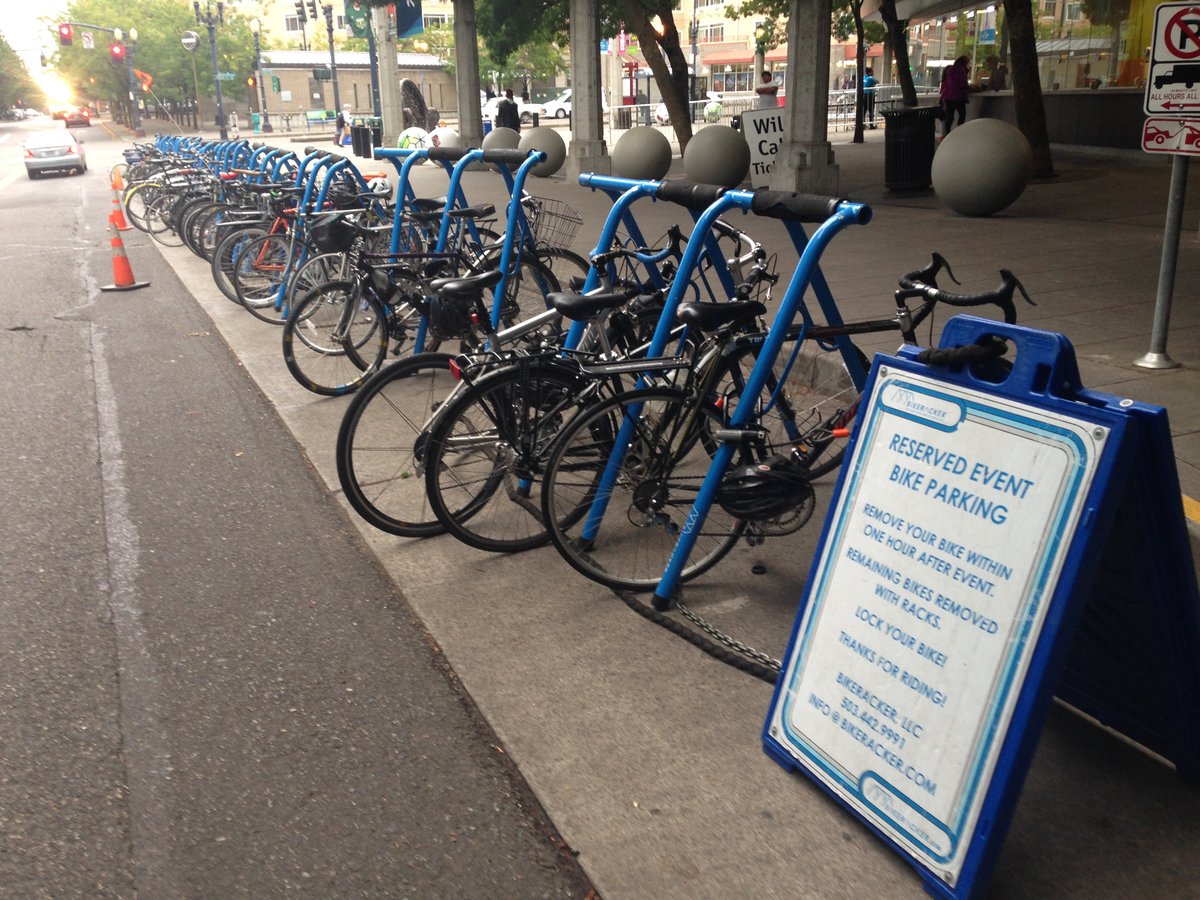
- Walking and cycling Wide sidewalks, bike lanes, and bike racks provide access.
- Access The site has wheelchair-friendly paths and a flat, paved plaza, with ADA-compliant facilities (Oregon Convention Center).
On-site experience
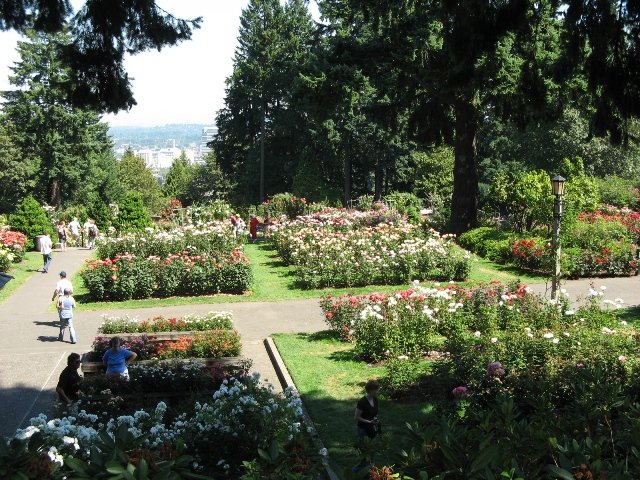
Interpretive plaques provide historical context for the 8-foot sculpture (Wikipedia; Waymarking). Amenities include public restrooms, nearby cafes, benches, and green space for reflection. Photography is encouraged; daylight is best for viewing, and mornings and late afternoons offer the best light.
Guided tours are occasionally available through local organizations and the Regional Arts & Culture Council. Events and schedules can be checked through Travel Portland and the Oregon Convention Center.
Tips
Visitors can use the sculpture and its interpretive plaques to reflect on the struggles and achievements it represents. Public art guides and walking tours offer additional educational context.
For updates, visit the Regional Arts & Culture Council and Travel Portland. The Audiala app also offers guided tours and cultural insights.
Nearby places
Nearby attractions include the Moda Center and the Eastbank Esplanade (Bridges and Balloons). The Oregon Historical Society and Portland Art Museum are also suggested for visitors interested in learning more about the city’s heritage.