History and Early Development
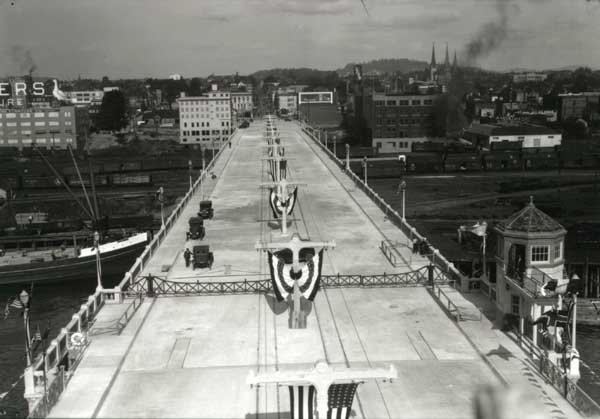
The story of Skidmore/Old Town begins in the mid-1800s, when Portland was emerging as a vital port city. Proximity to the Willamette River made this area the nexus of trade, shipping, and early civic life. The arrival of horse-drawn streetcars in the 1880s and the Northern Pacific Railway in 1883 spurred a building boom. By the late 19th century, banks, hotels, theaters, and mercantile establishments filled the district, cementing its role as the city’s economic engine (Portland.gov, Places Pages Blog). Preservation efforts in the late 20th century resulted in the district’s listing on the National Register of Historic Places (1975) and its designation as a National Historic Landmark District (1977) (OregonLive).
Architectural Highlights
Cast-Iron Architecture
Portland’s Skidmore/Old Town is renowned for its ornate cast-iron-fronted buildings—the second-largest such collection in the U.S. after New York City (Oregon Encyclopedia). Many structures, including the Blagen Block, Hallock-McMillan Building, and New Market Theater, showcase High Victorian Italianate, Renaissance Revival, and Richardsonian Romanesque styles (Wikipedia). These buildings feature decorative columns, cornices, and arched windows, reflecting the ambitions of late 19th-century Portland.
Notable Structures
- Blagen Block (1888) Features elaborate cast-iron details and large windows, now home to offices and retail spaces.
- Hallock-McMillan Building (1857) The city’s oldest commercial building, recently restored, featuring Romanesque arches and brickwork (Restore Oregon).
- New Market Theater (1872) and Annex (1873) Exemplars of Victorian Italianate style with distinctive facades.
- Ankeny Plaza A lively public space, encircling Skidmore Fountain, often bustling with performers and markets.
The Skidmore Fountain: Civic Landmark
Dedicated in 1888, the Skidmore Fountain is Portland’s oldest piece of public art (Oregon Encyclopedia). Funded by a bequest from Stephen Skidmore and designed by Olin Levi Warner, the fountain was inspired by those of Versailles and intended for people, horses, and dogs. Its bronze and granite structure, inscribed with “Good citizens are the riches of a city,” remains a beloved gathering spot and central photo opportunity (Places Pages Blog).
Visiting Hours and Admission
- District Access Open and free to the public year-round. Streets and plazas can be visited at any time, but daylight hours (8:00 AM – 8:00 PM) are recommended for safety and best experience.
- Attractions Most museums, galleries, and markets operate from 10:00 AM to 6:00 PM. Notable exceptions include the Portland Saturday Market (weekends, March–December, 10:00 AM–5:00 PM).
- Tickets No admission fees for the district or Skidmore Fountain. Some museums and guided tours charge fees; check individual websites for details (Travel Portland, Architectural Heritage Center).
Accessibility and Travel Tips
- Public Transit The MAX Light Rail stops at Skidmore Fountain and Old Town/Chinatown stations. Multiple bus lines and bike routes also serve the area (TriMet).
- Parking Street parking is limited. Use nearby garages or public transportation for convenience (Portland Parking).
- Wheelchair Access Most sidewalks, parks, and public spaces are ADA compliant. Some historic buildings may have limited accessibility.
- Comfort Wear comfortable shoes for walking. Bring a camera to capture the district’s unique streetscapes.
Guided Tours and Special Events
- Walking Tours The Architectural Heritage Center and Portland Walking Tours offer engaging, expert-led tours, especially during summer and on select evenings. Tickets typically range from $15–$25 per person (Architectural Heritage Center).
- Portland Saturday Market Held weekends from March through December, the market features over 250 local vendors, art, and food (Portland Saturday Market).
- First Thursday Art Walk Monthly event with local galleries opening for free public viewing.
Nearby Attractions
- Tom McCall Waterfront Park Ideal for walking, cycling, and events, with views of the river and city (Portland Parks & Recreation).
- Japanese American Historical Plaza Reflective park honoring Japanese American history (Oregon Nikkei Endowment).
- Oregon Nikkei Legacy Center Museum exploring Japanese American history (Oregon Nikkei Endowment).
- Portland Chinatown Museum Chronicles Chinese American heritage in Portland (Portland Chinatown Museum).
- Voodoo Doughnut, Old Town Pizza, Dante’s Unique dining and nightlife options in historic buildings.
Visitor Tips
- Best Times to Visit Spring through fall is ideal for outdoor markets and tours. Weekends are lively; weekday mornings offer quieter exploration.
- Safety The district is generally safe during the day. Use standard urban precautions after dark.
- Amenities Public restrooms are available at Ankeny Plaza and market sites. Dining and shopping are plentiful nearby.
Frequently Asked Questions (FAQ)
Q: Are there entrance fees?
A: No, exploring the district and Skidmore Fountain is free. Some museums or tours may require tickets.
Q: What are the best visiting hours?
A: Daylight hours (8:00 AM–8:00 PM) are recommended for safety and best experience.
Q: Is the district wheelchair accessible?
A: Most areas are accessible, though some historic buildings may have constraints.
Q: Are guided tours available?
A: Yes, multiple organizations offer guided walking tours. See their websites for details.
Q: How do I get there without a car?
A: Use MAX Light Rail or city buses, which stop directly at the district.