Plan and listen to Sacajawea And Jean-Baptiste with Audiala.
Audio guide in your pocket, itinerary in your browser. Built for the way you actually visit.
Introduction
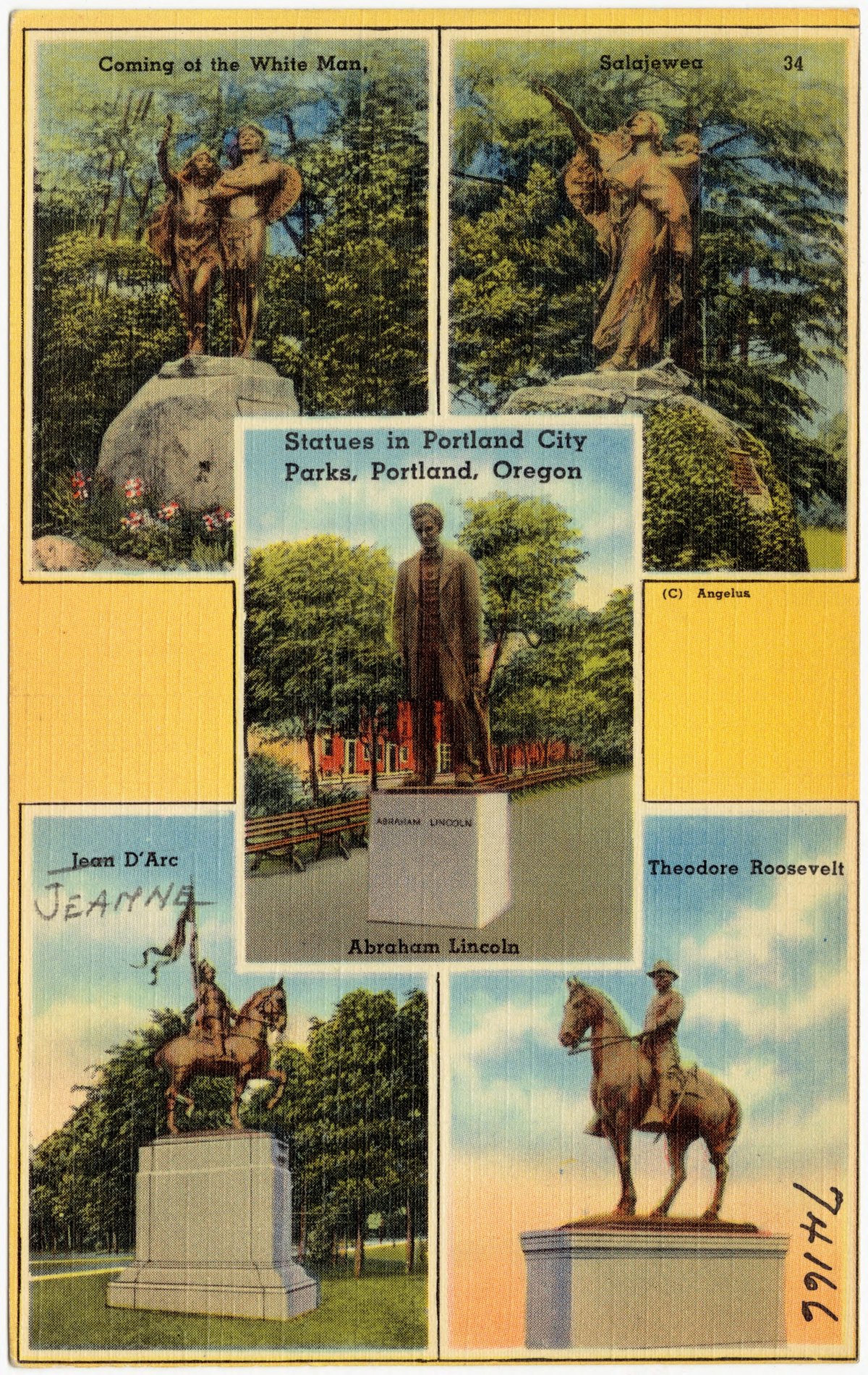
The Sacajawea and Jean-Baptiste statue in Portland’s Washington Park stands as a profound tribute to Sacajawea, the Lemhi Shoshone woman whose courage and guidance were vital to the Lewis and Clark Expedition (1804–1806). More than just a monument, this bronze sculpture represents the intersection of Indigenous heritage, women’s history, and early 20th-century activism. Commissioned in 1905 by the Committee of Portland Women and unveiled during the Lewis and Clark Centennial Exposition, it honors Sacajawea’s historic role while symbolizing the burgeoning women’s suffrage movement (Oregon Visual Arts; Wander Women Project).
Created by Alice Cooper, a pioneering female sculptor and student of Lorado Taft, the statue depicts Sacajawea confidently pointing westward with her infant son Jean-Baptiste on her back, embodying maternal strength and visionary guidance. Notably, this was the first public monument in Portland by a woman and among the earliest in the United States to honor a Native American woman (Smithsonian American Art Museum; Portland.gov). Washington Park is open daily from 5 a.m. to midnight and is fully accessible, making this cultural landmark available to all (Portland Parks & Recreation).
This guide covers the statue’s history, artistic features, visitor information, accessibility, travel tips, nearby attractions, and answers to frequently asked questions—offering a comprehensive resource for anyone planning to visit this significant Portland landmark.


Origins and Commissioning
The concept for the Sacajawea and Jean-Baptiste statue was born from the collaborative efforts of women’s organizations in the early 20th century. Commissioned by the Committee of Portland Women for the 1905 Lewis and Clark Centennial Exposition, it was intended both to honor Sacajawea, the only woman on the Lewis and Clark Expedition, and to spotlight women’s agency during the ongoing suffrage movement (Oregon Visual Arts). The fundraising campaign engaged women across the western United States, highlighting the solidarity and determination of suffragists. Notable figures such as Susan B. Anthony, Rev. Anna Shaw, and Abigail Scott Duniway attended the statue’s dedication, underscoring its significance in women’s history (Wirth Sculpture).
Artistic Vision and Significance
Alice Cooper’s selection as the artist was itself a milestone, as she became the first woman with a public artwork in Portland’s collection. Her bronze statue, standing approximately 7 feet tall, portrays Sacajawea in a forward-striding pose with Jean-Baptiste cradled on her back, symbolizing both guidance and motherhood (Smithsonian American Art Museum). Cooper’s dedication to historical authenticity is evident in the careful representation of clothing and posture, capturing Sacajawea’s spirit of resilience and hope.
Dedication and Relocation
Unveiled on July 6, 1905, during the Lewis and Clark Centennial Exposition, the statue became a focal point for suffragist advocacy and historical commemoration (Oregon Historical Society). Following the exposition, it was relocated to Washington Park in 1906, ensuring its ongoing visibility and accessibility (Portland Parks & Recreation).
Cultural and Social Context
Women’s Suffrage Connection
The creation and dedication of the statue were deeply intertwined with the women’s suffrage movement. At a time when only a handful of states granted women voting rights, Oregon’s suffragists sought to elevate female figures like Sacajawea to highlight women’s contributions to American history (The Art Newspaper). Fundraising through the sale of commemorative items and widespread advocacy demonstrated collective female agency.
Indigenous Representation and Interpretation
Sacajawea’s depiction as both guide and mother became a symbol of strength and peace. However, the monument also reflects early 20th-century attitudes that sometimes appropriated Indigenous stories for broader causes, a complexity noted by contemporary historians (The Art Newspaper). The narrative shaped by suffragists and popularized by works like Eva Emery Dye’s The Conquest both elevated Sacajawea and filtered her story through Euro-American ideals (Sacagawea Biography).
Visiting the Sacajawea and Jean-Baptiste Statue
Location and Directions
- Address: Washington Park, 4033 SW Canyon Rd, Portland, OR 97221
- Public Transit: Served by TriMet MAX Light Rail (Blue and Red Lines) and bus lines 20 and 63.
- Parking: Available near the park, but may fill up during busy hours (Explore Washington Park).
Visiting Hours
- Open Daily: 5:00 a.m. – Midnight
- Admission: Free; no tickets required (Portland.gov)
Accessibility
- Paths: Paved, wheelchair- and stroller-friendly.
- Facilities: Accessible restrooms and benches nearby.
- Additional Services: ADA accommodations upon request (Portland Parks & Recreation)
Photography
The statue’s setting among lush greenery creates excellent opportunities for photography, especially during early morning or late afternoon light.
Guided Tours and Events
- Tours: Offered seasonally by local organizations and park staff.
- Events: Occasional cultural programs, especially during Women’s History Month and Indigenous Peoples’ Day (Explore Washington Park).
Nearby Attractions
Enhance your visit to Washington Park by exploring:
- Portland Japanese Garden
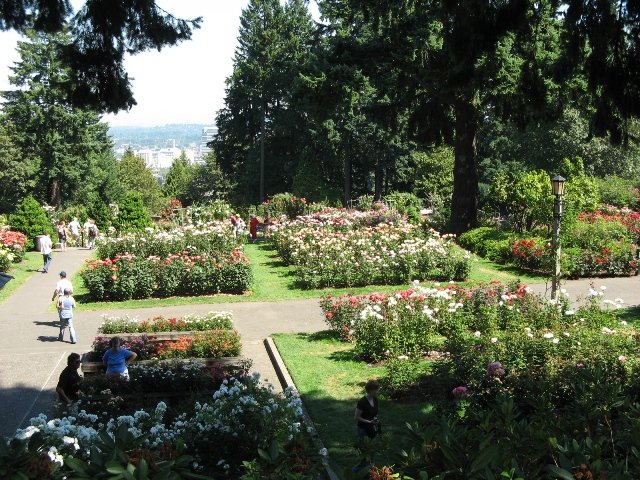
- International Rose Test Garden
- Oregon Zoo
- Oregon Holocaust Memorial
- Lewis and Clark Memorial Column
All attractions are accessible by foot, bike, or public transportation (Mapcarta).
Frequently Asked Questions (FAQ)
Q: What are the visiting hours for the Sacajawea and Jean-Baptiste statue?
A: The statue is accessible during Washington Park’s hours: 5:00 a.m. to midnight daily.
Q: Is there an admission fee or ticket required?
A: No, visiting the statue and park is free.
Q: Is the statue accessible for wheelchairs and strollers?
A: Yes, paved and ADA-compliant paths lead to the monument.
Q: Are guided tours available?
A: Yes, check Explore Washington Park and local tour providers for schedules.
Q: When is the best time for photography?
A: Early morning and late afternoon for optimal light and fewer crowds.
Artistic and Historical Legacy
The Sacajawea and Jean-Baptiste statue is a rare early-20th-century public artwork honoring a Native American woman and created by a woman artist. Its presence in Portland’s public art collection marks a milestone in both Indigenous representation and women’s visibility in public memory (Oregon Encyclopedia).
Continual conservation efforts by the City of Portland, supported by the Regional Arts & Culture Council, ensure the monument’s preservation. Interpretive signage and educational programming further contextualize the site (Regional Arts & Culture Council).
Visual Gallery

View on map
Map showing the location of the Sacajawea and Jean-Baptiste statue in Washington Park, Portland.
Practical Visitor Information
- Restrooms: Available throughout Washington Park.
- Food and Drink: Cafes and food carts are located near major attractions.
- Safety: The park is generally safe; exercise standard precautions, especially after dark.
- Transportation: MAX Light Rail and TriMet bus lines provide convenient access.
Summary and Staying Updated
The Sacajawea and Jean-Baptiste statue is a multifaceted landmark, embodying themes of exploration, motherhood, and the pursuit of women’s rights. Its accessible location in Washington Park, surrounded by some of Portland’s most beloved attractions, makes it a must-visit site for history enthusiasts, art lovers, and travelers alike.
For the latest updates on events, guided tours, and park information, visit the Regional Arts & Culture Council and Portland Parks & Recreation websites. Enhance your experience by downloading the Audiala app for guided audio tours.
Listen to the full story in the app
The whole Sacajawea And Jean-Baptiste,
told well.
Audio guides for 1,100+ cities across 96 countries. History, stories, and local insight — offline ready.
Verified, and shown.
Researched and written by the Audiala editorial team from historical records, architectural archives, and local expertise.
Researched from Wikidata, Wikipedia & official sources · fact-checked · How we make our guides →