Plan and listen to Multnomah University with Audiala.
Audio guide in your pocket, itinerary in your browser. Built for the way you actually visit.
Introduction
Situated in the Montavilla neighborhood of Portland, Oregon, Multnomah University—now the Multnomah Campus of Jessup University—stands as a testament to nearly 90 years of faith-integrated education, community engagement, and academic resilience. Since its founding in 1936 as the Multnomah School of the Bible, the institution has evolved into a dynamic educational landmark, blending rigorous academics, spiritual formation, and a vibrant campus community. This guide presents essential information for prospective students, families, and visitors, including campus history, tour details, accessibility, parking, and tips for exploring Portland’s surrounding attractions (Multnomah Catalog; Wikiwand; Multnomah Visit; Montavilla News).
Founding and Early Years (1936–1950s)
Multnomah University began as the Multnomah School of the Bible, established in 1936 by Dr. John G. Mitchell and a coalition of local Christian leaders. The school opened with 49 students, occupying a converted mortuary in Northeast Portland. Dr. Mitchell’s influence shaped the institution’s identity, serving as a guiding visionary and board chairman for decades (Multnomah Catalog; Wikipedia).
In 1943, Willard Aldrich became the youngest college president in the nation, guiding Multnomah to become a degree-granting institution and laying the foundation for future growth (Wikiwand).
Campus Development and Expansion
Originally located near today’s Lloyd Center, the university moved to its current 17-acre campus at NE 82nd Avenue and NE Glisan Street in 1952. Over the years, the campus expanded to include academic halls, Lytle Library, student residences, athletic facilities, and community spaces like Roger’s Café and JCA Commons—fostering a close-knit, supportive environment for students and visitors (Princeton Review; Multnomah Visit).
Academic Evolution and Institutional Changes
Initially focused on biblical studies, Multnomah broadened its academic offerings over time, introducing undergraduate, graduate, and certificate programs. The institution went through several name and structural changes:
- 1986: Launched the Multnomah Graduate School of Ministry (later Multnomah Biblical Seminary).
- 1993: Renamed Multnomah Bible College and Biblical Seminary.
- 2008: Became Multnomah University, offering a wider range of academic programs (Multnomah Catalog; Wikiwand).
The university held accreditations from the Northwest Commission on Colleges and Universities and the Association of Theological Schools, supporting a strong academic reputation (Wikiwand).
Leadership and Legacy
Leadership transitions have shaped Multnomah’s direction:
- B.B. Sutcliffe (1936–1939)
- Willard Aldrich (1943–1978)
- Joseph C. Aldrich (1978 onward)
- Dr. Daniel R. Lockwood (1997–2013)
- Dr. G. Craig Williford (2014–2022)
- Dr. Eric Anthony Joseph (2022–2023)
- Dr. Jessica Lynn Taylor (Interim President, April 2023–present) (Multnomah Catalog)
Notable alumni include evangelist Luis Palau, author Randy Alcorn, and ministry leader Charles Mugisha (Princeton Review).
Community Impact and Ministries
The campus has been a launching pad for numerous ministries and organizations, such as Mission Portland, International Renewal Ministries, and Multnomah Press (now Waterbrook-Multnomah Publishing Group) (Wikiwand). The university also fosters community engagement through events, partnerships, and outreach programs (Multnomah Visit).
Athletics and Student Life
Multnomah’s athletic teams, the Lions, competed in the NAIA’s Cascade Collegiate Conference, with 12 varsity sports. The men’s basketball team was known for record-setting performances. Campus life featured a strong sense of community—Roger’s Café, student organizations, and the Den (Commuter Center) were popular gathering spaces (Wikiwand; Princeton Review).
Visiting Multnomah University: Hours, Tours, and Accessibility
Campus Tours and Visiting Hours
- Visiting Hours: Monday–Friday, 8:00 AM–6:00 PM.
- Tours: Guided tours are available by appointment through the admissions office or Multnomah Visit Page.
- Events: Check the university’s events calendar for lectures, concerts, and ministry gatherings.
Parking and Accessibility
- Parking: Free visitor parking is available on campus; accessible spaces are near main buildings. During major events, early arrival is recommended.
- Accessibility: The campus is wheelchair accessible, with ramps, elevators, and ADA-compliant restrooms. Contact campus services in advance for special accommodations (Jessup University; Accessible Portland).
On-Campus Amenities
- Dining: Roger’s Café and campus cafeterias offer meals and refreshments.
- Bookstore: University apparel, books, and souvenirs are available.
- Wi-Fi & Study Spaces: Complimentary Wi-Fi and study lounges are provided for visitors.
Nearby Attractions and Travel Tips
Multnomah’s Montavilla location offers easy access to Portland highlights:
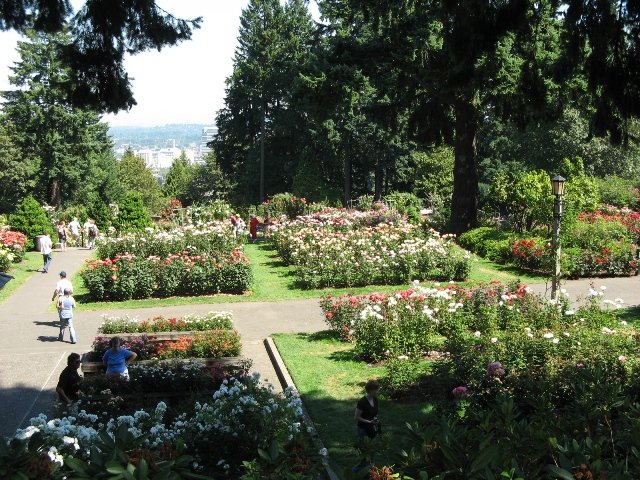
- The Grotto: A tranquil sanctuary and botanical garden.
- Alberta Arts District: Vibrant local art, dining, and shopping.
- Lloyd Center: Shopping and entertainment.
- Columbia River Gorge: Scenic natural beauty, a short drive away.
- Downtown Portland: Museums, Powell’s Books, the Pearl District.
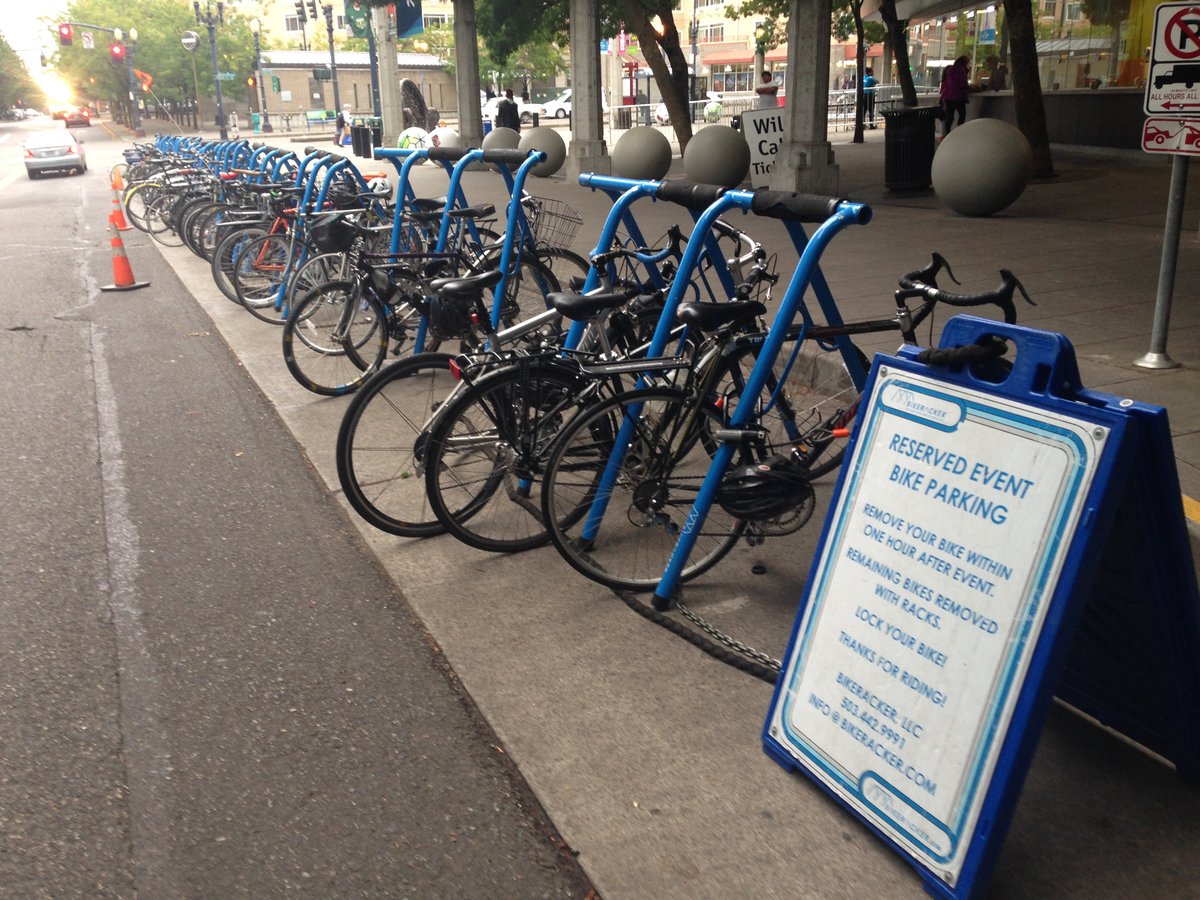
Transportation: TriMet buses and MAX Light Rail serve the campus. Bike racks are available, and ride-sharing is widely used in Portland. Parking is available on campus and nearby (TriMet; Portland Parking Guide).
Recent Developments and Transition (2023–2025)
By the early 2020s, declining enrollment led Multnomah University to transition into the Multnomah Campus of Jessup University. As of May 1, 2024, the campus focuses on graduate and seminary education, discontinuing traditional undergraduate programs and athletics (Montavilla News; Multnomah Clarity and Commitment). Students enrolled at the time of closure were offered teach-out options, with degrees awarded through April 2027 (Wikiwand).
Historical Significance
Multnomah University’s legacy encompasses nearly a century of faith-based education and community service in the Pacific Northwest. Its adaptability and commitment to its mission have ensured its continued impact—first as an independent institution, now as part of Jessup University (Multnomah Catalog; Wikiwand).
Frequently Asked Questions (FAQ)
Q: Are campus tours free?
A: Yes, but advance registration is required.
Q: What are Multnomah University’s visiting hours?
A: Monday–Friday, 8:00 AM–6:00 PM.
Q: Is the campus accessible for visitors with disabilities?
A: Yes, with ramps, elevators, and accessible restrooms.
Q: Is parking available on campus?
A: Yes, free visitor parking is available; arrive early for major events.
Q: Do I need tickets for university events?
A: Some events require registration; check the events calendar.
Listen to the full story in the app
The whole Multnomah University,
told well.
Audio guides for 1,100+ cities across 96 countries. History, stories, and local insight — offline ready.

Verified, and shown.
Researched and written by the Audiala editorial team from historical records, architectural archives, and local expertise.
Researched from Wikidata, Wikipedia & official sources · fact-checked · How we make our guides →