
Origins and Early Development
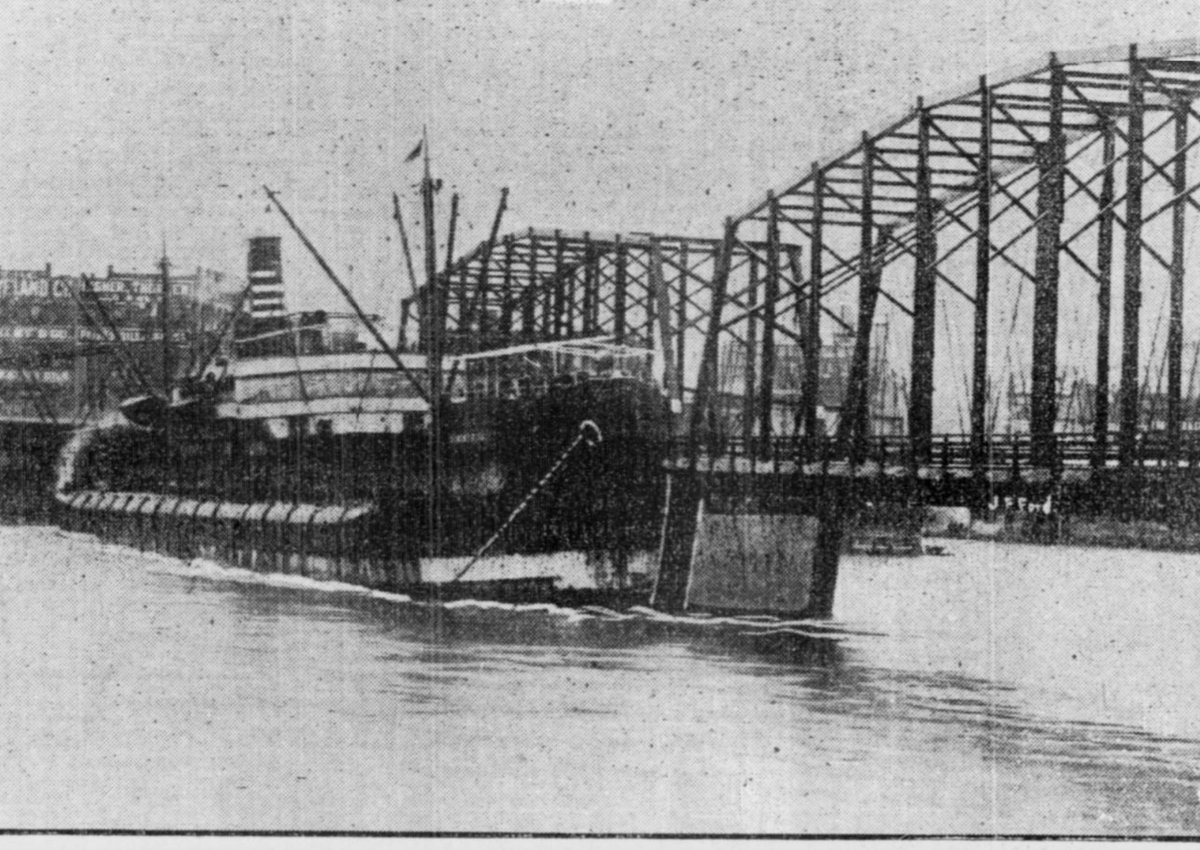
Lone Fir Cemetery was established in the early 1850s, originating on land owned by Colburn Barrell, a steamboat entrepreneur. Following the tragic 1854 explosion of the steamer Gazelle, part of the property became a burial ground. The cemetery’s name honors a lone Douglas fir tree that once stood on the grounds (PNW Haunts and Homicides). Today, Lone Fir covers roughly 30.5 acres and reflects Portland’s rich, diverse heritage (Portland Fire History).
Ownership, Expansion, and Community Role
Originally managed privately, Lone Fir transitioned to Multnomah County stewardship and is now overseen by Metro, Portland’s regional government agency. Over the decades, the cemetery has seen periods of neglect and revitalization. Community organizations, especially the Friends of Lone Fir Cemetery, have played integral roles in preservation, public education, and event programming (All Events).
Notable Sections and Burials
The Firefighter’s Section
Established in 1862, this section (Block 5) is dedicated to Portland’s firefighters and their families. It contains 146 burials, including twelve who died in the line of duty, and features plaques, a rose garden, and a flagpole as tributes to bravery (Portland Fire History).
Block 14: The Chinese Burial Ground
Block 14 served as the resting place for nearly 3,000 Chinese immigrants and Chinese Americans from the 1860s to the late 1950s. Many of those buried here were laborers involved in railroad and mining projects. The site was disturbed in the 1950s during a redevelopment attempt, prompting community efforts to restore and memorialize the area. A new memorial pavilion and healing garden are planned, supported by a formal apology and $1 million funding from Multnomah County (Building on History; Hoodline).
Diversity of Burials and Social History
Lone Fir’s graves range from ornate mausoleums to simple, unmarked plots, reflecting Portland’s evolving demographics and social history. The site is the final resting place for pioneers, veterans, artists, mental health patients, and other marginalized groups (PNW Haunts and Homicides; Oregon Metro).
Visiting Lone Fir Cemetery
Address and Location
2422 SE Morrison St, Portland, OR 97214
Located in central Southeast Portland, bounded by SE Stark (north), SE Morrison (south), and SE 20th–26th avenues (Oregon Metro; Southeast Examiner).
Visiting Hours
- Open daily from 7:00 a.m. to sunset (dawn to dusk).
- Check Oregon Metro for seasonal updates or weather-related closures.
Ticket Information
- General admission is free; no tickets are required for entry.
- Tickets are required for special guided tours and events.
Accessibility
- Most main pathways are paved and wheelchair accessible.
- Wheelchair access can be arranged by contacting Metro.
- Some historic sections have uneven ground; benches and water spigots are available (Portland Living on the Cheap; Oregon Metro Field Guide PDF).
Parking and Transportation
- Free parking along internal cemetery roads and adjacent streets.
- TriMet Bus 15 serves SE Belmont and Morrison, with stops near main entrances (Southeast Examiner).
- Bike racks near the entrance.
Navigating the Grounds and Notable Features
- The Soldier’s Monument (Built 1903): Honors veterans of the Civil War, Spanish-American War, Mexican War, and Indian Wars (Wikipedia).
- Block 14 Chinese burial section, now the focus of a major memorial.
- Heritage Trees Original Douglas fir, bigleaf maple, incense cedar (Portland Urban Forestry).
- Pioneer Rose Garden Roses propagated from plants brought on the Oregon Trail (Oregon Metro Field Guide PDF).
- Chestnut Grove Memorial Garden For cremated remains, reflecting evolving memorial practices.
Maps are available at the entrance or via the Friends of Lone Fir Cemetery website.
Guided Tours and Events
Guided Tours
- Historical Tours Delve into stories of Portland’s pioneers and notable residents (Friends of Lone Fir Cemetery).
- Stories in Stone Focus on cemetery art, symbolism, and inscriptions (All Events).
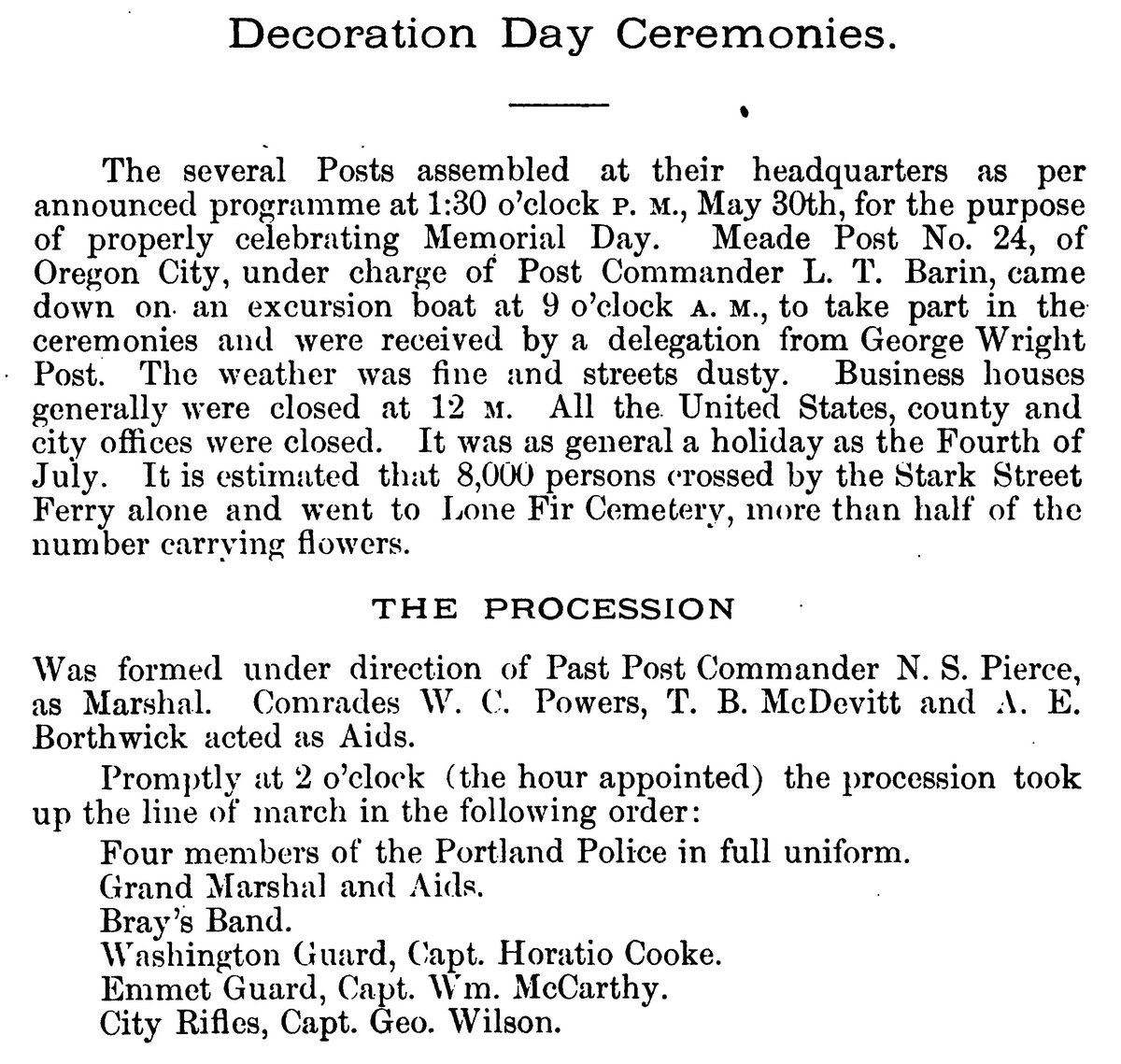
- Special Events Memorial Day, Qing Ming, and the Halloween “Tour of Untimely Departures” (Adventures in Cemetery Hopping).
Advance booking is recommended for special event tickets (All Events In Portland).
Self-Guided Exploration
- Maps, interpretive signage, and tree guides available online or at the entrance (Friends of Lone Fir Cemetery).
- The Metro Oregon tree guide enhances arboretum appreciation (Portland Urban Forestry).
Nearby Attractions and Seasonal Experiences
Lone Fir Cemetery is near:
- Portland Art Museum
- Oregon Historical Society
- Eastside Historic Districts
- Local dining and shops in Southeast Portland
Seasonal highlights include blooming roses in spring, autumn foliage, and special events throughout the year.
Etiquette and Practical Tips
- Remain quiet and respectful; avoid disrupting services.
- Pets are not permitted except for service animals (Oregon Metro Field Guide PDF).
- Photography for personal use is allowed; avoid commercial shoots without permission.
- Stay on paths; report vandalism to staff or Friends of Lone Fir Cemetery.
- Dress appropriately for Portland’s weather; winter paths can be slippery.
Preservation and Cultural Significance
Recent restoration and community efforts have revitalized Lone Fir, with interpretive signage and memorials that honor its diverse histories. The Block 14 project, in particular, stands as a symbol of reconciliation for Portland’s Chinese American community (Hoodline). The site also memorializes mental health patients, with new gardens and markers in Block 10 (Oregon Metro).
Lone Fir continues to serve as a venue for remembrance, cultural festivals, workshops, and ongoing community engagement.
Frequently Asked Questions (FAQ)
Q: What are Lone Fir Cemetery’s visiting hours?
A: Open daily from 7:00 a.m. to sunset.
Q: Is admission free?
A: Yes, there is no charge for general admission.
Q: Are guided tours available and do they require tickets?
A: Yes, guided tours are regularly offered. Some special events require advance ticket purchase (Friends of Lone Fir Cemetery).
Q: Is the cemetery wheelchair accessible?
A: Most main paths are accessible; call ahead for specific arrangements.
Q: Are pets allowed?
A: Only service animals are permitted.
Q: Can I take photographs?
A: Yes, but please do so respectfully and avoid disturbing others.