Plan and listen to Kenton Park with Audiala.
Audio guide in your pocket, itinerary in your browser. Built for the way you actually visit.
Introduction
Kenton Park, located in the heart of North Portland’s historic Kenton neighborhood, offers a vibrant blend of natural beauty, cultural heritage, and community life. As one of Portland’s most cherished urban parks, it serves as both a recreational destination and a living testament to the city’s evolving story. From its Indigenous origins and industrial past to its modern role as a hub for families, athletes, and nature lovers, Kenton Park stands out as an accessible, inclusive, and beloved gathering place. This comprehensive guide covers everything you need to plan your visit, including park history, hours, amenities, travel tips, accessibility, and nearby attractions.
History and Cultural Significance
Indigenous Heritage and Early Landscape
Kenton Park is situated on lands originally stewarded by the Kalapuya, Tlatskanai, Cowlitz, Chinook, Multnomah, and Clackamas peoples. For centuries, this area was a rich seasonal wetland, vital for traditional foods such as wapato. Its proximity to the Columbia Slough and Willamette River made it an essential gathering and trading ground (Historic Kenton).
Industrial Era and Urban Development
The late 19th and early 20th centuries saw the transformation of the wetlands as settlers redirected waterways and established industry. The Swift Meat Packing Company created a company town here, spurring the construction of brick buildings and a streetcar line, and drawing workers from across the region (Wikipedia: Kenton, Portland, Oregon; PdxHistory.com). The area became a key industrial hub, later reflected in the design and evolution of Kenton Park.
Establishment and Evolution of Kenton Park
In 1941, the City of Portland acquired the land, establishing it as a public park to meet the neighborhood’s recreational needs (Wikipedia: Kenton Park). The park has since undergone significant improvements, most notably the 2018 playground renovation funded by the Parks Replacement Bond—an effort that enhanced accessibility, inclusivity, and modern play features (portland.gov).
Cultural Landmarks
A short walk from the park stands the 31-foot Paul Bunyan statue, erected in 1959 for the Oregon Centennial Exposition—a symbol of the region’s logging heritage (thatoregonlife.com). Kenton Park’s proximity to this landmark, as well as the historic Kenton Commercial District, highlights its role in the neighborhood’s identity and Portland’s broader historical narrative.
Park Layout and Amenities
Green Spaces
Kenton Park spans over 12 acres, featuring open lawns, mature shade trees, and walking paths ideal for strolls, picnics, and informal sports. The park’s design encourages both relaxation and active recreation.
Playground and Splash Pad
A centerpiece of the park is its inclusive, ADA-compliant playground, renovated in 2018 with modern climbing structures, swings, slides, and interactive features. The seasonal splash pad (operational Memorial Day through Labor Day) is a summer highlight for families (portland.gov).
Sports and Recreation Facilities
Facilities include a basketball court, baseball/softball field, open grassy areas for soccer or frisbee, and walking/jogging paths. Sports fields are generally available on a first-come, first-served basis, though local youth leagues and summer camps may schedule events (Portland Ultimate Kenton Park Camp).
Picnic Areas
Benches and picnic tables are dispersed throughout the park, some shaded by mature trees. These spots are perfect for family outings, group gatherings, or a quiet lunch outdoors.
Nature Patch
In 2024, a new “Nature Patch” was introduced at the park’s southwest entrance, featuring native pollinator plants such as Pacific Coast Hybrid Iris, Thimbleberry, and Oregon Grape. This garden supports urban biodiversity and provides educational opportunities (portland.gov).
Dog-Friendly Policies
Leashed dogs are welcome; while there is no designated off-leash area, the open lawns are popular for responsible pet play.
Restrooms and Drinking Fountains
Public restrooms and drinking fountains are available and generally well-maintained, though visitors should plan for higher usage during large events.
Visitor Information
Hours and Admission
- Open Daily: 5:00 AM to Midnight
- Admission: Free; no tickets required
- Accessibility: ADA-compliant playground, accessible restrooms, and paved paths throughout
Location
- Address: 8417 N Brandon Ave, Portland, OR 97217 (MapQuest Kenton Park)
Travel Tips
Getting There
- Public Transit: The TriMet MAX Yellow Line stops at Kenton/N Denver Ave Station (about a 10-minute walk from the park). Several bus routes also serve the area.
- Driving: Street parking is available on nearby streets, but it can be limited during busy times and special events.
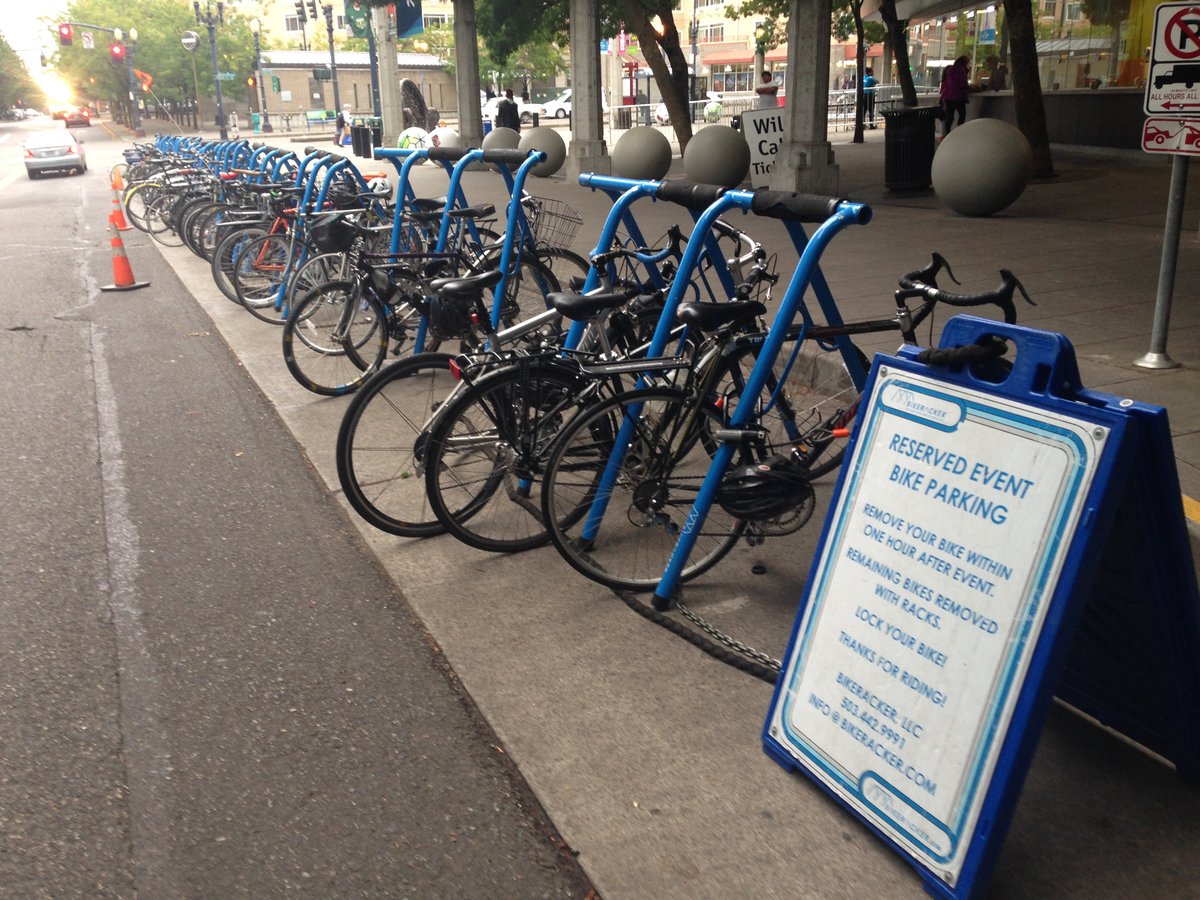
- Cycling: The neighborhood is bike-friendly, with several routes leading to the park.
Accessibility
The park’s flat terrain, accessible playground, and paved paths make it suitable for visitors with mobility challenges. For additional accommodations, contact Portland Parks & Recreation at 503-823-4000 or visit their ADA Title II program page.
Visitor Tips
- Arrive early for the best picnic spots or playground access.
- Bring sunscreen, hats, and water—shade can be limited during midday.
- Keep pets leashed and bring waste bags.
- Check the Portland Parks & Recreation website for splash pad status and event schedules.
- Follow park rules: no alcohol, smoking, or fireworks; supervise children at all times.
Events, Safety, and Community Life
Community Events and Seasonal Activities
Kenton Park is a hub for neighborhood events, including summer concerts, movie nights, youth sports leagues, and seasonal festivals (Portland Living on the Cheap: Concerts in the Parks). Informal gatherings such as birthday parties and picnics are common, especially in warmer months.
Safety
The Kenton neighborhood is generally safe and welcoming, with active community support. Standard urban awareness is advised, especially during early morning or late evening hours. For non-emergency concerns, use the city’s reporting system or call 3-1-1.
Nearby Attractions
Kenton Commercial Historic District
A National Register-listed area known for its early 20th-century architecture and ornamental concrete block buildings (Wikiwand: Kenton Commercial Historic District).
Paul Bunyan Statue
A 31-foot-tall landmark commemorating Oregon’s timber industry history (thatoregonlife.com).
Local Shops, Cafes, and Cultural Sites
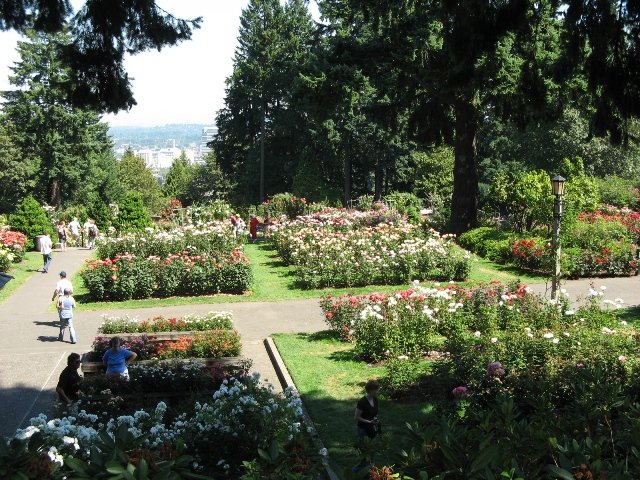
Explore nearby destinations such as Posies Café, the historic Kenton Firehouse, and the Columbia Slough nature trails. Peninsula Park and its renowned rose garden are a short drive away.
Environmental Significance
Kenton Park’s Nature Patch and mature tree canopy enhance urban biodiversity and provide a living classroom on native plants and pollinators. The park’s green space mitigates the urban heat island effect and is a vital part of Portland’s climate resilience efforts (portland.gov).
FAQ
Q: What are Kenton Park’s visiting hours?
A: Open daily from 5:00 AM to midnight.
Q: Is there an entrance fee or ticket required?
A: No, admission is free.
Q: Are dogs allowed in Kenton Park?
A: Yes, leashed dogs are welcome.
Q: Is Kenton Park accessible for people with disabilities?
A: Yes, with ADA-compliant paths, restrooms, and playground equipment.
Q: Are restrooms available?
A: Yes, public restrooms are available.
Q: What amenities are available?
A: Inclusive playground, splash pad (seasonal), sports fields, picnic areas, restrooms, and drinking fountains.
Q: Are there guided tours or special events?
A: Community events are held regularly; guided tours of the historic district are occasionally available (City Cast Portland).
Listen to the full story in the app
The whole Kenton Park,
told well.
Audio guides for 1,100+ cities across 96 countries. History, stories, and local insight — offline ready.

Verified, and shown.
Researched and written by the Audiala editorial team from historical records, architectural archives, and local expertise.
Researched from Wikidata, Wikipedia & official sources · fact-checked · How we make our guides →