Plan and listen to Hawthorne Bridge with Audiala.
Audio guide in your pocket, itinerary in your browser. Built for the way you actually visit.
Introduction
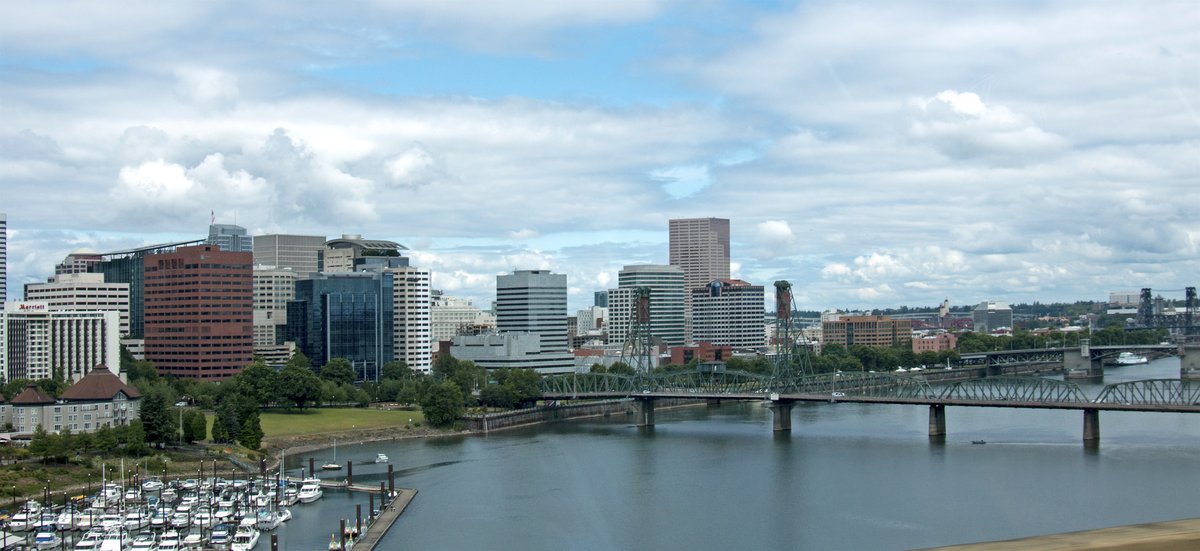
The Hawthorne Bridge, completed in 1910, is a cornerstone of Portland, Oregon’s identity as “Bridge City.” Recognized as the oldest operating vertical-lift bridge in the United States, it is both a vital transportation link and a symbol of the city’s commitment to sustainable urban mobility. The bridge’s rich history, innovative engineering, and scenic views make it a must-visit destination for locals and tourists alike. This guide provides comprehensive information on the Hawthorne Bridge’s history, architecture, visitor access, travel tips, nearby attractions, and cultural significance, ensuring you have all the details to make the most of your visit (Portland Monthly, Travel Portland, Multnomah County).

History and Construction
The Hawthorne Bridge was constructed in response to Portland’s early 20th-century growth, replacing the structurally unreliable Madison Street Bridge. Named after Dr. J.C. Hawthorne, a notable city physician, its creation marked a pivotal moment in Portland’s infrastructure development. Engineer firm Waddell & Harrington designed the bridge, and the Pennsylvania Steel Company completed its construction at a cost of $511,000, a significant investment for the era. Its completion in 1910 provided a reliable, multi-modal crossing that was crucial for the city’s expanding east and west sides (Portland Monthly).
Architectural and Engineering Significance
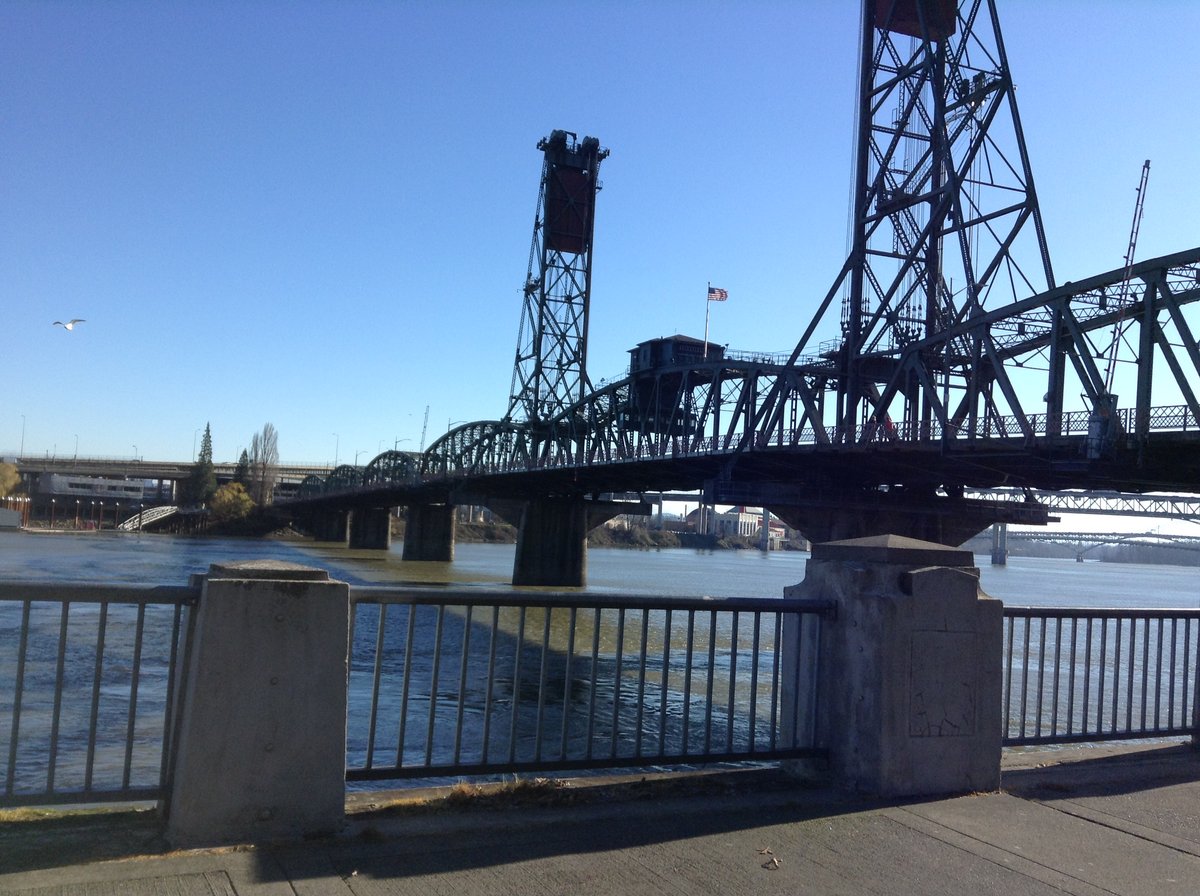
The Hawthorne Bridge stands out for its pioneering vertical-lift design, which was state-of-the-art at the time. Its main span can be raised 110 feet to allow river traffic, operated by counterweights and electric motors (originally steam-powered). The bridge measures 1,382 feet in total length with a 244-foot lift span, and features a robust steel truss structure. Its sidewalks—widened during the 1998–99 renovation—accommodate pedestrians, cyclists, and ensure accessibility for all.
Key engineering highlights include:
- Vertical-Lift Mechanism: Allows uninterrupted navigation for river vessels (Multnomah County).
- Pratt Through Truss: Provides strength and flexibility.
- Seismic Upgrades: Modern upgrades ensure resilience against earthquakes (Multnomah County).
The bridge’s distinctive green and yellow paint enhances its visibility and has become part of its iconic image.
Role in Portland’s Urban Development
The Hawthorne Bridge facilitates vital east-west connectivity, supporting neighborhood growth and commercial development on both sides of the river. Historically, it carried streetcars and horse-drawn wagons, evolving to accommodate cars, buses, cyclists, and pedestrians. Today, it is Oregon’s busiest bicycle and transit bridge, serving over 8,000 cyclists and 800 TriMet buses daily (Kiddle), reinforcing Portland’s reputation as a leader in sustainable, multi-modal transportation.
Visiting the Hawthorne Bridge
Visiting Hours and Access
The bridge is open 24/7 for pedestrians, cyclists, and vehicles. There is no admission fee or ticket required. Its sidewalks and bike lanes are accessible at all hours (Travel Portland).
Accessibility
Wide, smooth sidewalks and gentle ramps make the bridge fully accessible for wheelchairs, strollers, and mobility devices. The bridge’s approaches are designed for easy access from both riverbanks.
How to Get There
- By Public Transit: Multiple TriMet bus routes cross the bridge daily, and nearby stops serve both sides.
- By Bike/Foot: The bridge connects directly to the Eastbank Esplanade and Springwater Corridor, key urban trails for cyclists and pedestrians (Eastbank Esplanade PDF).
- By Car: Parking is available in downtown Portland and the Central Eastside, but spaces can be limited during peak times.
- By Streetcar: The Portland Streetcar runs close to the west end of the bridge.
Nearby Attractions
- Tom McCall Waterfront Park: Green space with river views and seasonal cherry blossoms.
- Eastbank Esplanade: A 1.5-mile riverfront trail ideal for walking, jogging, and cycling.
- Hawthorne District: Known for eclectic shops, dining, and music venues.
- Oregon Museum of Science and Industry (OMSI): Popular family attraction nearby.
- Other Bridges: Morrison, Marquam, and Tilikum Crossing offer additional viewpoints and architectural interest (Tracey & Michael).
Special Events
The bridge is featured in popular events like the annual Providence Bridge Pedal, when thousands of cyclists and pedestrians enjoy car-free access across Portland’s bridges (Travel Portland). Bridge lifts—up to 200 times monthly—are a unique spectacle for visitors.
Notable Events and Preservation Efforts
Renovations and Upgrades
Major rehabilitations in the 1940s, 1980s, and 1998–99 have preserved the bridge’s historic character while enhancing safety and accessibility. Upgrades include seismic retrofitting, replacement of the deck with lightweight concrete, modernization of the lift mechanism, and the introduction of LED lighting for energy efficiency (Multnomah County).
Cultural Recognition
The Hawthorne Bridge was added to the National Register of Historic Places in 2012, acknowledging its architectural and civic significance (Kiddle). Its silhouette is a favored subject in art, photography, and local media, and it has appeared in films such as "The Hunted" (2003).
Frequently Asked Questions (FAQ)
Q: What are the Hawthorne Bridge visiting hours?
A: The bridge is open 24/7 with no admission fees.
Q: Is the bridge wheelchair accessible?
A: Yes, it is fully accessible for wheelchairs, strollers, and mobility devices.
Q: Are tickets required to visit?
A: No tickets or permits are required.
Q: When can I see the bridge lifts?
A: Lifts occur up to 200 times monthly, typically in response to river traffic. Schedules are posted by the city.
Q: Are guided tours available?
A: No regular tours, but some local walking and cycling tours include the bridge. Check the Multnomah County website for updates on special events.
Q: What are some nearby attractions?
A: Tom McCall Waterfront Park, Eastbank Esplanade, OMSI, and the Hawthorne District.
Visuals and Media


For more photos and virtual tours, visit the official Travel Portland Hawthorne Bridge page.
Listen to the full story in the app
The whole Hawthorne Bridge,
told well.
Audio guides for 1,100+ cities across 96 countries. History, stories, and local insight — offline ready.
Verified, and shown.
Researched and written by the Audiala editorial team from historical records, architectural archives, and local expertise.
Researched from Wikidata, Wikipedia & official sources · fact-checked · How we make our guides →