Plan and listen to Delta Park with Audiala.
Audio guide in your pocket, itinerary in your browser. Built for the way you actually visit.
Introduction to Delta Park
Delta Park in North Portland, Oregon, stands as one of the city's most dynamic urban parks—an intersection of natural beauty, community recreation, and layered history. Once the homeland of Indigenous Upper Chinook peoples and later the bustling wartime city of Vanport, the area was transformed into a major public green space after the devastating 1948 flood. Today, Delta Park offers expansive sports facilities, wetlands, cultural events, and memorials that honor its unique past. This guide provides detailed information on Delta Park’s visiting hours, ticketing, accessibility, amenities, and nearby attractions, ensuring you make the most of your visit.
For further details, consult Portland Parks & Recreation and resources like Delta Park on Wikipedia, Travel Portland, and the Estuary Partnership.

Delta Park History: From Ancestral Lands to Urban Park
Indigenous Heritage
Before becoming a city park, the land that is now Delta Park was home to the Upper Chinook bands, notably the Multnomah and Cascades Indians. These Indigenous peoples relied on the Columbia and Willamette Rivers for sustenance, trade, and transportation, thriving in this resource-rich delta for centuries. The arrival of European settlers and devastating epidemics in the 19th century dramatically altered this landscape (History of Portland, Oregon).
Vanport City: Creation, Flood, and Legacy
Rise of Vanport
During WWII, rapid industrial expansion created a housing shortage in Portland. Industrialist Henry J. Kaiser led the construction of Vanport City in 1942—a planned community built in under a year for shipyard workers. At its height, Vanport was Oregon’s second-largest city, with over 40,000 residents, including a significant African American population. The city featured schools, libraries, and cultural amenities, symbolizing wartime mobilization and social change (Vanport, Oregon; Arts & Culture: The Vanport Flood).
The 1948 Flood
Vanport was built on low-lying floodplain protected by levees. On May 30, 1948, a levee breach caused by heavy rains and snowmelt sent a 12-foot wall of water through the city, destroying it within hours. At least 15 lives were lost and more than 18,500 people were left homeless—many of them African American. The disaster forever changed Portland’s demographics and prompted new flood control policies (Delta Park - Estuary Partnership; Vanport, Oregon).
Legacy and Remembrance
In the aftermath, many displaced Vanport residents resettled in North and Northeast Portland, contributing to the city’s cultural diversity. The annual Vanport Mosaic Festival and interpretive signage throughout the park preserve the memory of Vanport’s unique legacy (Arts & Culture: The Vanport Flood).
Park Development and the Delta Dome Proposal
After the flood, the land lay vacant until Portland Parks & Recreation acquired it in 1960, transforming it into Delta Park. There was a notable but unrealized proposal in the 1960s to build the “Delta Dome”—an Olympic-scale stadium that was ultimately rejected by voters (Delta Dome - Wikipedia).
Park Features and Layout
East & West Delta Park
Delta Park covers nearly 97 acres and is bisected by I-5 into East and West sections, each offering distinct amenities (mypacer.com).
- East Delta Park: Home to the Owens Sports Complex, playgrounds, and picnic areas.
- West Delta Park: Features the Portland International Raceway, Heron Lakes Golf Course, and Force Lake—a haven for birdwatchers (snoflo.org).
Owens Sports Complex
The region's premier sports hub, Owens Sports Complex includes:
- Nine regulation soccer fields (grass/turf)
- Seven baseball/softball diamonds
- Multi-use open fields
- Modern playgrounds and shaded picnic spots
Field reservations are required for organized team use (Portland Parks & Recreation).
Wetlands and Wildlife
Delta Park’s restored wetlands, including the Delta Ponds and Columbia Slough, support diverse bird, fish, and plant species. Interpretive signs offer ecological and historical insights. The park is popular for nature walks, birdwatching, and hands-on environmental education.
Visiting Hours, Tickets, and Accessibility
- General Hours: Delta Park is open daily from 6 a.m. to 10 p.m. (portland.gov). Some facilities, like the raceway and golf course, have their own schedules.
- Admission: Free general entry. Fees apply for sports field reservations, golf, and raceway events.
- Accessibility: ADA-compliant paths, restrooms, and adaptive sports facilities ensure inclusivity (Travel Portland).
- Pets: Leashed dogs are welcome (except on active sports fields).
Facilities, Amenities, and Special Events
- Parking: Multiple lots with free parking; fees may apply for major events (Parking NW).
- Restrooms: Clean and accessible throughout the park.
- Picnic Areas: Reservable shelters and open lawns for gatherings.
- Playgrounds: Modern equipment and shaded seating.
- Fitness Trails: Paved/unpaved paths for walking, running, and biking.
- Annual Events:
- Delta Park Powwow and Encampment: Celebrates Native American culture every June (travelportland.com).
- Vanport Mosaic Festival: Honors Vanport’s legacy through art, music, and storytelling.
- Year-round sports tournaments, cultural festivals, and outdoor concerts.
Tips for Visiting, Parking, and Transportation
- Arrive early during weekends and major events for optimal parking.
- TriMet bus lines and the Delta Park/Vanport MAX station (Yellow Line) provide easy public transit access.
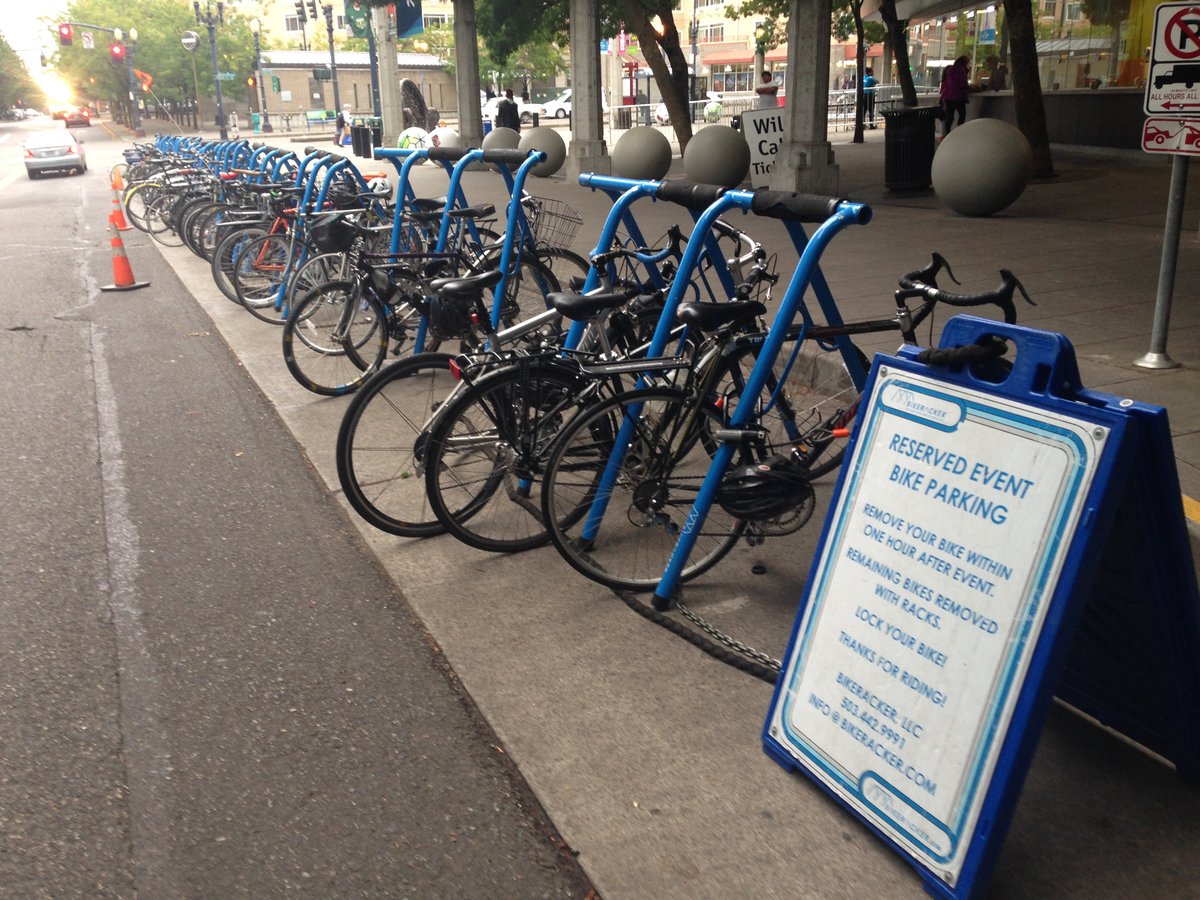
- Bike racks and trail connections make cycling a convenient option.
- Contact Portland Parks & Recreation at 503-823-4000 for field reservations and accommodations.
Nearby Portland Historical Sites and Attractions
Enhance your visit by exploring:
- St. Johns neighborhood: Local shops and eateries.
- Fort Vancouver National Historic Site: Across the river in Washington.
- Portland Japanese Garden and OMSI: Short drives from Delta Park.
- Columbia Slough: Adjacent for birdwatching and nature walks.
Frequently Asked Questions (FAQ)
Q: What are Delta Park’s hours?
A: Open daily from 6 a.m. to 10 p.m. Some facilities may differ.
Q: Is there an admission fee?
A: No fee for general entry; some activities (raceway, golf, reserved fields) require payment.
Q: Is Delta Park accessible?
A: Yes—ADA paths, restrooms, and adaptive sports available.
Q: Are pets allowed?
A: Yes, with leash requirements except on sports fields.
Q: How do I reserve fields or shelters?
A: Call 503-823-2525 or visit the official park website.
Q: What special events are held at Delta Park?
A: Annual Powwow, Vanport Mosaic Festival, sports tournaments, and more.
Listen to the full story in the app
The whole Delta Park,
told well.
Audio guides for 1,100+ cities across 96 countries. History, stories, and local insight — offline ready.
Verified, and shown.
Researched and written by the Audiala editorial team from historical records, architectural archives, and local expertise.
Researched from Wikidata, Wikipedia & official sources · fact-checked · How we make our guides →