Plan and listen to Cathedral Park with Audiala.
Audio guide in your pocket, itinerary in your browser. Built for the way you actually visit.
Introduction
Cathedral Park, nestled beneath the majestic Gothic arches of the St. Johns Bridge in Portland, Oregon, is a celebrated urban oasis that weaves together the city’s rich history, natural beauty, and vibrant community life. Spanning 23 acres along the Willamette River, the park is a destination for relaxation, recreation, and cultural engagement, drawing visitors with its iconic bridge, riverside setting, and year-round events. Once a neglected stretch of riverbank, Cathedral Park has been transformed into a symbol of community revitalization and inclusivity. With amenities like accessible paths, picnic areas, a dog park, and river access for boating, the park is open and free daily from dawn to dusk. Its deep Indigenous heritage, pivotal role in the Lewis and Clark Expedition, and annual Cathedral Park Jazz Festival—the oldest free jazz festival west of the Mississippi—make it a true Portland landmark.
This guide provides a comprehensive overview for history enthusiasts, nature lovers, and cultural explorers alike. You’ll find essential visitor information, historical context, festival highlights, accessibility tips, and suggestions for making the most of your experience at Cathedral Park. For further reading, refer to resources like Atlas Obscura, City Cast Portland, and Portland’s official neighborhood page.


Indigenous and Early American History
Long before Portland’s urban neighborhoods took shape, the land now known as Cathedral Park was a vital gathering place for Native American tribes, including the Multnomah, Kathlamet, Clackamas (Chinook), Tualatin Kalapuya, and Molalla (City Cast Portland). The Willamette River’s abundant resources made the site a seasonal fishing and camping ground. In 1806, the Lewis and Clark Expedition camped at this site, marking it as one of their documented landing spots and underscoring its importance as a point of transit and exchange (Atlas Obscura; KGW).
19th Century Settlement and Development
European-American settlers arrived in the mid-1800s, led by James John, who founded the St. Johns community and operated a ferry across the Willamette River (OregonLive). This fostered commerce and laid the groundwork for St. Johns’ growth, eventually integrating the area into greater Portland.
The St. Johns Bridge: Engineering and Symbolism
The St. Johns Bridge, constructed between 1929 and 1931, is an engineering marvel designed by David B. Steinman and Holton D. Robinson (Wikipedia; Timothy Harlow). Its 400-foot Gothic towers and sweeping arches, painted a weathered green-blue, inspired the park’s name and have become a defining feature of the neighborhood. The bridge connected St. Johns to the rest of Portland, spurring economic growth and symbolizing hope for the community (OregonLive).
Decline and Neglect
For decades, the land under the bridge remained undeveloped and fell into neglect, serving as a dumping ground and the site of a notorious 1949 crime (KGW). The City of Portland acquired the site in 1968, setting the stage for renewal.
Community Revival and Park Creation
Grassroots activism led by Howard Galbraith in the 1970s, along with public fundraising, resulted in $7.5 million being raised to transform the area into a public park (Atlas Obscura). Cathedral Park was dedicated on May 3, 1980, its name inspired by a 1968 photograph highlighting the bridge’s “cathedral-like” arches. A time capsule was sealed into the Wall of History in the Memorial Garden, set to be opened in 2030 (KGW).
Visiting Cathedral Park: Hours, Tickets, and Accessibility
Visiting Hours and Admission
Cathedral Park is open daily from dawn to dusk. There is no admission fee or ticket required, ensuring accessibility for all visitors.
Accessibility
The park features paved, wheelchair-accessible pathways, ADA-compliant restrooms, and accessible picnic areas (portland.gov). Translation and interpretation services are also available upon request.
Getting There
- By Car: Follow North Lombard Street west to St. Johns; parking is available near the park entrance and along neighborhood streets.
- By Public Transit: TriMet bus lines 44 and 75 have stops within walking distance.
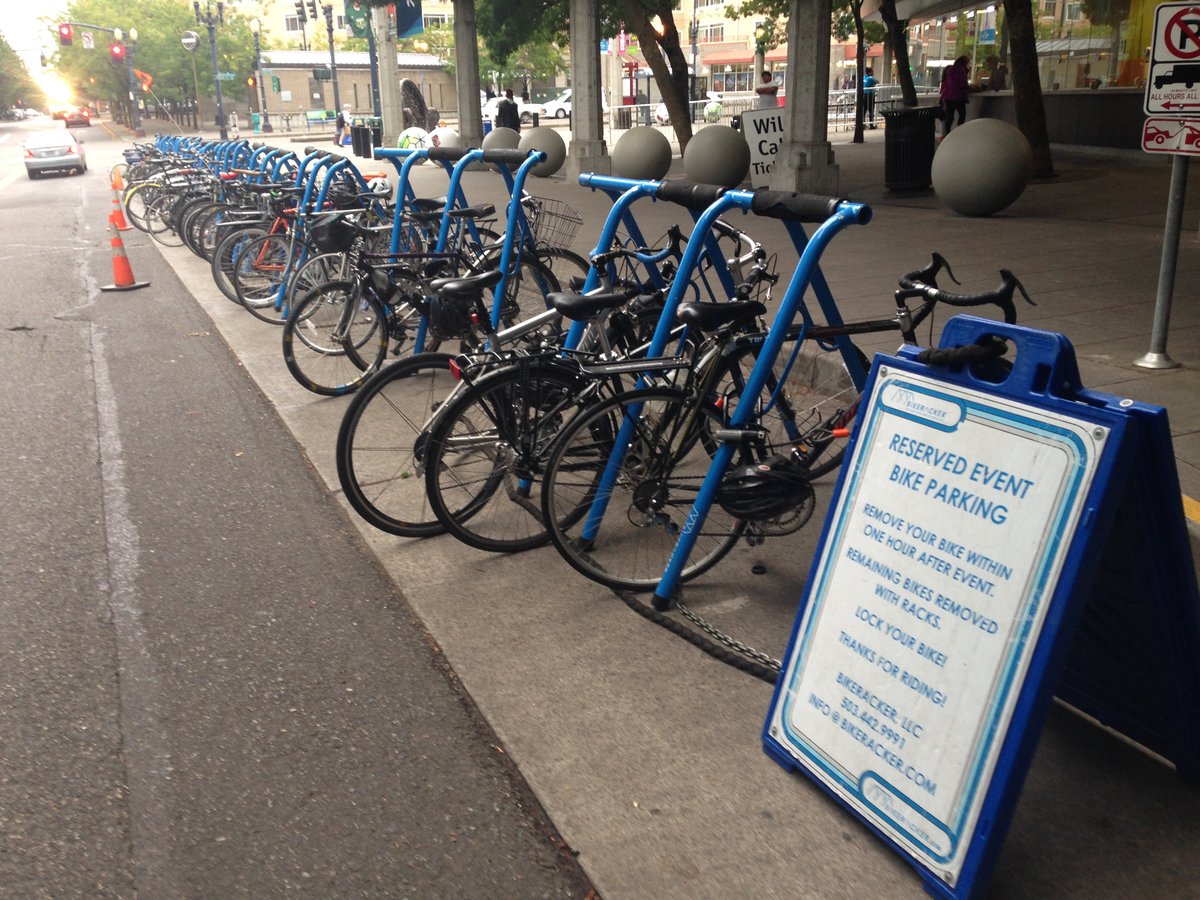
- By Bike: The park connects to Portland’s bike network and has on-site bike racks.
Nearby Attractions
Explore the adjacent St. Johns neighborhood for local shops and cafés, or enjoy further recreation along the Willamette River, such as kayaking or fishing.
Unique Features and Visitor Tips
- Photography: Capture stunning bridge views, especially at sunrise or sunset (hunnicuttphotography.com).
- Picnics: Use the many picnic tables and benches; bring blankets or chairs during events.
- Recreation: Enjoy walking, jogging, cycling, birdwatching, and river access for boating (snoflo.org).
- Dog Park: A designated off-leash area is available.
- Events: Check the Cathedral Park event calendar for the latest activities.
Visitor Tips:
- Wear comfortable shoes for mixed terrain.
- Dogs must be leashed except in the off-leash area.
- Arrive early for parking during festivals.
- Restrooms have limited hours; plan your visit accordingly.
Cultural Significance and Community Events
Cathedral Park is a hub for cultural engagement and neighborhood pride. The annual Cathedral Park Jazz Festival, launched in 1981, is the oldest and largest free jazz and blues festival west of the Mississippi (Travel Portland; Portland Living on the Cheap). The park also hosts block parties, community clean-ups, and recreational classes, strengthening social ties and fostering civic participation (Cathedral Park Neighborhood Association; NPNSINC).
Social and Economic Impact
Community Hub
The park and nearby St. Johns Community Center are essential resources for recreation, education, and social connection, offering after-school care, summer camps, and programs for all ages (The Tourist Checklist). Volunteerism, coordinated by groups like NPNSINC and the CPNA, supports everything from habitat restoration to event planning.
Addressing Socioeconomic Needs
With about 14% of residents in the area living below the federal poverty line, Cathedral Park and its community center provide vital support and affordable programming (NPNSINC).
Environmental Stewardship and Urban Green Space
Community initiatives have restored native habitats, created pollinator “nature patches,” and addressed past industrial pollution and soil contamination (City Cast Portland; Portland Ghosts). The park’s riverside location supports biodiversity and serves as a natural buffer for the neighborhood.
Neighborhood Cohesion and Identity
Cathedral Park’s distinct character is reinforced by the Cathedral Park Neighborhood Association. The park acts as a focal point for community life, helping to shape a unique neighborhood identity (Love Portland). Its proximity to St. Johns supports local businesses and boosts economic activity during events and festivals.
Memorialization and Difficult Histories
The 1949 murder of Thelma Anne Taylor beneath the bridge is a somber part of the park’s history, memorialized through local stories and reminders of the importance of safety and resilience (Portland Ghosts).
Cathedral Park Jazz Festival 2025: Essential Information
Dates: July 18–20, 2025
Hours: 12:00 PM – 8:00 PM daily
Admission: Free; no tickets required
Programming: Jazz, blues, and rhythm & blues performances by local and national acts (Jazz Society of Oregon).
Visitor Reminders:
- Bring blankets/low chairs
- No outside alcohol; enjoy food/beverages from vendors
- Only service animals allowed
- Parking is limited; use public transit or bike
For more details:
Frequently Asked Questions (FAQ)
Q: What are Cathedral Park’s hours?
A: Daily from dawn to dusk (some sources specify 5:00 AM to 10:00 PM).
Q: Is there an entrance fee?
A: No, admission is free.
Q: Is the park accessible?
A: Yes, there are paved, wheelchair-accessible paths and ADA-compliant restrooms.
Q: Are pets allowed?
A: Yes, with a designated off-leash area for dogs.
Q: How do I get there via public transit?
A: TriMet bus lines 44 and 75 stop nearby.
Q: When is the Cathedral Park Jazz Festival?
A: July 18–20, 2025.
Related Articles and Internal Links
- Exploring the St. Johns Neighborhood
- Top Free Outdoor Events in Portland
- Portland’s Best Urban Parks for Families
- Historic Landmarks of Portland
- Portland’s Best Urban Parks
Discover More
Cathedral Park is a testament to Portland’s history, community dedication, and environmental stewardship. Whether you visit for a quiet riverside walk, vibrant festivals, or a glimpse into local heritage, Cathedral Park offers something for everyone. Stay up to date on events and tips by downloading the Audiala app, and follow local organizations like the Jazz Society of Oregon for the latest news. Share your experiences using #CathedralParkPDX and help celebrate this unique Portland landmark.
Listen to the full story in the app
The whole Cathedral Park,
told well.
Audio guides for 1,100+ cities across 96 countries. History, stories, and local insight — offline ready.
Verified, and shown.
Researched and written by the Audiala editorial team from historical records, architectural archives, and local expertise.
Johns Bridge, 2024, Wikipedia
Johns Bridge in Portland, 2024, Timothy Harlow
Researched from Wikidata, Wikipedia & official sources · fact-checked · How we make our guides →