History
Opened in the late 1920s and confirmed operational by January 1930, the Bob White Theatre was part of Portland’s golden age of neighborhood cinemas. It offered affordable entertainment and served as a gathering place for the Arleta community. Its early adoption of sound-film technology enabled it to screen the latest “talkies” (Silent Era).
Named after Bob White, a local showman and World War I Navy veteran, the theatre was part of a local chain of cinemas (OregonLive). Though modest compared with downtown’s movie palaces, its single-screen auditorium was designed for acoustics and viewing comfort as sound films became standard. Its marquee remains a fixture on Foster Road (PdxHistory.com).
The theatre showed Hollywood blockbusters and newsreels, as well as martial arts and Spanish-language films in later decades, reflecting the changing tastes and demographics of southeast Portland. It also served as a cultural bridge for immigrant communities.
With the rise of television and multiplex cinemas, the theatre declined and eventually closed in the 1980s. It was later used as a private residence and as storage by a pipe organ enthusiast (Silent Era). Owner Nick Storie began restoration efforts in 2012 to return it to use as a community gathering place. After decades of closure, the restoration renewed hopes for neighborhood revitalization. The revival has the potential to encourage new businesses and neighborhood pride, with success dependent on sustained community involvement and responsive management. The theatre remains a symbol of local identity and shared history, and its preservation and programming contribute to Portland’s tradition of neighborhood cinemas (OregonLive).
What to See and Experience
The marquee and façade offer a glimpse of Portland’s cinematic past. Inside, visitors will find a traditional single-screen auditorium with comfortable sightlines. The theatre’s events include independent, classic, and cult film screenings; live music concerts; theatre and spoken-word performances; comedy nights; community art shows; cultural festivals; and other community gatherings. Its programming is still developing, with events reconnecting the venue to its community roots (OregonLive).
High-quality images of the marquee and interior, interactive maps, and photo galleries are often available through the theatre’s website. Virtual tours are also offered during special events.
Practical Visiting Information
Location and Accessibility
- Address 6423 SE Foster Road, Portland, OR 97206 (Google Maps)
- Neighborhood Foster-Powell, known for its community spirit and diverse local businesses.
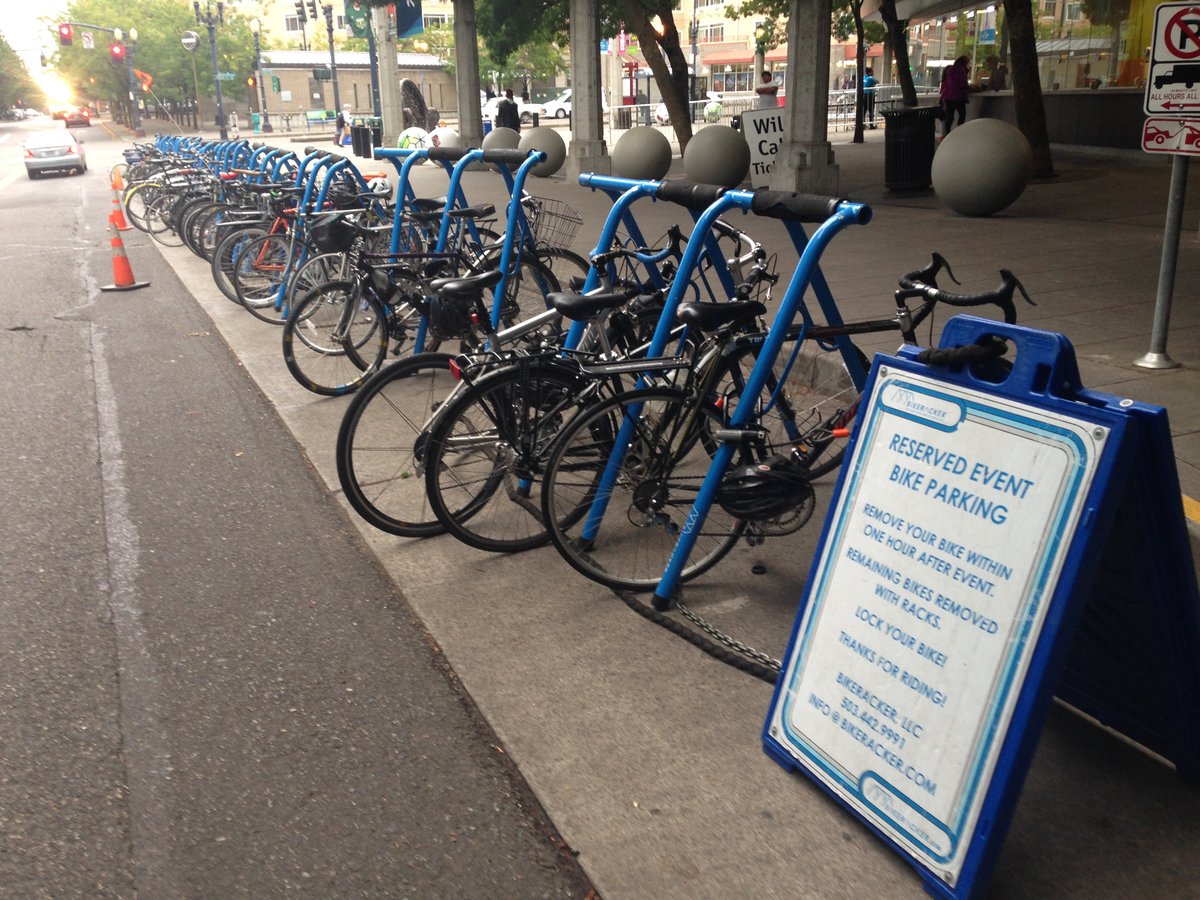
The theatre is accessible by car, bicycle, and public transit, including TriMet bus routes serving Foster Road. Street parking is available but may be limited during events, particularly those with high attendance. Bike racks are available nearby.
As a historic building, some accessibility features may be limited. Visitors with mobility needs should contact theatre management ahead of their visit to confirm available accommodations. Restrooms have been modernized and are described as accessible, though limitations may apply.
Visiting Hours and Tickets
The theatre does not have regular daily hours; it opens for scheduled events, film screenings, concerts, and community gatherings. Check the official website or the theatre’s social media pages for current event times and announcements.
Tickets are available online through the official website, through links on the theatre’s social media, or at the door, subject to availability and the event. Prices typically range from $5 to $30, depending on the event. Advance purchase is recommended for popular screenings and performances.
Facilities and Amenities
Concessions may include snacks, beverages, local craft beer, and wine; offerings vary by event. Free public Wi-Fi is provided through the Personal Telco Project (Personaltelco.net).
Tips for Visitors
- Arrive early for better seating and a more relaxed experience.
- Dress for Portland’s unpredictable weather; layers are recommended (TravelAwaits).
- Check event policies, as rules for food, drink, and photography may vary.
- Photography policies vary: the marquee and façade are popular photo spots, while interior photography may be restricted during performances.
- Guided tours are occasionally offered during special events; watch the theatre’s website or social media for announcements.
- Explore Foster-Powell’s dining and shopping before or after an event.
- The neighborhood is welcoming and diverse. Standard urban safety precautions are advised; events are well-staffed, and the theatre is well-lit during operations.
- Visitors can support ongoing restoration by attending events or volunteering.
Nearby Places
- Hollywood Theatre A restored 1926 movie palace offering independent and classic film screenings.
- Jade District Known for Asian markets, restaurants, and cultural events.
- Mount Tabor Park A scenic park built on an extinct volcano, with hiking and city views.
- Local dining Rose VL Deli and other Foster-Powell eateries.
Frequently Asked Questions (FAQs)
Q: What are the Bob White Theatre’s visiting hours?
A: Hours depend on scheduled events. Check the official website or social media channels for the latest information.
Q: How do I purchase tickets?
A: Tickets are available online, through links on the theatre’s social media, or at the door, subject to availability.
Q: Is the Bob White Theatre wheelchair accessible?
A: Accessibility may be limited because of the building’s historic nature. Contact the theatre ahead of your visit to ask about specific accommodations.
Q: Are guided tours available?
A: Guided tours are occasionally offered during special events. Watch for announcements on the theatre’s website or social media.
Q: Can I take photos inside the theatre?
A: Photography policies vary. The marquee and façade are popular photo spots; interior photography may be restricted during performances.