Plan and listen to Ainu And Native American Power Boards with Audiala.
Audio guide in your pocket, itinerary in your browser. Built for the way you actually visit.
Introduction
Portland, Oregon, is a city renowned for its commitment to cultural diversity and the celebration of Indigenous heritage. Among its most compelling public art installations are the Ainu and Native American Power Boards, which stand as striking symbols of cross-cultural collaboration and Indigenous resilience. These monumental wooden carvings—located outside the Oregon Convention Center and featured within the Portland Japanese Garden—honor the artistry, spiritual traditions, and enduring legacies of the Ainu people of northern Japan and the Native American tribes of the Pacific Northwest. This guide provides a detailed overview of the Power Boards, their origins, cultural significance, visitor information, and tips for a meaningful experience.
Origins and Cultural Context
The Ainu: Indigenous Heritage from Northern Japan
The Ainu are one of Japan’s oldest Indigenous populations, with origins tracing back over 12,000 years to the Jomon culture (The Archaeologist). Their culture is characterized by profound spiritual beliefs and a deep connection to nature, expressed through hunting, fishing, and sophisticated artistry. The Ainu are renowned for their woodcarving, embroidery, beadwork, and textiles, all of which are imbued with symbolic meaning and spiritual power (Springer Link). Today, efforts to revitalize the Ainu language and traditions continue, supported by institutions like the Upopoy National Ainu Museum and Park.
Native American Peoples of the Pacific Northwest
Portland is located on the ancestral lands of several Native American tribes, including the Multnomah, Chinook, Clackamas, Kathlamet, Tualatin Kalapuya, and Molalla (Travel Portland). These communities have thrived along the Columbia and Willamette rivers for thousands of years, developing rich woodworking traditions such as canoe construction, plankhouses, and ceremonial objects. Native artistry often features animal totems, river motifs, and geometric patterns that express spiritual beliefs and strong ecological ties.
The Power Boards: Artistic Collaboration and Symbolism
The Ainu and Native American Power Boards are the result of a cultural exchange initiative known as the “Forest of Dreams” exhibition (Japanese Garden). This project, part of the 60th anniversary of the Portland–Sapporo sister-city relationship, brought together master carvers from Hokkaido and the Columbia River Basin. Artists including Takeki Fujito, Mamoru Kaizawa, Toru Kaizawa (Ainu), and Greg Archuleta, Tony Johnson, Bobby Mercier, Travis Stewart, and Greg A. Robinson (Native American) collaborated to create these monumental works (Japanese Garden). The boards incorporate motifs from Ainu ikupasuy (prayer sticks) and Native American paddles, reflecting themes of environmental stewardship, spirituality, and community resilience.
Visiting the Power Boards: Hours, Tickets, and Accessibility
Oregon Convention Center Installation
- Location: Outside the Oregon Convention Center, accessible from TriMet MAX light rail (Blue, Red, and Green lines) and several bus routes.
- Hours: Outdoor installation is accessible 24/7, year-round.
- Admission: Free to the public.
- Accessibility: Wheelchair accessible, with paved paths and nearby public transit.
Portland Japanese Garden Display
- Address: 611 SW Kingston Avenue, Portland, OR 97205
- Hours: Open daily, typically 10:00 am–5:30 pm (check official hours for seasonal changes).
- Tickets: Admission required ($22.50 for adults; discounts for students, seniors, children).
- Accessibility: Most paths are wheelchair accessible; some may be gravel or uneven.
- Special Exhibitions: The “Forest of Dreams” and “Parallel Worlds” exhibitions feature the Power Boards during cultural festivals and special events.
For more detailed information, visit the Oregon Convention Center website and Travel Portland’s Native American culture page.
Frequently Asked Questions (FAQ)
Q: Are the Power Boards accessible year-round?
A: Yes, the outdoor installation at the Oregon Convention Center is open 24/7. The Portland Japanese Garden displays them during special exhibitions and events; check their events calendar for details.
Q: Is there an admission fee?
A: The Oregon Convention Center installation is free. The Portland Japanese Garden requires an admission ticket.
Q: Are guided tours available?
A: Yes, guided tours are offered at the Japanese Garden during festivals and by appointment. Special events often include artist talks and demonstrations.
Q: Can I take photographs?
A: Personal photography is generally allowed, but always check for posted guidelines, especially for special exhibitions.
Q: Are the sites accessible for visitors with disabilities?
A: Both sites are wheelchair accessible, though some paths at the Garden may be uneven.
Notable Artists and Collaborative Projects
- Ainu Artists: Takeki Fujito, Mamoru Kaizawa, Toru Kaizawa, Maki Sekine (embroidery and attus weaving), Hibiki Yamamichi (performer).
- Native American Artists: Greg Archuleta, Tony Johnson, Bobby Mercier (language specialist), Travis Stewart, Greg A. Robinson.
Their joint works blend traditional and contemporary techniques, creating art that honors both cultural heritage and modern revitalization efforts.
Supporting Indigenous Artists and Language Revitalization
Purchasing authentic crafts at exhibitions or local markets directly supports Indigenous artists. Donations to organizations like the Portland Japanese Garden and the Confederated Tribes of Grand Ronde help fund cultural preservation and language revitalization programs (Support Portland Japanese Garden). The boards also highlight ongoing work to revive endangered languages such as Ainu and Chinuk Wawa.
Planning Your Visit: Logistics and Nearby Attractions
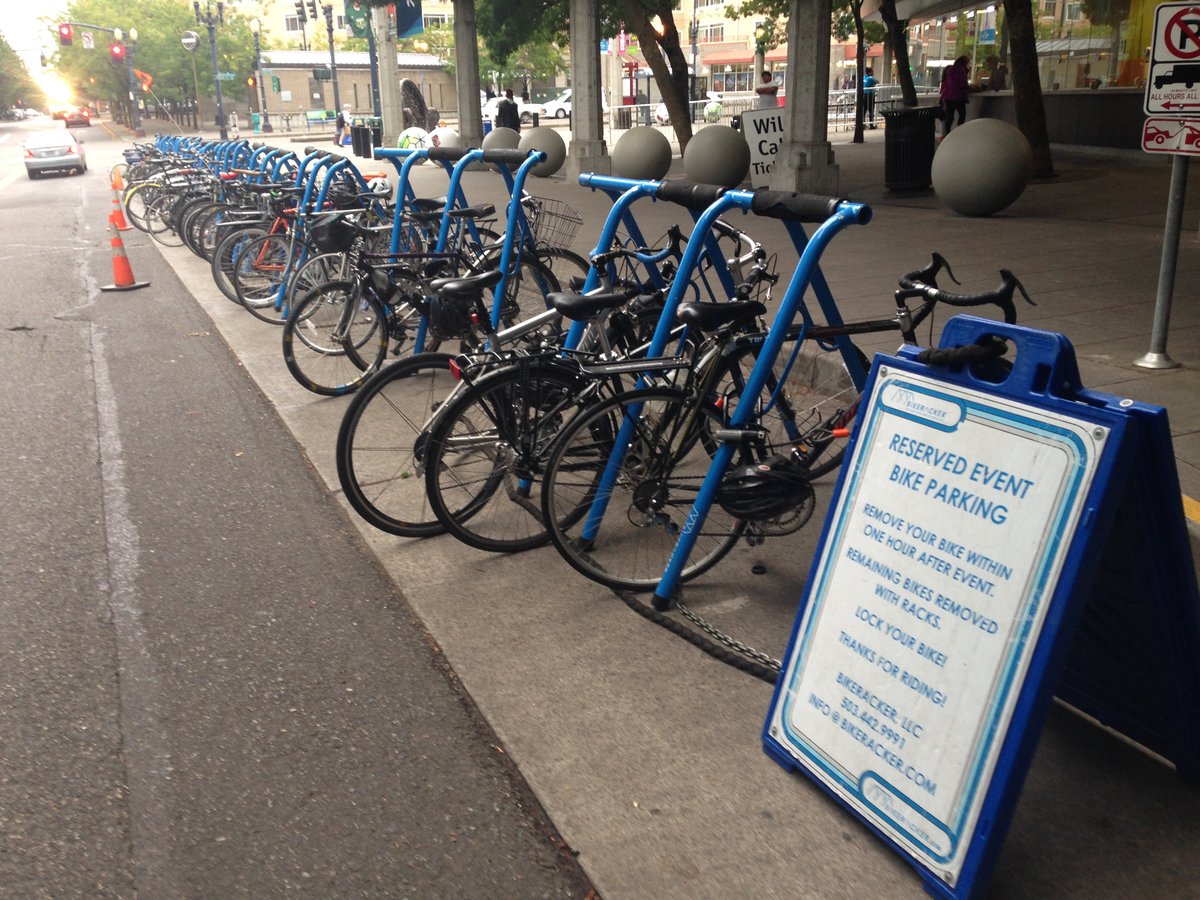
- Transportation: Both the Oregon Convention Center and Japanese Garden are accessible by public transit, car, and bicycle. Parking may be limited during events.
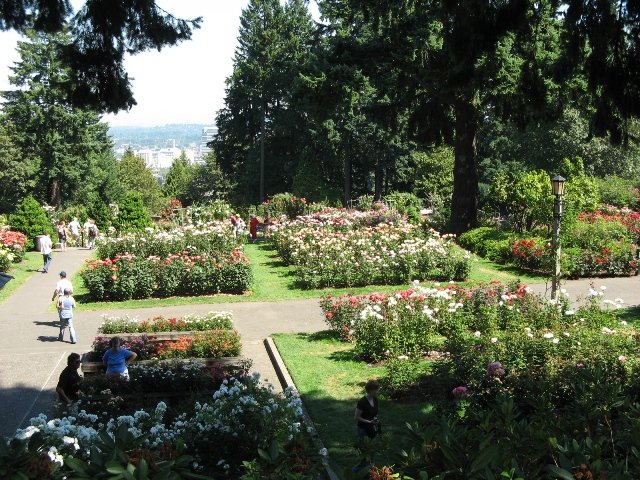
- Nearby Attractions: Washington Park (Oregon Zoo, Hoyt Arboretum), Portland Art Museum, International Rose Test Garden, and the Oregon Museum of Science and Industry.
- Best Times to Visit: Coincide your visit with cultural festivals like "Forest of Dreams," Obon: Sapporo Cultural Festival, or Indigenous Peoples’ Day for workshops, performances, and artist interactions.
Listen to the full story in the app
The whole Ainu And Native American Power Boards,
told well.
Audio guides for 1,100+ cities across 96 countries. History, stories, and local insight — offline ready.

Verified, and shown.
Researched and written by the Audiala editorial team from historical records, architectural archives, and local expertise.
Researched from Wikidata, Wikipedia & official sources · fact-checked · How we make our guides →