Plan and listen to Woodland Terrace with Audiala.
Audio guide in your pocket, itinerary in your browser. Built for the way you actually visit.
Introduction to Woodland Terrace Philadelphia
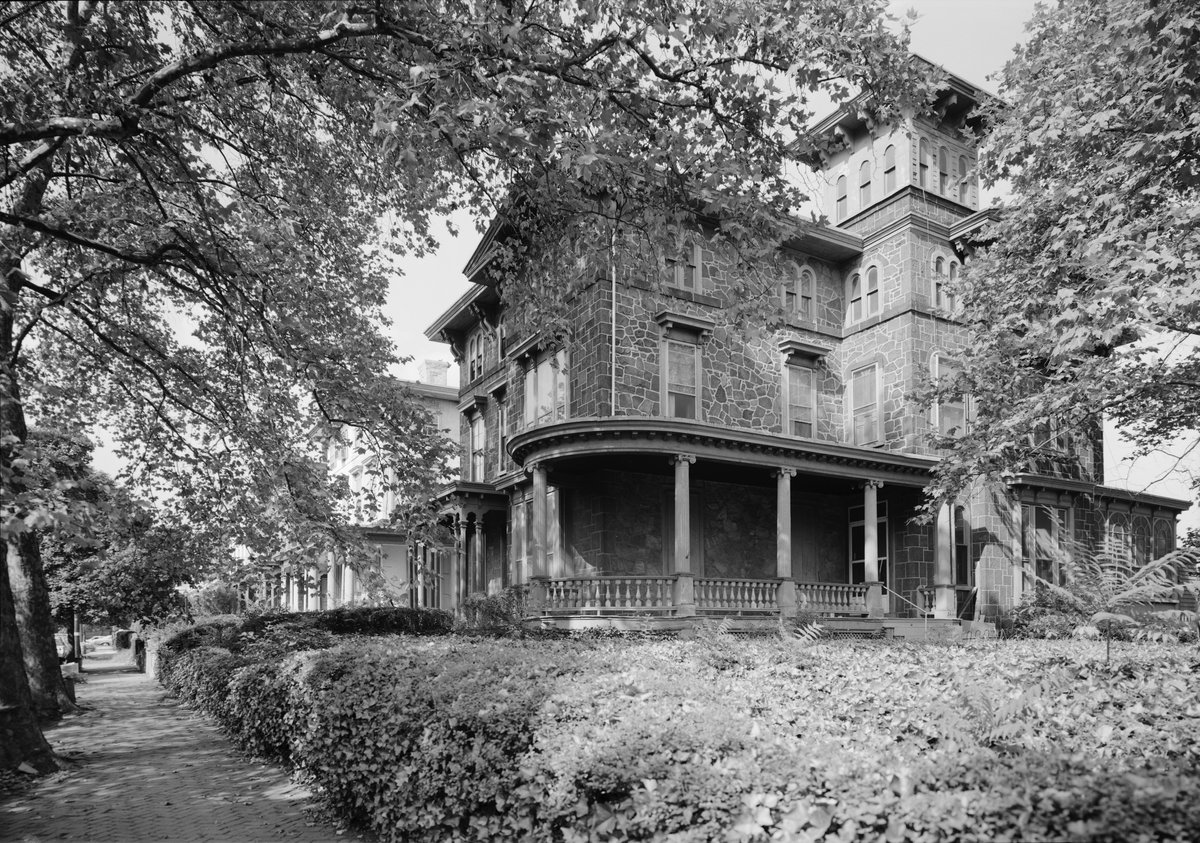
Woodland Terrace in West Philadelphia’s University City stands as a remarkable showcase of 19th-century suburban planning and architectural elegance. Developed in the early 1860s by Charles M.S. Leslie and designed by Samuel Sloan, this historic street features a harmonious collection of Italianate villas, ornate cornices, wrap-around porches, decorative ironwork, and lush, tree-lined avenues. As a living record of the streetcar suburb era, Woodland Terrace reflects both the social and cultural evolution of Philadelphia and the aspirations of its residents, including figures like architect Paul Philippe Cret and suffragist Dr. Anna Howard Shaw (collaborativehistory.gse.upenn.edu; lostinphiladelphia.com; woodlandsphila.org).
Woodland Terrace is a public residential street, open to visitors year-round without the need for tickets or formal visiting hours. Its accessibility, historical significance, and proximity to The Woodlands Cemetery and Mansion, the University of Pennsylvania, and Baltimore Avenue’s vibrant commercial scene make it a favorite for history buffs, architecture fans, and casual explorers (visitphilly.com; uchs.net). This guide provides a comprehensive overview of Woodland Terrace’s history, its architectural and cultural significance, notable residents, practical visitor information, and tips for exploring nearby attractions.

Early Origins and Development
Woodland Terrace was established in the context of West Philadelphia’s transformation from Lenape land to a thriving 19th-century suburb. The expansion of rail and streetcar lines, alongside Charles M.S. Leslie’s vision, set the stage for the area’s development. In 1857, Leslie obtained state approval to create Woodland Terrace, a new north-south street between Baltimore Pike and Darby Road, with input from the celebrated architect Samuel Sloan (collaborativehistory.gse.upenn.edu).
Leslie’s efforts resulted in a picturesque enclave that mirrored the era’s ideals of suburban tranquility—wide setbacks, unified landscaping, and a design philosophy rooted in comfort and beauty. Sloan’s influence helped establish Woodland Terrace as a model for Philadelphia’s streetcar suburbs.
Architectural Significance
Completed in 1861–1862, Woodland Terrace is a cohesive streetscape of Italianate villas—three- and four-story homes with ornate wrap-around porches, decorative ironwork, wide cornices, and expansive windows. Sloan’s designs here are among his most significant surviving works, exemplifying the “picturesque” movement and setting Woodland Terrace apart from the city’s typical rowhome blocks (blog.phillyhistory.org; visitphilly.com).
Key architectural features include:
- Bracketed cornices and tall, narrow windows
- Cast-iron fences and decorative woodwork
- Spacious high-ceilinged interiors and large porches
- Later additions, such as the Queen Anne-style Wilson Eyre House, further enrich the architectural landscape (lostinphiladelphia.com).
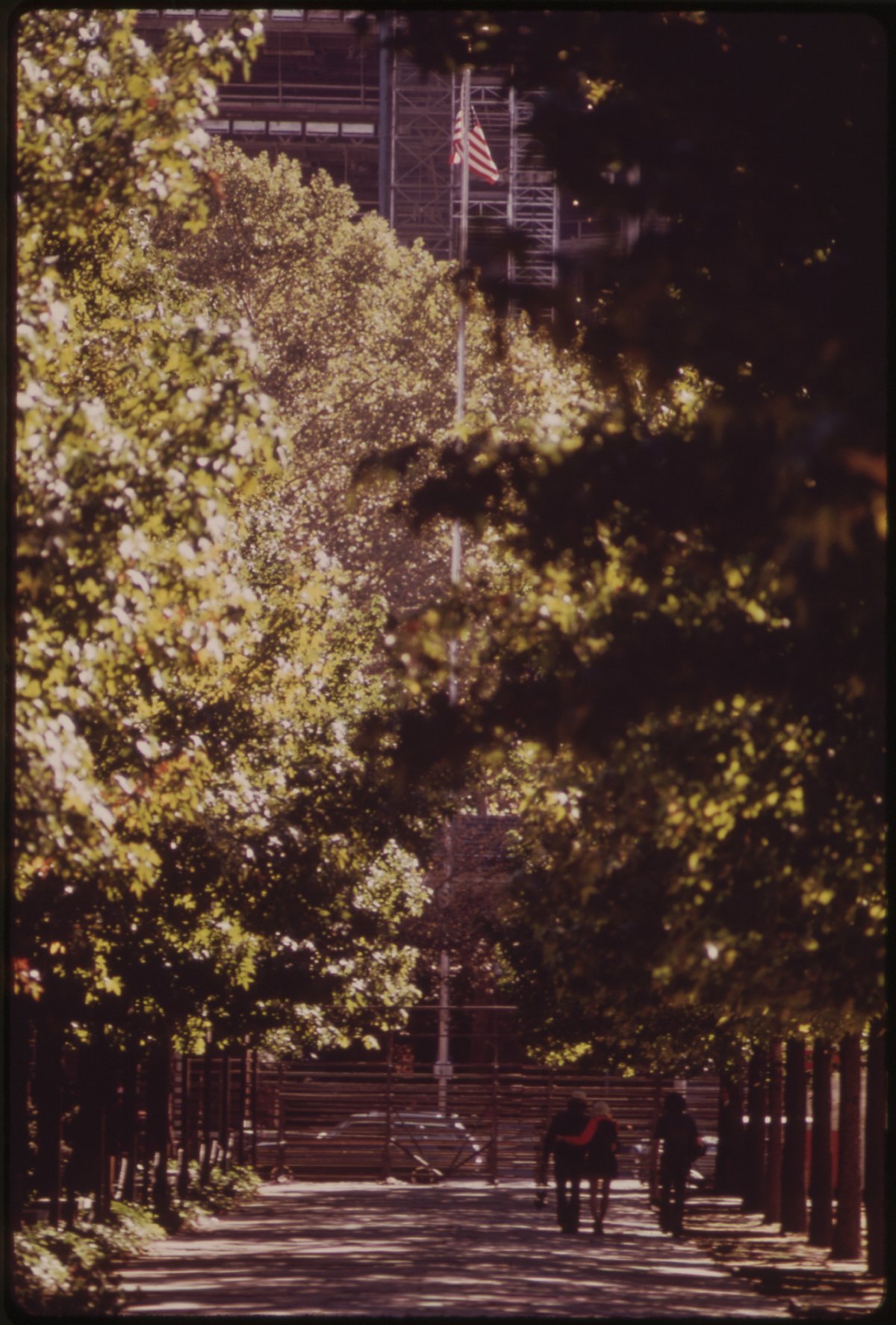
Woodland Terrace’s uniform design, mature tree canopy, and historic gas lamps create a distinctive and serene urban environment.
Notable Residents and Social Legacy
From its earliest days, Woodland Terrace attracted Center City merchants who commuted via trolley, as well as university professors, artists, and intellectuals. Distinguished residents have included:
- Paul Philippe Cret: Renowned architect and Penn professor, who lived at 516 Woodland Terrace and was instrumental in shaping Philadelphia’s civic architecture (woodlandsphila.org).
- Adolph Borie: Artist and host of influential salon gatherings in his Sloan-designed villa.
- Thomas Eakins: Iconic American painter associated with Philadelphia’s cultural life (lostinphiladelphia.com).
- Dr. Anna Howard Shaw: Suffragist and national leader, whose former home is a National Historic Landmark.
This tradition continues, with many homes occupied by academics and creative professionals, contributing to the neighborhood’s intellectual vitality (blog.phillyhistory.org).
Visitor Information: Hours, Access, and Tips
- Visiting Hours: Woodland Terrace is a public street open during daylight hours, year-round.
- Tickets: No tickets are needed for self-guided visits. Guided tours may require advance booking (uchs.net).
- Accessibility: Sidewalks are well maintained, though some uneven surfaces and steps may pose challenges.
- Getting There: Easily reached by SEPTA trolley lines 11, 13, and 34 at 40th Street and Baltimore Avenue. Street parking is limited.
- Visitor Etiquette: As a residential street, visitors should respect private property, keep noise low, and prioritize residents’ privacy.
Guided Tours and Special Events
Although Woodland Terrace does not host regular tours, it is featured in broader West Philadelphia historical walks and occasional open house events. The University City Historical Society and The Woodlands Cemetery occasionally organize guided tours that delve into the area’s history and architecture (The Woodlands; UCHS Tours). Check their websites for schedules and booking information.
Photography and Scenic Spots
Woodland Terrace is a favorite among photographers for its symmetrical Italianate homes, lush greenery, and historic details. The best vantage points are at the corners of Woodland Avenue and 40th Street, or along the tree-lined sidewalks at golden hour. Always be mindful of residents’ privacy when photographing homes and gardens.
Cultural Heritage and Preservation
Woodland Terrace exemplifies the “streetcar suburb” phenomenon, reflecting how transportation and real estate shaped Philadelphia’s urban expansion (collaborativehistory.gse.upenn.edu). As part of the West Philadelphia Streetcar Suburb Historic District, the street’s architectural integrity is protected, ensuring the preservation of its unique character (uchs.net).
Ongoing preservation efforts maintain the district’s historical and visual continuity, making Woodland Terrace a prime example of successful urban heritage management (Philadelphia Historical Commission).
Nearby Attractions and Amenities
- The Woodlands Cemetery and Mansion: A 54-acre National Historic Landmark adjacent to Woodland Terrace, open daily from dawn to dusk, with walking trails, guided tours, and special events (The Woodlands).
- University City Institutions: The University of Pennsylvania, Drexel University, the Institute of Contemporary Art, and the Penn Museum provide cultural and educational opportunities (ICA Philadelphia; Penn Museum).
- Dining and Shopping: Baltimore Avenue offers diverse dining, coffee shops, bakeries, and boutiques (Visit Philly Dining Guide).
- Clark Park: A popular community park with a farmers’ market, playgrounds, and seasonal events.
- Transportation: Bike-share stations and scooter rentals are available nearby for easy exploration (Discover PHL).
FAQ
Is Woodland Terrace open year-round?
Yes, Woodland Terrace is a public street accessible daily during daylight hours.
Are tickets required to visit Woodland Terrace?
No, visits are free and open to the public. Guided tours may have associated fees.
Are guided tours available?
Yes, occasionally, through The Woodlands Cemetery, University City Historical Society, or local organizations. Check their websites for details.
How do I get there by public transit?
Take SEPTA trolley lines 11, 13, or 34 to 40th Street and Baltimore Avenue, then walk north to Woodland Terrace.
Is Woodland Terrace wheelchair accessible?
Sidewalks are generally well maintained but may have uneven areas. Contact tour providers for specific accessibility needs.
Are there nearby places to eat or shop?
Yes, Baltimore Avenue and University City offer a wide array of dining and shopping options.
What’s the best time to visit?
Spring and fall feature mild weather and beautiful foliage, ideal for walking tours and photography.
Listen to the full story in the app
The whole Woodland Terrace,
told well.
Audio guides for 1,100+ cities across 96 countries. History, stories, and local insight — offline ready.
Verified, and shown.
Researched and written by the Audiala editorial team from historical records, architectural archives, and local expertise.
Researched from Wikidata, Wikipedia & official sources · fact-checked · How we make our guides →