Plan and listen to Womrath Park with Audiala.
Audio guide in your pocket, itinerary in your browser. Built for the way you actually visit.
Introduction: Womrath Park’s Significance in Philadelphia
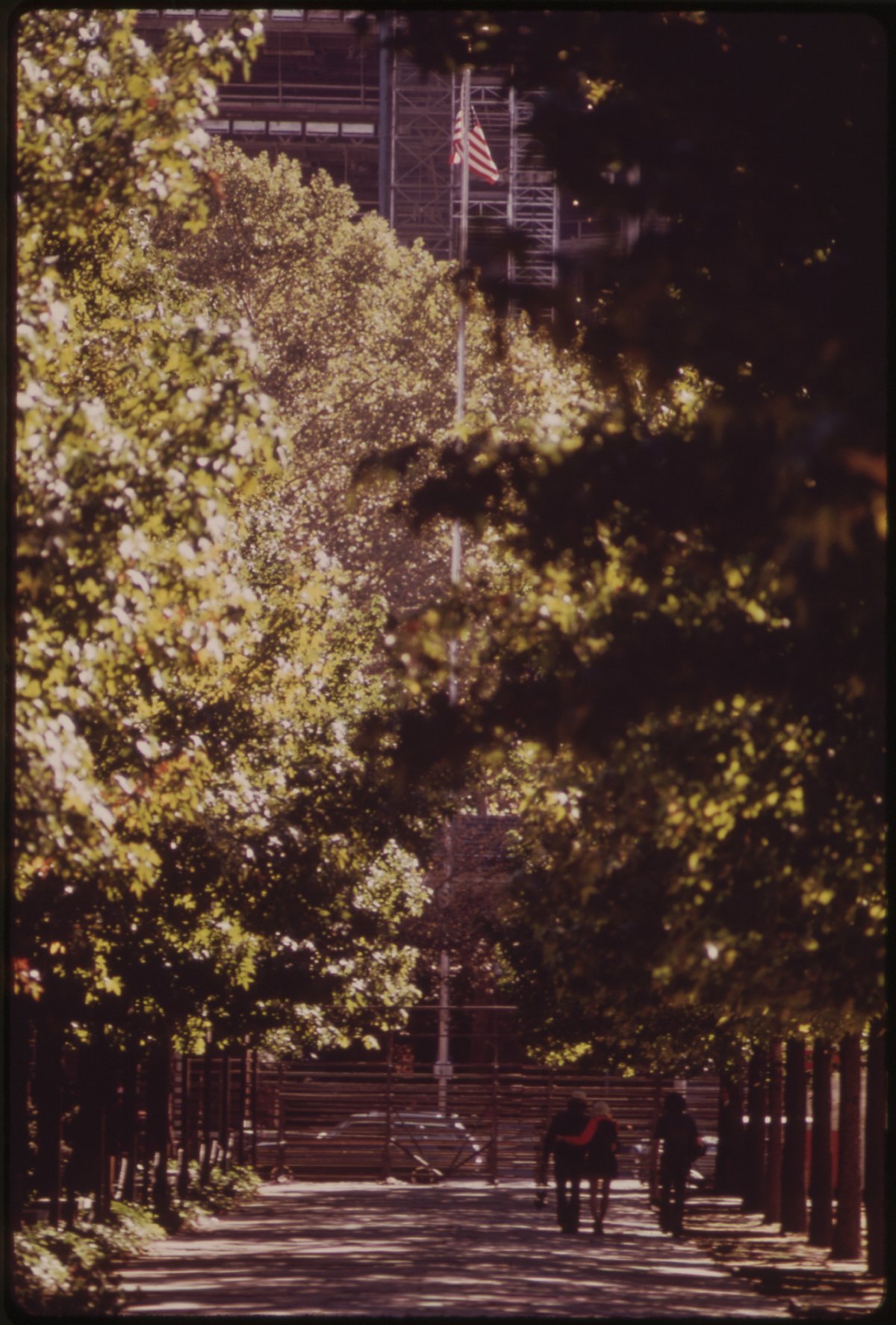
Nestled in the Frankford neighborhood of Northeast Philadelphia, Womrath Park serves as both a vibrant urban oasis and a living testament to the city's layered history. Located at the intersection of Kensington, Adams, and Frankford Avenues, the park stands on land that was once part of the 18th-century Drinker estate—a retreat for Philadelphia’s elite. The nearby Worrell-Winter House, a registered historic site, and local lore connecting the park to the reading of the Declaration of Independence, further enhance its historical resonance (Hidden City Philadelphia).
In recent years, Womrath Park has undergone a transformation, evolving from a community refuge during industrial decline to a model of sustainable green infrastructure. As part of the city’s “Green City, Clean Waters” initiative, the park now features a rain garden and other stormwater management features, reinforcing Philadelphia’s commitment to ecological resilience (Hidden City Philadelphia).
Today, Womrath Park is open daily from dawn to dusk, with amenities and pathways designed for accessibility. It is a hub for community events, public art, and educational installations, making it an ideal destination for locals and visitors interested in Philadelphia’s historical sites and green spaces (Frankford Gazette).
Early Origins and Historical Context
Womrath Park occupies land that was once the Drinker estate, a prominent 18th-century property in Frankford. This area was a gathering place for Philadelphia’s influential families who built summer retreats along Frankford Creek (Hidden City Philadelphia). The nearby Worrell-Winter House, dating back to 1712-1718, is a notable historic structure, and local tradition claims it as a site where Thomas Jefferson read the Declaration of Independence—though this is debated by historians (6ABC).
Park Development and 20th Century Changes
As Philadelphia expanded, the Drinker estate was repurposed into public green space, resulting in Womrath Park’s distinctive triangular layout. Throughout the 20th century, the park became a social and recreational hub for the Frankford neighborhood, offering respite amid the changing industrial landscape (Hidden City Philadelphia). The park’s continued presence provided continuity and community identity through periods of economic challenge.
21st Century Transformation: Green Infrastructure
A significant renovation in the 2010s, led by the Philadelphia Water Department, reimagined Womrath Park as part of the city’s “Green City, Clean Waters” program. The park now features a rain garden that manages stormwater from an 80,000-square-foot catchment area, reducing flooding and improving water quality (Hidden City Philadelphia). Interpretive signage educates visitors about the rain garden and the importance of sustainability, making the park a model for urban environmental stewardship (Frankford Gazette).
Visitor Information
- Hours: Open daily from dawn to dusk.
- Admission: Free; no tickets required.
- Accessibility: Wheelchair-accessible paths and seating; curb cuts at entrances.
- Getting There: Easily accessible via the Market-Frankford Line (Frankford Transportation Center), with multiple SEPTA bus routes. Limited street parking; public transit is recommended.
- Facilities: Benches, paved walkways, a playground, picnic tables, public art installations, and seasonal landscaping. Restrooms are not available on-site; nearby options are at the Arrott Transportation Center.
- Family Amenities: A modern playground, shaded seating, and open lawns make the park family-friendly.
- Pets: Allowed on-leash; owners must clean up after their pets.
- Safety: The park is generally safe during daylight hours; remain aware of surroundings and avoid visiting after dark.
- Food and Refreshments: No on-site vendors, but local eateries and markets are within walking distance.
Community and Cultural Significance
Womrath Park is a symbol of Frankford’s resilience and community spirit. The park’s public art, such as murals and sculptures like Christine Rojek’s gateway piece, celebrates the neighborhood’s heritage and diversity (Frankford Gazette). Community events—ranging from outdoor movie nights to seasonal festivals—foster neighborhood pride and engagement (AllEvents.in).
Educational signs explain the park’s environmental features, and the park’s role in the planned Frankford Creek Greenway will further connect it to the city’s growing network of trails (Medium: The Healing Power of Parks).
Events and Urban Initiatives
Womrath Park regularly hosts community gatherings, volunteer days, and cultural celebrations. It is also a focus of ongoing revitalization and beautification, with local organizations and city agencies collaborating to keep the park vibrant. Its integration with the “Green City, Clean Waters” initiative and the upcoming 250th anniversary of Philadelphia positions Womrath Park at the heart of neighborhood and citywide activities (Hidden City Philadelphia).
Frequently Asked Questions (FAQ)
Q: What are Womrath Park’s visiting hours?
A: Open daily from dawn to dusk.
Q: Is there an admission fee or need for tickets?
A: No, entry is free.
Q: Is the park accessible for individuals with disabilities?
A: Yes, the park is wheelchair accessible.
Q: Are there guided tours?
A: No regular guided tours, but community and historical events may include educational activities.
Q: Are pets allowed?
A: Yes, on-leash.
Q: Are restrooms available?
A: Not within the park; nearby options at the Arrott Transportation Center.
Q: What are some nearby attractions?
A: The Worrell-Winter House, Frankford Friends Meeting House, Grand Army of the Republic Museum, and Frankford Creek Greenway (PA Bucket List).
Visitor Tips
- Use public transportation for convenience.
- Bring snacks or picnic supplies, as there are no food vendors in the park.
- Visit in spring or summer for community events and seasonal blooms.
- Check local event listings for festivals and volunteer opportunities (Frankford Gazette).
- Take photos of public art and the rain garden.
- Respect park guidelines and keep the space clean.
Discover More
Womrath Park is a dynamic green space where Philadelphia’s past and present converge. With free daily access, family-friendly amenities, and connections to historic and ecological landmarks, it offers a unique destination for relaxation, exploration, and learning. As Philadelphia looks toward its 250th anniversary, Womrath Park stands ready to welcome new generations of visitors and serve as a model of urban renewal.
Plan your visit today and enhance your experience with the Audiala app for guided audio tours and up-to-date park information. Stay engaged with local events and support the ongoing vitality of Frankford’s treasured park.
Location & Quick Facts
- Location: Intersection of Frankford Ave, Kensington Ave, and Womrath St, Philadelphia, PA 19124
- Hours: Daily, dawn to dusk
- Admission: Free
- Facilities: Benches, playground, paved paths, limited restrooms
- Accessibility: Wheelchair accessible
- Public Transit: Near Frankford Transportation Center (Market-Frankford Line, SEPTA buses)
- Parking: Limited street parking; public transit recommended
Listen to the full story in the app
The whole Womrath Park,
told well.
Audio guides for 1,100+ cities across 96 countries. History, stories, and local insight — offline ready.

Verified, and shown.
Researched and written by the Audiala editorial team from historical records, architectural archives, and local expertise.
Researched from Wikidata, Wikipedia & official sources · fact-checked · How we make our guides →