

Origins and Early Years (1850–1867)
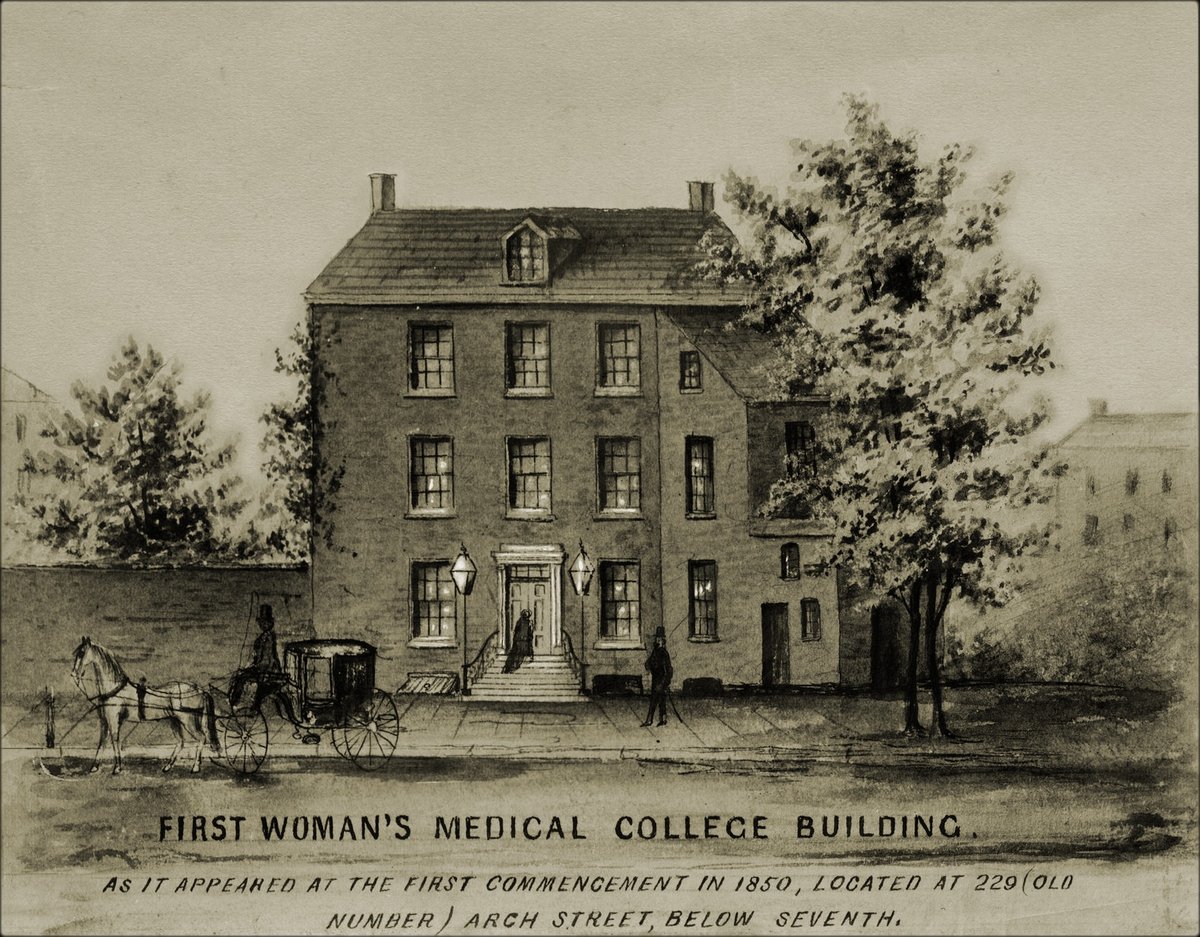
WMCP began as the Female Medical College of Pennsylvania, opening its doors at 627 Arch Street in 1850. This bold initiative sought to overturn prevailing gender norms and provide women a pathway to the medical profession. The founders, including Dr. Joseph S. Longshore, faced strong public and institutional opposition, yet their determination established a new precedent for professional education.
In 1867, the institution was renamed the Woman’s Medical College of Pennsylvania, reflecting its growing stature and enduring mission (Encyclopedia of Greater Philadelphia).
Expansion, Diversity, and Global Impact
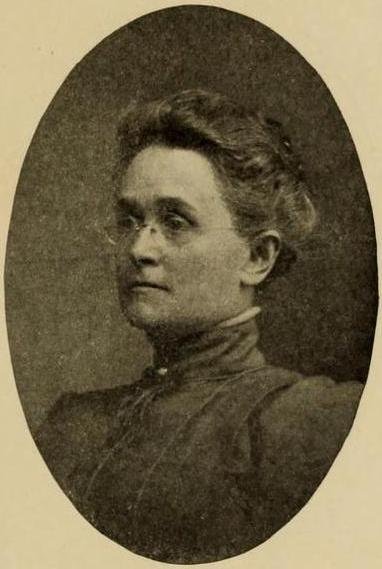
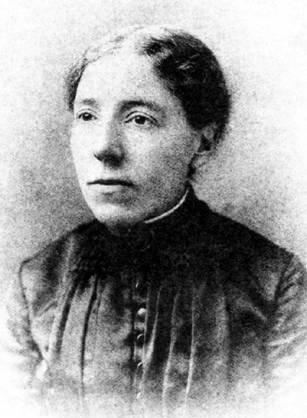
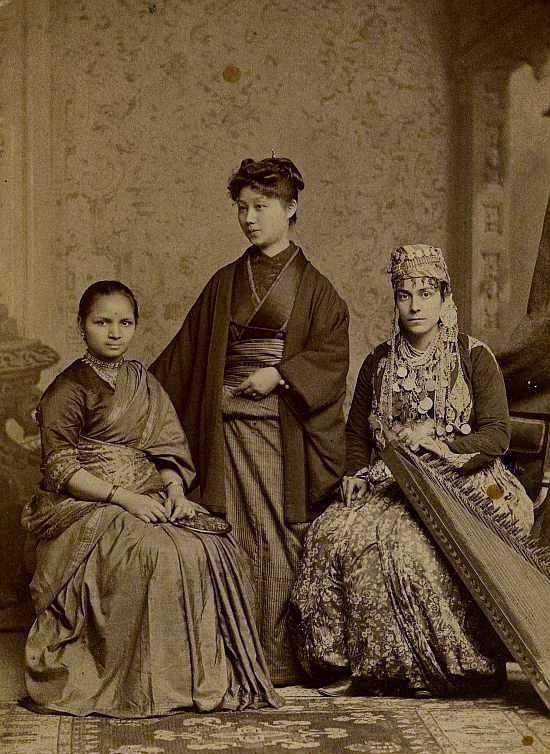
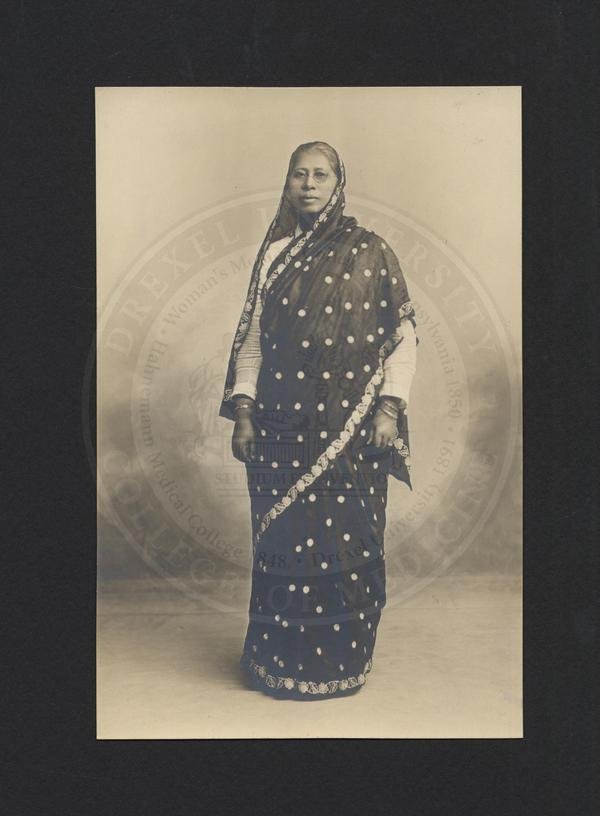
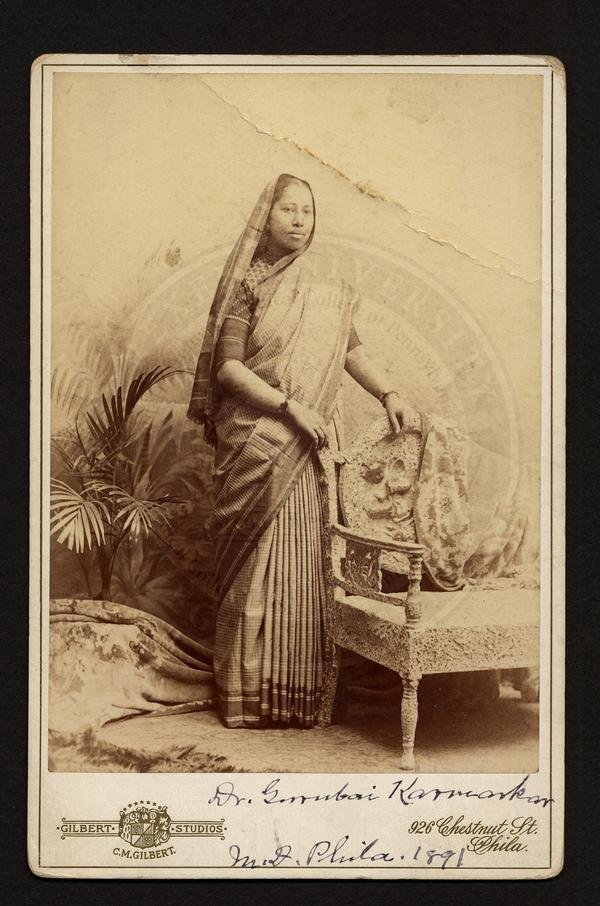
WMCP quickly became a leader in clinical training for women, founding the Woman’s Hospital of Philadelphia in 1861 to provide essential hands-on experience. The college set itself apart by welcoming students from all backgrounds, including African American, Jewish, and international women—many of whom broke new ground in their home countries.
Notable alumnae include:
- Dr. Anandibai Joshi, the first Indian woman to earn a U.S. medical degree.
- Dr. Susan La Flesche Picotte, the first Native American woman physician.
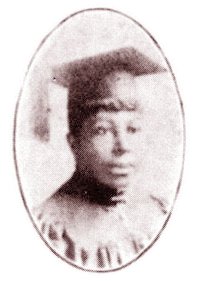
- Dr. Rebecca Cole, the second Black woman physician in the U.S.
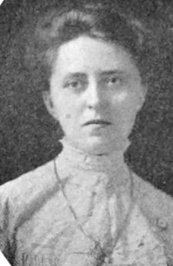
- Dr. Ann Preston, the first woman dean of a medical school in the country (Explore PA History).
Evolution and Modern Legacy
The college transitioned to coeducation in 1970, becoming the Medical College of Pennsylvania. Subsequent mergers led to its integration into Drexel University College of Medicine, which now stewards its archives and continues its legacy through education, research, and outreach (Drexel University College of Medicine Legacy Center).
Key Historic Sites and Locations
Arch Street (1850–1862)
- Significance Site of the world’s first women’s medical college.
- Location 627 Arch Street, Center City, Philadelphia.
- Current Status Original building no longer stands; the area retains historical significance and proximity to other prominent Philadelphia landmarks (The Clio).
North College Avenue & 21st Street, Fairmount (1862–1930)
- Significance Iconic home to WMCP for nearly seven decades, adjacent to the Woman’s Hospital of Philadelphia.
- Address 21st Street and North College Avenue, Philadelphia, PA 19121.
- Marker Pennsylvania Historical Marker at 3300 Henry Avenue commemorates the site (Explore PA History).
East Falls Campus (1930–Present)
- Significance Modern campus and home to the Drexel University College of Medicine Legacy Center.
- Current Address 3300 Henry Ave., Philadelphia, PA 19129.
- Building Use The original college building is now The Preston, a private residential property. The Legacy Center archives are adjacent and open by appointment (Curbed Philly).
Visiting Information: Hours, Tickets, and Access
Legacy Center Archives and Special Collections
- Location 2900 W. Queen Lane, Philadelphia, PA 19129.
- Hours Monday–Friday, 9:00 AM – 5:00 PM. Visits are by appointment only.
- Admission Free; donations are welcome to support the archives.
- Booking Email [email protected] or call (215) 571-6338.
- Website Drexel University College of Medicine Legacy Center
Note: The WMCP building itself (now The Preston) is a private residence and not open for public tours. The Legacy Center archives offer the primary opportunity to engage with the institution’s history.
Archives and On-Site Experience
At the Drexel Legacy Center, visitors can:
- Explore rotating exhibits and digital displays on women in medicine, the college’s history, and public health milestones.
- Access rare photographs, alumni records, yearbooks, and memorabilia.
- Attend special lectures, anniversary celebrations, and guided tours (check website for schedules).
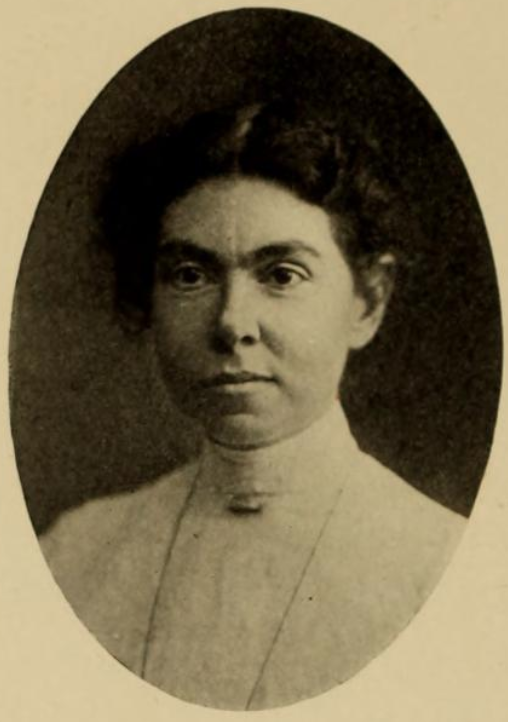
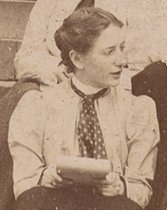
Visual highlights include archival photographs of early WMCP classes, medical instruments, and group portraits of pioneering alumnae.
Planning Your Visit: Directions, Parking, and Accessibility
Directions
- By Car Use GPS address “3300 Henry Avenue, Philadelphia, PA 19129.” On-site parking is available; check signage for visitor spaces.
- By Public Transit SEPTA’s Regional Rail (Manayunk/Norristown Line) stops at East Falls Station, a short walk away. Bus routes 32, 38, and R also serve the area (SEPTA Regional Rail; SEPTA Bus Schedules).
- By Bicycle The Schuylkill River Trail runs nearby, with ample bike racks.
Accessibility
- The Legacy Center is wheelchair accessible; visitors with mobility needs should contact staff ahead to ensure accommodations are in place.
- ADA-compliant parking is available in the Falls Center lot.
- Public restrooms are available at the Legacy Center during visits.
Nearby Philadelphia Attractions
- East Falls Neighborhood Known for its historic homes, leafy streets, and vibrant cafés.
- Schuylkill River Trail Ideal for walking, jogging, or biking; connects East Falls to Center City.
- Philadelphia Museum of Art A short drive or bike ride away.
- Woman’s Hospital of Philadelphia (historic site) Explore the broader legacy of women’s healthcare in the city.
- Liberty Bell and Independence Hall Iconic national landmarks in Center City.
- National Museum of American Jewish History Highlights diverse contributions to American society.
Plan your day to include these sites for a richer experience of Philadelphia’s historical and cultural landscape (Visit Philly).
Frequently Asked Questions (FAQ)
Q: Can I tour the inside of the original WMCP building?
A: No, the building is now a private residence (The Preston) and is not open for public tours.
Q: How can I visit the WMCP archives?
A: The Legacy Center is open by appointment. Contact staff via email or phone to schedule your visit.
Q: Is there an admission fee?
A: Visits to the archives are free, though donations are encouraged.
Q: Are guided tours or public events available?
A: The Legacy Center regularly hosts special events and lectures; check their website for current offerings.
Q: What accessibility accommodations are available?
A: The Legacy Center is wheelchair accessible. Contact staff if additional accommodations are needed.