Plan and listen to Wingohocking Park with Audiala.
Audio guide in your pocket, itinerary in your browser. Built for the way you actually visit.
Introduction
Wingohocking Park, located in Philadelphia’s Logan, Germantown, and Olney neighborhoods, stands as a unique testament to the city’s intertwined natural and cultural history. Once the landscape of the Lenape people and later shaped by colonial industry and urbanization, the park today is both a vital green oasis and a living museum of Philadelphia’s relationship with its waterways. This guide offers a detailed overview of Wingohocking Park’s history, visiting hours, facilities, restoration efforts, and its central role among Philadelphia’s historical and ecological sites. Whether you are a history enthusiast, nature lover, or community advocate, Wingohocking Park offers an engaging experience highlighting the city’s layered past and forward-looking sustainability efforts (Wikipedia: Wingohocking Creek; Chestnut Hill Local; Philadelphia Water Department; Awbury Arboretum).
Indigenous and Colonial History
Wingohocking Park and its surrounding lands were originally inhabited by the Lenape people, who called the region Coaquannock (“grove of pines”) and Passyunk (“in the valley”). The name “Wingohocking” is believed to mean “favorite land for planting” or “crooked water” in the Lenape language, reflecting both the natural and cultural heritage of the area. The creek was central to indigenous life, and later, European settlers—first Swedes, then English Quakers—were drawn by the abundant freshwater streams for agriculture and milling. By the 18th century, the Wingohocking Creek powered numerous mills, supporting Philadelphia’s early growth (Wikipedia: Wingohocking Creek; Chestnut Hill Local).
Urbanization and Environmental Change
19th-Century Expansion
The consolidation of Germantown Township into Philadelphia in 1854 fueled rapid urbanization. City planners addressed public health concerns and development needs by burying creeks like the Wingohocking in underground culverts—transforming them into combined sewers. From the 1880s to 1928, more than 21 miles of the creek’s streams were enclosed, erasing the waterway from the visible landscape and fundamentally altering local ecology (Wikipedia: Wingohocking Creek).
Industrialization
The late 19th and early 20th centuries saw the area’s transformation into an industrial hub, with the creek’s path repurposed for roads, railways (like the SEPTA Chestnut Hill East line), and sewers. The shift from natural stream to buried infrastructure reflected Philadelphia’s broader urban changes but led to significant loss of natural habitat and increased flooding (Wikipedia: History of Philadelphia).
Restoration and Modern Challenges
Environmental Impact
The burial of Wingohocking Creek reduced the neighborhood’s natural capacity to manage stormwater, resulting in frequent flooding and overwhelmed drainage systems—issues exacerbated by climate change and urban development. Flash floods, especially along Belfield Avenue, have caused property damage and even fatalities (Chestnut Hill Local).
Ecological Restoration
Recent decades have seen renewed efforts to restore remnants of the Wingohocking Creek and its watershed. The most notable above-ground segment is preserved at Awbury Arboretum, where restoration projects have included dredging ponds, removing invasive species, installing waterproof matting, and rebuilding stone walls. Funded by the Philadelphia Water Department and state grants, these efforts have improved stormwater management, reduced flooding, and enhanced the park’s ecological value (Awbury Arboretum; Awbury Arboretum Wetlands Article).
Community Advocacy
Neighborhood groups, local schools, and non-profits partner to maintain the park, organize clean-ups, and provide educational programming. Initiatives like the “Wingo-WHAT?” project foster community engagement through art, poetry, and environmental education, drawing attention to the hidden creek and the importance of resilience in the face of flooding (Philadelphia Water Department).
Visiting Hours, Admission, and Facilities
- Open Hours: Daily from dawn to dusk; some seasonal variation may apply.
- Admission: Free; no tickets required.
- Entrances: Primary access via West Duncannon Avenue and North 7th Street in the Olney section, with additional connections to Germantown and Logan neighborhoods.
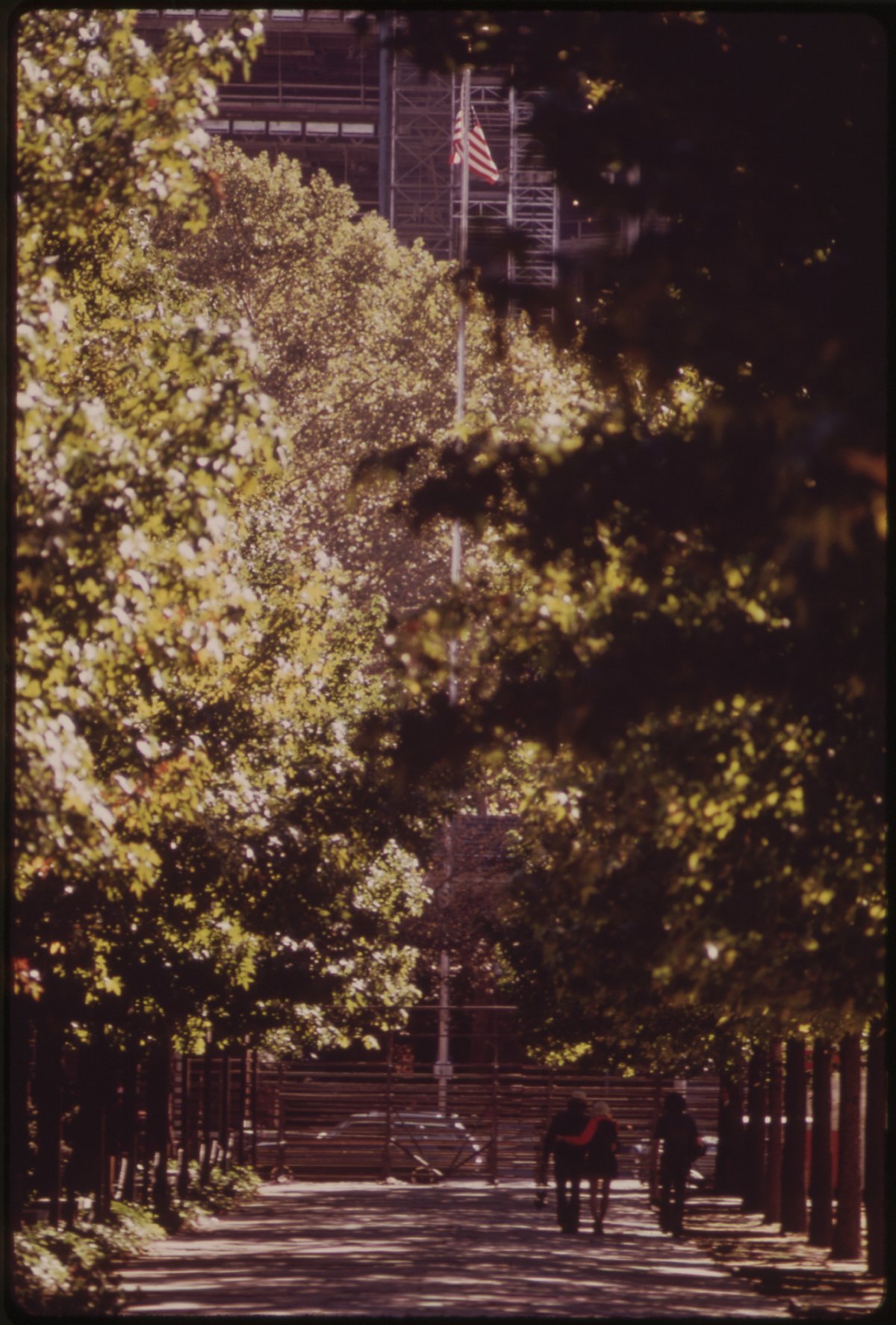
- Amenities: Walking and jogging paths, playgrounds, open fields, benches, and shaded areas; limited restroom facilities—plan ahead (Philadelphia Parks & Recreation).
Accessibility and Transportation
- Paths: Mostly paved or packed dirt; some uneven areas may present challenges for those with mobility concerns.
- Parking: Limited to on-street options; consider using public transportation.
- Transit: SEPTA bus routes 22 and 57 stop nearby; the Chestnut Hill East rail line is accessible in Germantown (SEPTA).
- Facilities: Wheelchair-accessible paths are available, and Awbury Arboretum offers additional accessible features.
Guided Tours and Community Events
- Guided Walks: Seasonal guided nature and history walks are available, often through Awbury Arboretum or local civic groups.
- Community Events: Neighborhood clean-up days, family festivals, youth sports leagues, and educational workshops on stormwater, ecology, and local history are held regularly.
- Event Listings: For up-to-date event schedules, visit the Northeast Times community calendar, Eventbrite Philadelphia, or Awbury Arboretum.
Travel Tips and Nearby Attractions
- Pack Essentials: Bring water, snacks, and sun protection; restrooms and concessions are limited.
- Respect Restoration Areas: Stay on marked trails to help preserve ongoing ecological projects.
- Nearby Attractions:
- Awbury Arboretum: Botanical gardens and nature trails (Awbury Arboretum)
- Historic Germantown: Museums and heritage sites
- Wissahickon Valley Park and Cliveden Park: Outdoor recreation and history
- Plan for Public Transit: Using SEPTA is recommended to avoid parking issues and reduce environmental impact.
Frequently Asked Questions (FAQ)
Q: What are Wingohocking Park’s visiting hours?
A: Open daily from dawn to dusk.
Q: Is there an admission fee or need for tickets?
A: No; admission is free for all visitors.
Q: Are there restroom facilities?
A: Restrooms are limited; plan accordingly.
Q: Is the park accessible for wheelchairs and strollers?
A: Yes, most main paths are accessible; some areas may be uneven.
Q: Are guided tours available?
A: Yes, seasonally at Awbury Arboretum and during special events.
Q: Is there parking?
A: Limited street parking; public transit is recommended.
Q: Are pets allowed?
A: Yes, dogs are welcome but must be leashed.
Key Dates and Historic Milestones
- 1682: Philadelphia founded; area inhabited by Lenape (Wikipedia: History of Philadelphia).
- 1854: Germantown Township consolidated into Philadelphia (Chestnut Hill Local).
- 1880s–1928: Burial of Wingohocking Creek; over 21 miles of streams converted to sewers (Wikipedia: Wingohocking Creek).
- 1916: Awbury Arboretum established (Chestnut Hill Local).
- 2015: New stormwater management guidelines introduced (Chestnut Hill Local).
- 2020s: Major restoration of wetlands and educational programming at Awbury (Awbury Arboretum).
Listen to the full story in the app
The whole Wingohocking Park,
told well.
Audio guides for 1,100+ cities across 96 countries. History, stories, and local insight — offline ready.

Verified, and shown.
Researched and written by the Audiala editorial team from historical records, architectural archives, and local expertise.
Retrieved from https://en.wikipedia.org/wiki/Wingohocking_Creek
Reviving the only extant run of the Wingohocking Creek at Awbury Arboretum. Retrieved from https://www.chestnuthilllocal.com/stories/reviving-the-only-extant-run-of-the-wingohocking-creek-at-awbury-arboretum,17450
Wingo-WHAT? Hidden Waters of Wingohocking. Retrieved from https://water.phila.gov/drops/wingo-what/
Wetlands Restoration Article. Retrieved from https://www.awbury.org/
Retrieved from https://www.phila.gov/departments/philadelphia-parks-recreation/
Philadelphia H2O. Retrieved from https://www.hiddenhydrology.org/philly-h20/
(2013). Logan After 25 Years: Plans to Redevelop Triangle Still Sunk. Retrieved from https://philadelphianeighborhoods.com/2013/12/19/logan-after-25-years-plans-to-redevelop-triangle-still-sunk/
Nicetown Development. Retrieved from https://nicetowncdc.org/nicetown-development/
Retrieved from https://www.phila2035.org/plan
Researched from Wikidata, Wikipedia & official sources · fact-checked · How we make our guides →