Plan and listen to Weinberg Park with Audiala.
Audio guide in your pocket, itinerary in your browser. Built for the way you actually visit.
Introduction: Weinberg Park and What Visitors Can Expect
Located in the heart of South Philadelphia’s Whitman neighborhood, Weinberg Park is a treasured green space that reflects the city’s rich history, commitment to community, and pursuit of urban sustainability. Nestled at 2201 S 6th St, the park provides a peaceful sanctuary amid bustling rowhouse blocks shaped by generations of immigrants (ushistory.org; localhistories.org; phillymutts.com).
Managed by the Fairmount Park Conservancy, Weinberg Park offers free, 24-hour access to open lawns, shaded benches, and dog-friendly areas, making it a welcoming retreat for both locals and visitors (myphillypark.org). The park also integrates sustainability features like rain gardens and permeable pavements, underscoring Philadelphia’s Green City, Clean Waters initiative (water.phila.gov).
This guide will help you plan your visit, providing insights into the park’s history, amenities, accessibility, surrounding attractions, and the community-driven spirit that makes Weinberg Park a vital part of Philadelphia’s urban fabric.
Early Development of Philadelphia and Urban Parks
Founded in 1682 by William Penn, Philadelphia’s unique grid layout and early emphasis on public green spaces set the stage for a vibrant urban park tradition (ushistory.org). As the city grew through the 18th and 19th centuries—spurred by industrialization and surges in immigration—leaders recognized the need for accessible parks to promote public health and social cohesion (localhistories.org). The creation of Fairmount Park in the 1800s established a precedent for neighborhood parks across the city, including the smaller, community-oriented Weinberg Park.
South Philadelphia’s Growth and Neighborhood Parks
South Philadelphia, home to Weinberg Park, has long been defined by its dense, multicultural neighborhoods. Italian, Irish, Jewish, and Asian immigrant communities shaped the area’s character, and local leaders advocated for parks as essential gathering spaces (phillymutts.com). Neighborhood parks like Weinberg fostered inclusivity, serving as venues for events, intergenerational play, and civic engagement (pewcenterarts.org).
Weinberg Park: Origins and Community Role
Although detailed public records on the park's founding are limited, Weinberg Park stands as a testament to ongoing revitalization efforts in Philadelphia’s neighborhoods. The Fairmount Park Conservancy ensures that Weinberg remains safe, accessible, and welcoming, aligning with the city’s vision of green spaces for all (myphillypark.org). The park’s location in Whitman—a historically working-class and ever-evolving neighborhood—underscores its role as a microcosm of Philadelphia’s changing urban landscape.
Visiting Weinberg Park: Hours, Tickets, and Accessibility
- Hours: Open 24 hours daily
- Admission: Free; no tickets or entrance fees required
- Dog Policy: Dog-friendly; pets must be leashed
- Accessibility: Paved, wheelchair- and stroller-accessible pathways
Families enjoy the open lawns and benches, while dog owners appreciate the pet-friendly environment. The park’s layout and amenities make it suitable for visitors of all mobility levels.
Getting There: Directions and Transit
- Public Transit: SEPTA bus routes (notably 29 and 79) stop nearby on S 6th St and Reed St.
- Car: Limited street parking is available—check local signage.
- Bike: Bike racks are installed near main entrances.
Public transportation is recommended during peak hours due to limited parking.
Park Highlights and Visuals
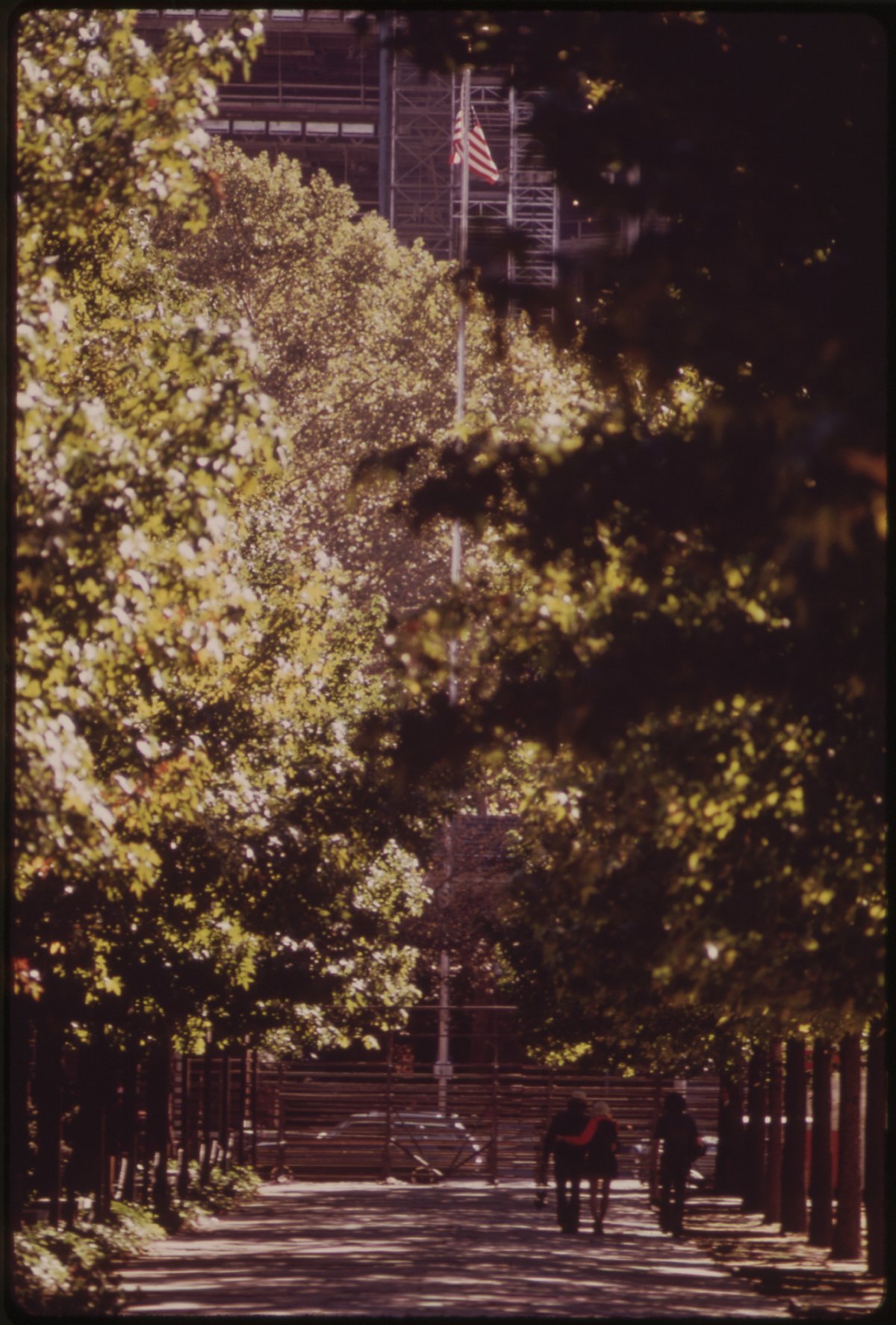
Weinberg Park features mature trees, grassy lawns, shaded benches, and occasional community art. While modest in size, its landscaping is well maintained, offering a serene setting for reading, conversation, or quiet reflection.
For a virtual glimpse, city resources and tourism sites provide interactive maps and photographs.
Weinberg Park’s Role in Civic Life
Philadelphia’s parks are celebrated as “uniquely democratic public spaces” that unite residents across backgrounds (pewcenterarts.org). Weinberg Park plays its part by hosting community gatherings and serving as a hub for local identity. Sustainability initiatives—like rain gardens, bioswales, and permeable pavements—demonstrate the city’s investment in environmental stewardship (water.phila.gov).
Neighborhood Landmarks and Historical Context
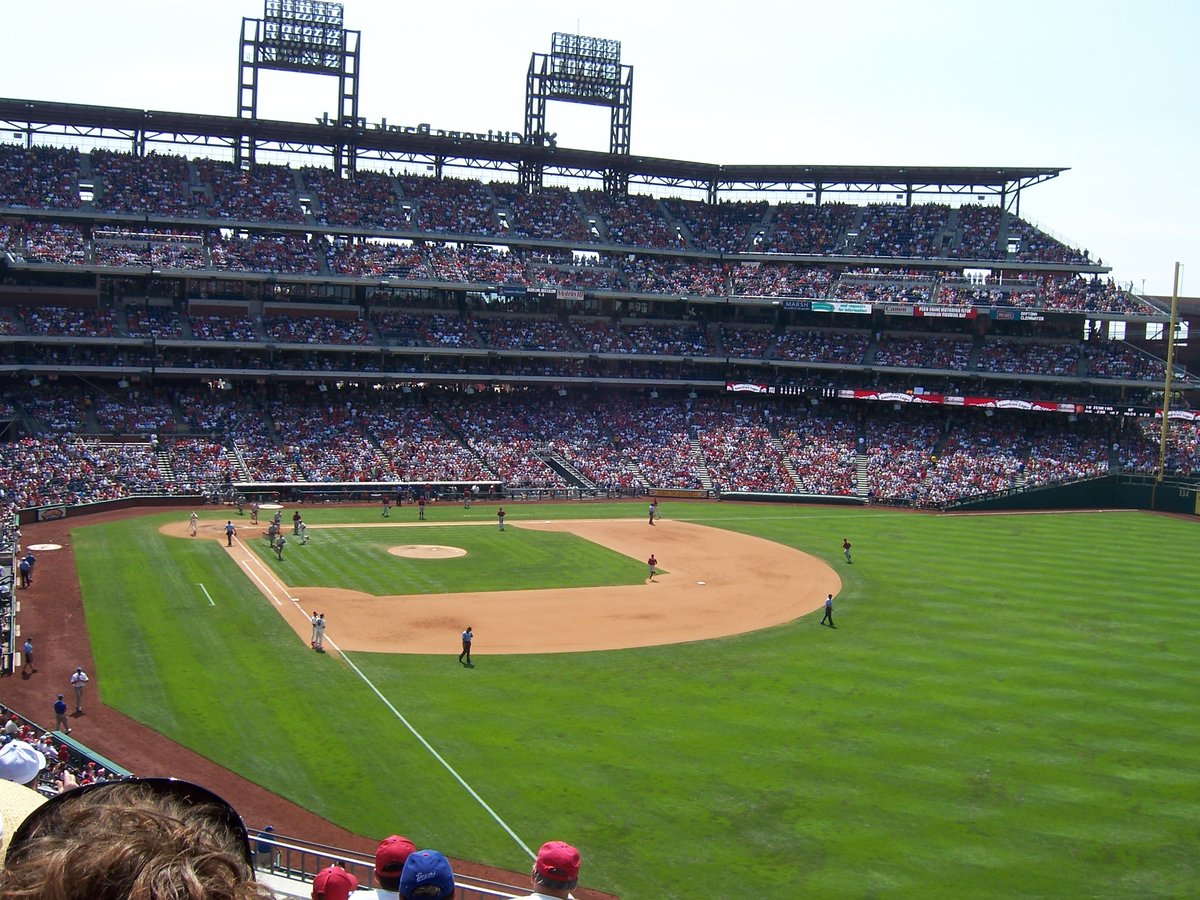
Weinberg Park is close to key South Philadelphia sites—Citizens Bank Park, Whitman Plaza, and historic neighborhoods including Wharton and Pennsport (mapcarta.com). The surrounding area reflects the city’s industrial legacy, immigrant waves, and ongoing revitalization (localhistories.org).
Community Engagement and Modern Use
Residents cherish Weinberg Park as a “community anchor”—a place for everyday relaxation and socialization (phillymutts.com). Community groups, city agencies, and volunteers collaborate to maintain the park’s cleanliness, safety, and relevance.
While the park is known for its tranquil, passive recreation, occasional events and spontaneous meetups foster neighborhood connection. Local reviews praise its peaceful ambiance, dog-friendly policies, and role as a neighborhood gathering place (chamberofcommerce.com).
Weinberg Park & Philadelphia’s Park System
As part of one of the nation’s largest urban park systems—with over 300 parks—Weinberg Park exemplifies Philadelphia’s belief in accessible, well-maintained public spaces (myphillypark.org). Sustainability upgrades, including those led by the Philadelphia Water Department, reinforce the park’s importance as both a recreational asset and an example of green infrastructure (water.phila.gov).
Frequently Asked Questions (FAQ)
Q: What are Weinberg Park’s visiting hours?
A: Open 24 hours a day, seven days a week.
Q: Is there an entrance fee or ticket required?
A: No, admission is free.
Q: Are dogs allowed?
A: Yes, on leashes.
Q: Is the park wheelchair accessible?
A: Yes, paved and level paths suit wheelchairs and strollers.
Q: Are there restrooms?
A: Portable restrooms may be available during construction phases.
Q: What are the best ways to get there?
A: Use SEPTA bus routes or street parking—public transit is recommended.
Q: Are there playgrounds or organized events?
A: The park focuses on open green space and passive recreation; for more playground facilities, visit nearby Mifflin Square Park.
Listen to the full story in the app
The whole Weinberg Park,
told well.
Audio guides for 1,100+ cities across 96 countries. History, stories, and local insight — offline ready.

Verified, and shown.
Researched and written by the Audiala editorial team from historical records, architectural archives, and local expertise.
Researched from Wikidata, Wikipedia & official sources · fact-checked · How we make our guides →