
Origins and Early History
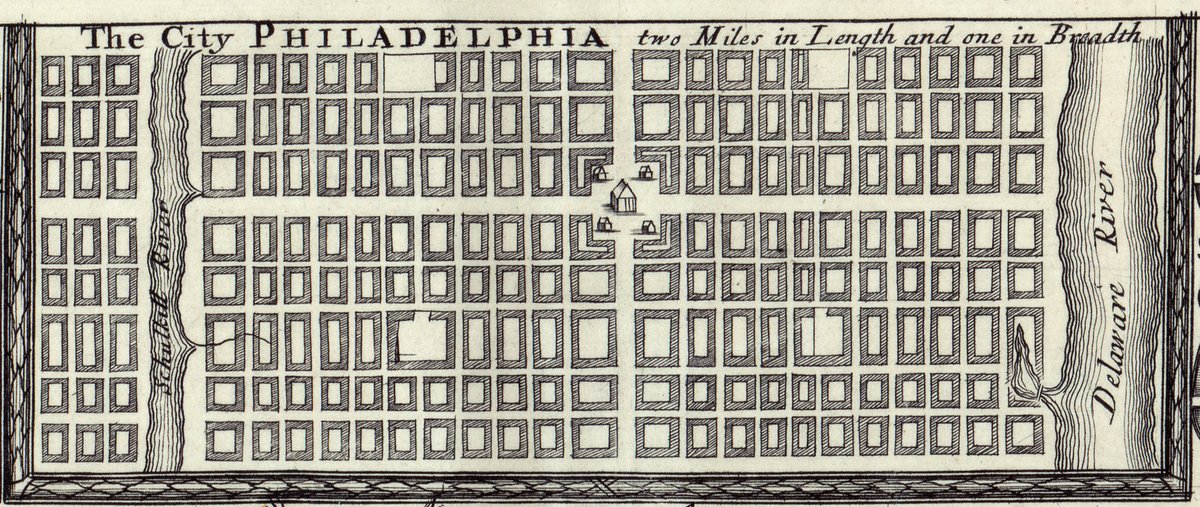
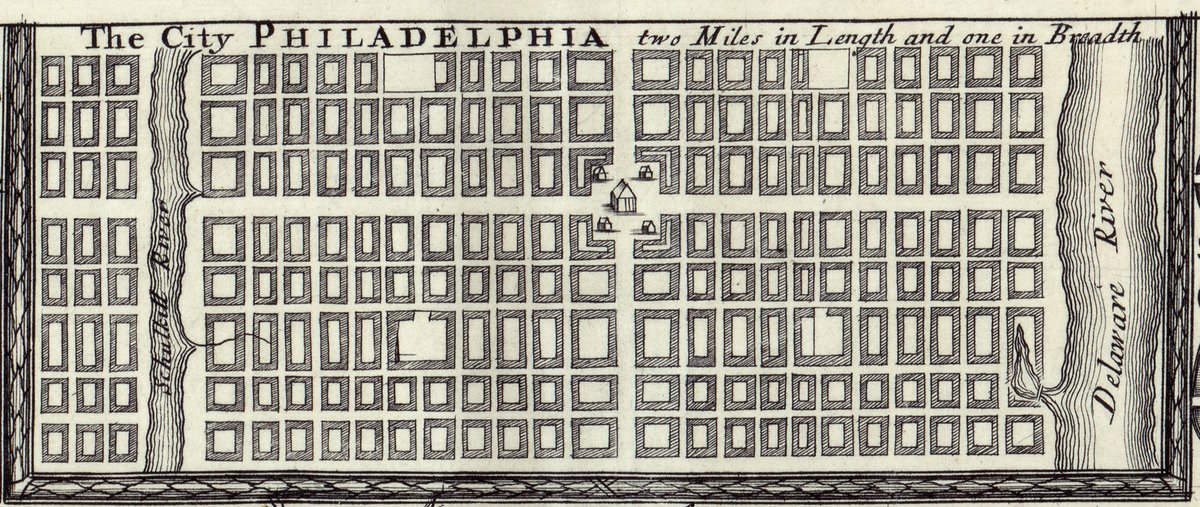
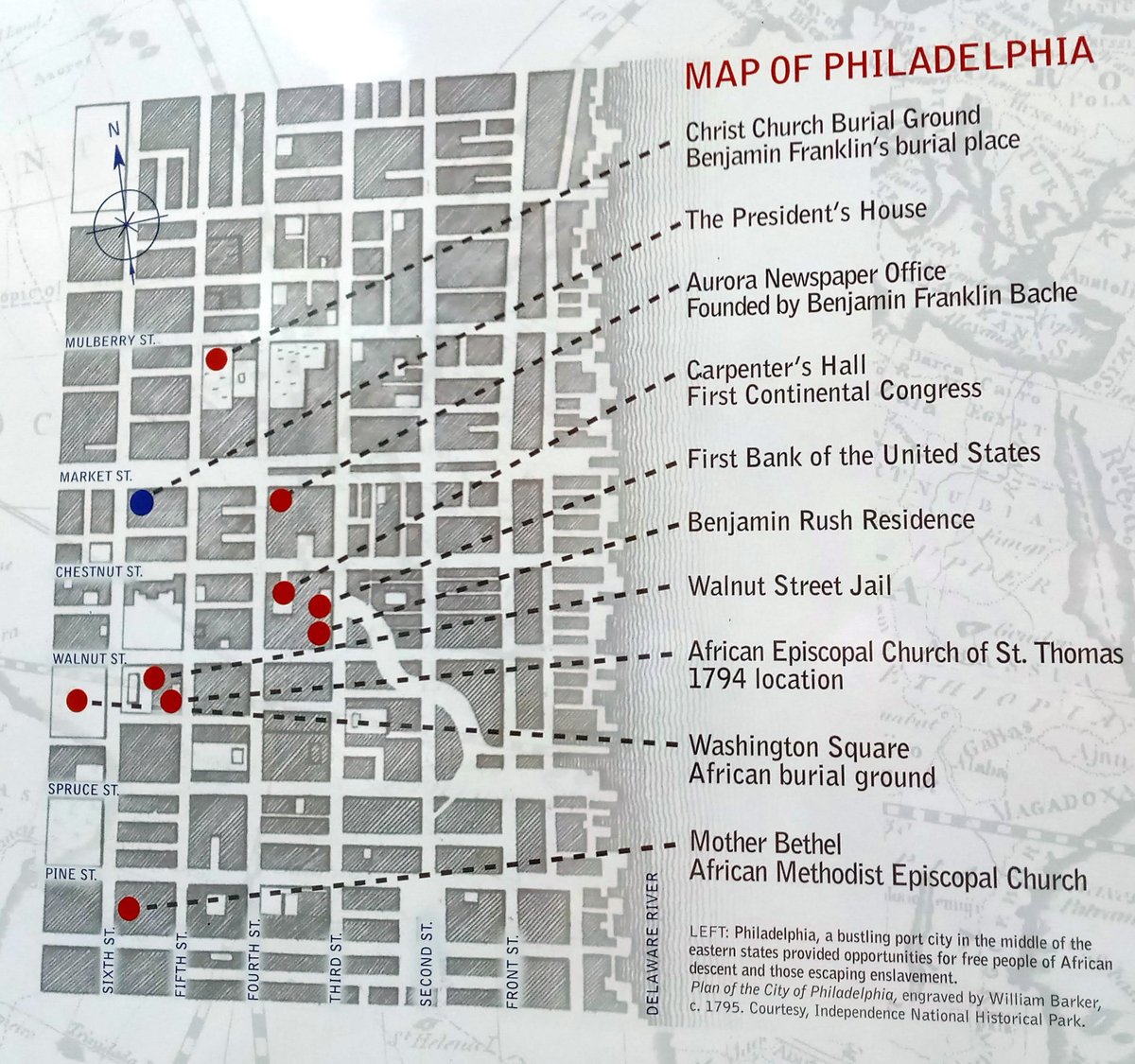
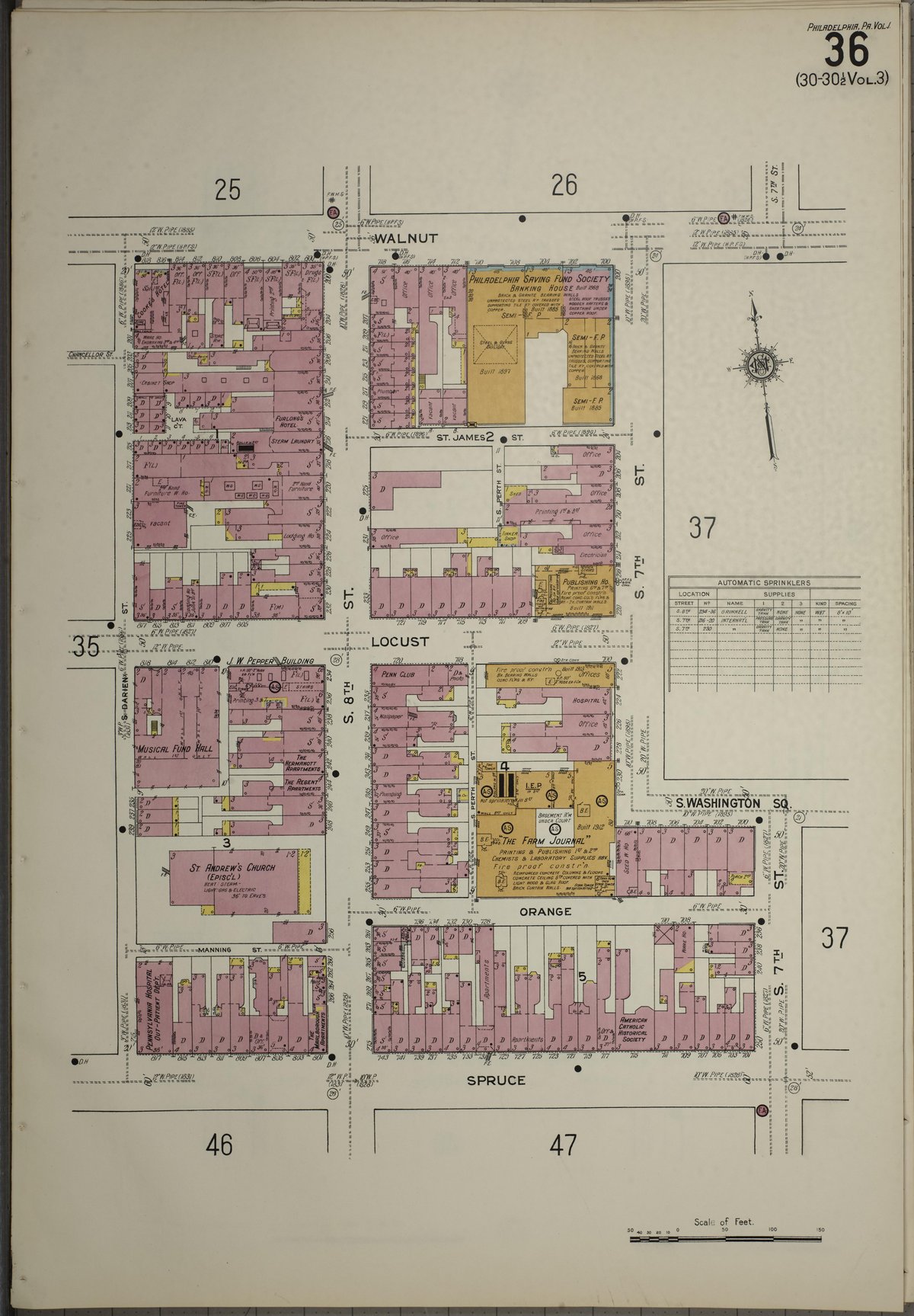
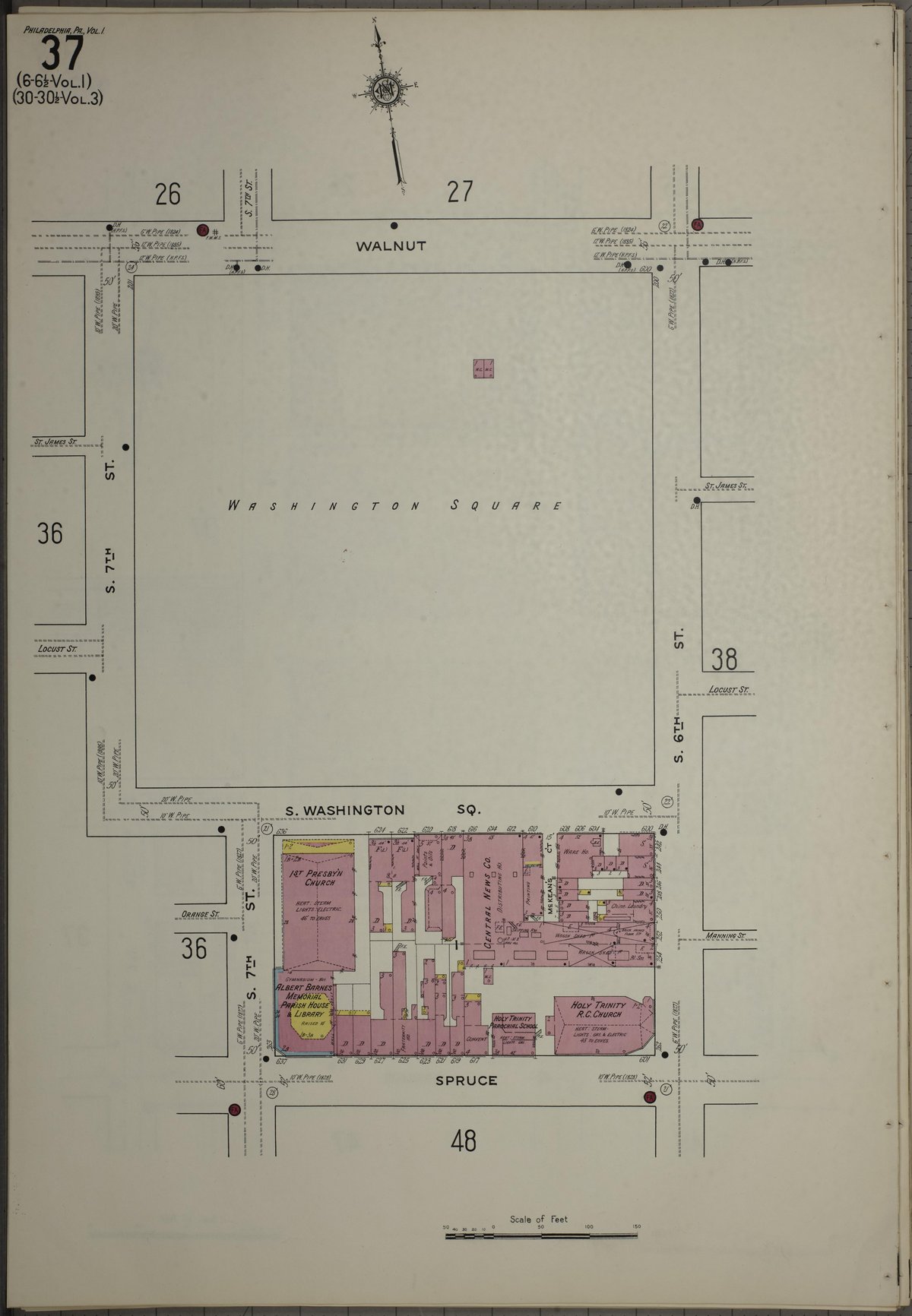
Washington Square was one of the five squares in William Penn’s 1682 plan for Philadelphia, originally known as Southeast Square. It was intended as a communal green space, reflecting Penn’s vision for a healthy, open city (NPS). In the 18th century, it became a potter’s field—a burial ground for the poor, epidemic victims, and soldiers from both sides of the Revolutionary War (Philadelphia Architects and Buildings).
Transformation into a Public Park
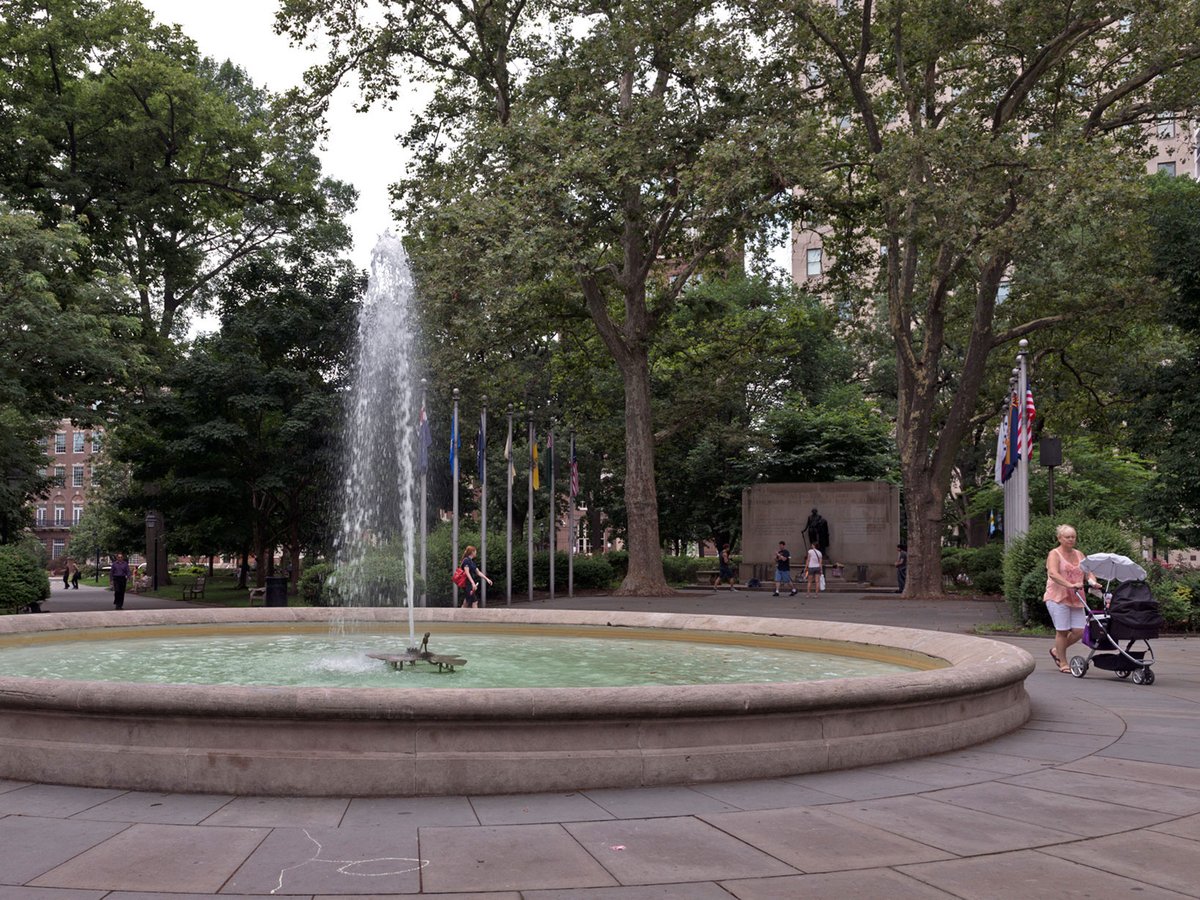
By the early 19th century, the square was landscaped and formalized as a public park and renamed in honor of George Washington in 1825 (NPS). Its evolution mirrored broader trends in American urban planning, prioritizing recreation and civic life.
19th and 20th Century Developments
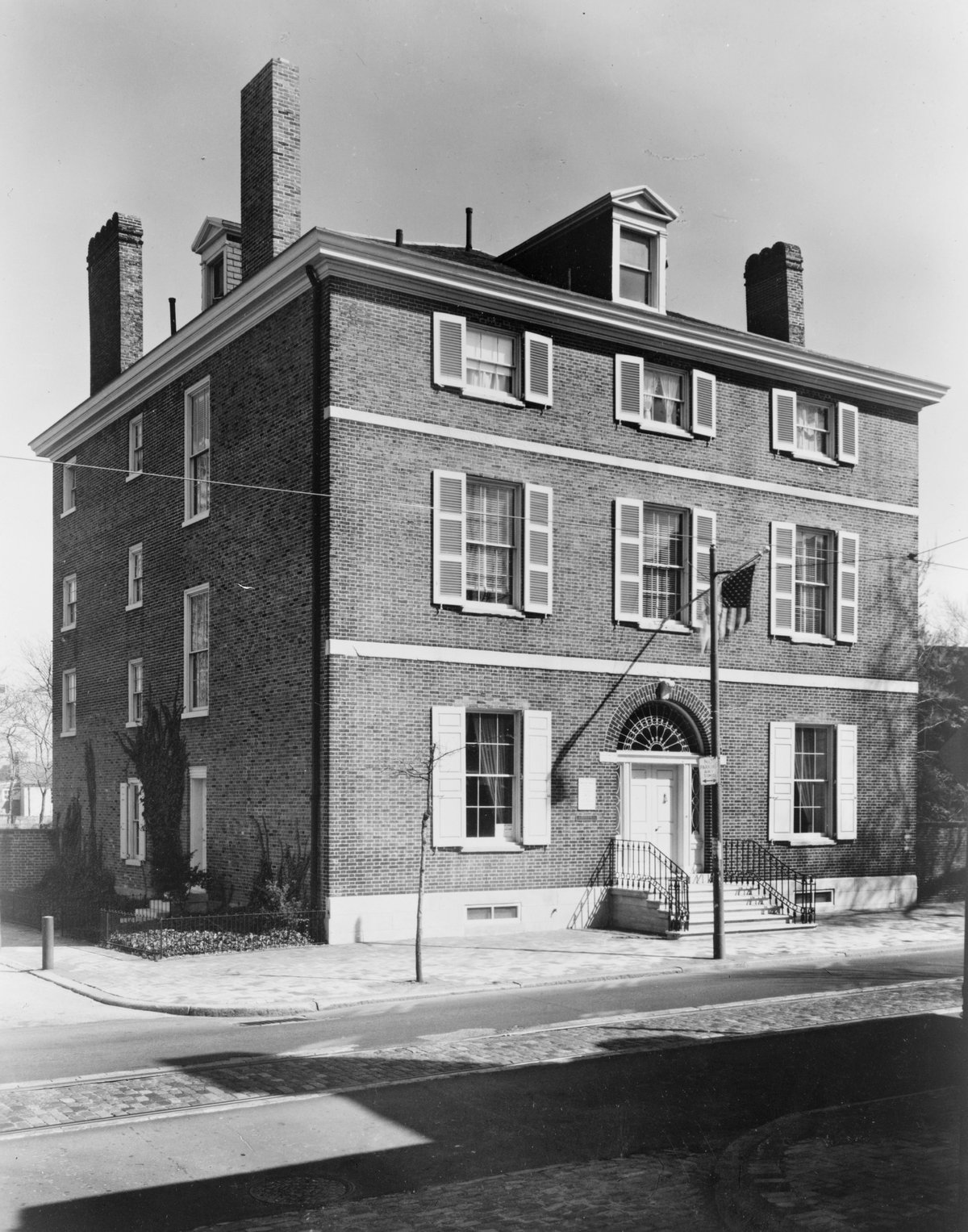
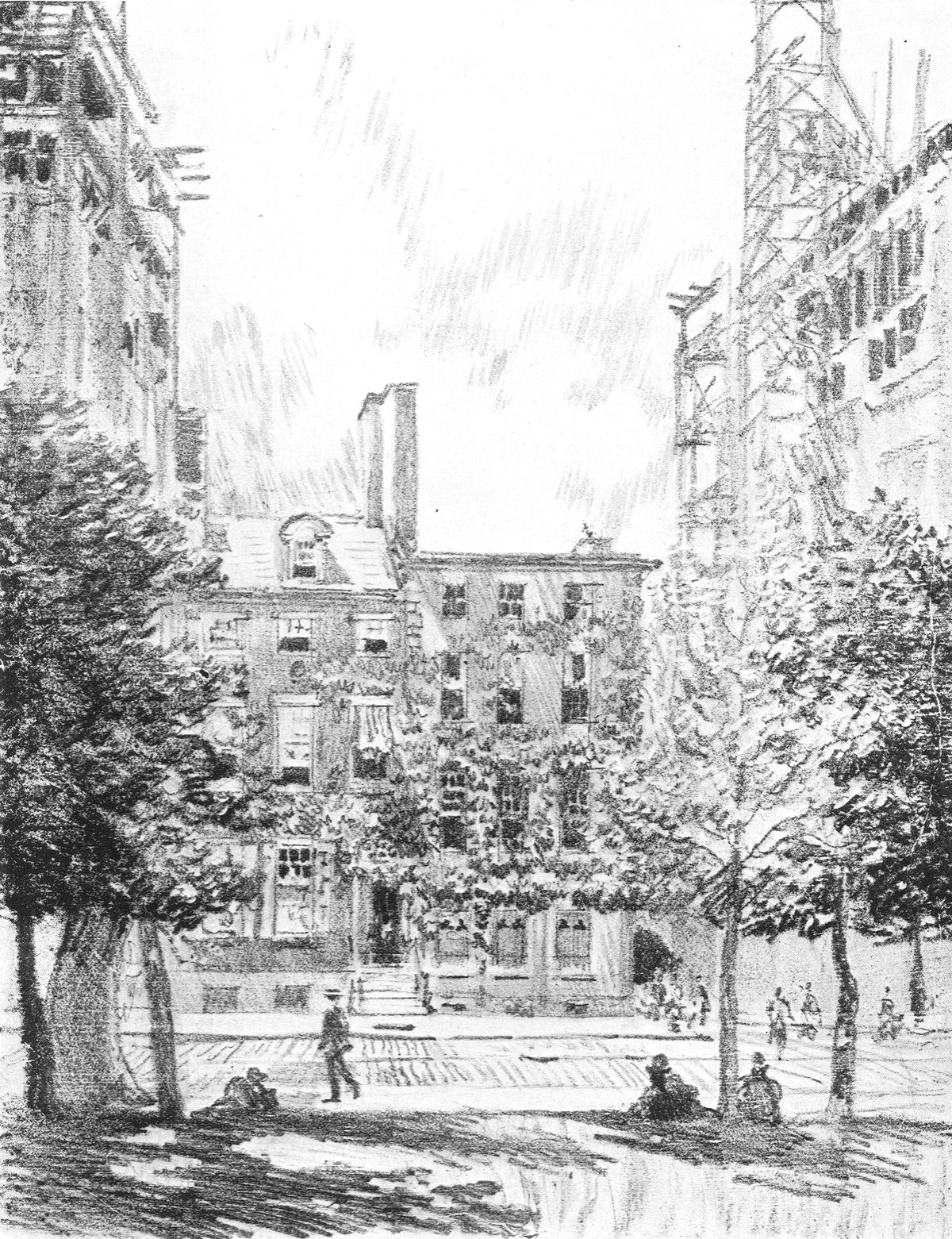
The square became a popular gathering place for Philadelphia’s diverse communities. It was surrounded by stately homes and significant institutions like Pennsylvania Hospital (Philadelphia Architects and Buildings). Over time, it also became a site for African American, Jewish, and later LGBTQ communities (NGA Heald).
Decline and Renewal
By the mid-20th century, Washington Square had fallen into disrepair and gained a reputation for crime (WHYY). Urban renewal initiatives in the 1950s and 1960s restored historic buildings and revitalized the neighborhood, setting a precedent for preservation-focused renewal (Philadelphia Architects and Buildings).
The Tomb of the Unknown Revolutionary War Soldier
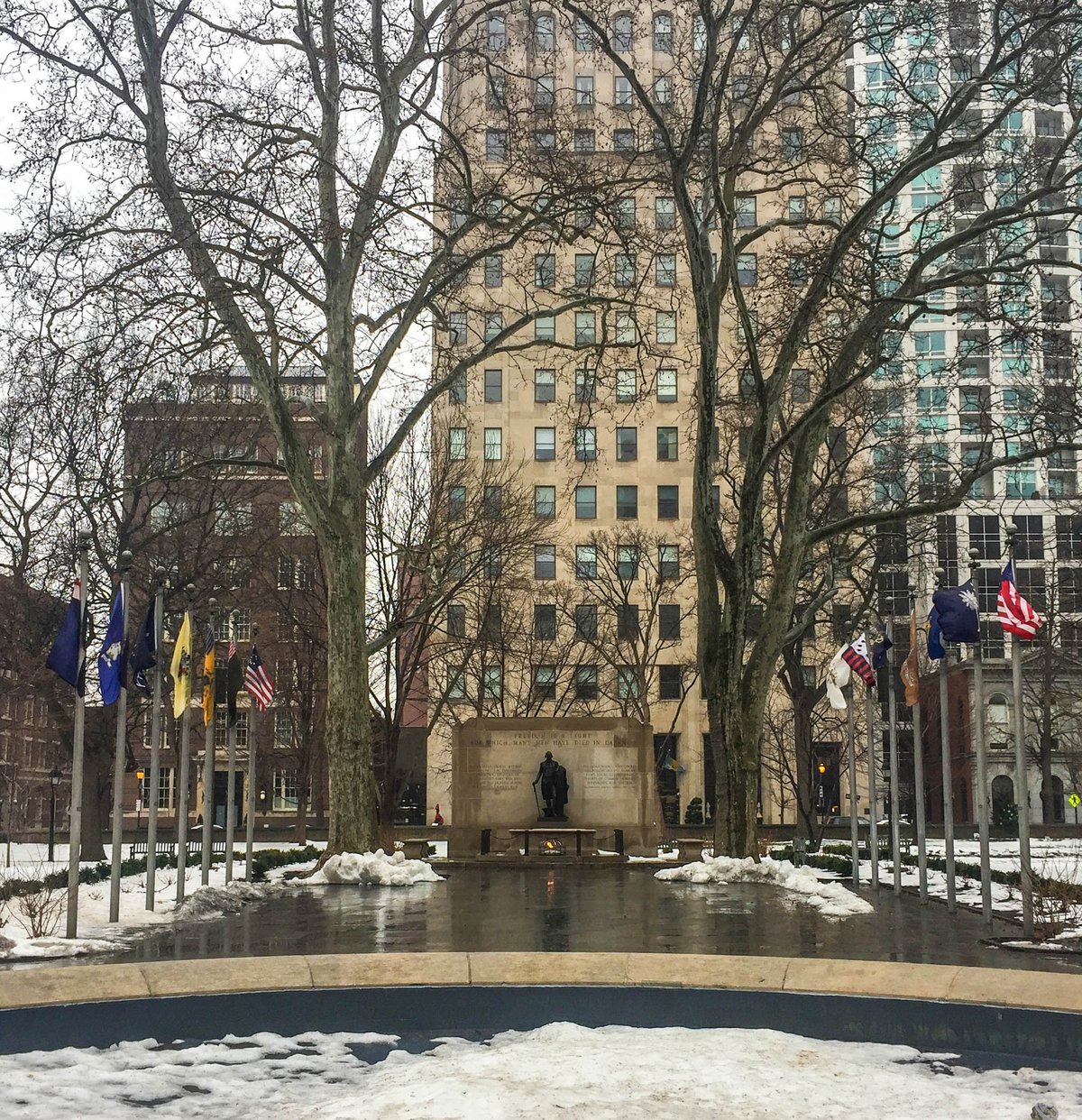
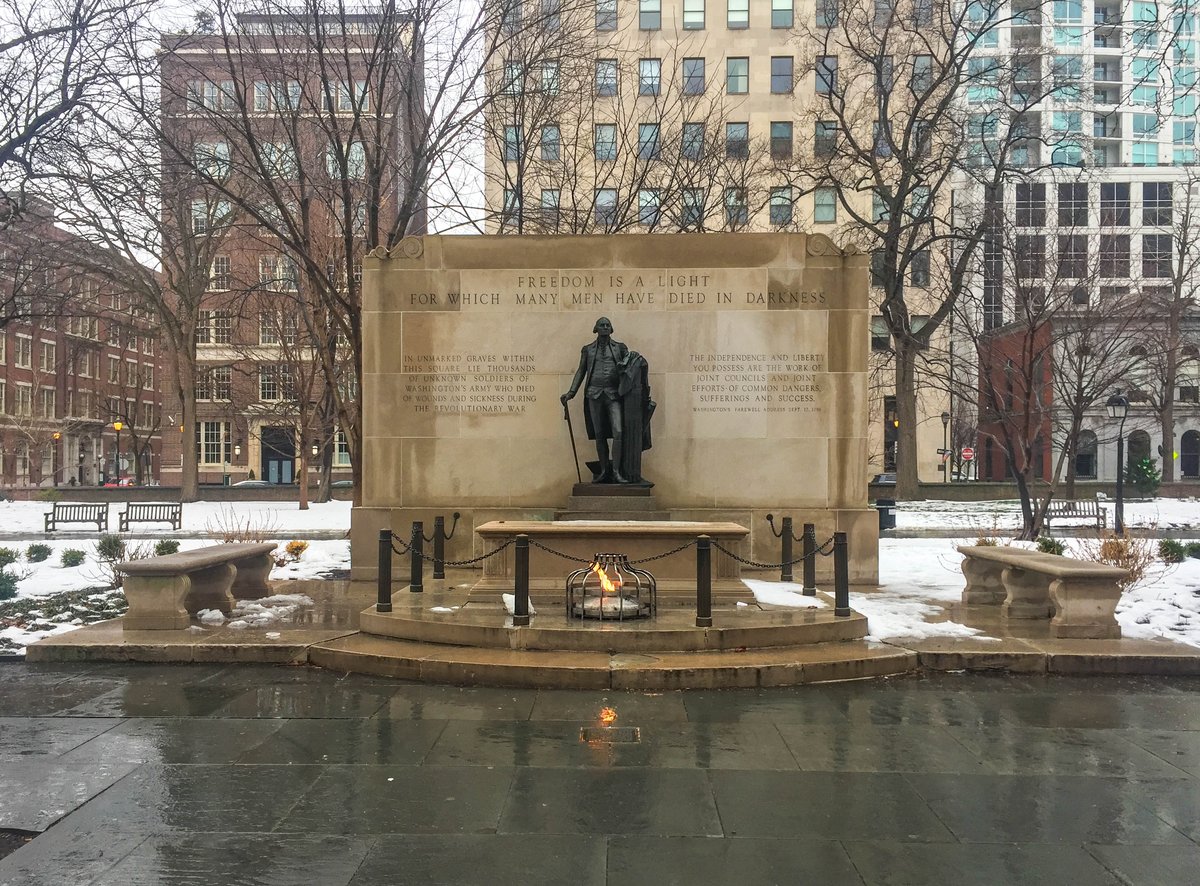
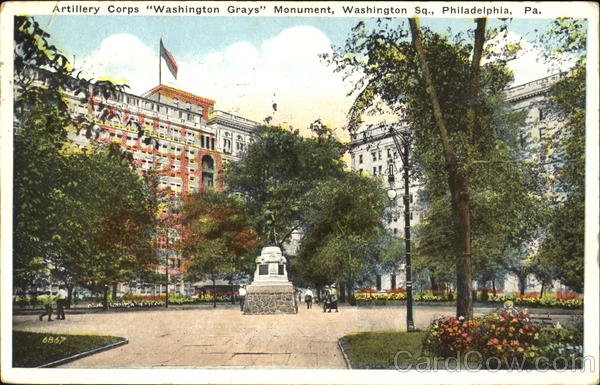
In 1957, the Tomb of the Unknown Revolutionary War Soldier was unveiled, honoring the thousands of soldiers who died during the Revolution and are buried in the square (Wikipedia). The memorial features a statue of George Washington and an eternal flame.
Historic District and Cultural Significance
In 2024, the Philadelphia Historical Commission designated Washington Square West as the city’s largest historic district in decades, recognizing the area’s architectural diversity and importance to Black, immigrant, Jewish, and LGBTQ communities (Philadelphia Inquirer).
Visiting Information
Hours and Admission
- Open daily 6:00 AM – 10:00 PM
- Admission Free, no tickets required. Some nearby historic sites may require tickets (NPS).
Accessibility
- Wheelchair accessible Paved, mostly level pathways and ramps.
- Benches Available throughout the park.
- Service animals Welcome.
For more accessibility details, visit Visit Philly.
Facilities
- Restrooms Not inside the park, but available nearby at Independence Hall and other attractions.
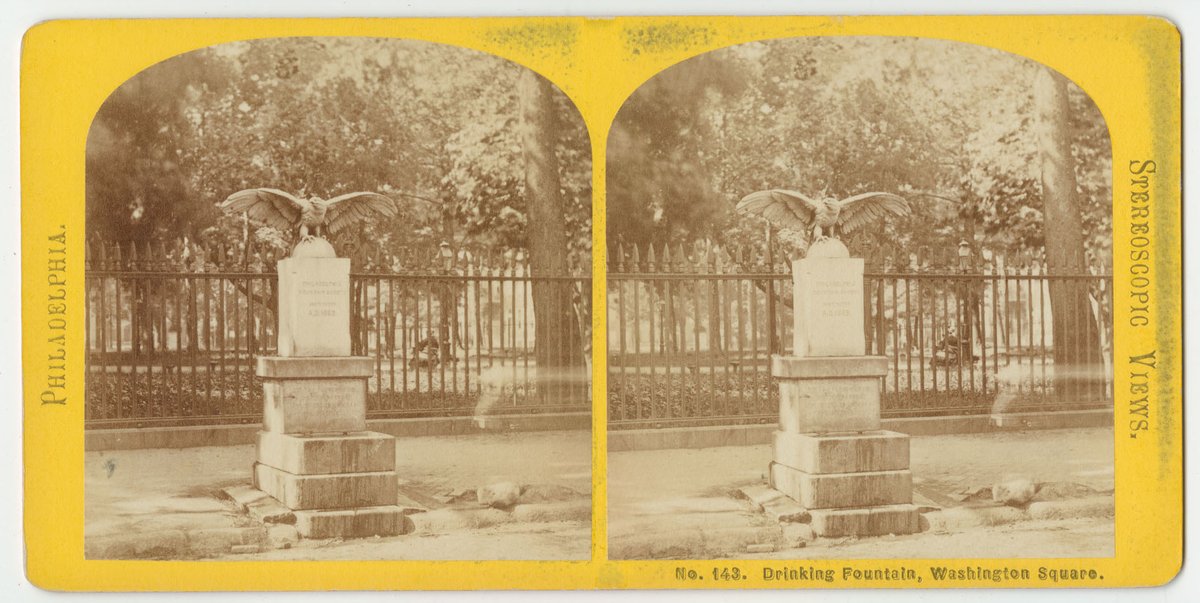
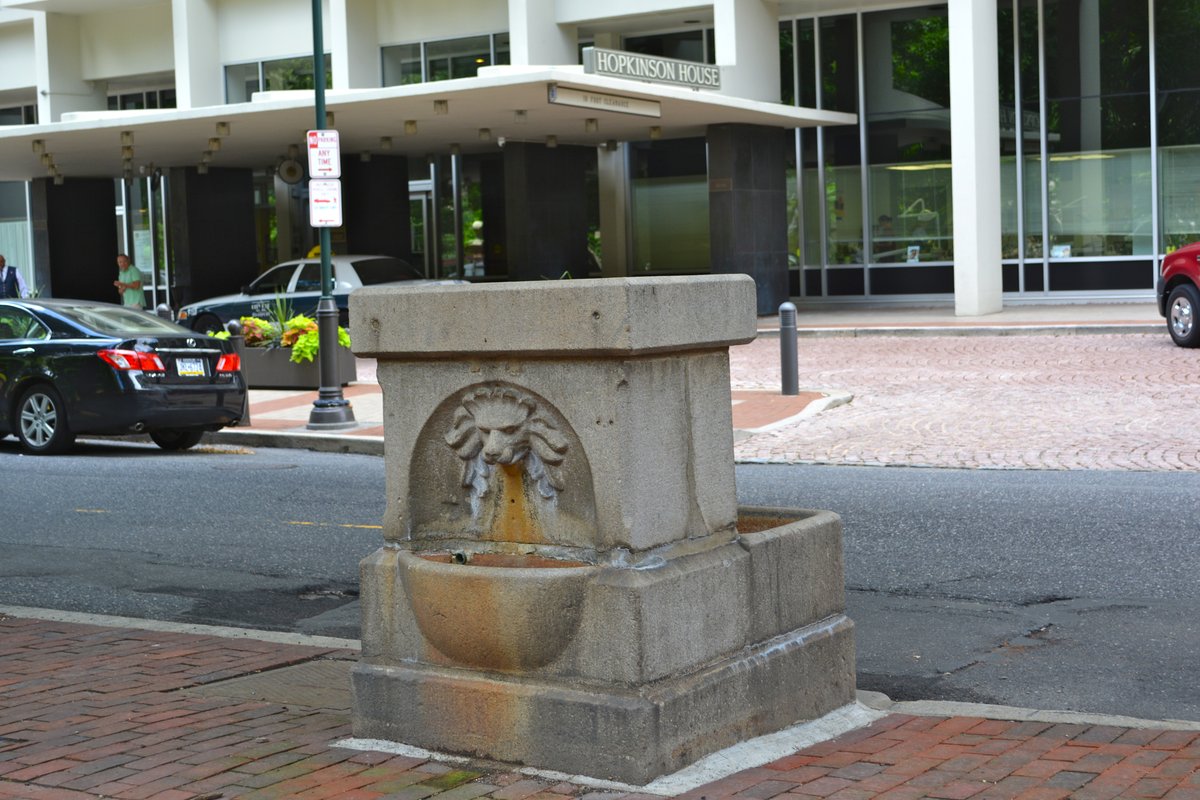
- Drinking fountains and trash bins Conveniently placed.
- Pet policy Leashed pets are allowed. Please clean up after your pets.
Getting There and Parking
- Location 6th and Walnut Streets, Washington Square West neighborhood.
- Public transit SEPTA subway and bus routes, 5th Street/Independence Hall Station (Market-Frankford Line), and Philly PHLASH Downtown Loop (onedayitinerary.com).
- Parking Limited metered street parking; several nearby garages and lots; accessible parking for those with disability placards.
- Cycling Bike lanes and racks at park entrances.
- Walkability High Walk Score; easily explored on foot (thestjamesphiladelphia.com).
Nearby Attractions and Dining
Washington Square is within walking distance of:
- Independence Hall
- Liberty Bell Center
- National Constitution Center
- Pennsylvania Hospital
- Mikveh Israel Cemetery
- Society Hill historic homes
Dining options range from quick cafes to upscale restaurants like Talula’s Garden, as well as many BYOB establishments (onedayitinerary.com; Nomadasaurus).
Tours and Events
- Guided tours Offered by the National Park Service and local operators; check NPS and the Philadelphia Visitor Center.
- Seasonal events Commemorative ceremonies at the Tomb of the Unknown Soldier; historical and cultural festivals.
- Photography Best in early morning or late afternoon for natural light; popular for engagement and wedding shoots (Ralph Deal Photography).
Best Times to Visit
- Fall (Sep–Dec) Mild temperatures, colorful foliage, and fewer crowds (travellersworldwide.com).
- Spring (Mar–May) Cherry blossoms and pleasant weather (treksplorer.com).
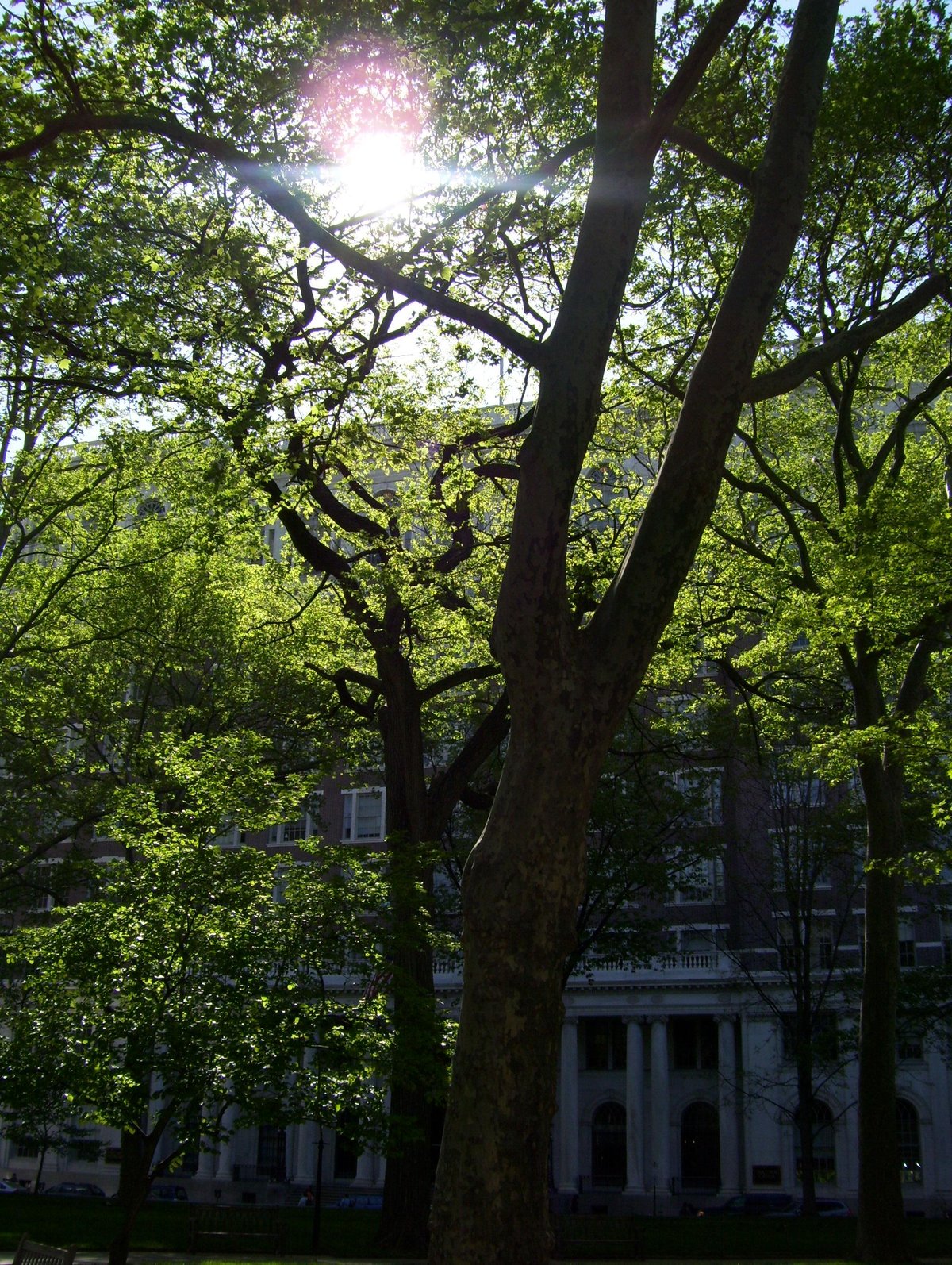
- Summer Shady trees offer relief; more tourists.
- Winter Quiet and lower hotel rates, though outdoor activities are limited.
Visitor Tips and Etiquette
- Wear comfortable shoes Ideal for walking the historic district.
- Bring water and snacks Especially in warmer months.
- Photography Respect memorials and posted rules.
- Picnicking Allowed; alcohol is prohibited unless part of a permitted event.
- Leash pets Clean up after them.
- Public Wi-Fi Available at many nearby cafes.
Frequently Asked Questions (FAQ)
Q: What are Washington Square’s visiting hours?
A: 6:00 AM to 10:00 PM daily.
Q: Is there an admission fee?
A: No, the park is free.
Q: Is Washington Square wheelchair accessible?
A: Yes, with paved, level pathways.
Q: Are guided tours available?
A: Yes; check with the National Park Service or visitor centers.
Q: Can I bring pets?
A: Yes, leashed pets are allowed.
Q: Where are the nearest restrooms?
A: At Independence Hall and nearby attractions.
Discover More
Washington Square is a vibrant urban oasis and a cornerstone among Philadelphia’s historic sites. Its layered history, cultural resonance, and tranquil beauty offer a unique experience—whether you’re reflecting at the Tomb of the Unknown Revolutionary War Soldier, enjoying a picnic, or exploring nearby landmarks.
Embrace the square’s legacy by visiting respectfully and engaging with its stories. For immersive experiences, download the Audiala app for audio tours and up-to-date event information. Stay connected via social media for the latest on park happenings. Plan your visit today and discover why Washington Square is a beloved Philadelphia destination.