Plan and listen to Veterans Stadium with Audiala.
Audio guide in your pocket, itinerary in your browser. Built for the way you actually visit.
Introduction
Veterans Stadium, affectionately known as "The Vet," was not only a hub for Philadelphia’s major sports teams but a symbol of the city’s resilience, pride, and community. Serving as home to the Philadelphia Phillies (MLB) and Philadelphia Eagles (NFL) from 1971 until its demolition in 2004, the stadium witnessed historic championships, legendary fan culture, and unforgettable events. Today, while the original structure no longer stands, its spirit is preserved through memorials, markers, and exhibits at the South Philadelphia Sports Complex. This guide provides an in-depth overview of Veterans Stadium’s history, legacy, and practical information for visitors wishing to connect with this iconic Philadelphia landmark. For additional resources, see PhillyVoice, Philadelphia Encyclopedia, and Wikipedia - Veterans Stadium.


Origins and Construction
In the late 1960s, Philadelphia sought to modernize its sports venues to replace Connie Mack Stadium and Franklin Field. Construction on Veterans Stadium began in October 1967, culminating in its grand opening on April 10, 1971. The $52 million project (equivalent to over $350 million today) reflected the era’s trend toward multi-purpose "cookie-cutter" stadiums designed to support both baseball and football configurations (PhillyVoice).
Architectural Features and Design
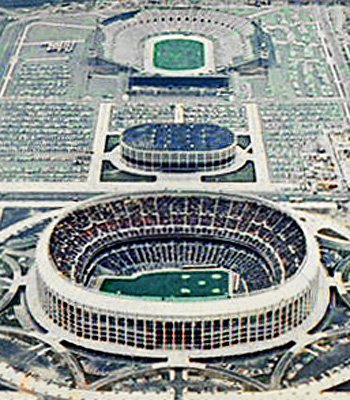
Veterans Stadium was renowned for its massive, circular design, accommodating up to 65,000 for football and over 56,000 for baseball. The structure utilized reinforced concrete and featured movable seating sections for versatile field arrangements. The stadium’s exterior was distinguished by ribbed columns, and atop the roof stood a Liberty Bell replica, nodding to Philadelphia’s historical legacy. Inside, the use of AstroTurf became both a hallmark and a controversy due to its hardness and injury risk (PhillyVoice).
Role in Philadelphia Sports
Home to the Phillies and Eagles
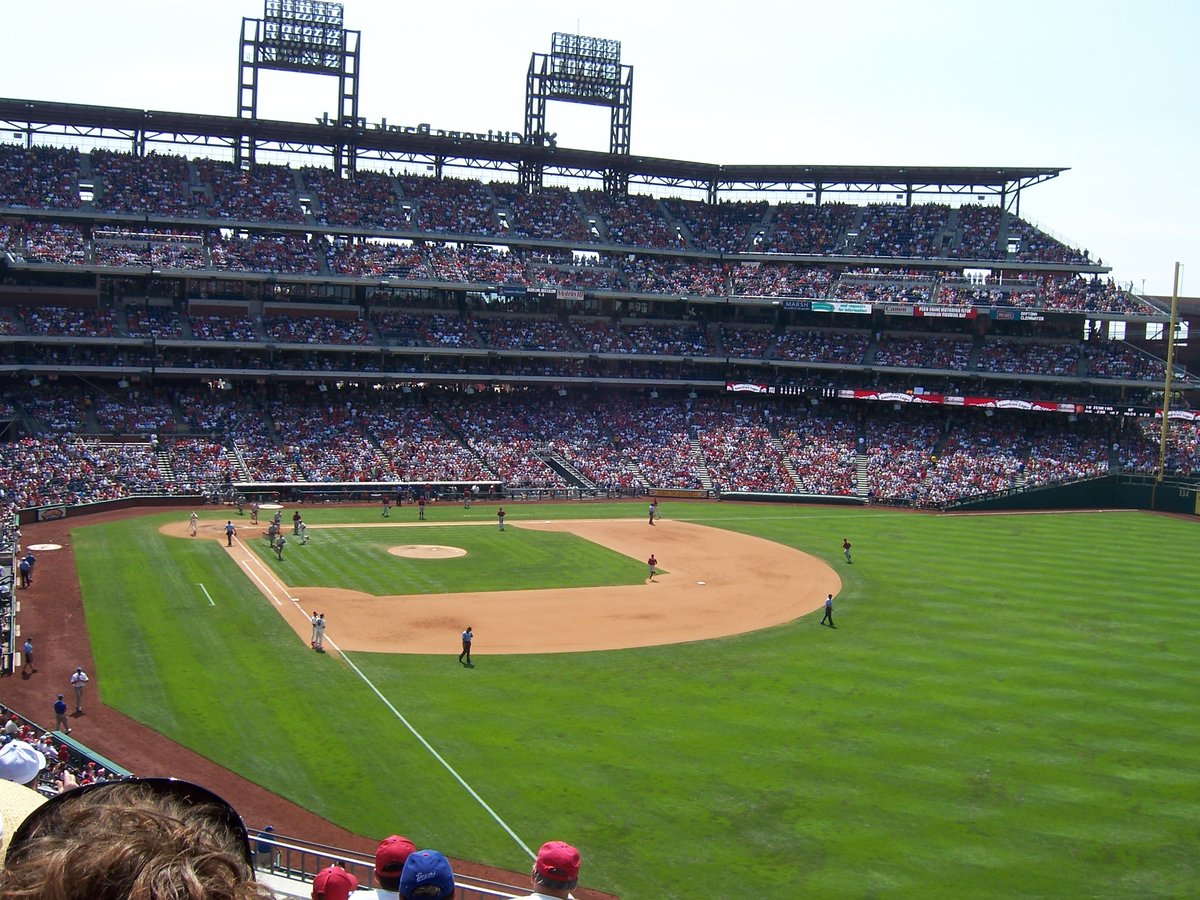
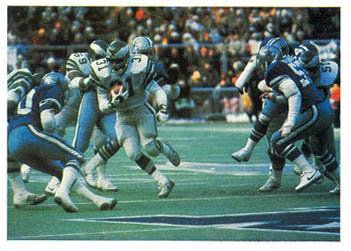
For over three decades, Veterans Stadium served as the heart of Philadelphia’s professional sports scene. The Phillies and Eagles hosted countless games here, including the Phillies’ 1980 World Series victory—marking their first championship—and five NFC Championship games for the Eagles. The stadium also saw the Phillies reach the World Series again in 1993, further solidifying its reputation as a stage for pivotal moments in sports history (PhillyVoice).
Fan Culture and Stadium Atmosphere
The Vet’s notorious "700 Level" embodied Philadelphia’s fiercely loyal and spirited fan base. The stadium became infamous for its intense, sometimes unruly atmosphere, leading to the establishment of an on-site courtroom during Eagles games to address fan misconduct. This unique blend of passion and grit contributed to Philadelphia’s reputation as home to some of the nation’s most dedicated sports enthusiasts (PhillyVoice).
Cultural and Civic Significance
Beyond sports, Veterans Stadium hosted a wide range of events, including concerts by legendary artists, soccer matches, religious gatherings, and civic celebrations. Its utilitarian design and challenging playing conditions symbolized Philadelphia’s blue-collar spirit. Despite its flaws—such as deteriorating infrastructure and hard turf—fans embraced the stadium’s authenticity and atmosphere (PhillyVoice).
Visiting the Site Today
Visiting Hours & Location
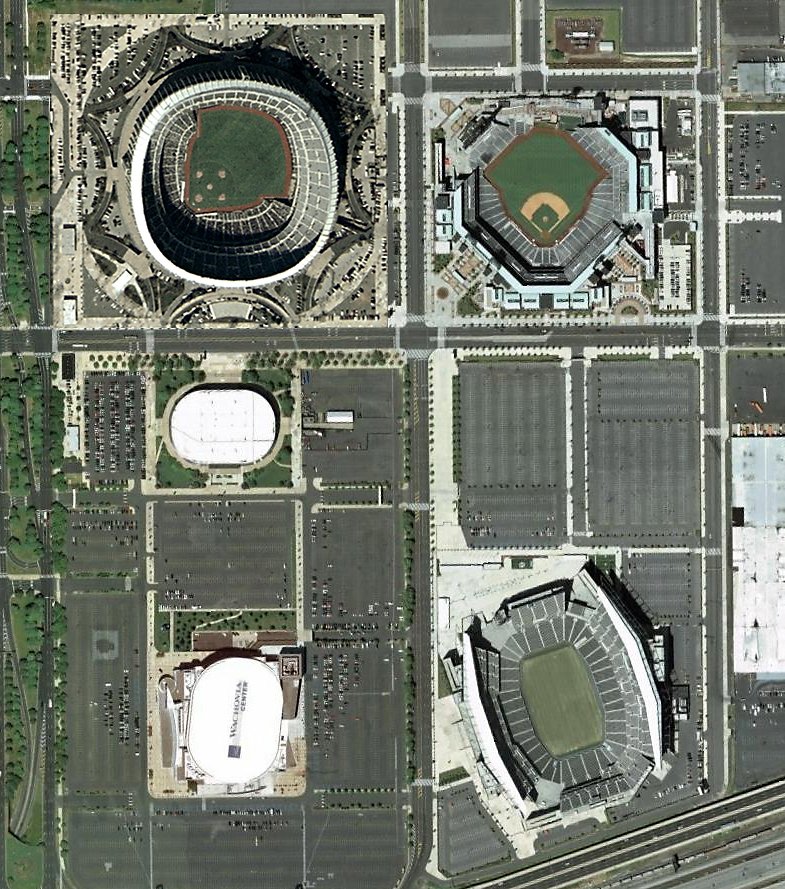
The original site of Veterans Stadium is now Lot U in the South Philadelphia Sports Complex, near 3501 S. Broad Street. Though the stadium was demolished in 2004, the area remains a point of pilgrimage for fans and history enthusiasts. The memorials and markers are accessible 24/7 as part of the public parking lot.
Tickets & Tours
There are no tickets or scheduled tours specific to the Veterans Stadium memorial, as the site is open to the public and free to access. However, guided tours of nearby Citizens Bank Park (Phillies) and Lincoln Financial Field (Eagles) often include references and artifacts from Veterans Stadium, providing context on its role in Philadelphia’s sports history.
Accessibility & Travel Tips
- Public Transit: The NRG Station on SEPTA’s Broad Street Line is within walking distance.
- Parking: Ample paid parking is available in the complex’s lots.
- Accessibility: The area is wheelchair accessible, with ADA parking and pathways.
- Visitor Tips: Visit on non-game days for a quieter experience. During major events, the complex can be very busy and parking more limited.
Nearby Attractions
- Citizens Bank Park: Home to the Phillies, with a Hall of Fame exhibit and stadium tours.
- Lincoln Financial Field: Home to the Eagles, offering guided tours.
- Wells Fargo Center: Hosts the Flyers (NHL), 76ers (NBA), and concerts.
- Xfinity Live!: Entertainment and dining complex.
- Philadelphia Museum of Art: Accessible by car or public transit for art and history lovers.
Memorials and Key Features
Veterans Stadium Memorial
At Lot U, a granite marker honors the stadium’s history, inscribed with “Veterans Stadium, 1971–2003” and accompanied by a bronze plaque. This serves as a gathering place for fans and veterans, especially on commemorative occasions (Visit Philly - Veterans Stadium Memorial).
Field Markers
Brass markers embedded in the asphalt indicate the original locations of home plate, the bases, and the pitching mound, allowing visitors to stand where sports legends once played.
Informational Signage
Interpretive signs and photographs are displayed around the site, offering context and stories from the stadium’s past.
Frequently Asked Questions (FAQs)
Q: Is Veterans Stadium open to visitors today?
A: The stadium itself was demolished in 2004, but the memorials and markers at its former site are available for public visitation year-round.
Q: Are there tickets or guided tours specifically for the Veterans Stadium site?
A: No tickets or official tours are required; the memorial is freely accessible. Tours of nearby sports venues often include references to Veterans Stadium.
Q: What events are commemorated at the memorial?
A: Special ceremonies and gatherings occur on anniversaries, Memorial Day, Veterans Day, and occasionally during major citywide celebrations.
Q: Is the memorial site accessible?
A: Yes, the area is wheelchair accessible and open 24/7, though it operates as an active parking lot during events.
Discover More
Though Veterans Stadium no longer stands, its legacy continues in the heart of Philadelphia’s sports and cultural life. Visitors can honor the stadium’s history by exploring the memorials, walking the grounds where legends played, and immersing themselves in the vibrant atmosphere of the South Philadelphia Sports Complex.
To enhance your visit and access more resources—including maps, event updates, and self-guided tours—download the Audiala app. Stay connected with Philadelphia’s rich heritage by following us on social media and exploring our related guides on local history, sports, and cultural attractions.
Listen to the full story in the app
The whole Veterans Stadium,
told well.
Audio guides for 1,100+ cities across 96 countries. History, stories, and local insight — offline ready.
Verified, and shown.
Researched and written by the Audiala editorial team from historical records, architectural archives, and local expertise.
Researched from Wikidata, Wikipedia & official sources · fact-checked · How we make our guides →