Plan and listen to Uss John F. Kennedy with Audiala.
Audio guide in your pocket, itinerary in your browser. Built for the way you actually visit.
Introduction
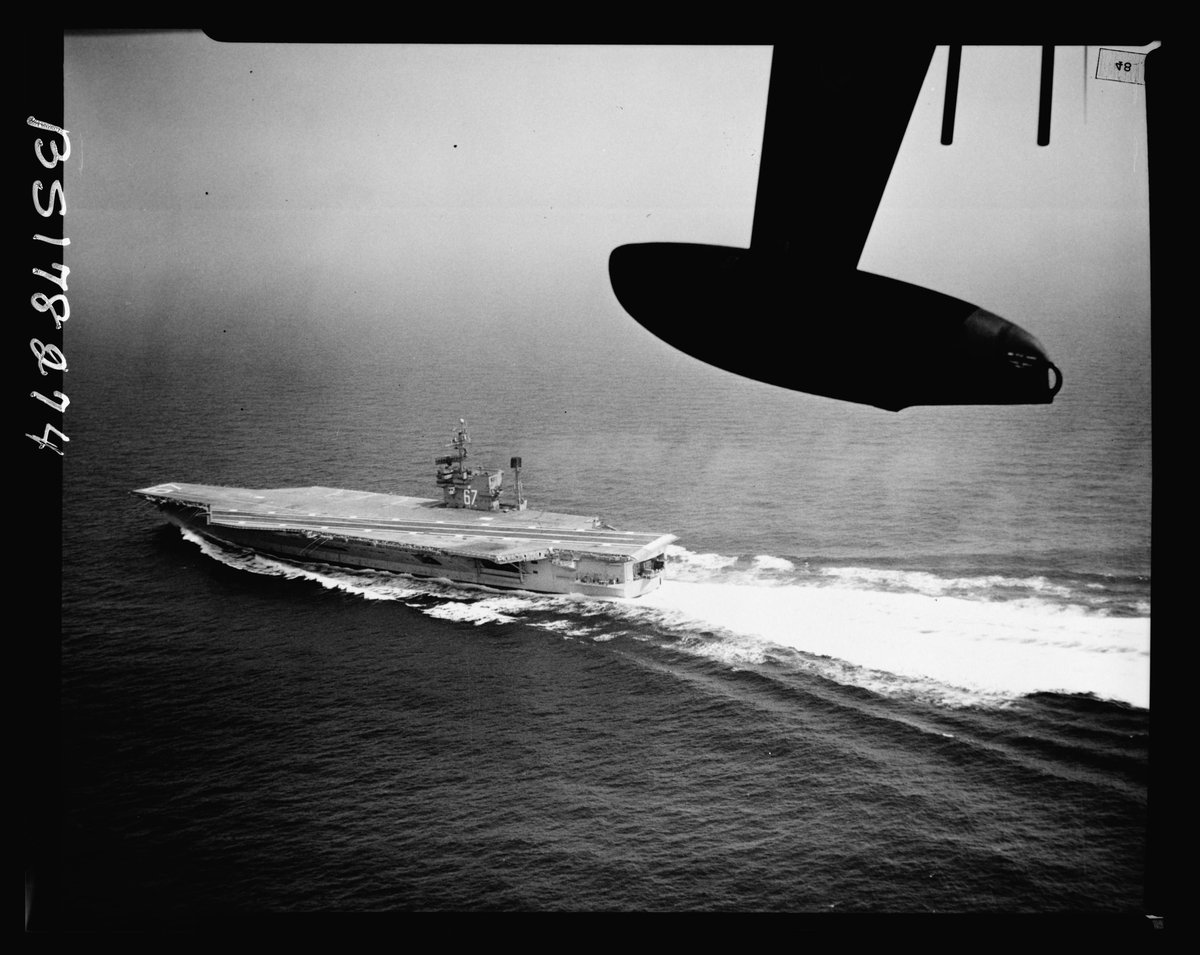
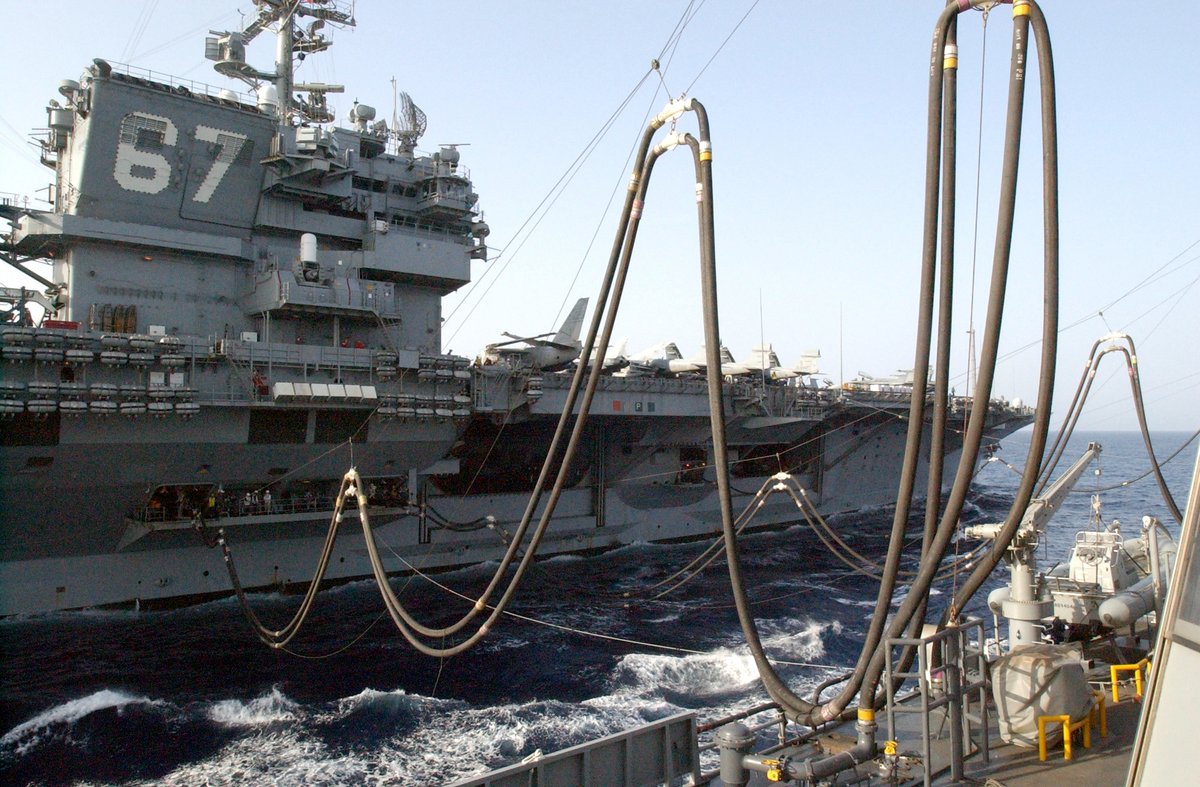
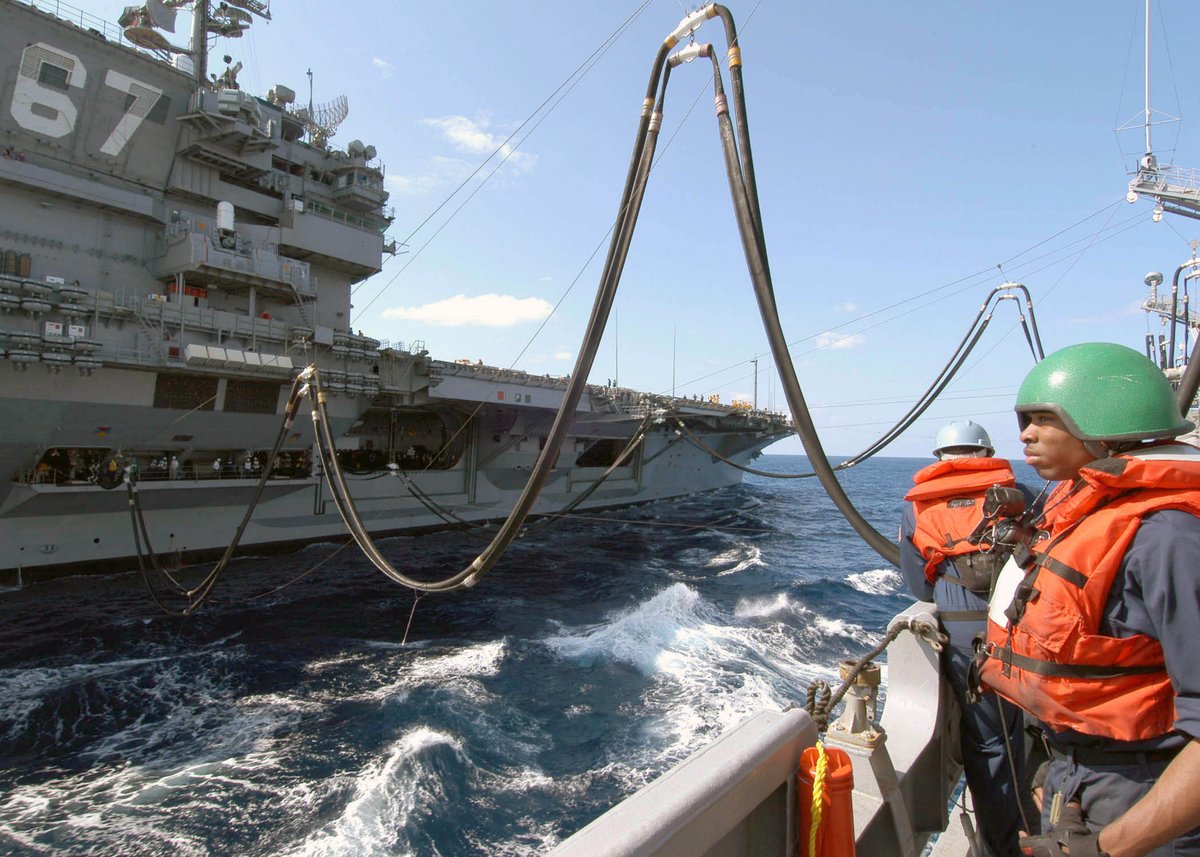
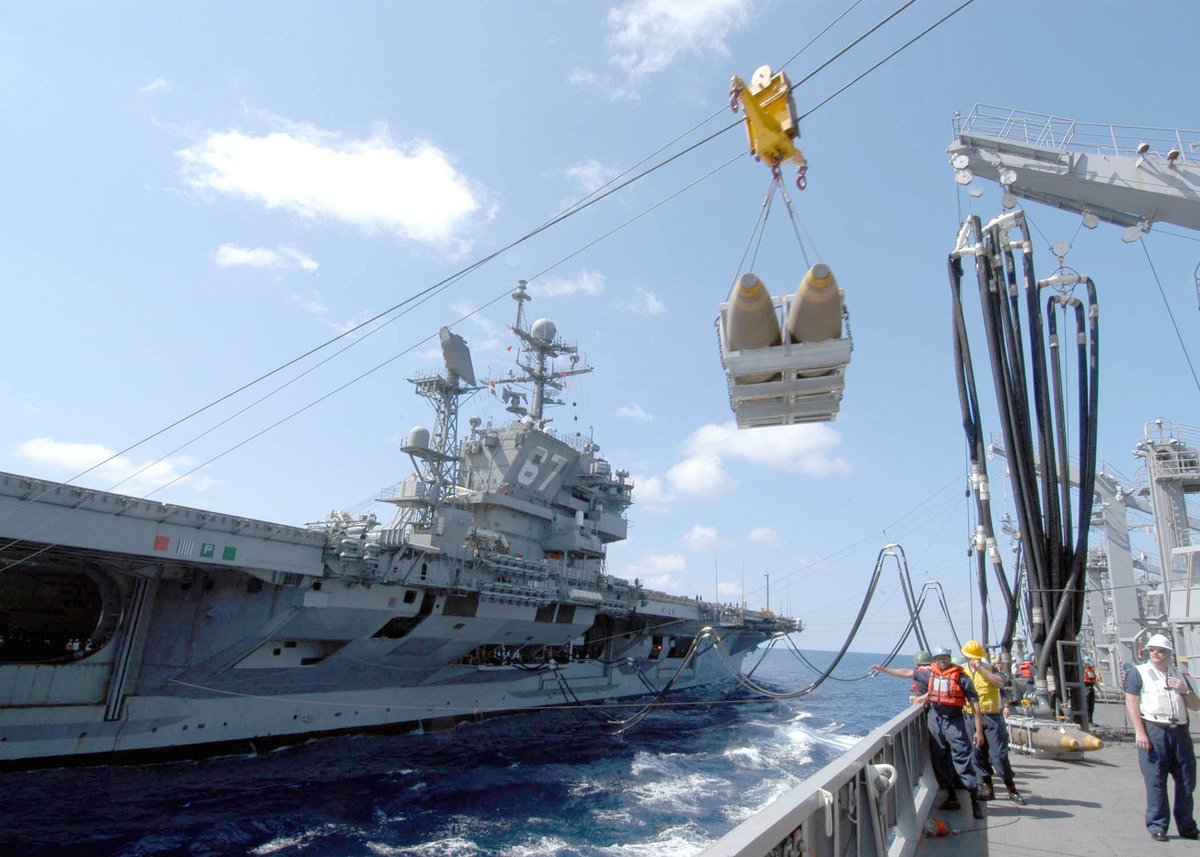
The USS John F. Kennedy (CV-67), fondly known as “Big John,” holds a distinguished place in American naval history and Philadelphia’s maritime heritage. Commissioned in 1968 as the last conventionally powered aircraft carrier in the U.S. Navy, the Kennedy was a vital force in global operations for nearly four decades. Although the ship was decommissioned in 2007 and dismantled after leaving Philadelphia in early 2025, its story continues to inspire visitors and veterans alike. This comprehensive guide explores the carrier’s history, legacy, and how you can engage with Philadelphia’s rich naval traditions, even though the ship itself is no longer accessible (HullNumber.com; Alert 5; CBS News Philadelphia; Navy Emporium).
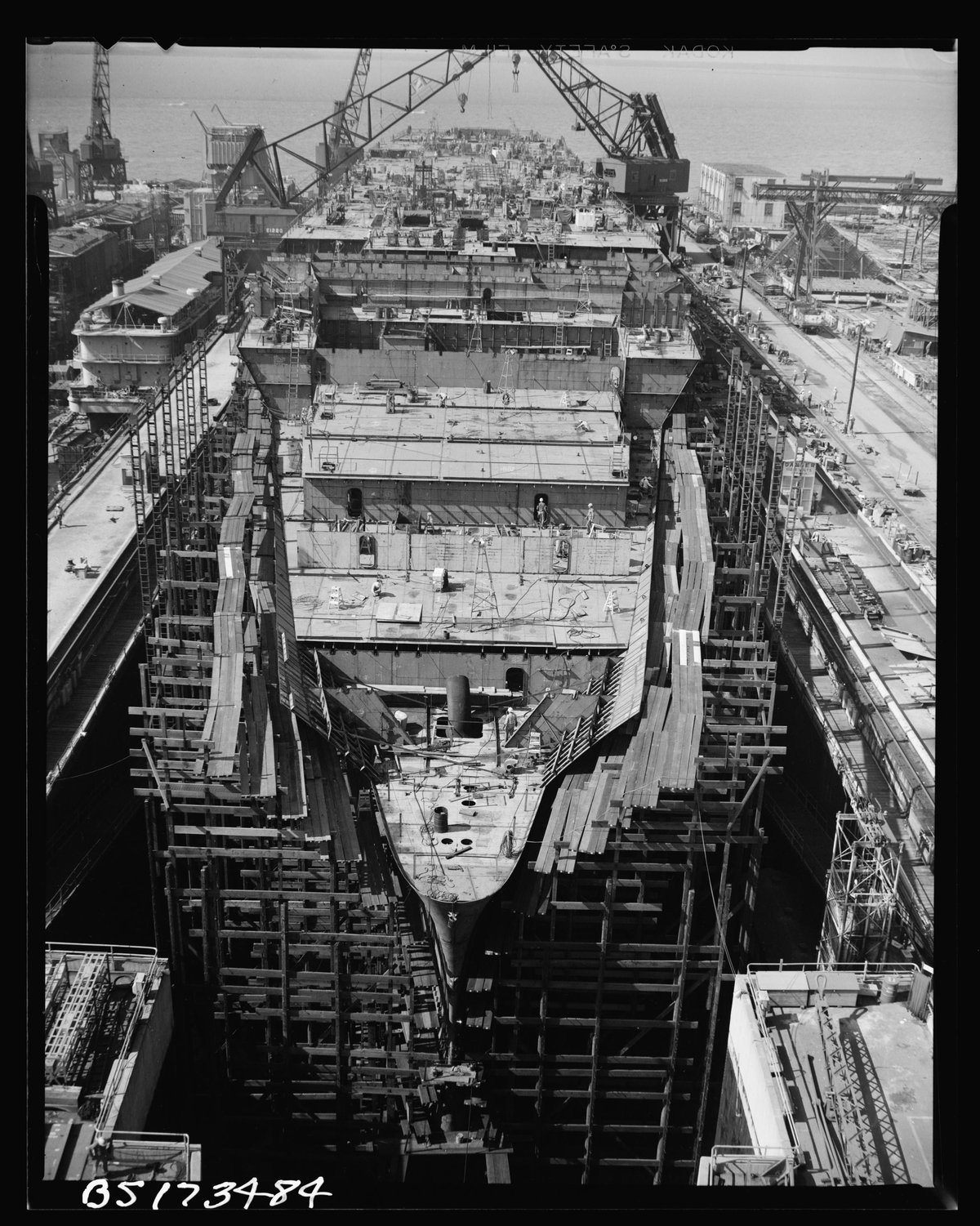
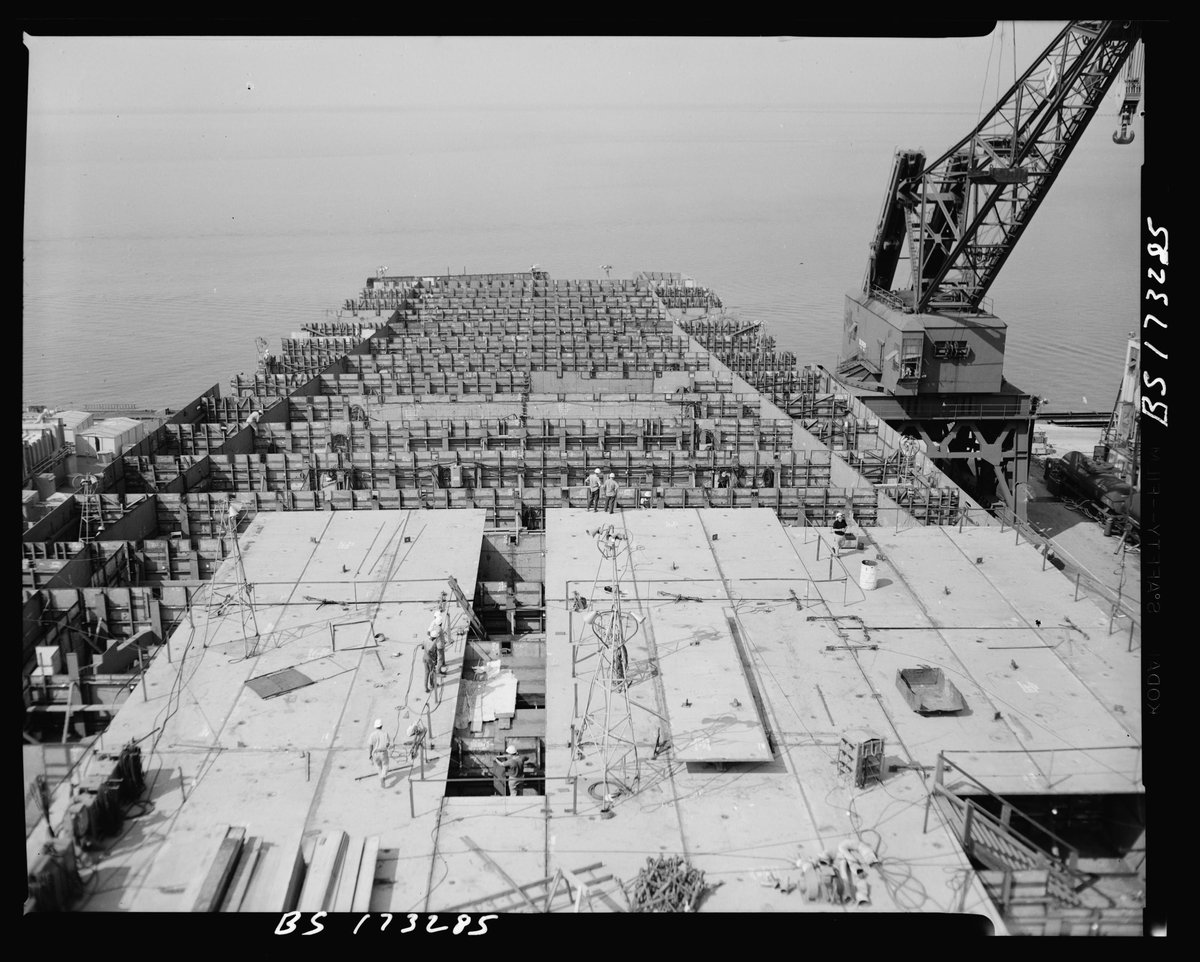
The USS John F. Kennedy was authorized as a significant advancement in American naval power during the Cold War. Built at Newport News Shipbuilding, her keel was laid on October 22, 1964, launched on May 27, 1967, and commissioned on September 7, 1968, with Caroline Kennedy serving as sponsor (HullNumber.com). The ship was named in honor of the 35th President of the United States, himself a notable naval officer in WWII (Navy History).
Throughout its 39 years of active service, the Kennedy took part in 18 major deployments, supporting U.S. presence and operations across the Mediterranean, Middle East, and beyond. Its missions ranged from Cold War deterrence and the Yom Kippur War to Operation Desert Storm and, later, post-9/11 homeland defense (Alert 5; CBS News Philadelphia; Navy Emporium).




Design and Specifications
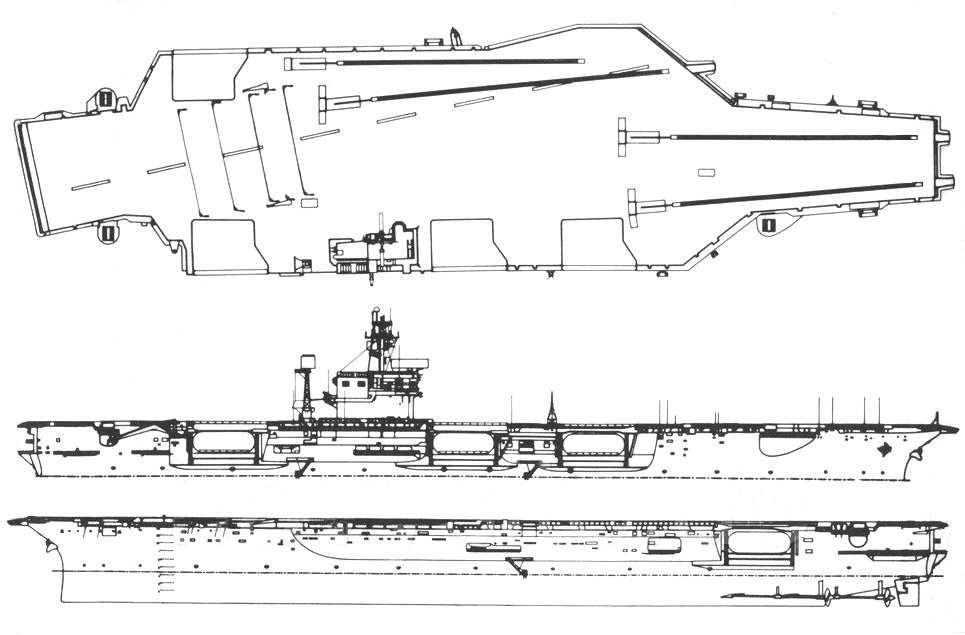
As the last conventionally powered supercarrier built for the Navy, the Kennedy represented a transitional era in naval engineering, bridging the Kitty Hawk-class and the Nimitz-class nuclear carriers (TVD Naval Warfare).
Key Specifications:
- Displacement: 60,728 tons (full load)
- Length: 1,052 feet
- Beam: 252 feet
- Draft: 36 feet
- Propulsion: Steam turbines (conventional)
- Air Wing: Up to 80 aircraft, including F-14 Tomcats and F/A-18 Hornets
Unique onboard features included a special in-port cabin with wood paneling designed by Jacqueline Kennedy, linking the ship personally to the Kennedy family (Wikipedia).
Service Highlights
The Kennedy’s operational career was both dynamic and influential:
- Cold War Operations: Frequent Mediterranean and NATO deployments, shadowed by Soviet vessels.
- Middle East Engagements: Presence during the Yom Kippur War, Lebanon Crisis, and support after the Beirut barracks bombing.
- Gulf War: Launched airstrikes during Operation Desert Storm.
- Post-9/11: Provided air defense for the U.S. East Coast during Operation Noble Eagle.
- Global Reach: Supported humanitarian missions and participated in joint exercises worldwide (Navy Emporium; Wildwood Video Archive).
Decommissioning and Final Voyage
Philadelphia Navy Yard Years
Decommissioned on March 23, 2007, the Kennedy was berthed at the Philadelphia Navy Yard for nearly 18 years (6ABC). During this period, it became a beloved local landmark and a point of pride for veterans and the community.
Final Departure and Scrapping
Efforts to preserve the Kennedy as a museum did not materialize due to logistical and financial constraints (Wildwood Video Archive). On January 16, 2025, the ship was towed from Philadelphia to Brownsville, Texas, for environmentally responsible dismantling. The journey was marked by public ceremonies and coverage, and even delayed briefly due to an osprey nesting on board (USNI News; Port of Brownsville).
Visiting Philadelphia’s Naval Heritage Sites
While you can no longer tour the USS John F. Kennedy, Philadelphia offers several outstanding sites to connect with naval history:
- Independence Seaport Museum: Features exhibits on naval vessels, maritime history, and Philadelphia’s pivotal role in American seafaring.
- Battleship New Jersey Museum and Memorial (Camden, NJ): Offers hands-on tours aboard the most decorated battleship in U.S. history.
- The Navy Yard: A revitalized campus with historic buildings, green spaces, and periodic heritage events.
- Penn’s Landing: A vibrant waterfront area with parks, events, river views, and seasonal festivities.
Visitor Information, Accessibility, and Tickets
Philadelphia Navy Yard:
- Open to the public daily from dawn to dusk; access to former vessel berths is limited.
- Grounds are wheelchair accessible, with paved paths and parking available.
- No tickets required to explore public areas, but some events and museums may charge admission.
Independence Seaport Museum:
- Open Tuesday–Sunday, 10 AM–5 PM.
- Tickets: $10–$20 (discounts for seniors, veterans, and children).
- Wheelchair accessible.
Travel Tips:
- Use SEPTA buses, regional rail, or rideshare for convenient access.
- Check official websites for updated hours, event listings, and accessibility services.
- For special naval heritage events, consult local calendars and museum announcements.
Frequently Asked Questions (FAQ)
Q: Is the USS John F. Kennedy open for tours?
A: No. The carrier was decommissioned in 2007, scrapped in 2025, and is no longer accessible to the public.
Q: Where can I learn about the Kennedy’s history?
A: Philadelphia’s Independence Seaport Museum and naval heritage exhibits offer rich information and artifacts.
Q: Are there guided tours of naval sites in Philadelphia?
A: Yes, guided tours are available at the Independence Seaport Museum and the Battleship New Jersey Museum. The Navy Yard also offers occasional heritage tours.
Q: Is the Navy Yard area accessible?
A: Yes, public areas and waterfront walkways meet accessibility standards.
Q: Can I view any parts of the Kennedy today?
A: Artifacts like Jacqueline Kennedy’s decorated cabin are displayed at the National Museum of Naval Aviation in Pensacola (Wikipedia).
Legacy of the USS John F. Kennedy
The USS John F. Kennedy embodied American resilience, innovation, and global engagement. Her story continues through commemorative efforts, museum exhibits, and the commissioning of the new Ford-class USS John F. Kennedy (CVN-79) (Alert 5). Veterans and visitors alike honor her legacy by engaging with naval history and participating in educational programs.
Discover More
Connect with Philadelphia’s vibrant naval heritage by visiting local museums, attending special events, and exploring the city’s historic waterfront. For up-to-date visitor information, download the Audiala app, follow our social media channels, and review related articles on maritime history and travel. Your interest helps keep the story of “Big John” alive for generations to come.
Listen to the full story in the app
The whole Uss John F. Kennedy,
told well.
Audio guides for 1,100+ cities across 96 countries. History, stories, and local insight — offline ready.
Verified, and shown.
Researched and written by the Audiala editorial team from historical records, architectural archives, and local expertise.
Kennedy: Visiting Hours, Tickets, and History of Philadelphia’s Iconic Aircraft Carrier, 2025, HullNumber.com
Kennedy Final Voyage and Legacy: Visiting Hours, Tickets, and Philadelphia Naval History, 2025, USNI News
Kennedy Final Voyage and Legacy: Visiting Hours, Tickets, and Philadelphia Naval History, 2025, Port of Brownsville
Kennedy: Visiting Hours, Tickets, and History of Philadelphia’s Iconic Aircraft Carrier, 2025, Alert 5
Kennedy: Visiting Hours, Tickets, and History of Philadelphia’s Iconic Aircraft Carrier, 2025, CBS News Philadelphia
Kennedy Visiting Hours and Guide at Philadelphia Navy Yard: History, Tips, and FAQs, 2025, Navy Emporium
Kennedy Final Voyage and Legacy: Visiting Hours, Tickets, and Philadelphia Naval History, 2025, 6ABC
Researched from Wikidata, Wikipedia & official sources · fact-checked · How we make our guides →