Plan and listen to University Of Pennsylvania with Audiala.
Audio guide in your pocket, itinerary in your browser. Built for the way you actually visit.
Introduction
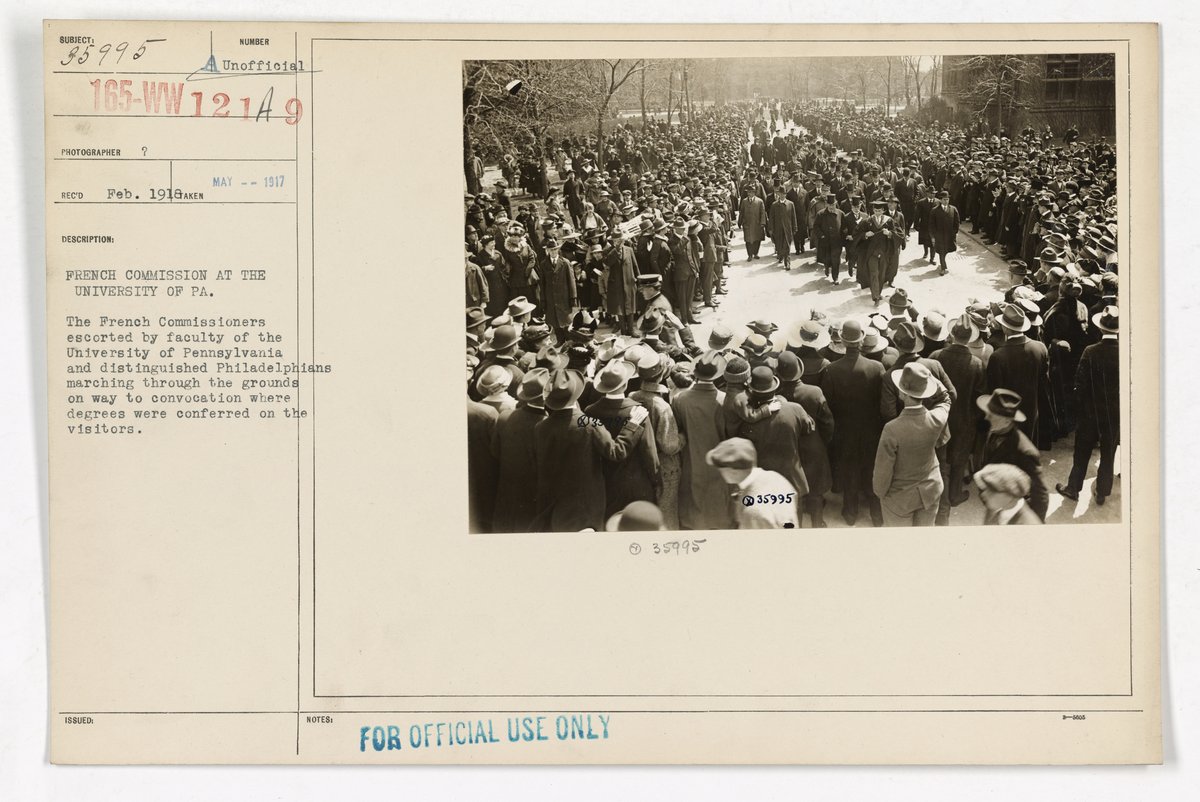
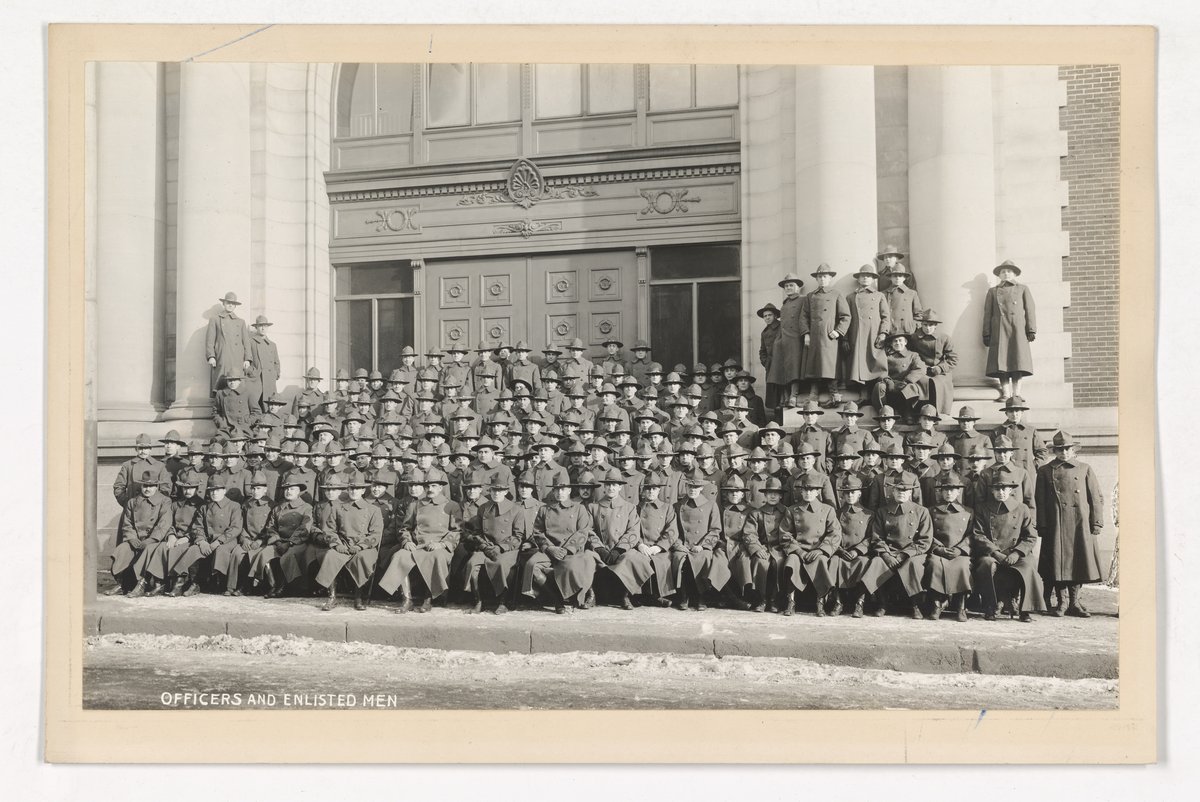
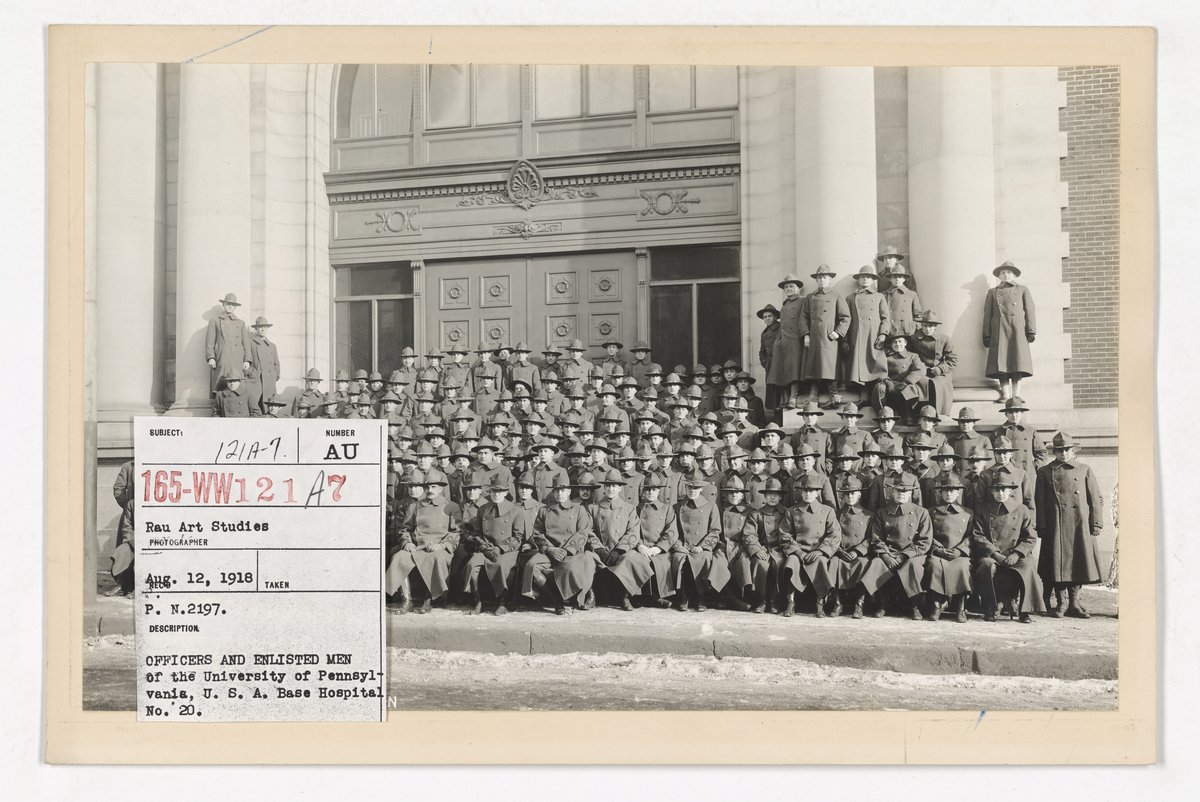
The University of Pennsylvania (Penn) is one of America’s oldest and most prestigious institutions, deeply interwoven with the history of Philadelphia and the nation itself. Founded in 1740 and shaped by Benjamin Franklin’s vision, Penn pioneered a unique model of higher education that combined practical and classical studies, influencing the development of universities across the United States (University of Pennsylvania Historical Site: A Visitor’s Guide). As an Ivy League university, Penn’s 302-acre campus in Philadelphia’s University City is a blend of historic architecture, innovative research facilities, and green spaces, offering an enriching destination for visitors (Visiting the University of Pennsylvania: A Historic and Cultural Landmark in Philadelphia).
This guide offers detailed information on visiting hours, ticketing, guided tours, accessibility, and tips for making the most of your trip. Beyond the campus, Penn’s location provides easy access to Philadelphia’s celebrated historical sites, making your visit a multifaceted cultural experience (University of Pennsylvania Campus Highlights).

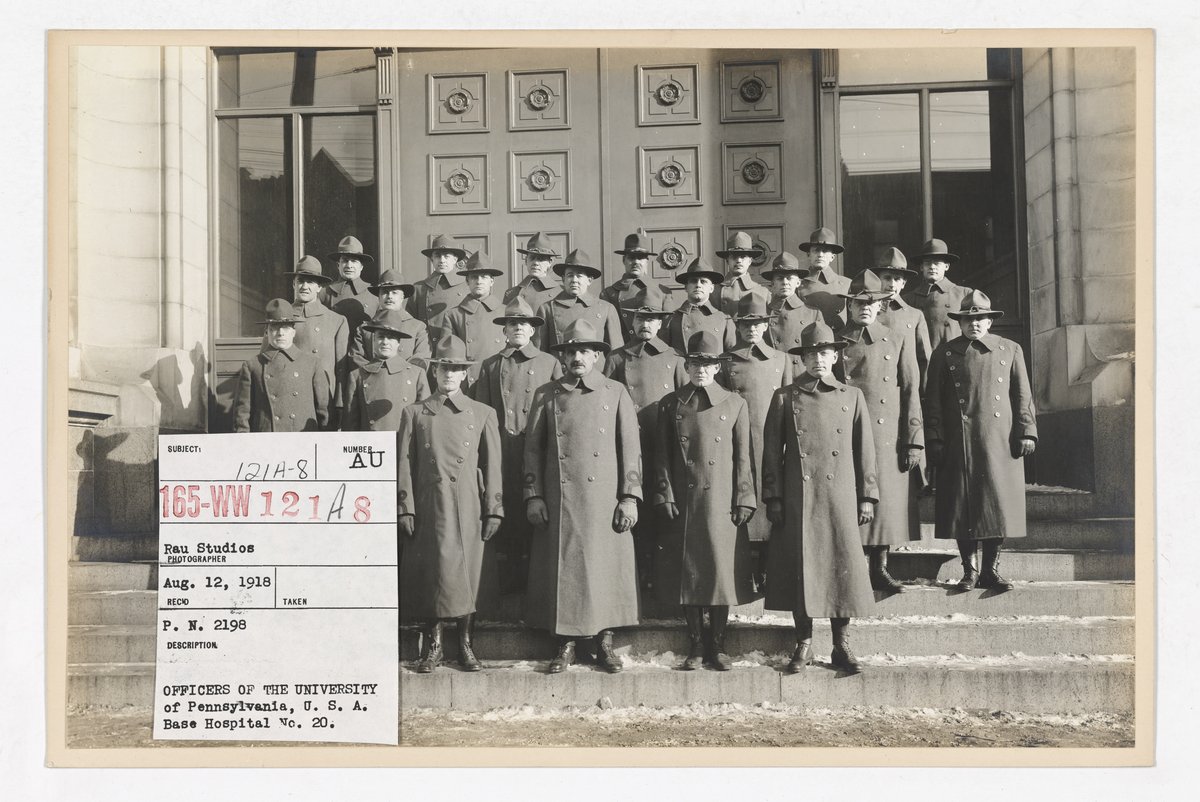
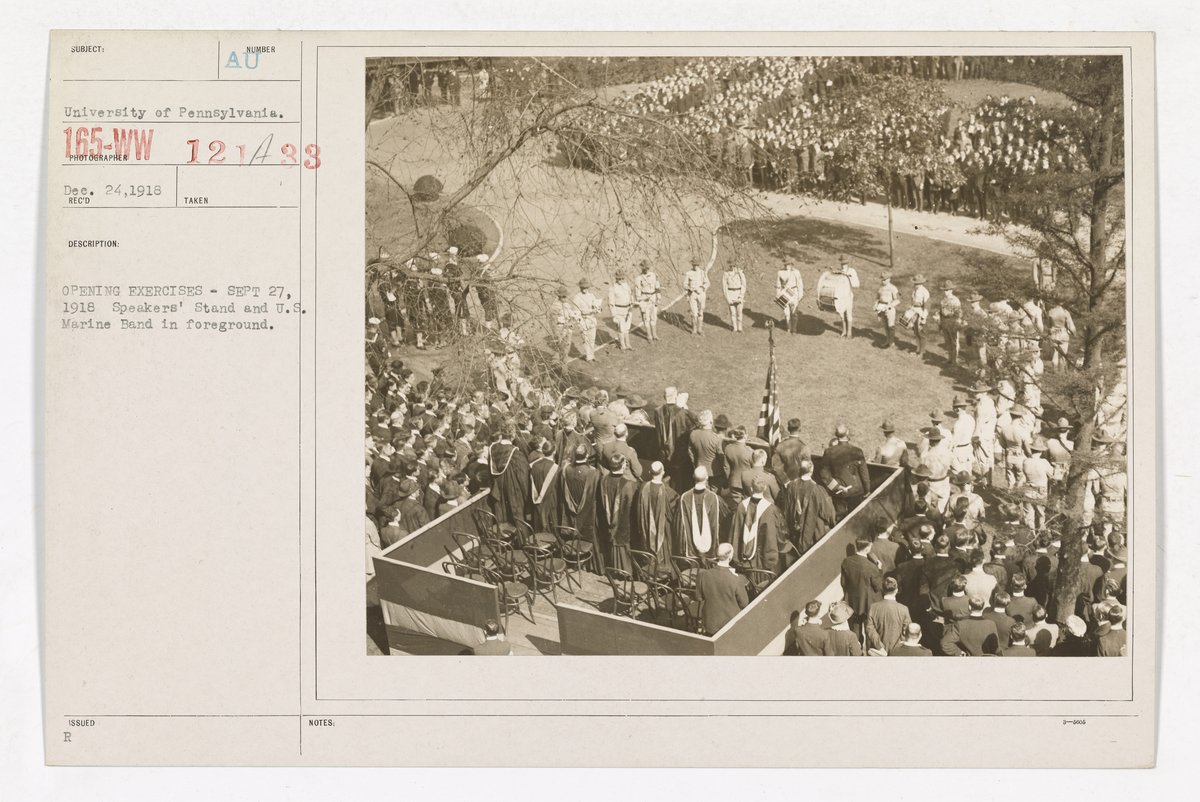
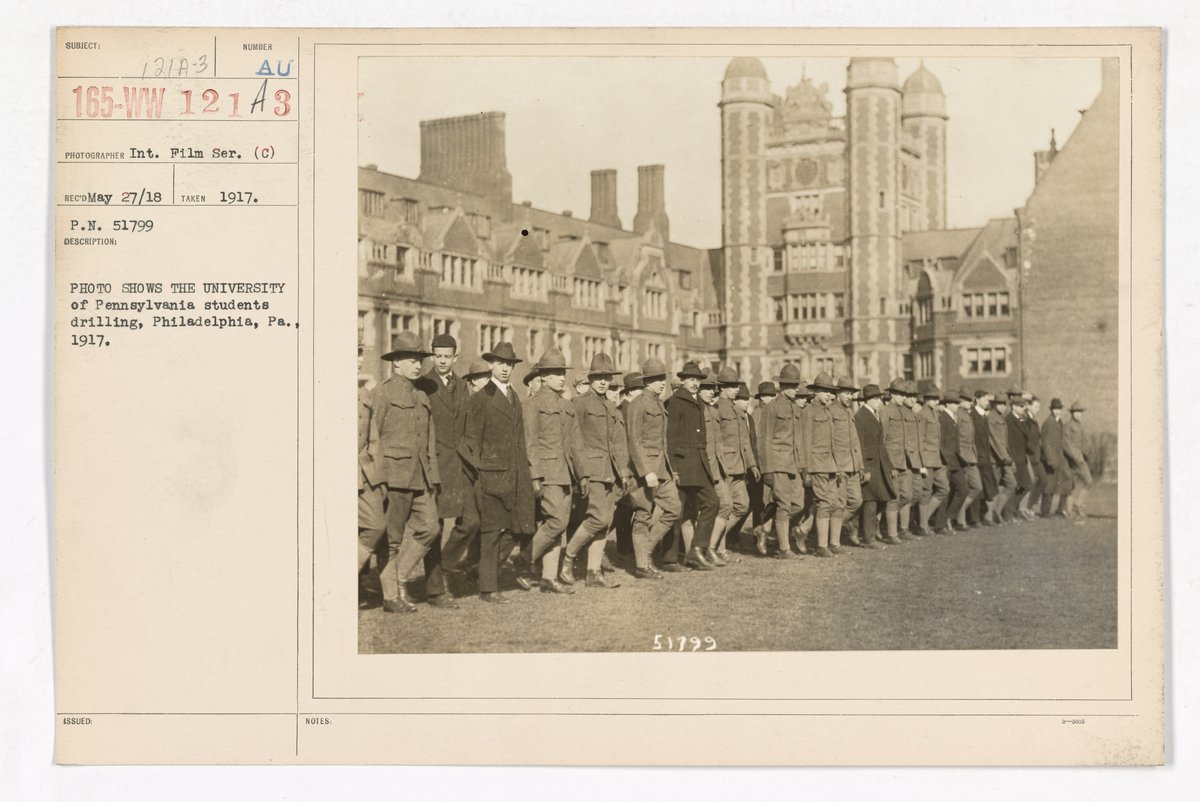
Colonial Foundations and Franklin’s Vision
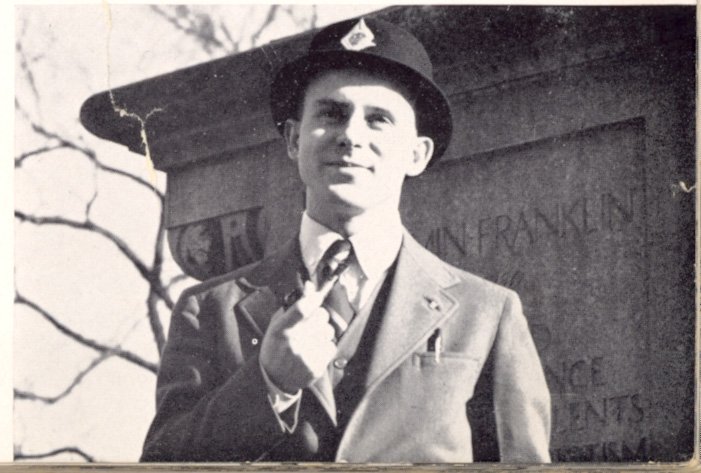
The University of Pennsylvania traces its roots to 1740, when Philadelphians sought to establish a charity school and house of worship. The project stalled until Benjamin Franklin, with his 1749 essay Proposals Relating to the Education of Youth, advocated for a school that combined practical and classical education. His vision led to the founding of the Academy and Charitable School in 1751. Franklin’s emphasis on preparing students for both intellectual and real-world professions distinguished Penn from its contemporaries (college.upenn.edu).
Evolution into a University
Penn’s curriculum was progressive for its era, incorporating sciences, mathematics, history, logic, and philosophy in addition to classical subjects. In 1765, Penn established the first medical school in North America. The introduction of law classes in 1850 and the founding of the Wharton School in 1881 (the first collegiate business school in the U.S.) highlighted Penn’s commitment to professional education (college.upenn.edu).
Revolutionary Era and Institutional Turmoil
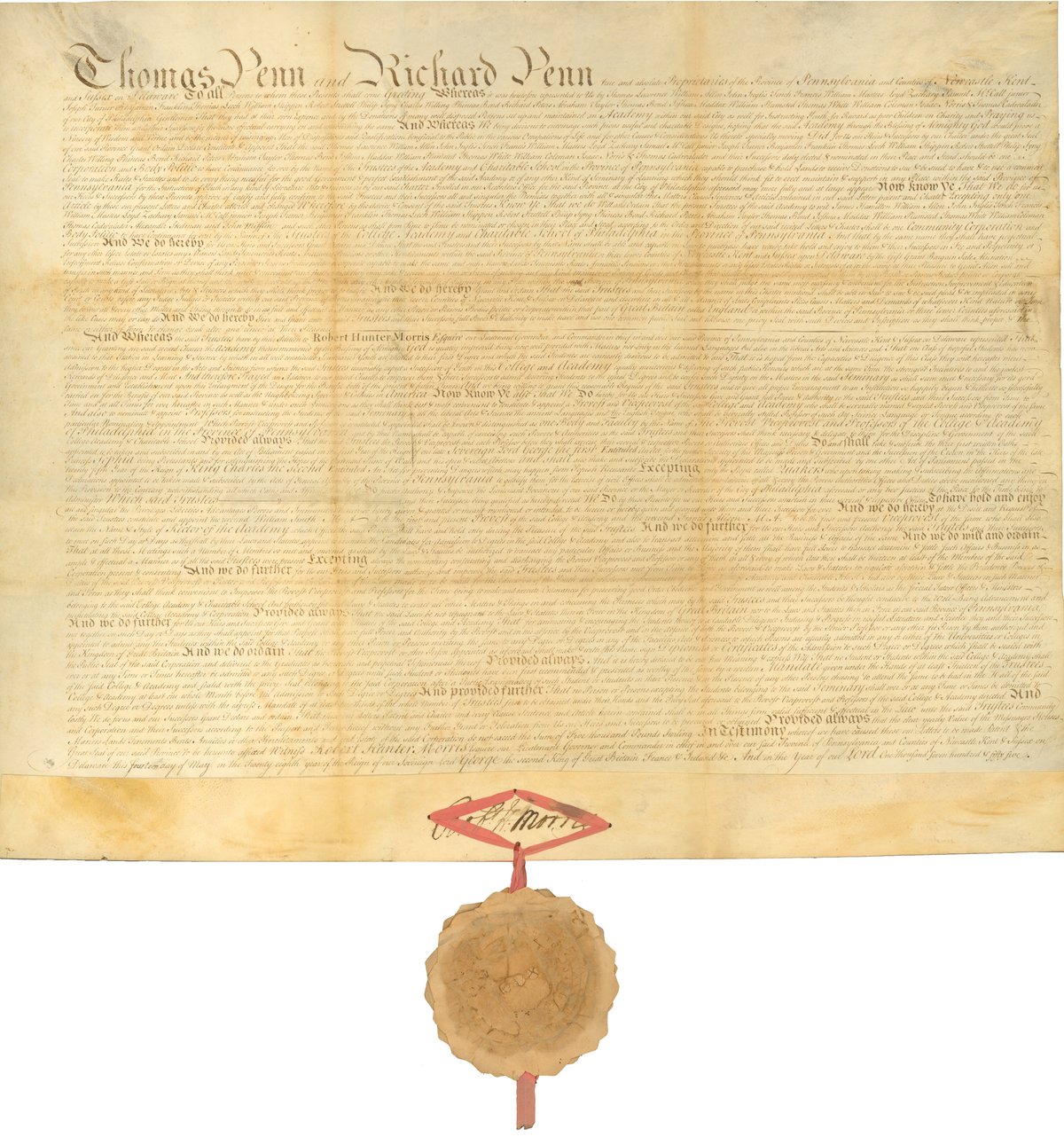
Penn alumni and trustees played significant roles in the American Revolution. Notably, 21 members of the Continental Congress and several signers of the Declaration of Independence and Constitution were affiliated with Penn. The Revolution also led to conflict over the university’s charter, resulting in two competing institutions for a decade before merging in 1791 to form the University of Pennsylvania—the first institution in the U.S. to be designated a university (college.upenn.edu).
Campus Relocations and Urban Development
Penn’s campus has moved several times: from Fourth and Arch Streets to Ninth and Chestnut, and finally, in 1872, to its current site in University City. This area now features both historic and modern buildings, reflecting Penn’s evolution alongside Philadelphia (upenn.edu).
Pioneering Coeducation and Diversity
In 1877, legal mandates required Penn to provide scholarships and instruction to women, leading to the admission of women in select programs by the late 19th century. The College of Liberal Arts for Women was established in 1933 and later merged with the College of Arts and Sciences in 1974. Today, Penn is recognized for its diverse community, drawing students from across the U.S. and over 100 countries (admissionsight.com).
Academic Innovation and National Significance
By integrating undergraduate and professional education, Penn pioneered the American university model. Its alumni include U.S. presidents, Nobel laureates, and leaders in numerous fields. Penn’s faculty and students have contributed to significant advances in medicine, law, business, and technology (taylorfrancis.com).
The Modern University and Its Legacy
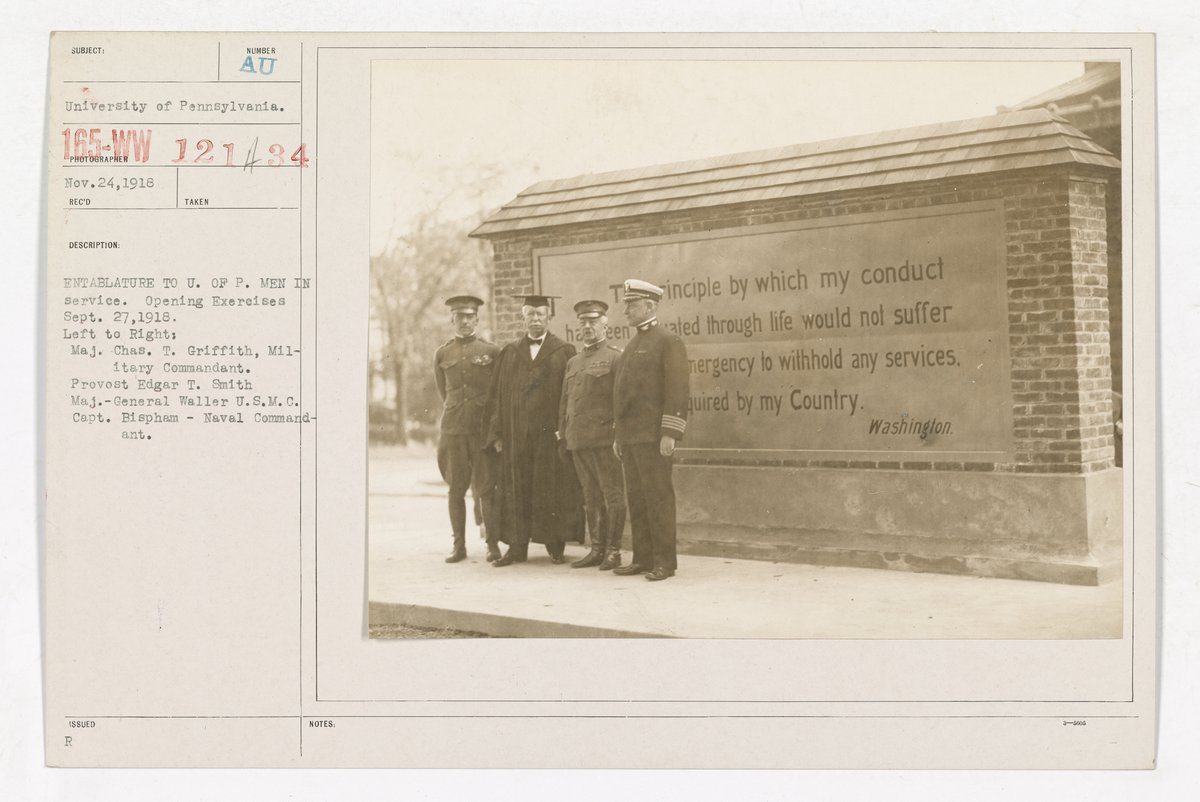
Today, Penn enrolls over 10,000 undergraduates and offers programs through four undergraduate and twelve graduate schools. The campus combines historic buildings like College Hall with cutting-edge research centers (upenn.edu). Penn’s enduring legacy includes its foundational role in American higher education and its continued impact on society.
Visitor Information: Planning Your Visit
Visiting Hours
- General Campus: Open daily from dawn to dusk.
- Admissions Visit Center: Monday–Friday, 9:00 AM–5:00 PM (limited weekend hours seasonally).
- Penn Museum: Tuesday–Sunday, 10:00 AM–5:00 PM; closed Mondays.
- Fisher Fine Arts Library: Monday–Friday, 9:00 AM–5:00 PM.
- Houston Hall: Open during university hours; check for seasonal changes.
Admission and Tickets
- Campus: Free to visit.
- Museums and Special Exhibits: Some, like the Penn Museum, require tickets (available online or at the entrance). Penn Museum Tickets
- Guided Tours: Typically require advance (free) registration, especially for prospective students (Penn Admissions).
Guided Tours
- Campus Tours: Offered on weekdays; advance registration required.
- Specialized Tours: Include historical and engineering tours. Penn Engineering Visit
- Virtual Tours: Available online for remote visitors (Penn Virtual Tour).
Accessibility
- Wheelchair Access: Most buildings are accessible via ramps and elevators.
- Entrances: 36th & Spruce Street recommended for wheelchair users.
- Assistance: Contact visitor services for additional needs.
Getting There and Nearby Attractions
- Public Transit: Served by 30th Street Station (Amtrak, regional rail), Market-Frankford subway, and SEPTA buses.
- Parking: Available in campus garages—public transit is recommended due to limited parking (Travel Information).
- Nearby Sites: Independence Hall, Liberty Bell, Philadelphia Museum of Art, Franklin Institute.
Travel Tips
- Wear comfortable shoes for walking.
- Check weather and dress appropriately.
- Bring a camera for photos.
- Consult Campus Construction Map for route updates.
Must-See Campus Sites
College Hall & Perelman Quadrangle
- College Hall: The oldest building on campus, built in 1873 with Victorian Gothic architecture.
- Perelman Quadrangle: Includes Houston Hall, the nation’s first student union.
Fisher Fine Arts Library
- Architectural gem by Frank Furness, with a renowned reading room.
The Button (Split Button Sculpture)
- Large, whimsical public art by Claes Oldenburg, a campus icon.
Van Pelt-Dietrich Library Center
- Main academic library with exhibitions and city views.
Penn Museum
- Houses over one million artifacts, including the Sphinx of Ramses II (Penn Museum Tickets).
Franklin Field
- Oldest operating football stadium in the U.S.; home to the Penn Relays.
The Palestra
- Historic basketball arena, open for events and select tours.
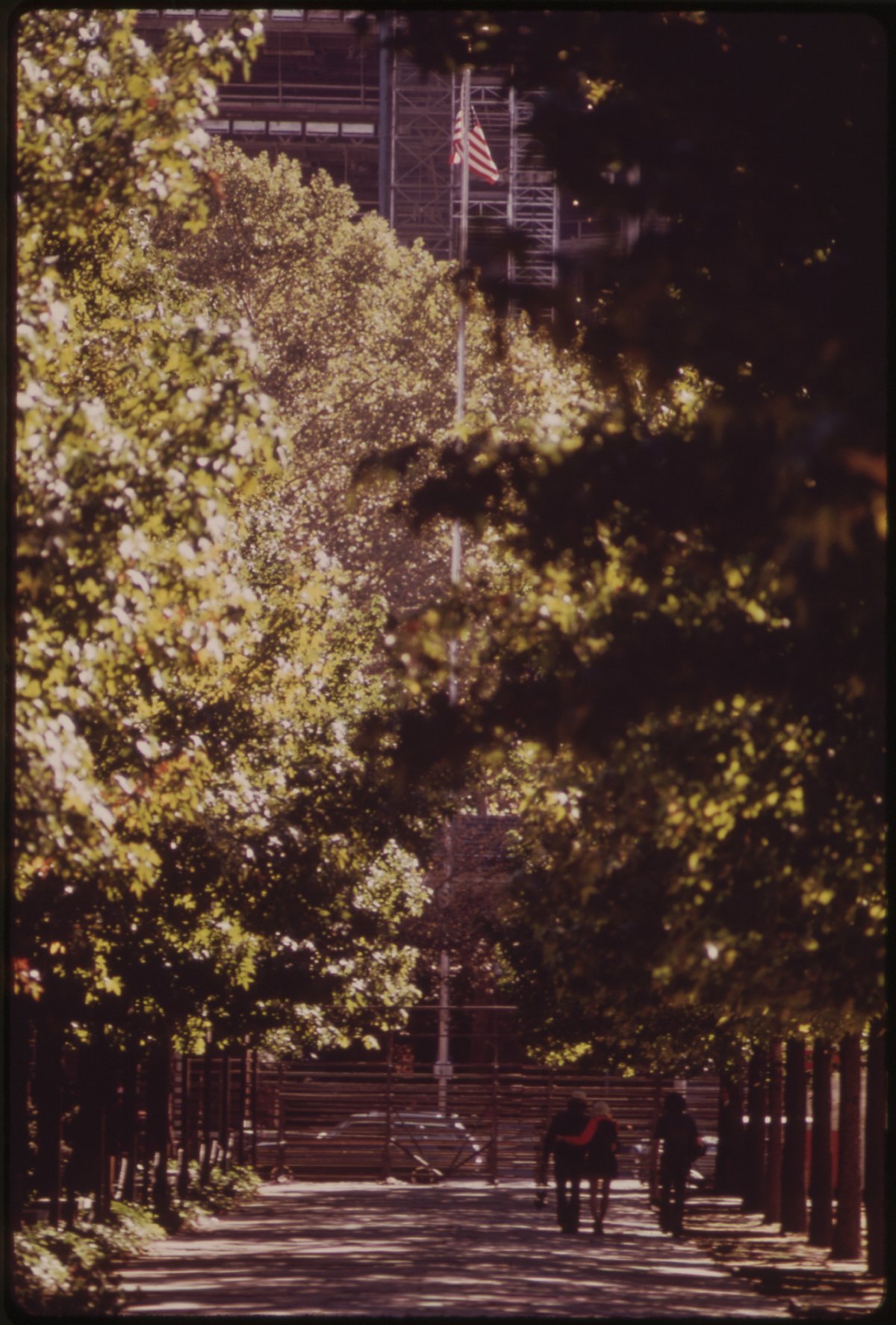
Locust Walk
- Central pedestrian thoroughfare lined with historic buildings.
Additional Sites
- Morris Arboretum: University’s official arboretum, located 15 minutes from campus.
- Fisher-Bennett Hall, Provost’s Tower, University Archives: Notable for their history and architecture.
Visitor Tips for Exploring Campus
- Register for tours in advance.
- Purchase museum tickets online to avoid wait times.
- Use GPSmyCity Walking Tours for self-guided exploration.
- Most outdoor and public indoor spaces permit photography; follow posted guidelines.
- Respect privacy in residential and restricted areas.
Ivy League Heritage and Academic Prestige
Penn’s Ivy League status reflects its tradition of excellence, rigorous academics, and leadership in interdisciplinary research. Its twelve schools, including the Wharton School, Perelman School of Medicine, and Penn Law, are consistently top-ranked (upenn.edu).
Research and Innovation
Penn is home to leading research centers and institutes advancing biotechnology, medicine, policy, and the arts. The Perelman School of Medicine is internationally recognized for breakthroughs in cancer and regenerative medicine.
Cultural and Economic Contributions
As one of Philadelphia’s largest employers, Penn has a significant economic impact and supports numerous startups. Its museums and galleries—Penn Museum, Institute of Contemporary Art, Morris Arboretum—are open to the public and foster cultural engagement.
Architectural and Campus Legacy
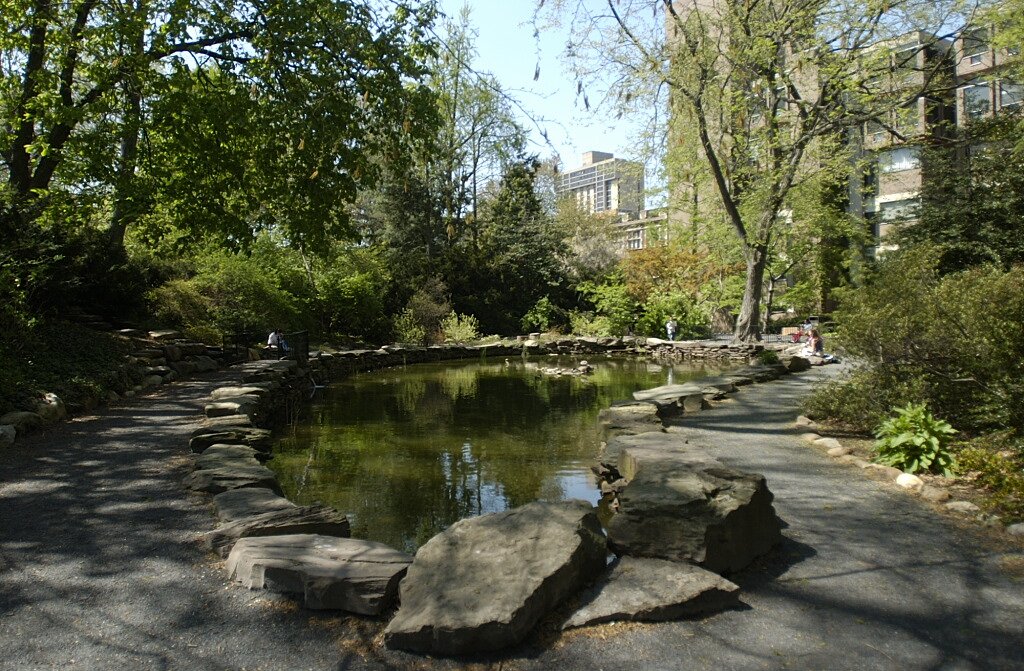
The campus’s blend of historic and modern structures—College Hall, Fisher Fine Arts Library, and more—creates an inspiring environment, enhanced by public art and green spaces.
Commitment to Diversity and Social Responsibility
Penn champions diversity and inclusion, with initiatives supporting equity, social justice, and community engagement throughout its history.
Alumni and Global Influence
Notable alumni include Elon Musk, Donald Trump, Warren Buffett, Andrea Mitchell, John Legend, and Elizabeth Banks. Six Nobel laureates are affiliated with Penn, and its graduates have shaped global business, science, culture, and politics.
Frequently Asked Questions (FAQs)
Q: What are campus visiting hours?
A: Generally, dawn to dusk. Specific buildings have set hours—check their websites.
Q: Is the campus free to visit?
A: Yes. Museums and special exhibitions may require tickets.
Q: Are tours available?
A: Yes, both in-person and virtual tours are offered; advance registration is recommended.
Q: Is the campus accessible?
A: Most buildings are wheelchair accessible; contact visitor services for accommodations.
Q: Are there nearby attractions?
A: Yes—Independence Hall, Liberty Bell, Philadelphia Museum of Art, and more.
Visuals and Media Recommendations
- Explore high-quality photos of College Hall, Fisher Fine Arts Library, and Locust Walk.
- Use virtual tours and campus maps from the official website.
Discover More
Ready to explore Penn? Download the Audiala app for interactive maps, audio tours, and real-time updates. Stay connected via social media and check the official university website for the latest information on tours, events, and visitor resources. Start your University of Pennsylvania adventure today!
Listen to the full story in the app
The whole University Of Pennsylvania,
told well.
Audio guides for 1,100+ cities across 96 countries. History, stories, and local insight — offline ready.
Verified, and shown.
Researched and written by the Audiala editorial team from historical records, architectural archives, and local expertise.
Researched from Wikidata, Wikipedia & official sources · fact-checked · How we make our guides →