Early Origins and Colonial Foundations
Located just west of central Philadelphia, The Woodlands began in 1734 with Andrew Hamilton’s acquisition of land along the Schuylkill River. Hamilton, famed for defending John Peter Zenger and shaping early American law, established the estate as a scenic country retreat. Upon his passing, the land transferred to his son and then his grandson, William Hamilton, who inherited the property at age two. By adulthood, William had expanded the estate to 350 acres and set the stage for its transformation into a premier example of neoclassical architecture and landscape design (History of Early American Landscape Design).
William Hamilton’s Vision: Architecture and Landscape Innovation
The Hamilton Mansion
William Hamilton, a visionary in architecture and botany, expanded The Woodlands to nearly 550 acres by 1779 and initiated bold enhancements. The centerpiece became the neoclassical mansion, built between 1786 and 1794. Drawing from the work of British architects like Robert Adam, the mansion features a symmetrical façade, grand portico with Ionic columns, and refined interior details such as marble fireplaces and intricate plasterwork. The design seamlessly integrates with the surrounding gardens, creating harmony between structure and landscape (Philadelphia Beautiful; Woodlands History; SAH Archipedia).
Botanical Collections and Gardens
Hamilton’s passion for botany led him to curate one of North America’s largest collections of native and exotic plants. He corresponded with botanists worldwide and established greenhouses, nurseries, and an English pleasure garden that reflected the picturesque ideals of the period. The gardens featured winding paths, ha-has (sunken fences), and carefully composed vistas, making The Woodlands a center for horticultural experimentation and exchange (History of Early American Landscape Design; Penn Museum).
The Woodlands as a Social and Scientific Hub
In the late 18th and early 19th centuries, The Woodlands became a gathering place for Philadelphia’s intellectual and social elite. William Hamilton hosted politicians, scientists, and artists, furthering the estate’s reputation as a center for both cultural refinement and scientific inquiry. Notable figures such as George Hilton, John Lyon, and Frederick Pursh contributed to its botanical collections, enhancing its status in American horticultural history (History of Early American Landscape Design).
Transition to Cemetery and Preservation
Rural Cemetery Movement
After William Hamilton's death in 1813, the estate changed hands several times. By the 1840s, urban expansion threatened the property. In 1843, trustees established the Woodlands Cemetery Company, transforming 75 acres into a rural cemetery—aligning with a movement to create contemplative, park-like burial grounds. Surveyor Philip M. Price’s plan combined geometric and naturalistic elements, with winding roads, alleys, and curated plantings. The cemetery's design influenced the development of other rural cemeteries across the nation (History of Early American Landscape Design).
Preservation Efforts
The Woodlands Cemetery Company preserved the Hamilton Mansion, which served as its office, and maintained public access to the gardens. In the mid-19th century, horticulturist Henry Augustus Dreer operated a nursery on the grounds, ensuring continued botanical activity. Today, preservation remains central, with ongoing restoration and stewardship by the Woodlands Trust for Historic Preservation and the Cemetery Company (History of Early American Landscape Design; Woodlands About).
Visiting The Woodlands: Hours, Tickets, and Directions
- Visiting Hours Open daily from dawn to dusk (typically 8:00 AM–6:00 PM; gates close at sunset).
- Admission Entry is free; donations are appreciated to support preservation.
- Guided Tours Available by appointment (April–October) and during special events. Advance tickets required for guided tours, purchasable online or at the visitor center (Plan your visit).
- Location 4000 Woodland Avenue, Philadelphia, PA 19104, across from the 40th Street Trolley Portal.
- Accessibility The site features paved roads, curb ramps, and an ADA restroom (available during staffed hours/events). Some unpaved paths may present challenges. An Event Space Accessibility Map is available online.
- Getting There Accessible via SEPTA trolleys, bus routes, and the Market-Frankford Line (40th Street Station). Free parking is available on-site.
Guided Tours and Special Events
The Woodlands offers seasonal guided tours and hosts a variety of events:
- Spring and fall garden walks
- Historical lectures and workshops
- Photography workshops
- Memorial Day ceremonies
- Community markets and outdoor concerts
Refer to The Woodlands events calendar or their social media for up-to-date event listings and ticket information.
Key Features and Attractions
- The Hamilton Mansion A neoclassical architectural landmark—exterior viewing only.
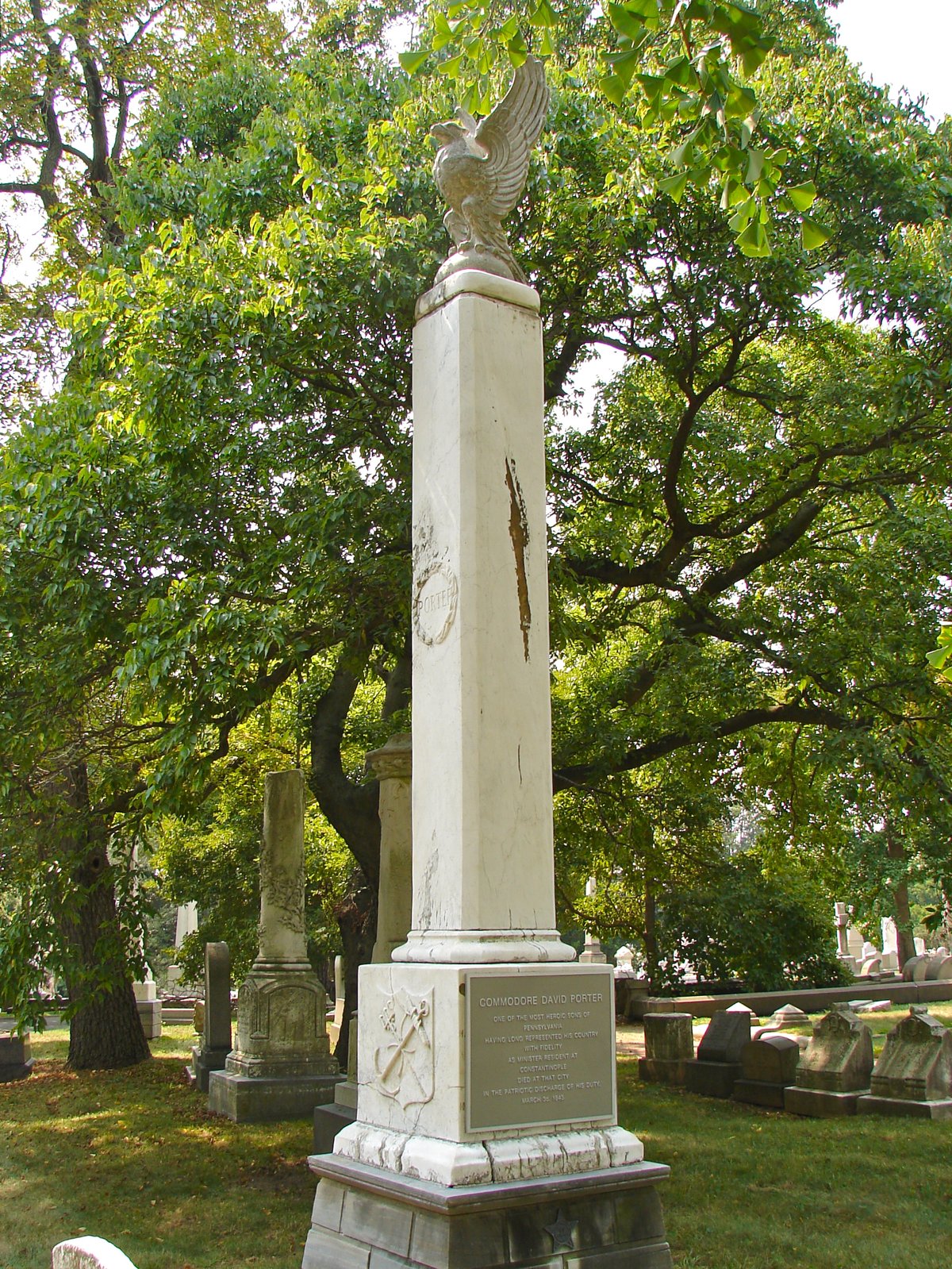
- Victorian Cemetery and Notable Graves Over 30,000 burials, including Thomas Eakins, Anthony J. Drexel, and Mary Grew. Features elaborate Victorian monuments and the nation’s tallest obelisk gravestone (Wikipedia).
- Botanical Collections and Arboretum Over 1,000 trees, mature plantings, and a modern orchard.
- Carriage House, Stable, and Outbuildings Historic structures supporting the estate’s original functions.
- Classical Gate and Entrances Monumental gates designed by Paul P. Cret.
- Paths, Vistas, and River Views Meandering paths, picturesque vistas, and views of the Schuylkill River.
- Sculpture Garden Victorian and modern funerary art.
Community Engagement and Preservation
The Woodlands is a vital green space for West Philadelphia, supporting recreation, education, and community gardening. Volunteer programs like the Grave Gardens foster ecological diversity and community stewardship. Ongoing restoration projects ensure the preservation of historic structures and landscapes (Woodlands About).
Rules, Etiquette, and Visitor Experience
To protect the dignity and historic integrity of the site:
- Respect all monuments, graves, and plantings; do not climb or touch headstones.
- Dogs are welcome on leashes; owners must clean up after pets.
- Biking is permitted on paved roads; running on the perimeter path.
- Group events (over 10 people) require permits.
- Photography is allowed for personal use; commercial uses require permission.
Frequently Asked Questions (FAQs)
Q: What are the visiting hours?
A: Daily from dawn to dusk; gates close at sunset.
Q: Is there an admission fee?
A: No, general admission is free; donations support preservation.
Q: Are guided tours available?
A: Yes, by appointment April–October and during special events; tickets required.
Q: Is The Woodlands accessible?
A: Most paths are accessible; ADA restroom available during events.
Q: Are pets allowed?
A: Yes, leashed dogs are welcome.
The Woodlands Today
Recognized as a National Historic Landmark, The Woodlands maintains its dual legacy as a historic site and vibrant community space. The preserved mansion, arboretum, and Victorian cemetery invite exploration, reflection, and participation in ongoing cultural programming (Philadelphia Beautiful; Woodlands About).
Key Dates and Historical Figures
- 1734 Andrew Hamilton acquires the estate.
- 1745 William Hamilton inherits the property.
- 1779 Major landscape improvements.
- 1813 William Hamilton’s death.
- 1843 Establishment of The Woodlands Cemetery.
- Present Ongoing preservation and public engagement (History of Early American Landscape Design).
Notable burials include members of the Drexel family and other prominent Philadelphians who helped shape the city’s history (Drexel Historic Districts: Then and Now).
Plan Your Visit
Enhance your experience by downloading the Audiala app for immersive audio tours and interactive maps. Visit the official Woodlands website for digital resources, event updates, and further visitor information. Explore related Philadelphia historical sites, such as Fairmount Park and Laurel Hill Cemetery, for a deeper understanding of the city’s heritage.