Plan and listen to Temple University with Audiala.
Audio guide in your pocket, itinerary in your browser. Built for the way you actually visit.
Introduction
Nestled in North Philadelphia, Temple University stands as a vibrant center of academic excellence, architectural beauty, and deep community engagement. Founded in 1884 by Russell Conwell with the vision of making higher education accessible to working-class adults, Temple has grown into a renowned urban research institution celebrated for its diversity, inclusivity, and cultural impact (Temple University Visitor Guide). Whether you are a prospective student, history enthusiast, or a traveler keen on exploring Philadelphia’s landmarks, this guide details everything you need to know about visiting Temple University, including hours, tours, tickets, nearby attractions, and practical tips.



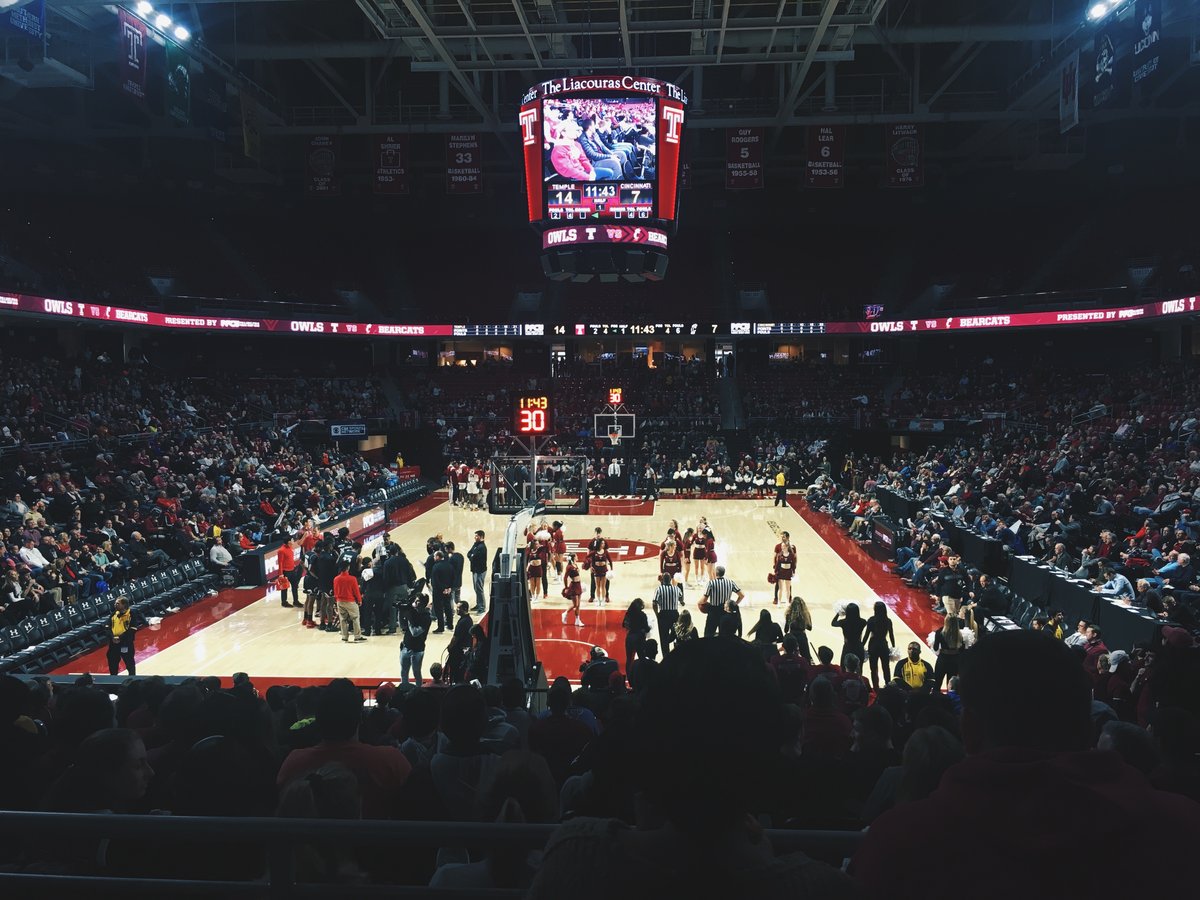


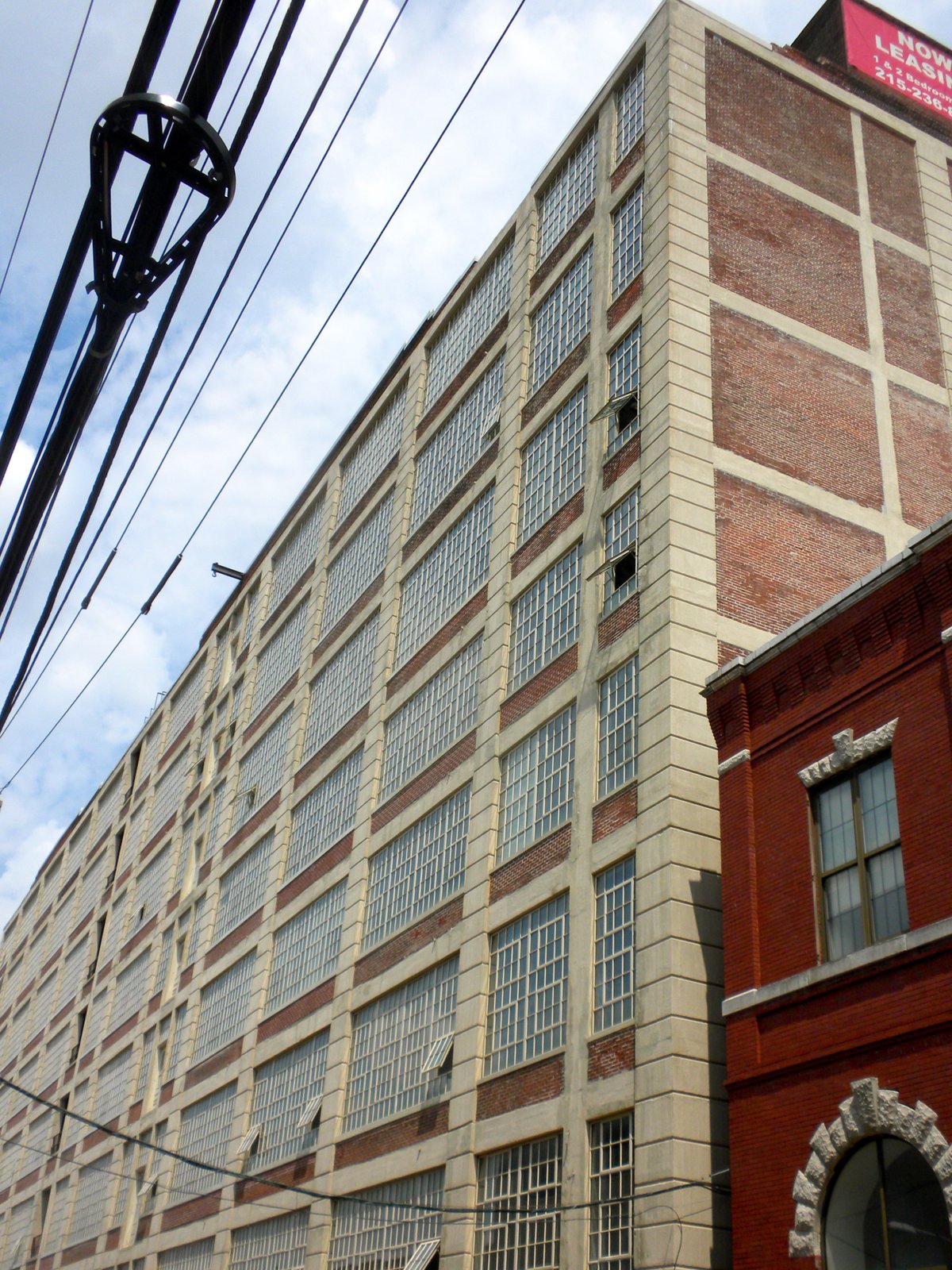
Founding and Early Years (1884–1907)
Temple University was established in 1884 by Russell Conwell, who sought to provide accessible education to Philadelphia’s working adults. Originally known as the “Temple College of Philadelphia,” the school was chartered in 1888 and began granting degrees in 1891, inspired by Conwell’s congregation at the historic Baptist Temple. By 1907, the institution evolved into Temple University (Temple University Visitor Guide).
Growth and Expansion (1907–1960s)
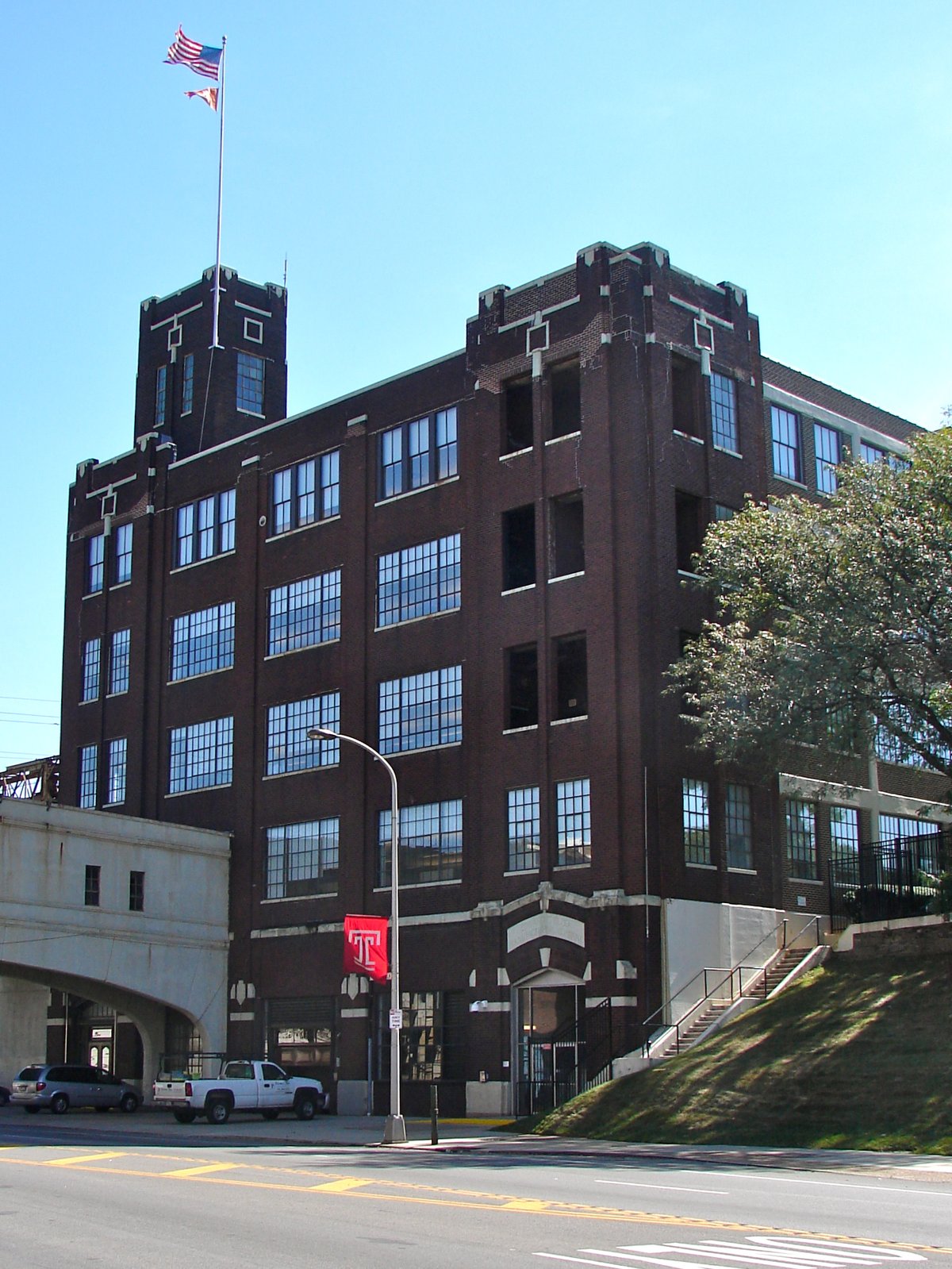
Temple expanded rapidly in the early 20th century, launching professional schools in law, medicine, pharmacy, and dentistry. The campus grew with the addition of iconic buildings, some now part of Philadelphia’s historic landscape. The Tyler School of Art, founded in 1935, further diversified the university’s academic offerings.
Modernization and Global Reach (1960s–Present)
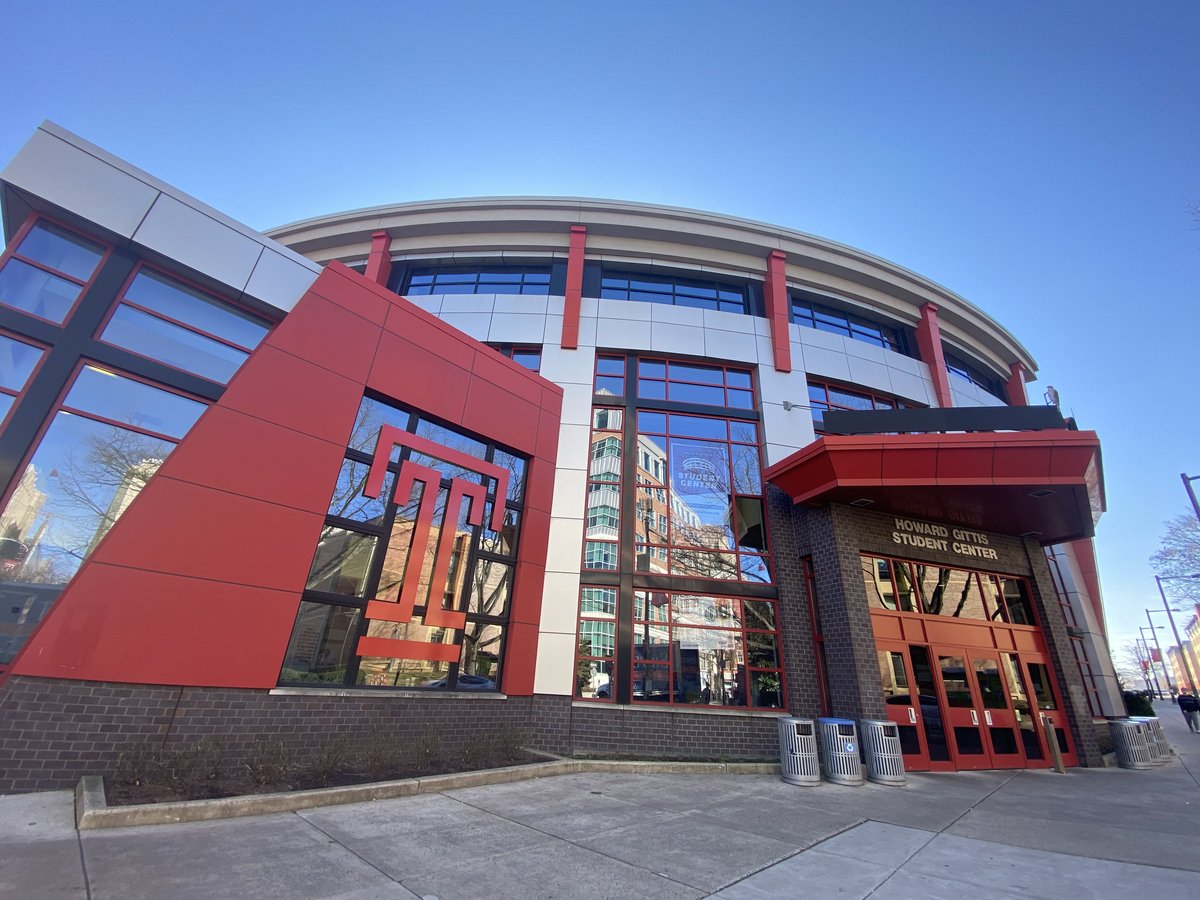
Temple’s academic divisions now include music, engineering, architecture, and hospitality, reflecting Philadelphia’s cultural vibrancy. The campus features an eclectic mix of Gothic Revival and modern architecture, exemplified by the Charles Library. Temple’s global footprint includes campuses in Rome and Japan, and the university achieved R1 Carnegie Classification in 2015, underscoring its research prominence.
Community Engagement and Urban Impact
Temple has a historic commitment to the North Philadelphia community, investing in healthcare, public service, and education initiatives that benefit the region. Its programs foster economic development, workforce training, and health equity (Temple Community Affairs).
Visiting Temple University: Practical Information
Hours and Entry
- Main Campus Open Hours: Daily, from 7:00 AM to 10:00 PM.
Access to individual buildings may vary; check specific facility hours online. - Admission: No general fee for campus access. Ticketed events require advance purchase (Temple Visiting Hours and Tours).
Tours and Special Events
- Guided Tours: Available by appointment through the Visitor Center and Admissions.
- Standard campus tours: Monday–Friday, at 10:30 AM and 2:30 PM (registration required).
- Virtual tours are also available.
- Open Houses: Held on select weekends; registration required.
- Special Events: Check the Events Calendar for up-to-date information.
Accessibility and Transportation
- Public Transit: Served by SEPTA’s Broad Street Line (Cecil B. Moore and Temple University stations), multiple bus routes, and regional rail.
- Parking: Paid visitor parking is available in university lots and garages. Parking maps and fees are online (Temple Visiting).
- Accessibility: All facilities and tours are ADA-compliant. Specific needs can be accommodated upon request.
Photo Opportunities and Must-See Spots
- Baptist Temple: A Gothic Revival architectural gem and Temple icon.
- Charles Library: Modern design and collaborative spaces.
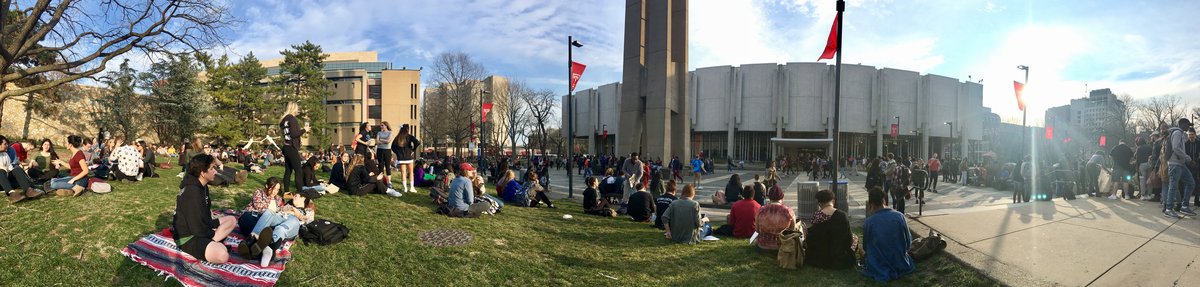
- Bell Tower: Central campus landmark and popular gathering spot.
- Liacouras Walk: Bustling pedestrian thoroughfare with eateries and shops.
- Campus Green Spaces: Especially picturesque in spring and fall.
- Tyler School of Art & Architecture: Home to exhibitions and creative events.
Community, Culture, and Impact
Temple University drives educational access, economic growth, and cultural enrichment in Philadelphia:
- Academic Excellence: Over 500 programs, 17 schools, and 40,000+ students.
- Diversity & Inclusion: Recognized by the HEED Award for advancing equity (Temple Community Impact).
- Community Initiatives: The B4USoar program, Pan-African Studies Community Education Program, and extensive workforce development efforts.
- Cultural Life: Hosts exhibitions, performances, and public programming at venues like the Temple Performing Arts Center and Tyler School of Art (Tyler School of Art and Architecture).
Visitor Amenities and Services
- Dining: A mix of campus eateries, food trucks, and nearby local restaurants (some are cash-only; carry cash for convenience) (Tripalink, Lonely Planet).
- Safety: Temple has a dedicated campus police force, safety escorts, and emergency call boxes.
- Maps & Navigation: Access interactive campus maps and download virtual tours ahead of your visit.
Nearby Attractions and Philadelphia Historical Sites
Temple’s location offers easy access to Philadelphia’s top sites:
- Liberty Bell and Independence Hall: Key American heritage landmarks (National Park Service Liberty Bell).
- Philadelphia Museum of Art: Famous for the “Rocky Steps.”
- Philadelphia Zoo: Historic and family-friendly.
- Elfreth’s Alley: The nation’s oldest residential street.
- Academy of Natural Sciences, Edgar Allan Poe National Historic Site, Adventure Aquarium, and more (Tripalink).
Annual Events and Traditions
- Commencement: Celebrating graduates and Temple pride (Temple History & Traditions).
- Temple Made Days: Annual campus-wide celebration.
- Ambler Arboretum Events: Open houses, volunteer days, and family programs (Ambler Campus, Events Calendar).
Visitor Tips
- Register early for tours and special events, especially during peak seasons (Campus Tours).
- Dress for the weather; tours are held rain or shine.
- Carry cash for food trucks and some local eateries (Lonely Planet).
- Use public transit for convenience and to avoid parking hassles.
- Stay aware and use campus safety resources when exploring after dark.
- Download the Audiala app for curated tours and up-to-date information (Audiala app).
Frequently Asked Questions (FAQ)
Q: What are Temple University’s visiting hours?
A: Main campus is open 7:00 AM–10:00 PM daily; individual building hours vary.
Q: Is there an admission fee?
A: No, campus access is free. Ticketed events may require advance purchase.
Q: Are tours available?
A: Yes, guided tours and virtual tours are offered; registration required (Campus Tours).
Q: Is the campus accessible?
A: Yes, all facilities and tours are ADA-compliant.
Q: How do I get there by public transit?
A: Use the Broad Street Line’s Cecil B. Moore or Temple University stations, or SEPTA bus routes.
Q: Where do I park?
A: Paid parking is available in university lots and garages.
Discover More
Temple University is a dynamic educational and cultural landmark, offering visitors a comprehensive experience that blends history, architecture, community engagement, and vibrant campus life. Its central location provides easy access to Philadelphia’s most famous historical sites, making it the perfect starting point for a deeper exploration of the city.
Recommendations:
- Register for tours and events in advance.
- Explore campus highlights and nearby attractions.
- Utilize public transportation and campus amenities for a smooth visit.
- Stay updated via Temple’s official communications and download the Audiala app for curated tours and updates.
Plan your visit today and experience the multifaceted charm of Temple University and Philadelphia’s heritage (Temple Events Calendar, Audiala app).
Listen to the full story in the app
The whole Temple University,
told well.
Audio guides for 1,100+ cities across 96 countries. History, stories, and local insight — offline ready.
Verified, and shown.
Researched and written by the Audiala editorial team from historical records, architectural archives, and local expertise.
Researched from Wikidata, Wikipedia & official sources · fact-checked · How we make our guides →