Plan and listen to Tacony Creek Park with Audiala.
Audio guide in your pocket, itinerary in your browser. Built for the way you actually visit.
Introduction
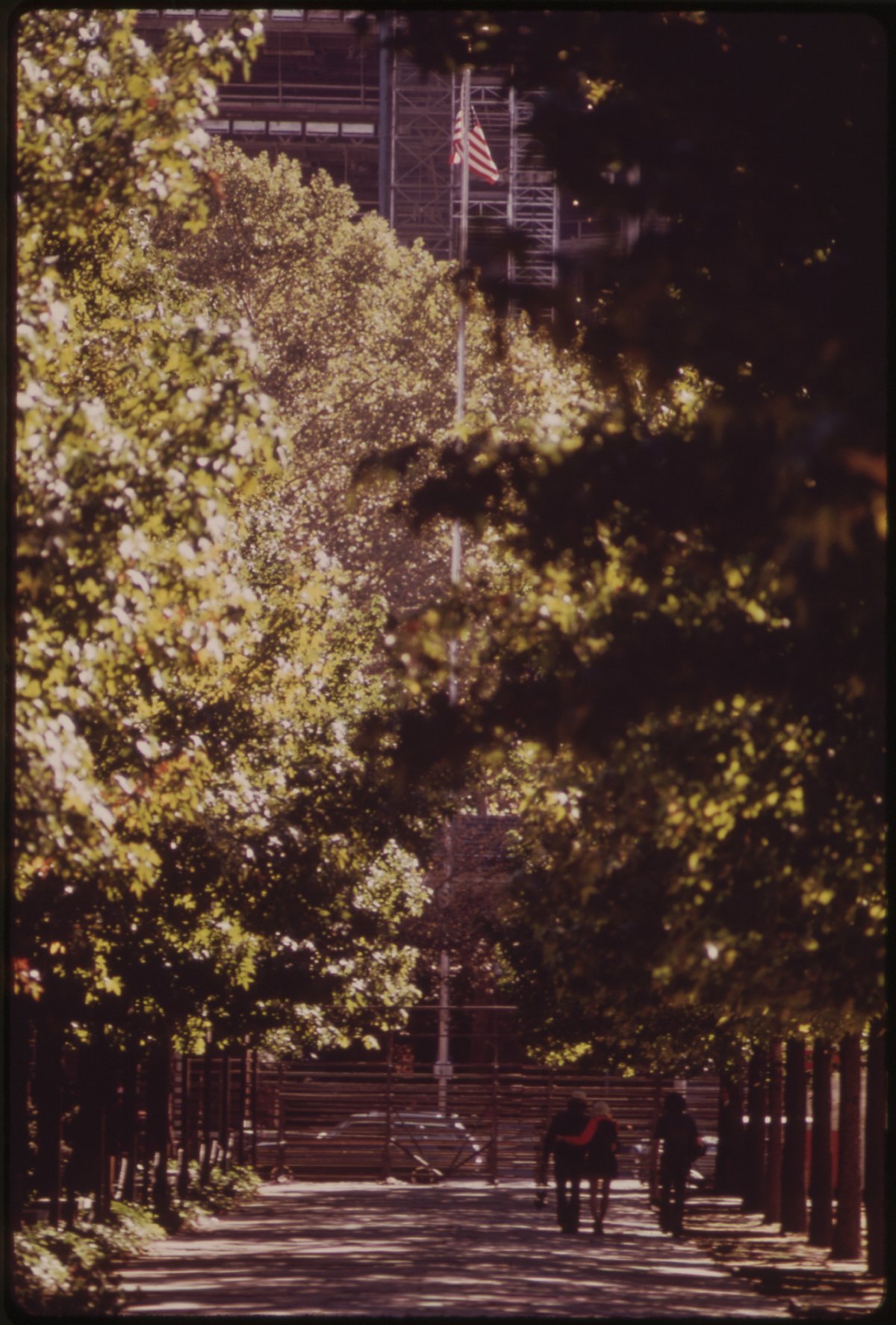
Tacony Creek Park is a vital green oasis in Northeast Philadelphia, seamlessly blending rich history, ecological significance, and vibrant community engagement. Spanning over 300 acres, the park traces its roots from Lenni Lenape hunting grounds through early colonial industry to its current role as a hub for recreation, restoration, and cultural activities. As part of the Tookany/Tacony-Frankford (TTF) Watershed, the park plays a critical role in stormwater management, biodiversity, and urban ecosystem health. Its accessible trails, diverse programming, and welcoming atmosphere make it a cornerstone of Philadelphia’s commitment to preserving both natural and cultural landscapes (CNC Philly; TTF Watershed; Tacony Creek Park Keepers; William Penn Foundation).
Indigenous and Early Colonial Roots
Lenni Lenape Heritage
The Tacony Creek corridor was originally inhabited by the Lenni Lenape people, who used the creek and its woodlands for hunting and sustenance. The name “Tacony” is derived from Lenape words meaning “heavily wooded stream” or “uninhabited place,” reflecting its natural abundance prior to European settlement (CNC Philly).
Early European Settlement and Industry
Dutch, Finnish, and later English settlers arrived in the 17th century, quickly harnessing the creek’s flow to power grist and sawmills such as Buzby’s Grist Mill and Rowland’s Saw Mill (TTF Watershed). By the mid-1700s, Tacony Creek had become lined with mills and agricultural plots, initiating the area's transformation from wilderness to an early industrial corridor.
Industrialization and Urban Transformation
19th Century Changes
The 19th century brought rapid industrial expansion to the Tacony Creek area. Original water-powered mills were replaced or supplemented by coal and steam-powered industry. The creek’s importance shifted from a rural resource to an urban utility as Philadelphia’s population and manufacturing base grew (CNC Philly).
Neighborhood Development
Tacony Creek became part of a network of waterways supporting new residential neighborhoods like Olney and Frankford. Worker housing and infrastructure emerged, much of which defines the character of these neighborhoods today (TTF Watershed).
Public Health, Environmental Change, and Park Creation
Urbanization and Sewer Systems
Public health crises in the late 19th and early 20th centuries, including outbreaks of waterborne disease, led Philadelphia to enclose many streams in sewer systems. While some tributaries were altered, much of Tacony Creek remained in an open channel despite increasing urbanization (CNC Philly; Philly Landforms).
Formation of Tacony Creek Park
In 1915, the Fairmount Park Commission began acquiring land along the creek to preserve green space, protect the watershed, and offer recreation. These acquisitions formally established Tacony Creek Park, integrating it into Philadelphia’s extensive park system (TTF Watershed).
Mid-20th Century Developments and Urban Challenges
Flood Control and Recreation
The creek was channelized in the 1950s and 1960s for flood control and pollution management (TTF Watershed). This era also saw expansion of recreational amenities such as playgrounds, basketball courts, and the Tacony Creek Trail (Snoflo).
Archival Records and Planning
Documents from the Fairmount Park Historic Resource Archives detail planning and landscape design efforts from 1903 to 1983 (UPenn Archives), reflecting ongoing attempts to balance urban growth and environmental stewardship.
Environmental and Cultural Revitalization
Restoration Efforts
In recent decades, organizations like the Tookany/Tacony-Frankford Watershed Partnership (TTF) and Tacony Creek Park Keepers have led restoration and environmental stewardship programs. Projects include streambank stabilization, invasive species removal, native plantings, and educational initiatives (CNC Philly; TCP Keepers).
Biodiversity and Wildlife
The park supports over 100 bird species and diverse native flora, with meadows and woodlands providing critical habitat (TTF Watershed; Garfield Refining). Restoration efforts continue to enhance the park’s ecological resilience.
Community and Cultural Engagement
Tacony Creek Park has become a focal point for community events, public art, and cultural heritage projects. Bilingual signage and multilingual resources ensure accessibility and inclusivity for Philadelphia’s diverse communities (CNC Philly).
Notable Landmarks and Ongoing Transformation
Historic Features
Highlights include the Fisher’s Lane Covered Bridge and the historic Friends Hospital campus, the latter being the oldest privately operated psychiatric hospital in the U.S. (TTF Watershed; Snoflo).
Master Site Development Plan
A comprehensive Master Site Development Plan, shaped by community input and supported by organizations like Natural Lands, outlines improvements for infrastructure, safety, programming, and ecological restoration (TCP Keepers Master Plan).
Visitor Information
Visiting Hours and Admission
- Hours: Open daily from dawn to dusk.
- Admission: Free; no tickets required.
Accessibility
The park features accessible trails and bilingual signage, making it welcoming to all ages and abilities.
Getting There and Parking
Accessible via car and SEPTA bus routes, with parking available at several trailheads.
Trails and Recreational Facilities
- 3.2-mile paved multi-use trail (part of the Circuit Trails network) for walking, running, and cycling.
- Playgrounds, basketball courts, picnic areas, and the historic Juniata Golf Course (Tacony Creek Park Keepers).
Amenities
Restrooms and water fountains are limited; plan accordingly. The park is dog-friendly but requires leashing and cleanup.
Community Engagement and Stewardship
Tacony Creek Park flourishes through robust community participation. Regular stewardship events like "Creek Care Day," tree plantings, and cleanups are organized by local groups (TTF Watershed Partnership; City of Philadelphia). Educational activities, bilingual tours, and art events foster neighborhood pride and environmental awareness (Green Philly).
Multilingual resources are available in seven languages, enhancing access for the region’s diverse population (Tacony Creek Park Keepers).
Recreational Activities and Events
- Birdwatching & Wildlife Observation: Over 100 bird species; community-led walks (TTF Watershed Events).
- Community Events: Block parties, art festivals, and music events (William Penn Foundation).
- Volunteer Programs: Ongoing cleanups, native plantings, and habitat restoration (Northeast Times; Tacony Creek Park Keepers).
- Recreational Activities: Walks, runs, group bike rides, and fishing tutorials (TTF Watershed Events).
Frequently Asked Questions (FAQ)
Q: What are the visiting hours for Tacony Creek Park?
A: The park is open daily from dawn to dusk.
Q: Is there an admission fee or tickets required?
A: No, the park is free and no tickets are needed.
Q: How do I get there by public transit?
A: SEPTA buses serve multiple park gateways; check local schedules for routes.
Q: Are dogs allowed?
A: Yes, but they must be leashed and owners must clean up after them.
Q: Is the trail accessible for strollers and wheelchairs?
A: Yes, the main paved trail is accessible for strollers, wheelchairs, and bikes.
Q: Are guided tours available?
A: Guided walks and educational events are offered periodically; check the TTF Watershed events calendar.
Q: Can I volunteer?
A: Yes, regular volunteer events are scheduled for stewardship and cleanups.
Summary of Tacony Creek Park Visit Tips and Key Information
Tacony Creek Park exemplifies the power of urban green spaces to foster environmental stewardship, community engagement, and recreation. Its rich history, diverse wildlife, and community-driven revitalization efforts make it a model for urban park preservation. Continuous restoration, multilingual access, and inclusive programming ensure the park remains vibrant, welcoming, and sustainable for generations to come. Visitors are encouraged to explore its trails, join community events, and contribute to its ongoing stewardship (TTF Watershed; Tacony Creek Park Keepers; CNC Philly).
Listen to the full story in the app
The whole Tacony Creek Park,
told well.
Audio guides for 1,100+ cities across 96 countries. History, stories, and local insight — offline ready.

Verified, and shown.
Researched and written by the Audiala editorial team from historical records, architectural archives, and local expertise.
Researched from Wikidata, Wikipedia & official sources · fact-checked · How we make our guides →