
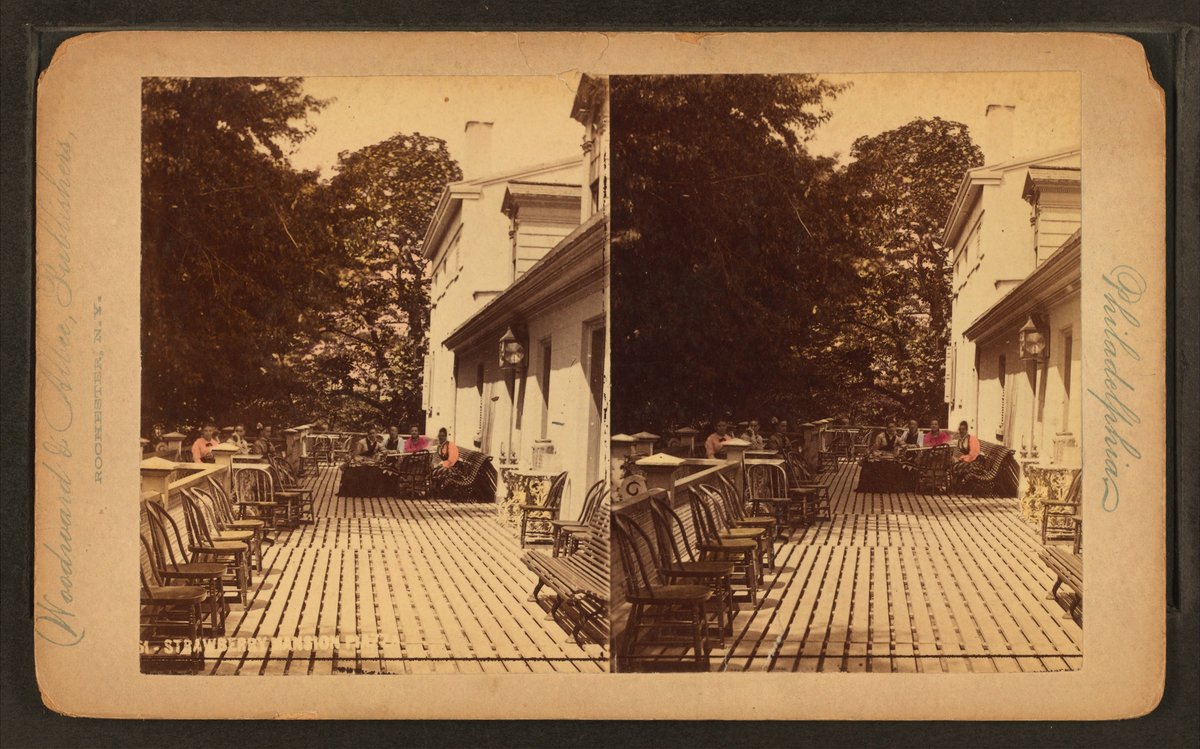
Origins and Early History
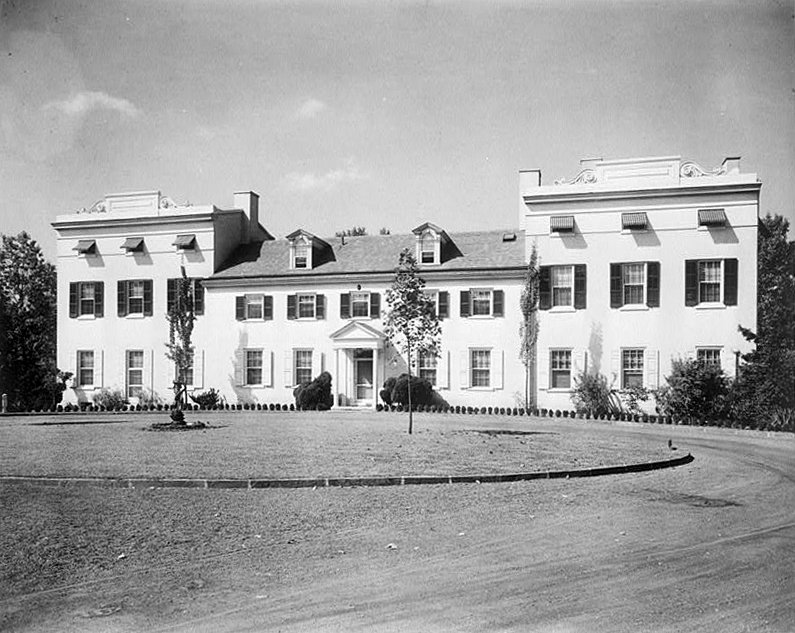
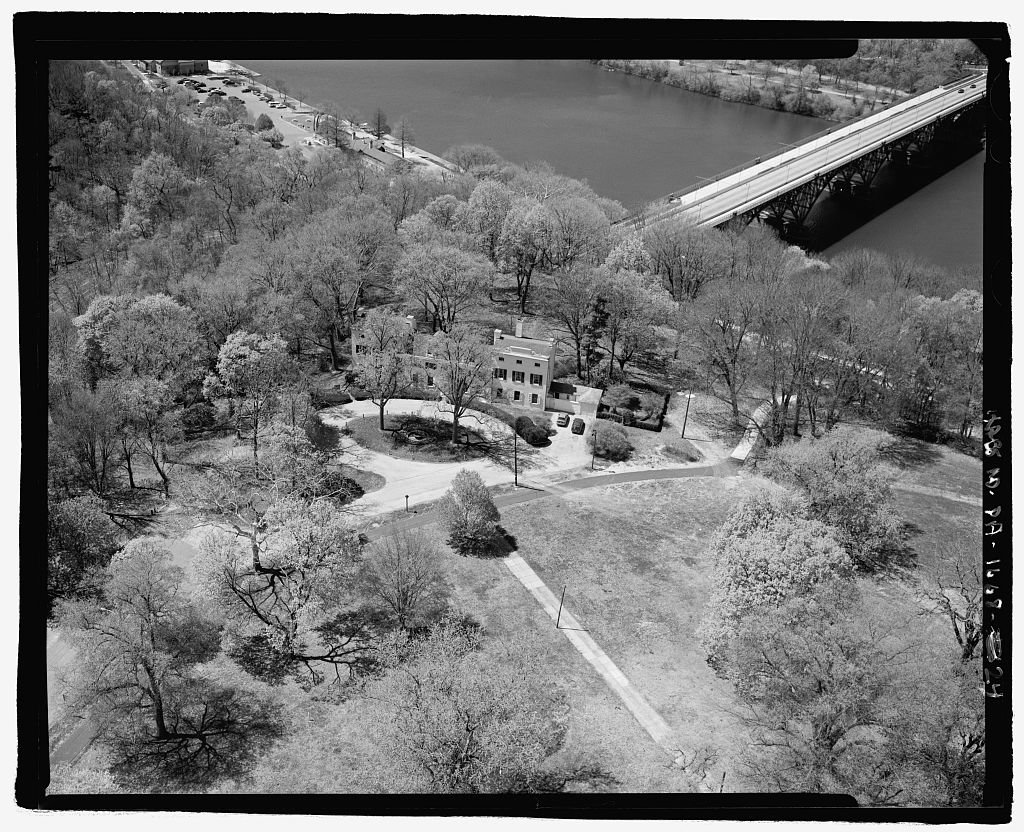
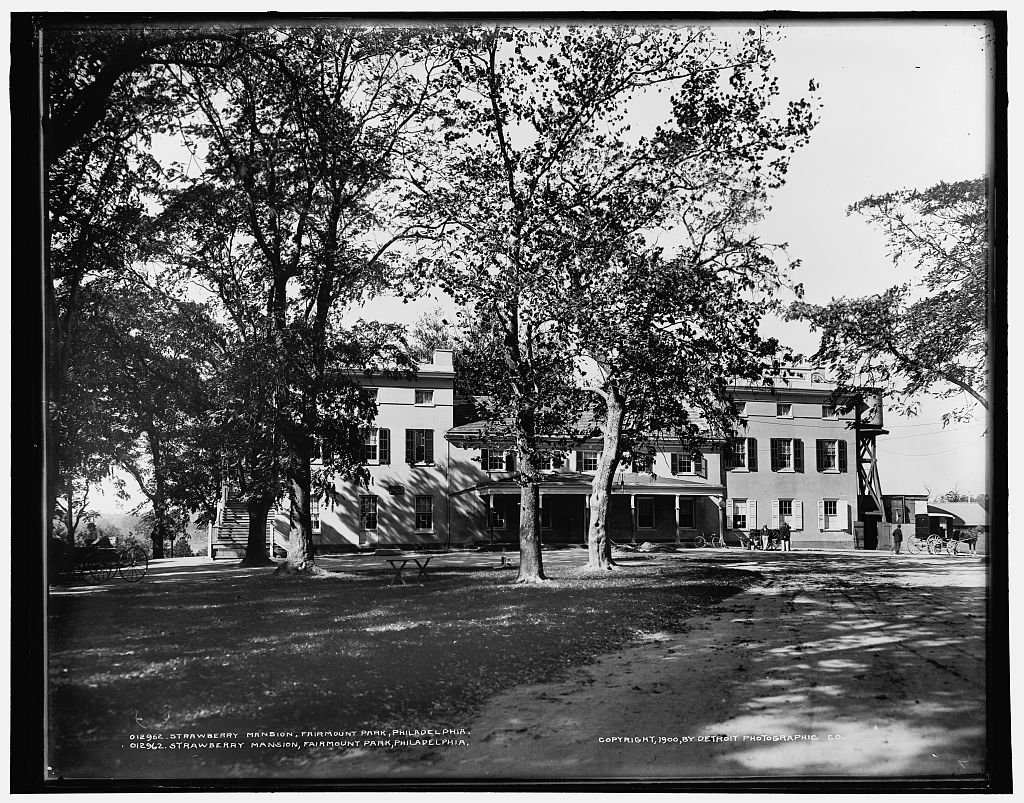
Constructed in 1789 by Judge William Lewis, Strawberry Mansion—originally called "Summerville"—was the largest of seven historic homes built in Fairmount Park (Billy Penn). The mansion’s early years reflected the prosperity and social standing of its residents, serving as both a private residence and a gathering place for Philadelphia’s upper class. Its later renaming was inspired by the 19th-century restaurant within, where strawberries and cream became a celebrated treat.
Architectural Evolution and Restoration
Federal and Greek Revival Heritage
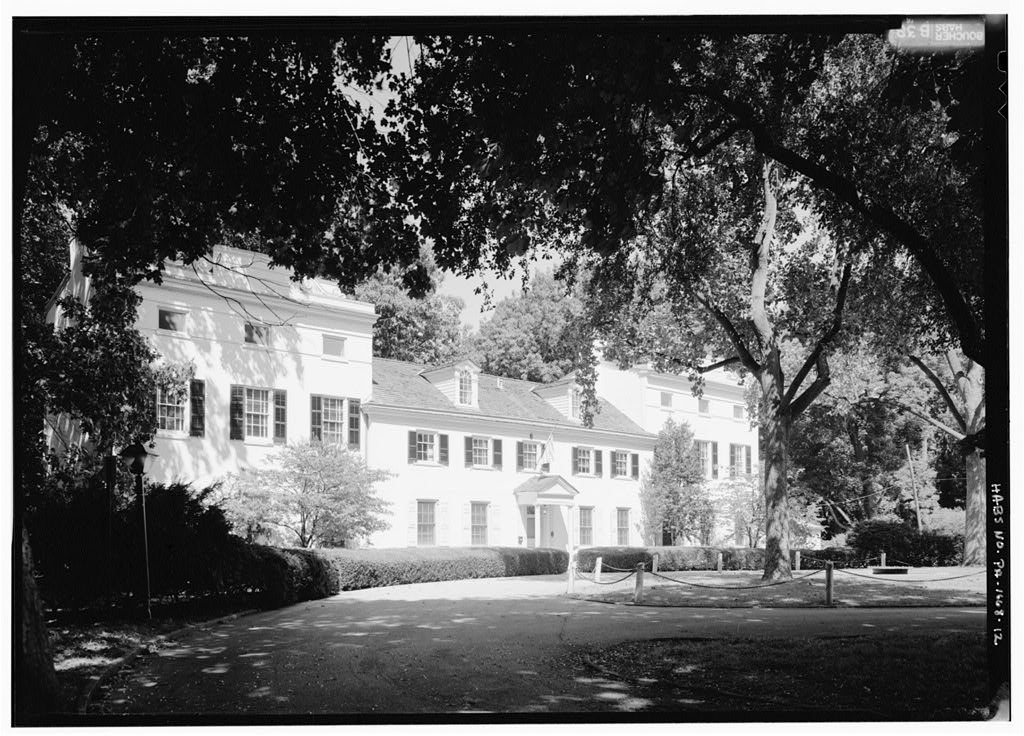
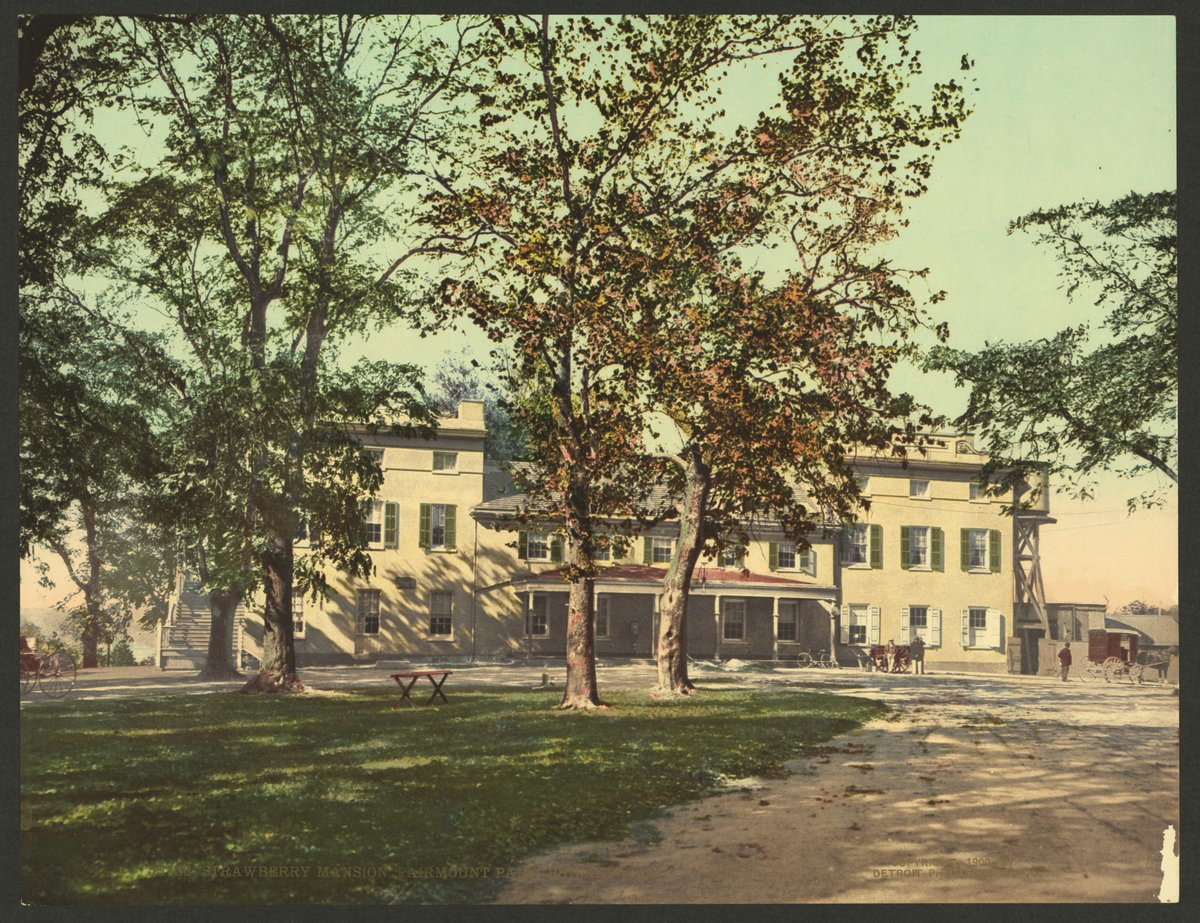
Strawberry Mansion’s architectural narrative began with the Federal style: symmetry, tall windows, and classical restraint. In 1821, Joseph Hemphill expanded the mansion, adding Greek Revival wings adorned with columns and bold cornices—hallmarks of 19th-century American aspirations toward the ideals of democracy (Homestratosphere; Wikipedia).
Adaptive Reuse and Restoration
In 1867, the property became part of Fairmount Park and soon functioned as a restaurant, leading to the addition of a second-story veranda and inspiring the neighborhood’s name (Ride Indego; Historic Structures). By the late 1920s, a major restoration led by the Committee of 1926 and supported by the Philadelphia Museum of Art transformed the mansion into a museum. This restoration preserved original features, introduced new interpretive elements, and set the stage for public engagement (Historic Strawberry Mansion).
Social and Cultural Significance
A Reflection of Philadelphia’s Changing Communities
Strawberry Mansion’s story is inseparable from the city’s demographic and social evolution:
- 19th Century A symbol of elite status, hosting lavish gatherings for Philadelphia’s affluent families (Billy Penn).
- Early 20th Century Became a vibrant Jewish enclave, with Eastern European immigrants establishing synagogues and thriving businesses (Billy Penn).
- Mid-20th Century Following WWII, the neighborhood shifted as Jewish families moved to the suburbs, and African American families became the majority (Billy Penn).
- Present Day Despite challenges of disinvestment and poverty, Strawberry Mansion remains a center of resilience, cultural pride, and ongoing revitalization (Strawberry Mansion CDC).
Visiting Strawberry Mansion: Hours, Tickets, and Accessibility
Hours and Admission
- Seasonal Operation Open April–November, Thursday–Sunday, with tours on the hour from 10 AM–3 PM (Historic Strawberry Mansion - Visit).
- Winter Months Closed December–March.
- Admission Adults $8; Seniors/Students/Youth $5; Veterans and military free; Yuletide tours by donation (Park Charms - Strawberry Mansion).
Accessibility
- The mansion offers wheelchair access in most public spaces; some historic areas may be restricted. Contact staff to discuss accommodations for specific needs.
Parking and Transit
- Parking Free off-street lot for up to 50 vehicles.
- Public Transit SEPTA Bus 32 to Dauphin Street; other options available (Historic Strawberry Mansion - Getting Here).
Guided Tours and Museum Experience
Docent-led tours last approximately 45 minutes, highlighting the mansion’s Federal and Greek Revival features, collections of period furniture, and stories of past residents (Park Charms - Strawberry Mansion). Notable rooms include:
- Ballroom Empire-style décor and Parisian antiques (Historic Strawberry Mansion).
- Lewis Parlor 1830s Empire style with murals.
- Jefferson Dining Room Features Jeffersonian reproductions.
- Gillingham Bedroom 18th-century antiques.
- Attic Toy and doll collections from the 18th–19th centuries.
Photography is permitted with restrictions on flash in certain rooms (Best Attractions - Strawberry Mansion).
Special Events and Community Engagement
Throughout the year, Strawberry Mansion hosts:
- Strawberry Festival Early June, with family-friendly activities and local vendors (Historic Strawberry Mansion - Calendar).
- Yuletide Tours December, featuring 19th-century holiday décor.
- Ciderfest, Holidays in the Park, and rotating special exhibits.
Check the official calendar for current schedules.
Travel Tips and Visitor Amenities
- Arrive Early Tours are first-come, first-served and fill quickly.
- Payment Cash, check, or PayPal only (no credit cards).
- Dress Appropriately Prepare for both indoor and outdoor activities.
- Gift Shop Books, locally made souvenirs, and educational materials.
- Restrooms Available on site, though limited due to historic status.
Nearby Attractions and Photographic Spots
Strawberry Mansion’s Fairmount Park setting offers access to walking/biking trails, picnic areas, and views of the Schuylkill River (Philadelphia Beautiful - Strawberry Mansion). Nearby are the Philadelphia Zoo, Please Touch Museum, Shofuso Japanese House and Garden, and the Dell Music Center (WhichMuseum - Strawberry Mansion).
The mansion’s grand façade, gardens, and scenic river overlooks are ideal for photography enthusiasts.
Neighborhood Context and Notable Figures
Strawberry Mansion’s neighborhood is rich in cultural legacies and community pride. Notable residents include jazz legend John Coltrane, artist Henry O. Tanner, and educator Ebenezer Don Carlos Bassett (Strawberry Mansion CDC). The area is also home to the Fletcher Street Urban Riding Club, a celebrated urban horsemanship program (Billy Penn).
While the area has faced economic challenges, recent revitalization efforts, affordable housing initiatives, and cultural projects continue to renew its vitality (Ride Indego).
Frequently Asked Questions (FAQ)
What are the visiting hours?
Thursday–Sunday, April–November; tours on the hour from 10 AM–3 PM (Historic Strawberry Mansion - Visit).
How much are tickets?
Adults $8; Seniors, students, youth $5; veterans and active military free; Yuletide tours by donation.
Is the mansion accessible?
Most public areas are accessible; call ahead for specific needs.
Are guided tours available?
Yes—hourly, no reservation needed for groups under 10. Larger groups should book ahead.
Is photography allowed?
Yes, with restrictions on flash indoors.
Where can I park?
Free off-street parking lot on site.
Are there family-friendly activities?
Yes—tours, special events, and the nearby Discovery Center offer programs for all ages.
Discover More
For up-to-date information, tickets, and event schedules, visit the official Historic Strawberry Mansion website. Follow the mansion on social media and consider downloading the Audiala app for audio tours and interactive guides. Explore more Philadelphia historical sites to enhance your visit:
- Historic Strawberry Mansion Official Site
- Philadelphia Fairmount Park Conservancy
- Visit Philadelphia
- Strawberry Mansion Neighborhood History
- Ride Indego Strawberry Mansion Guide
Discover More
Strawberry Mansion is a testament to Philadelphia’s architectural grandeur, layered social history, and vibrant community spirit. Its Federal and Greek Revival features, engaging tours, and cultural events make it an essential stop for anyone interested in American history or urban heritage. Plan your visit, explore the mansion’s rich stories and beautiful park setting, and discover the enduring significance of this Philadelphia treasure.
For more information, always check the official website before your visit, and stay connected for updates on events and programs.
Related Articles:
- Top Historical Sites in Philadelphia
- Exploring Fairmount Park: A Guide
- Philadelphia’s Best Museums and Cultural Attractions