

Origins and Construction
At the dawn of the 20th century, the Philadelphia Athletics’ growing fanbase necessitated a new home. Owner Benjamin Franklin Shibe commissioned a revolutionary stadium at Lehigh Avenue, constructed between 1908 and 1909. Shibe Park’s use of reinforced concrete and steel set a precedent in stadium design, ensuring durability and safety while allowing for larger, more ornate structures (historicbaseball.com).
Architectural Innovation and Early Reception
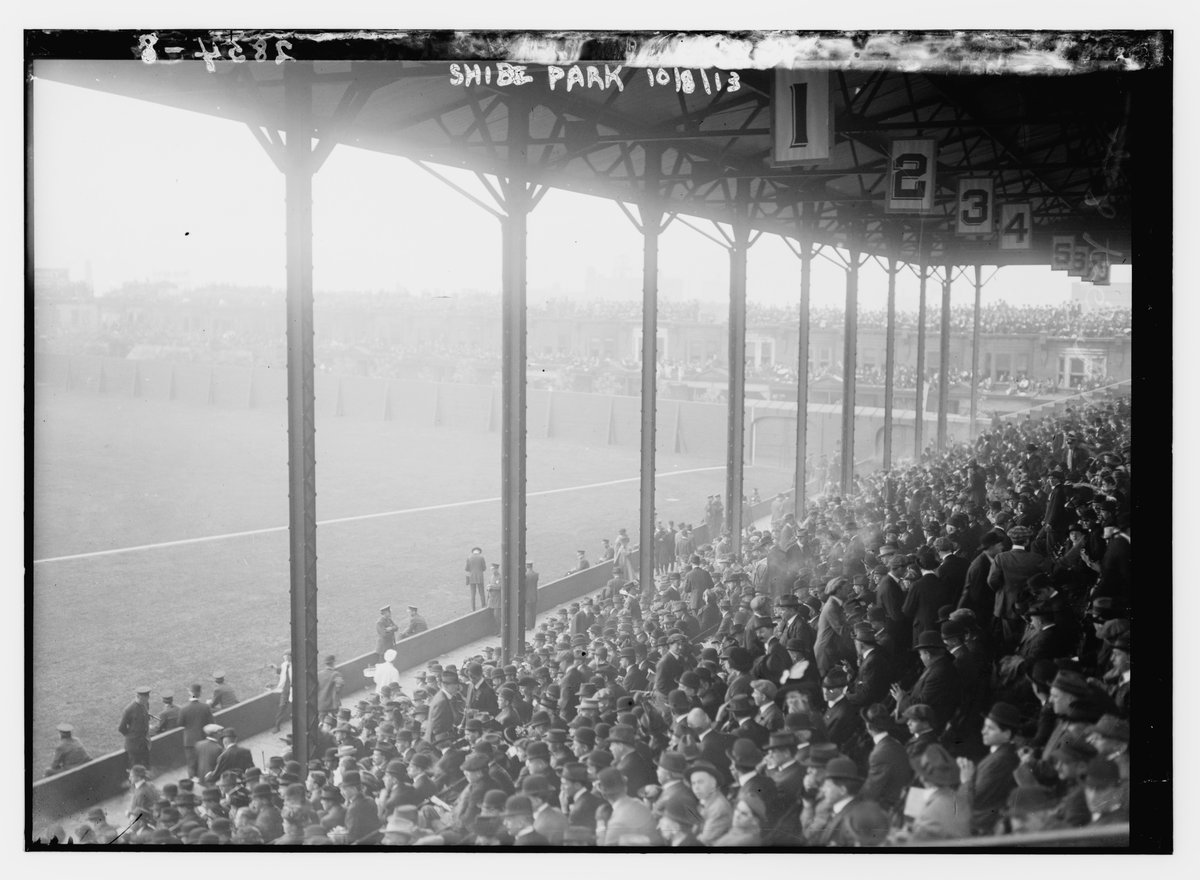
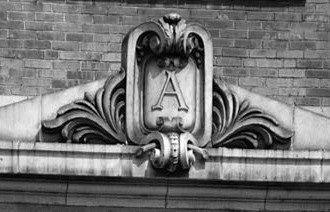
When Shibe Park opened on April 12, 1909, it was celebrated for its elegant French Renaissance towers, Beaux-Arts ornamentation, and a capacity that ultimately grew to over 33,000. The stadium boasted a double-deck, cantilevered grandstand, offering unobstructed views and drawing record-breaking crowds. Its aesthetic and engineering innovations influenced ballpark design nationwide (ballparkmuseum.com).
Evolution and Renaming
Originally home to the Athletics, Shibe Park also hosted the Phillies and the Philadelphia Eagles. In 1953, it was renamed Connie Mack Stadium in honor of the Athletics’ legendary manager. Throughout its tenure, the park was the site of pivotal events, from World Series games and NFL championships to boxing matches and community gatherings.
Sporting Milestones and Cultural Significance
Shibe Park/Connie Mack Stadium was the site of the first American League night game in 1939 and several All-Star Games. It was not just a sporting venue but a communal gathering place, hosting political rallies, circuses, and even evangelist events, reflecting the city’s evolving social fabric.
Decline and Demolition
After decades of service and more than 47 million attendees, the stadium closed in 1970 and was demolished in 1976. The end of Shibe Park marked a significant shift for North Philadelphia, but its influence on stadium design and community identity persists.
Visiting Today: Historical Markers and Nearby Attractions
Although Shibe Park no longer stands, visitors can connect with its legacy:
- Historical Marker At 21st Street and Lehigh Avenue, a Pennsylvania state historical marker details the ballpark’s significance (PA Historic Preservation).
- Site Today The block is now home to the Deliverance Evangelistic Church, with no remaining stadium structures, but the marker is publicly accessible year-round (Wikipedia; Route1Views).
- Nearby Museums The Philadelphia Sports Hall of Fame and the National Ballpark Museum showcase memorabilia and artifacts from Shibe Park’s storied history (ballparkmuseum.com).
- Other Historic Sites The Baker Bowl site, Citizens Bank Park, and the vibrant North Broad Street corridor further enrich the visitor experience.
Travel Tips and Accessibility
- Getting There The historical marker is at 21st Street and Lehigh Avenue, accessible by SEPTA bus routes and the Broad Street Line. Regional rail options are also available.
- Parking Limited street parking; public transit is recommended.
- Accessibility The marker is on a public sidewalk and is wheelchair accessible.
- Hours The site is open 24/7 with no admission fees.
- Safety Exercise standard urban precautions; mornings or early evenings are ideal for reflection and photography.
Related Philadelphia Historical Sites
- Citizens Bank Park Home of the Phillies, featuring tributes to Philadelphia’s baseball legacy (Baseball Biographies).
- Philadelphia Museum of Art Offers exhibits on the city’s cultural and artistic history.
- Eastern State Penitentiary Notable historical site nearby.
- Independence National Historical Park Explores Philadelphia’s broader heritage.
Frequently Asked Questions (FAQ)
Q: Can I visit Shibe Park or Connie Mack Stadium today?
A: The stadium was demolished in 1976. However, a historical marker at the original site provides context, and local museums honor its legacy.
Q: What are the visiting hours and is there an admission fee?
A: The site is accessible 24/7, and there are no fees or tickets required.
Q: How do I get there and is the site accessible?
A: The historical marker is reachable via public transit and is wheelchair accessible.
Q: Are there guided tours?
A: While there are no official tours at the site, some local organizations offer baseball history tours that include Shibe Park.
Q: Where can I find memorabilia?
A: Museums such as the Philadelphia Sports Hall of Fame and specialty shops carry artifacts and memorabilia related to Shibe Park.
Visual Gallery
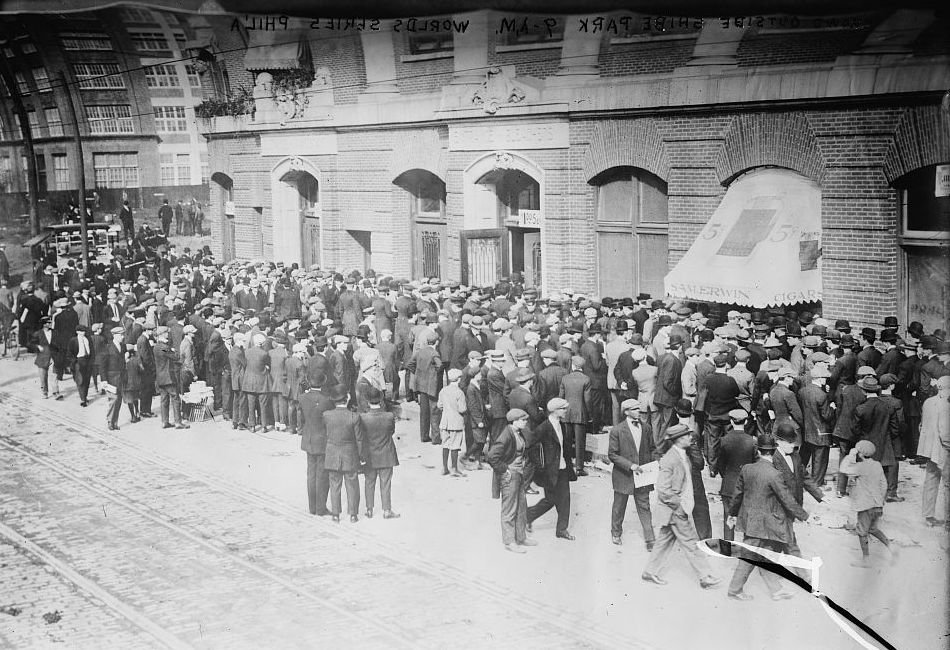
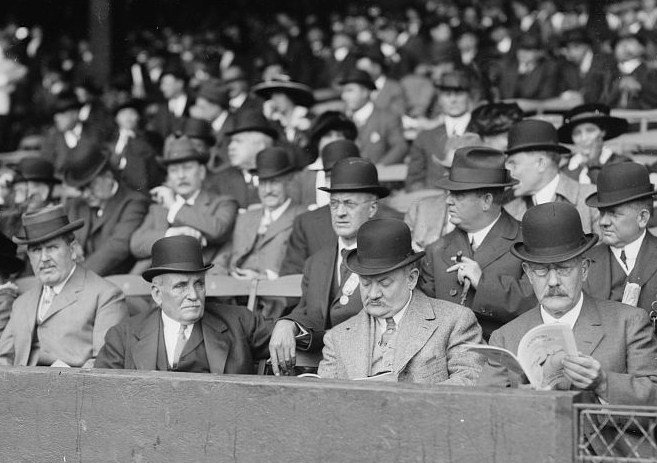
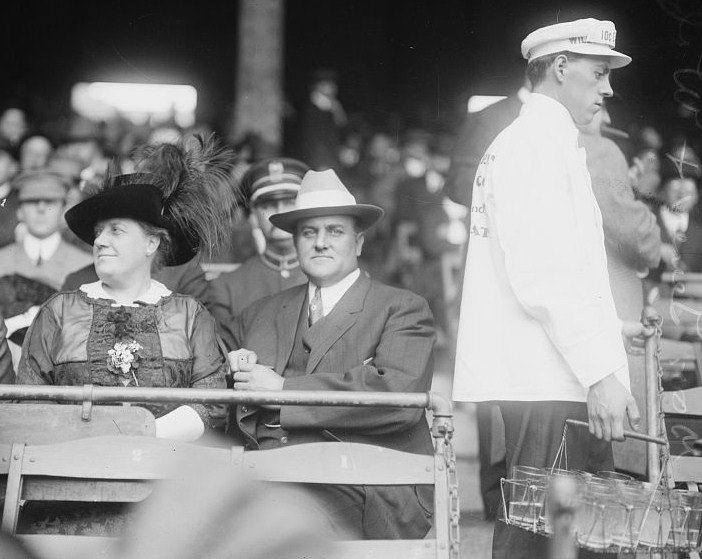
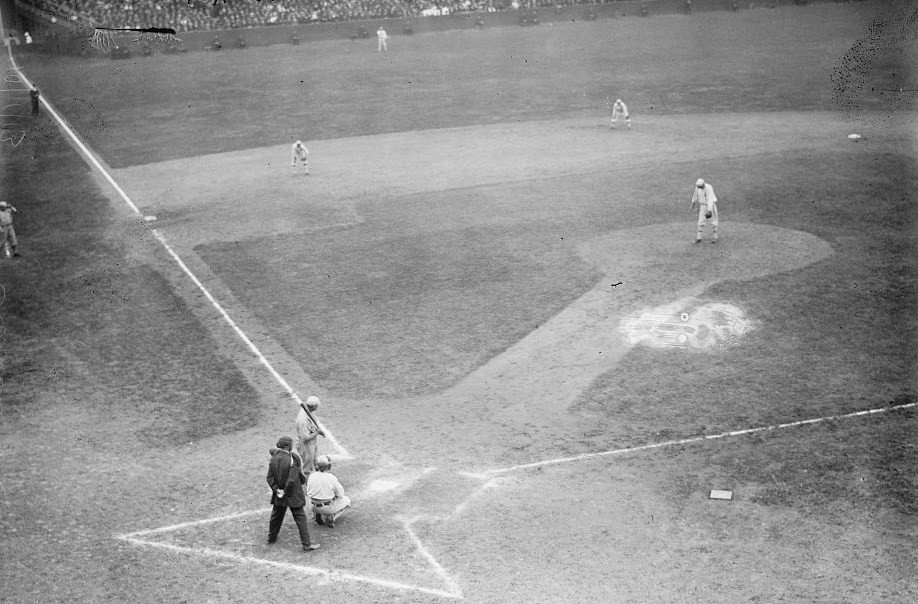
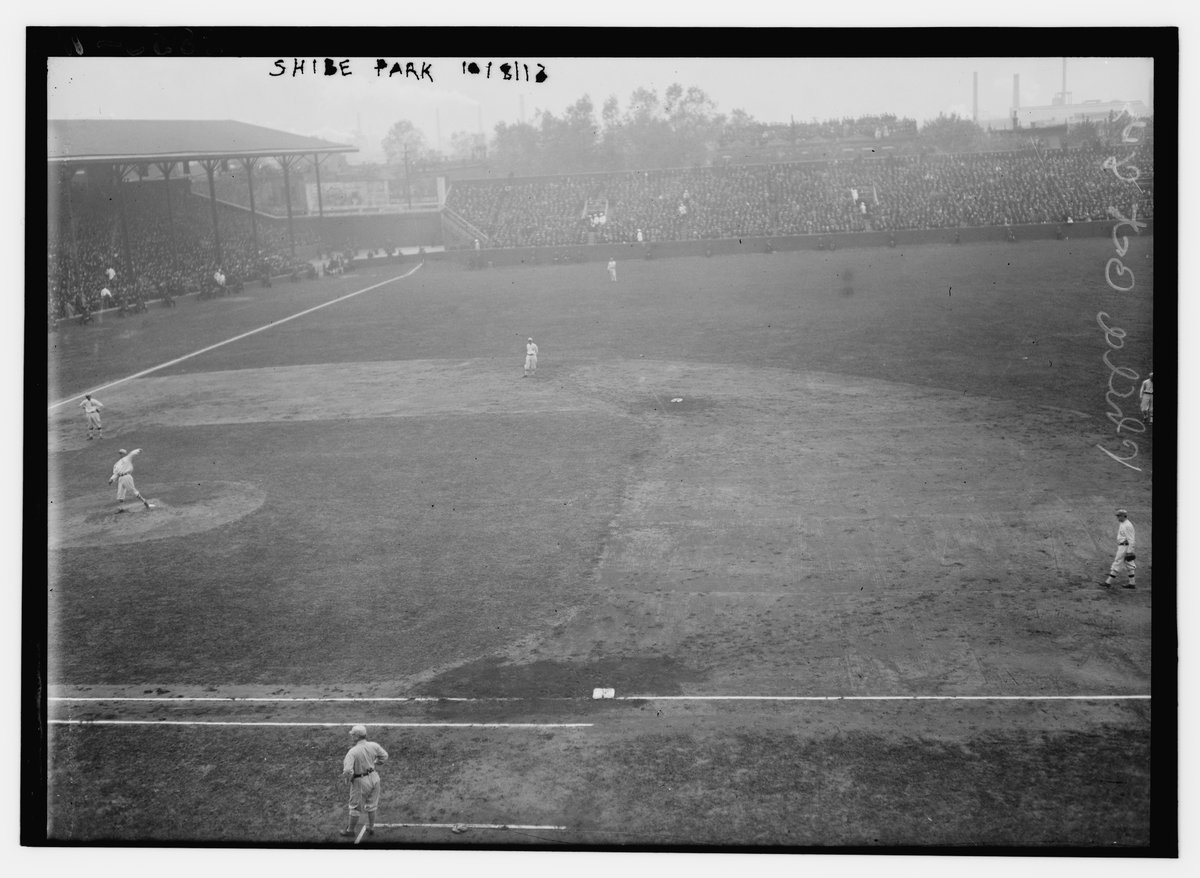
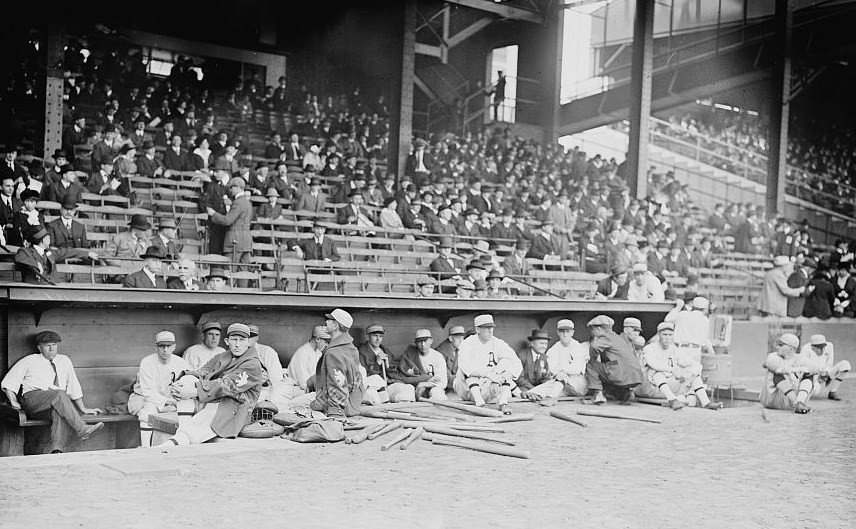
- Historical photograph of Shibe Park’s grandstand (alt: "Shibe Park grandstand filled with fans, Philadelphia, circa 1920")
- Photo of the Pennsylvania Historical Marker (alt: "Shibe Park historical marker at 21st Street and Lehigh Avenue")
- Map highlighting Shibe Park’s former location and nearby attractions (alt: "Map of Shibe Park site and Philadelphia landmarks")
For more images, visit historicbaseball.com and ballparkmuseum.com.