
Origins and Early Ownership
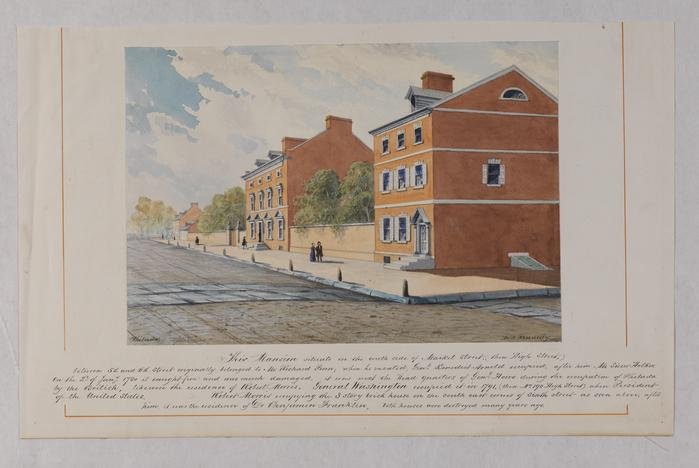
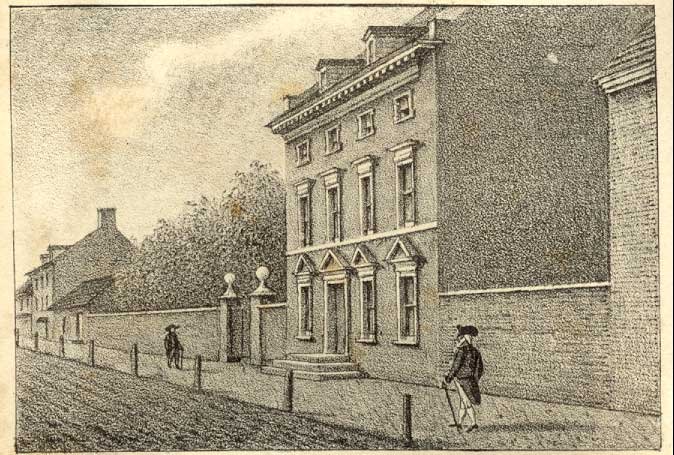
Constructed in 1767 by Mary Lawrence Masters and completed in 1772, the house was initially owned by the influential Penn family. During the Revolutionary War, it served as headquarters first for British General Sir William Howe, then for Benedict Arnold as military governor. Following the war, financier Robert Morris purchased the mansion and later leased it to the federal government when Philadelphia became the U.S. capital.
The Executive Mansion: 1790–1800
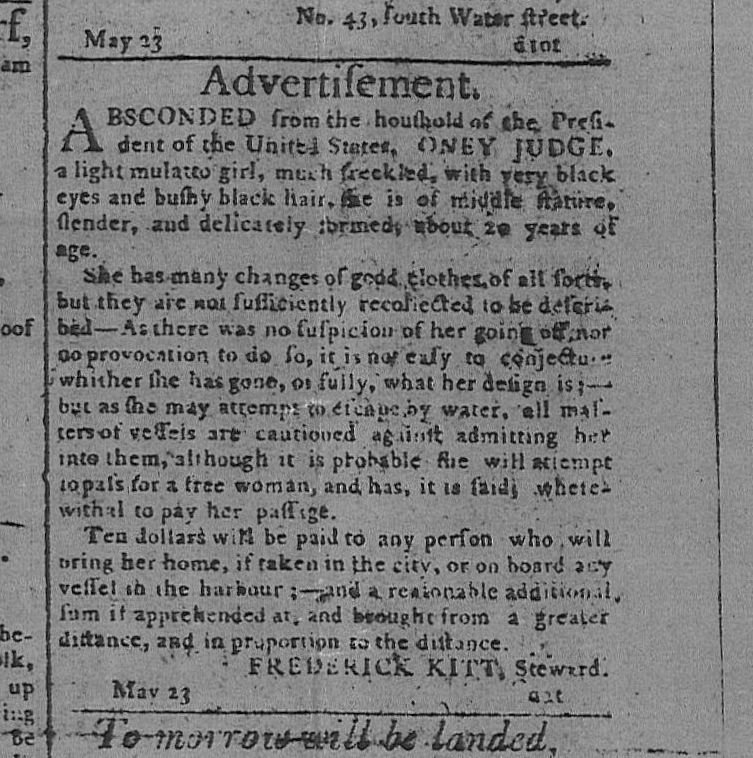
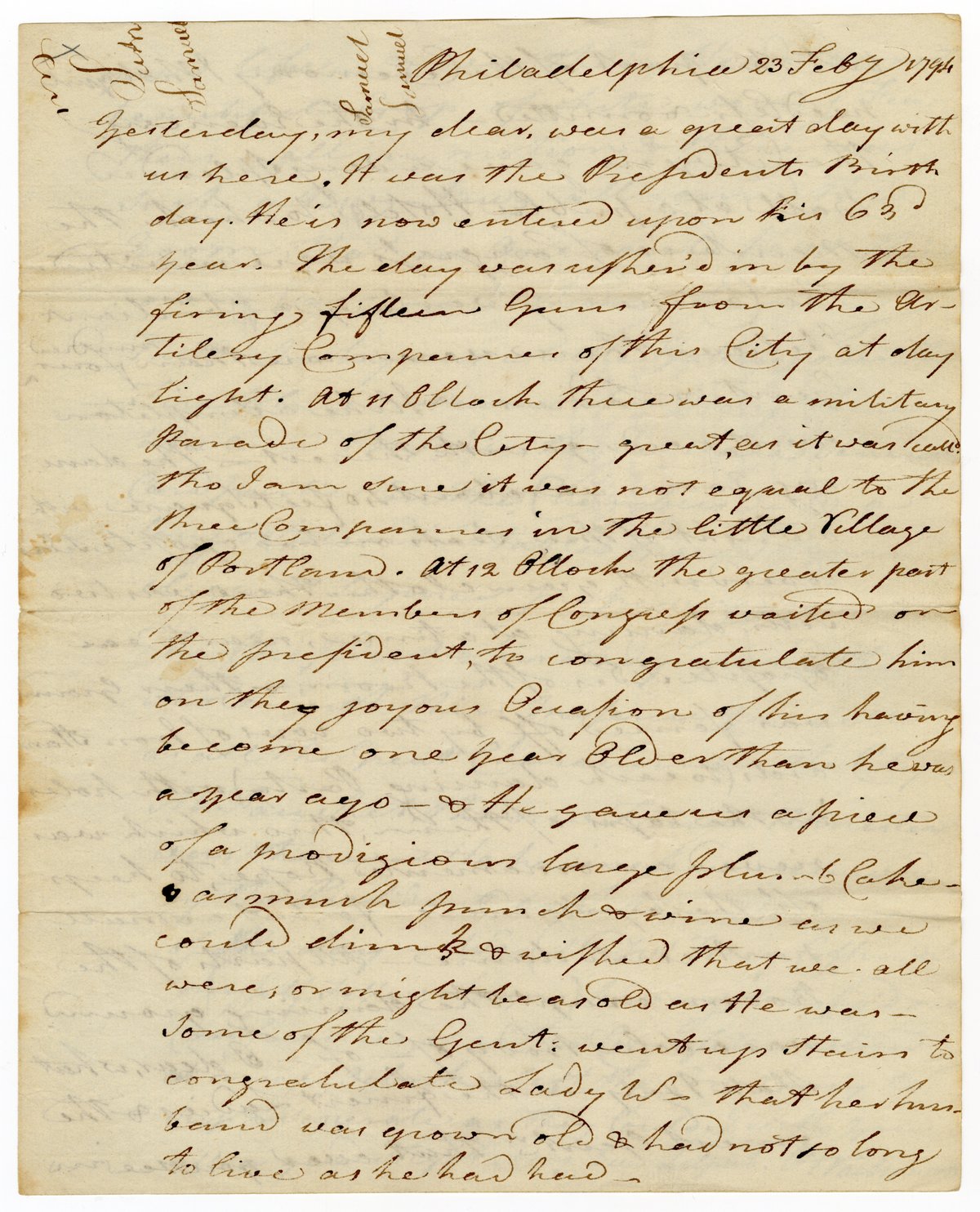
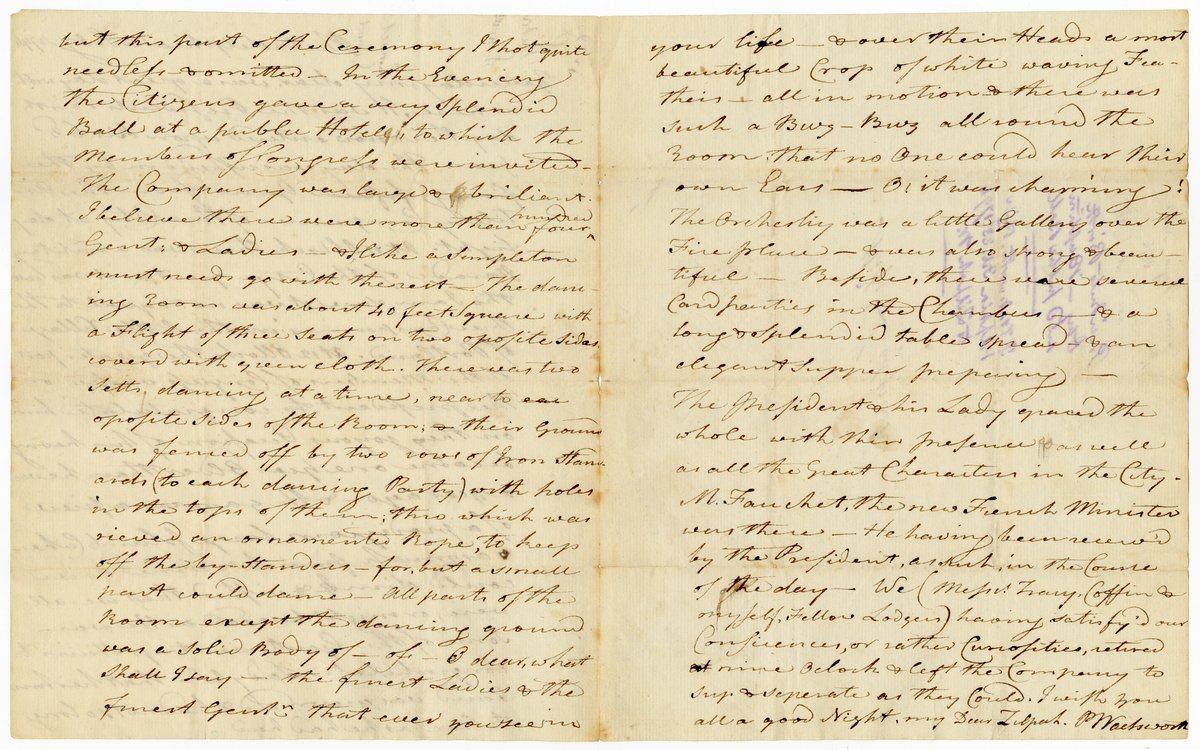
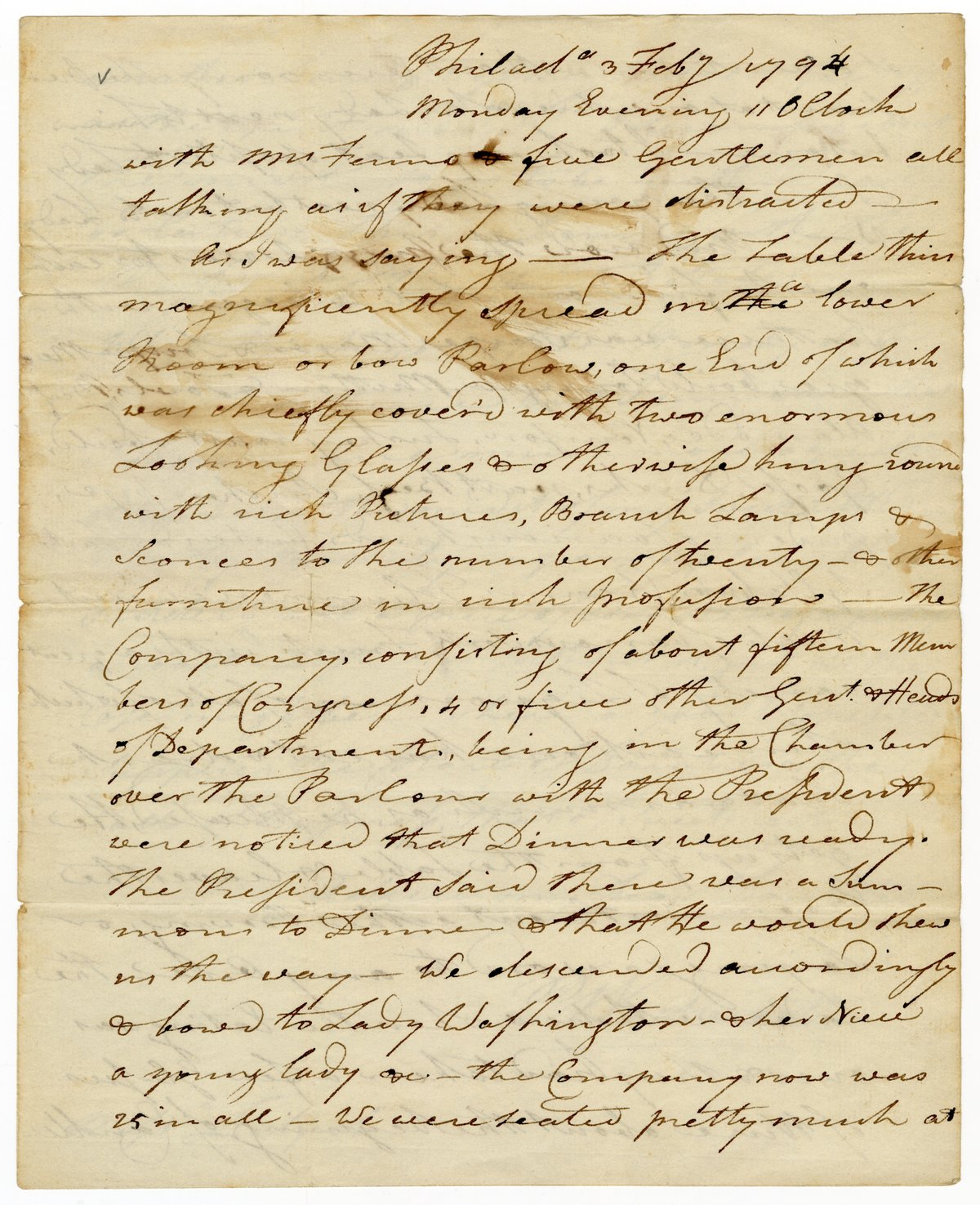
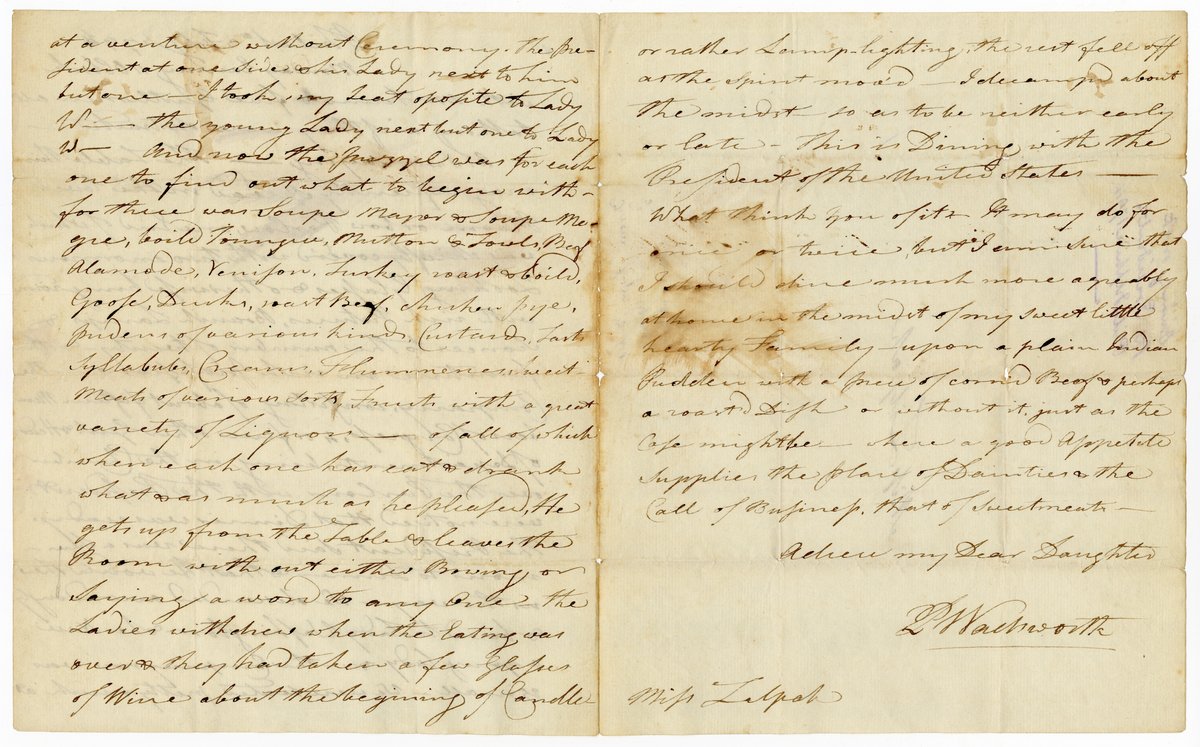
From 1790 to 1800, the President’s House functioned as the executive residence for Presidents George Washington and John Adams. The mansion’s Georgian architecture included a prominent bow window designed by Washington—a precursor to the White House’s Oval Office. During this era, Washington brought at least nine enslaved Africans from Mount Vernon to work in the household, while Adams, an opponent of slavery, did not own enslaved people. Historic legislation, including the Fugitive Slave Act of 1793, was signed here, underscoring the site’s importance in shaping the early republic (Discover PHL).
Decline, Demolition, and Memorialization
After the capital moved to Washington, D.C., the house declined in prominence and was eventually demolished in 1832. The site was later cleared for Independence Mall in the mid-20th century. Archaeological excavations in 2007 uncovered significant remnants, leading to the creation of the current open-air memorial, which opened in 2010. The memorial was shaped by community advocacy, notably from African American organizations and historians who insisted that the stories of the enslaved be prominently included (Philadelphia Encyclopedia).
Visiting the President’s House
Location, Hours, and Tickets
- Address 6th and Market Streets, Philadelphia, PA
- Access The memorial is open 24 hours a day, year-round. There is no admission fee or need for tickets.
- Getting There Easily reached via SEPTA (5th Street/Independence Hall Station) and multiple bus lines. Parking is available at the Independence Visitor Center Garage, though public transit is recommended due to limited street parking (Guide to Philly).
Accessibility
The site is fully wheelchair accessible, with smooth, level walkways and accessible interpretive panels. The adjacent Independence Visitor Center offers accessible restrooms, information desks, and loaner wheelchairs. For additional assistance or accommodations, contact the Visitor Center in advance (Wheelchair Travel).
Site Features and Interpretation
- Structural Outlines Glass panels and low walls trace the footprint of the original mansion.
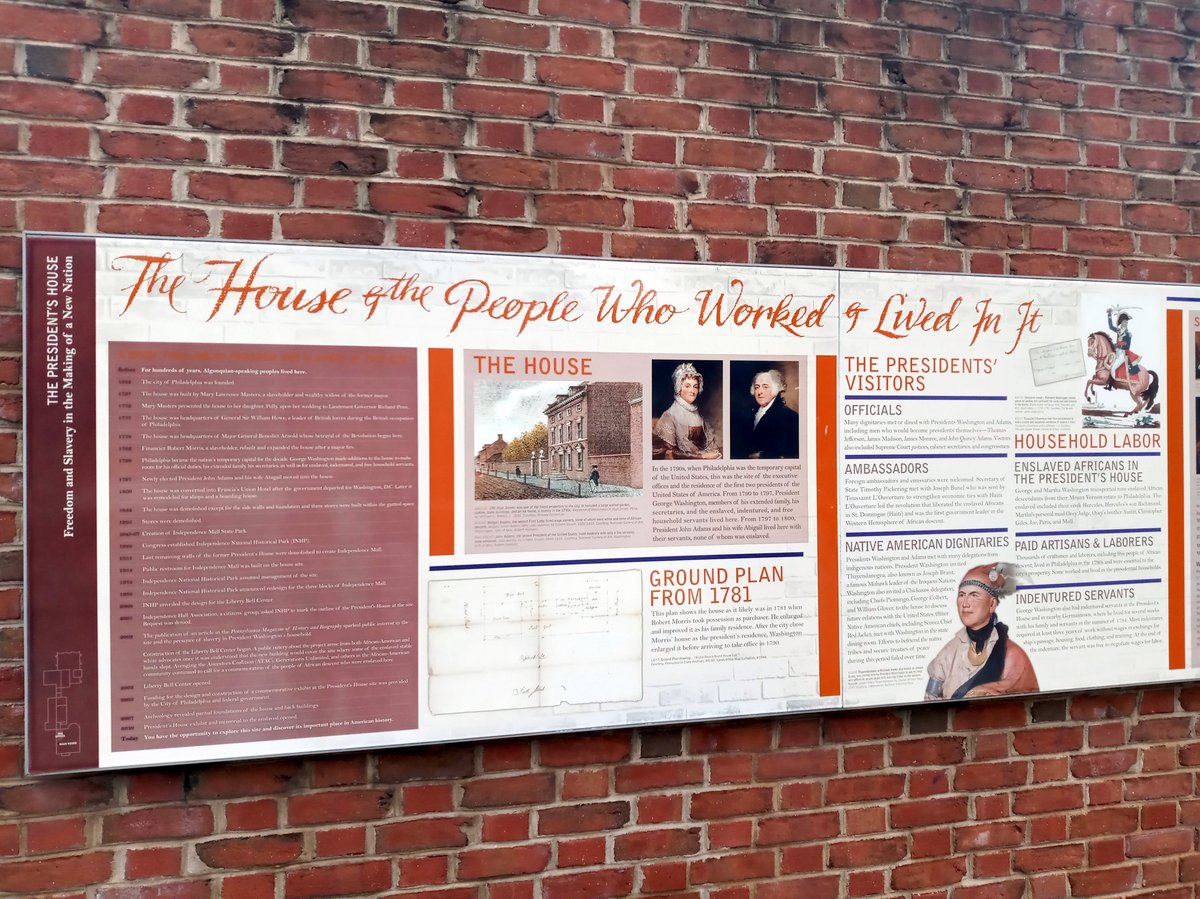
- Interpretive Panels Detailed signage shares the stories of both the presidents and the nine documented enslaved individuals, including Oney Judge and Hercules Posey.
- Archaeological Remains Visitors can view foundations and artifacts uncovered during excavation, providing a tangible link to the past.
- Multimedia Exhibits Interactive displays and video presentations offer historical context and personal narratives.
- Memorial Elements The site’s design encourages reflection on the intertwined histories of leadership and enslavement.
Ranger-led talks and special programs are offered periodically; check the National Park Service website or inquire at the Visitor Center for the latest schedule.
Tips for Visitors
- Best Times to Visit Early mornings and late afternoons are quieter, while peak crowds occur mid-morning and during citywide events like Independence Day and Juneteenth (Travellers Worldwide).
- Duration Allow at least 30–45 minutes to fully engage with the memorial and interpretive materials.
- Weather The site is outdoors with no shelter—bring sun protection or rain gear as needed.
- Photography Permitted throughout the site; professional equipment may require a permit.
- Amenities No restrooms or food vendors on-site; use facilities and cafes at the Independence Visitor Center.
Nearby Attractions
The President’s House is surrounded by some of Philadelphia’s most famous historical sites, all within walking distance:
- Liberty Bell Center
- Independence Hall
- Congress Hall
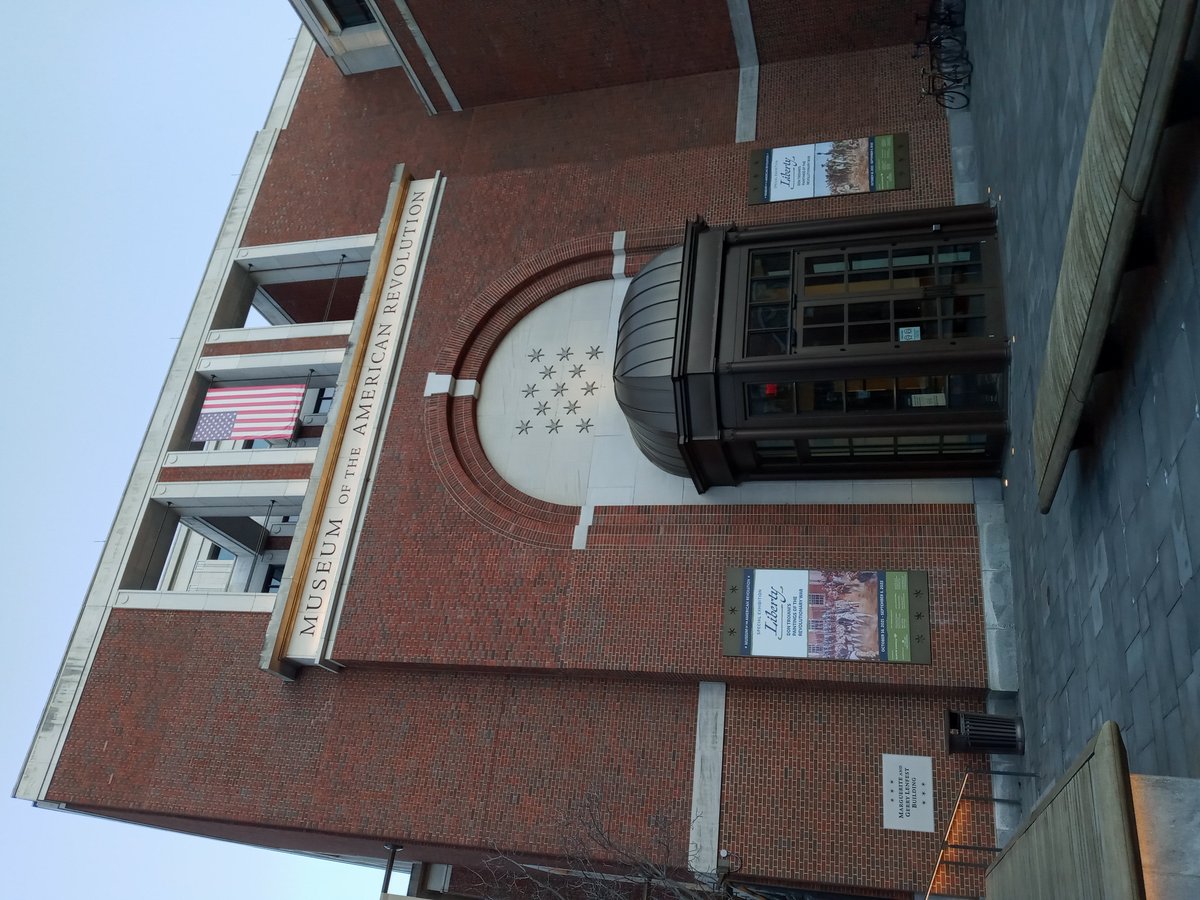
- Museum of the American Revolution
- Benjamin Franklin Museum
Plan your itinerary to experience multiple sites for a comprehensive understanding of America’s founding.
Frequently Asked Questions (FAQ)
Do I need tickets to visit the President’s House?
No, access is free and open 24/7; no reservations are required.
Is the memorial wheelchair accessible?
Yes, the site features accessible pathways and interpretive signage.
Are guided tours available?
Ranger talks are offered seasonally, and many city walking tours include the President’s House.
Where are the nearest restrooms?
Restrooms are available at the Independence Visitor Center.
Can I combine my visit with other historic sites?
Absolutely! The site is at the core of Philadelphia’s historic district and near major attractions.
Internal Links
Explore more guides on:
- [Independence Hall Visiting Guide]
- [Liberty Bell Center Tips]
- [Philadelphia Historic Walking Tours]