
Founding of the Philadelphia Mint
The Philadelphia Mint was established in 1792 to address the need for a unified national currency, replacing the system of foreign coins and state-issued money that caused economic confusion in post-Revolutionary America. Congress selected Philadelphia, then the capital, as the site for the nation’s first federal building, converting a former whiskey distillery into a complex featuring a smelt house, mill house, and secure vaults (APMEX; Treasury.gov).
Evolution Through Four Buildings
-
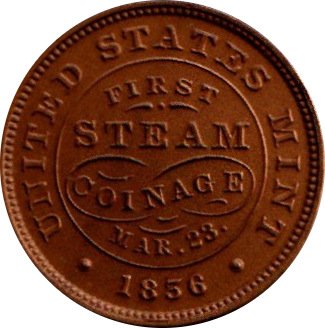
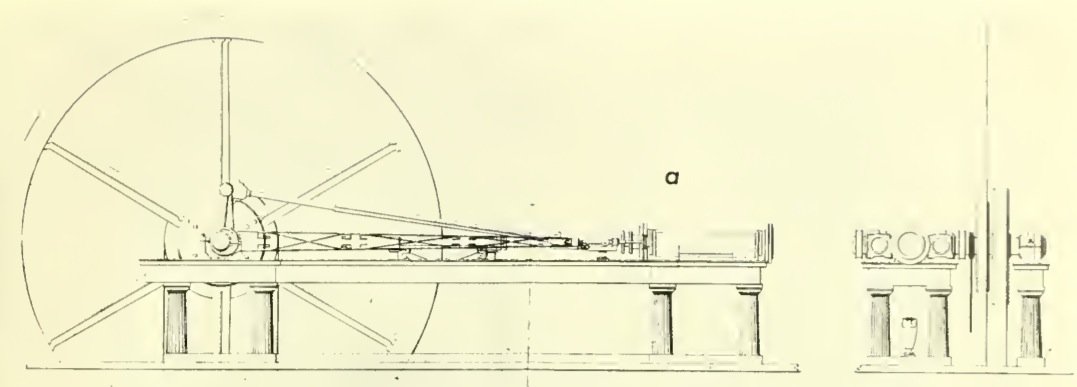
First Mint (1792–1833) Known for producing the first American coins, including the Chain Cent and the Flowing Hair silver dollars. The original facility was powered by horses until a fire in 1816 led to technological upgrades and the introduction of steam power (APMEX).
-
Second Mint (1833–1901) Designed by William Strickland in Greek Revival style, this facility increased capacity to meet the demands of a growing nation and minted gold and silver coins sourced from new American deposits (Treasury.gov).
-
Third Mint (1901–1969) Located on Spring Garden Street, it boasted the ability to produce over a million coins daily. Notable artistic features, such as Tiffany glass mosaics, were later relocated to the current Mint (APMEX).
-
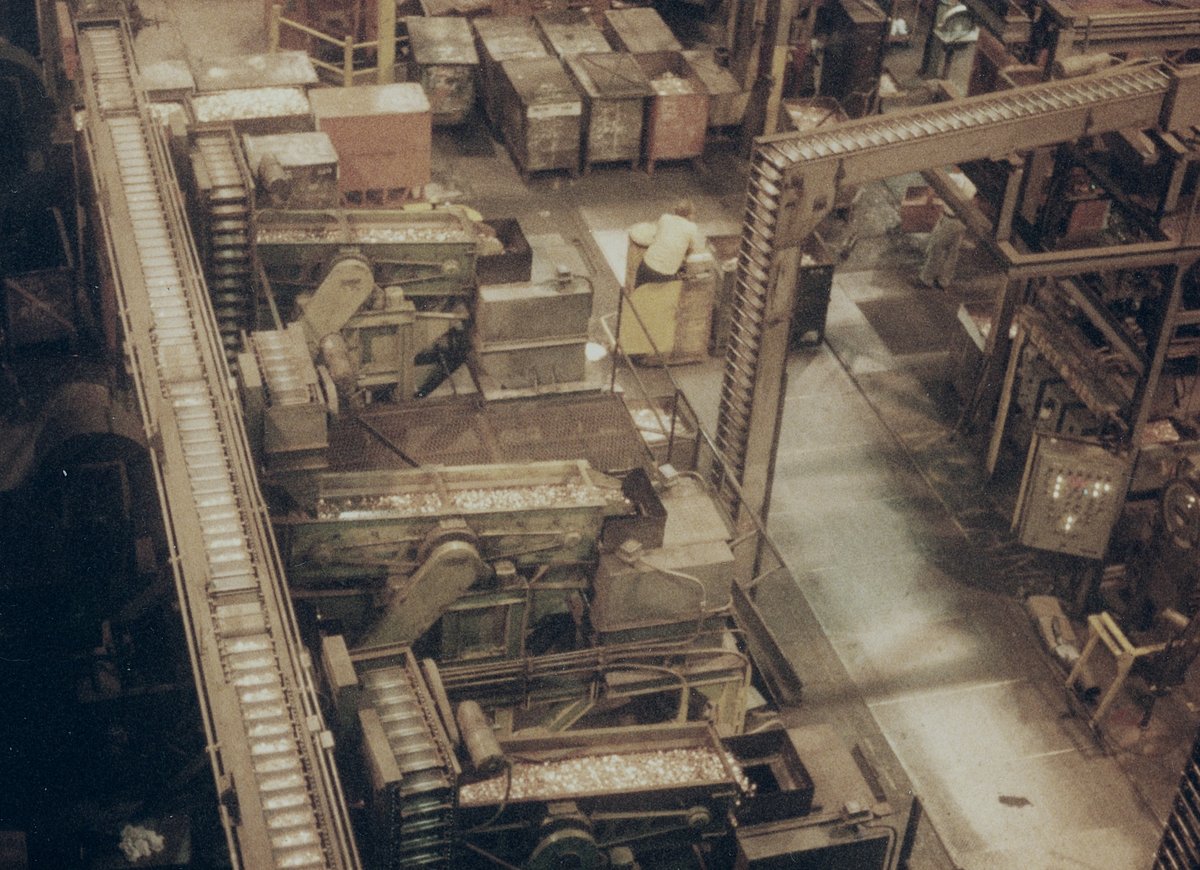
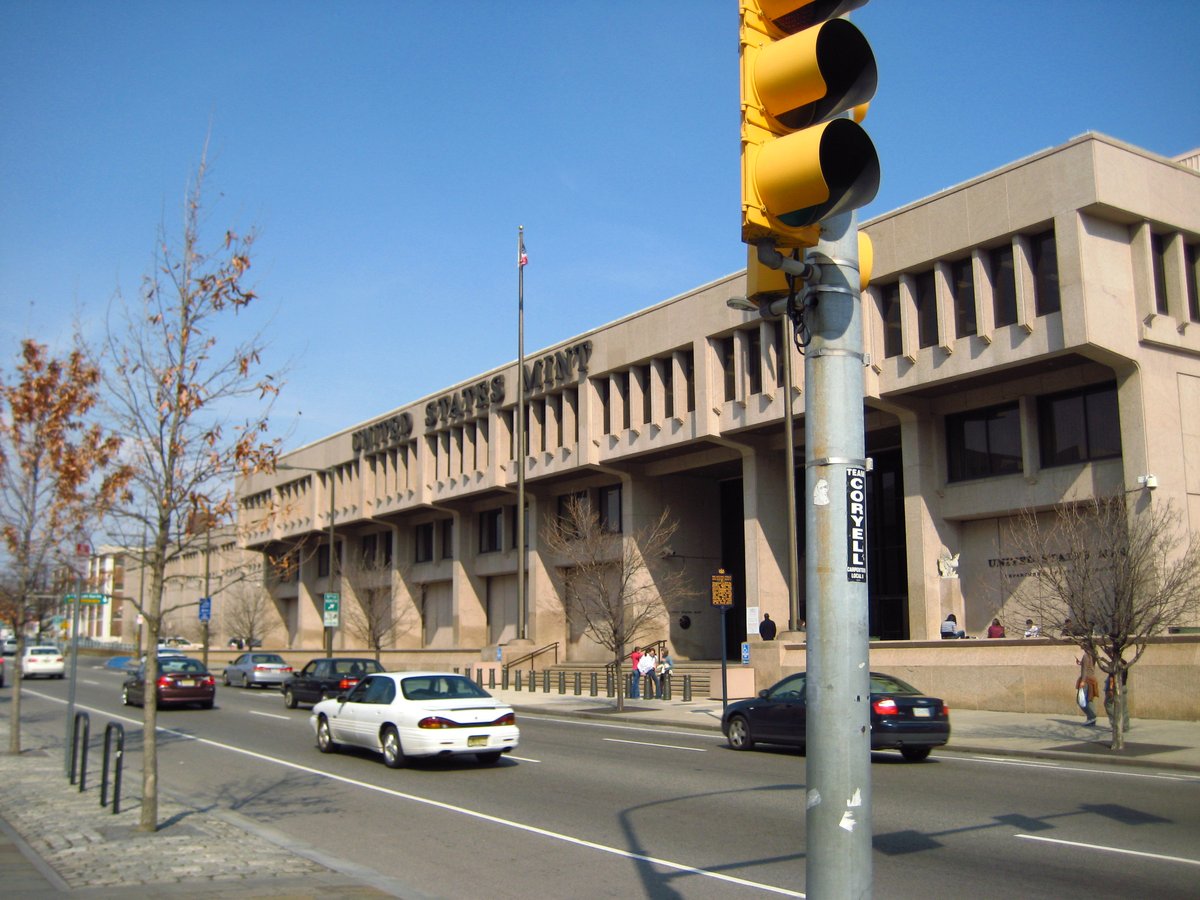
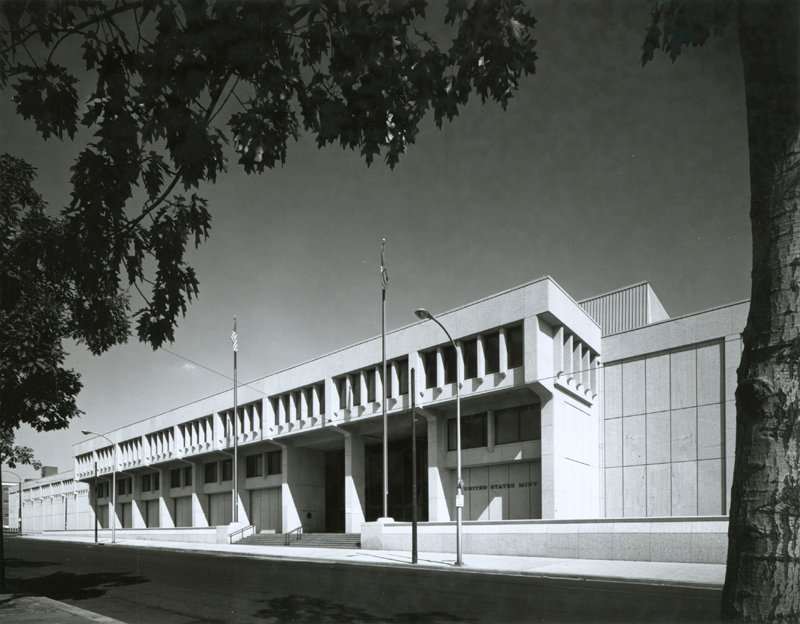
Fourth and Current Mint (1969–Present) Situated at 151 N. Independence Mall East, this modern facility can produce up to 32 million coins daily. The building incorporates mosaics from the previous Mint and stands as one of the world’s largest mints (Philadelphia Encyclopedia).
Key Historical Milestones
- 1793 First coins minted, including the Chain Cent.
- 1836 Introduction of steam-powered presses.
- 1942–1945 Minting of wartime coins with altered metal content.
- 1969 Opening of the current Mint facility.
- 1980 Philadelphia coins began bearing the “P” mint mark (APMEX).
The Mint’s Role in American History
The Mint has played a pivotal role in U.S. economic development, producing not just currency but also medals and commemoratives that honor American achievements. It has adapted to national crises, such as the Civil War and World War II, by altering operations and materials as needed (ShopGlobalCoin; Philadelphia Encyclopedia).
Cultural and Educational Significance
Beyond its industrial role, the Mint serves as a museum and educational center. Public tours highlight the artistry of coin design and the stories behind iconic figures like Peter the Mint Eagle. The Mint’s artists continue to create designs reflecting American history and values (APMEX; VisitPA; USHISTORY.org).
Visiting the Philadelphia Mint
Hours, Admission, and Security
- Hours Open Monday–Friday, 9:00 AM–4:30 PM; last entry at 4:15 PM. Closed on federal holidays. Summer hours may include Saturdays—check the official site for updates (VisitPhilly).
- Admission Free for all visitors. No tickets or reservations required for individuals and small groups; large groups should consult the Mint’s website (CoinNews).
- Security All visitors must pass through a metal detector and bag screening. Government-issued photo ID is required for adults. Prohibited items include cameras, large bags, food, beverages, and weapons (CoinNews).
Accessibility and Amenities
- Wheelchair Accessibility The Mint is fully accessible, with ramps, elevators, and accessible restrooms throughout the facility (Numista).
- Service Animals Permitted in accordance with ADA regulations.
- Restrooms and Gift Shop Located near the main lobby; the gift shop features official U.S. Mint products and souvenirs.
Tour Experience
- Self-Guided Tours Walkways overlook the production floor, allowing visitors to witness coin manufacturing. Audio and video displays explain each stage of the process (The Fun Times Guide; Numista).
- Duration Most tours take 45–60 minutes, but allow extra time for security and the gift shop.
- Photography Strictly prohibited inside the facility, especially near the production floor.
- Educational Features Interactive exhibits cover the Mint’s history, technological advances, and numismatic artistry. Notable displays include Peter the Mint Eagle, hobo nickels, and gold transport boxes (Anne’s Travels).
Practical Visitor Tips
- Best Times Weekday mornings in spring or fall offer the best chance to avoid crowds and see the factory in full operation (Guide to Philly; Travellers Worldwide).
- Plan Ahead Check the official website for special events, closures, and up-to-date visitor policies.
- Travel Light Only bring essentials to expedite security checks.
Location and Getting There
- Address 151 N. Independence Mall East, Philadelphia, PA 19106.
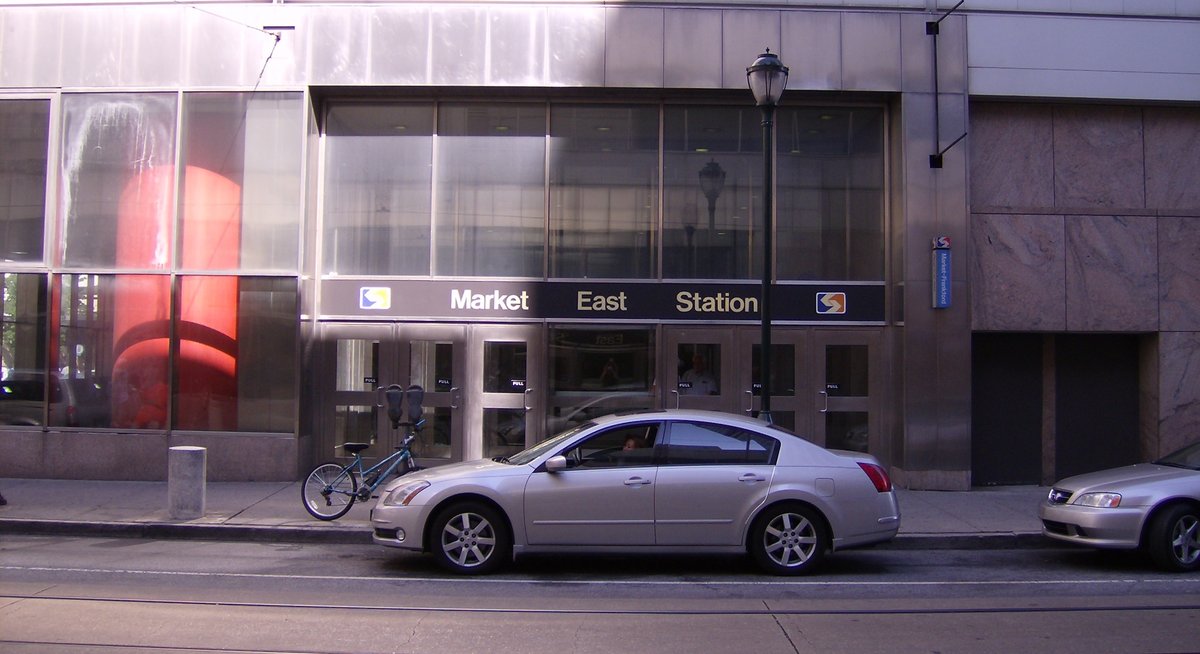
- Transport No on-site parking; use nearby paid garages or public transit (SEPTA buses and Market-Frankford subway). The Mint is within walking distance of Independence Hall and the Liberty Bell (VisitPhilly; The Fun Times Guide).
Nearby Philadelphia Historical Sites and Attractions
Enhance your visit to the Mint by exploring these nearby landmarks:
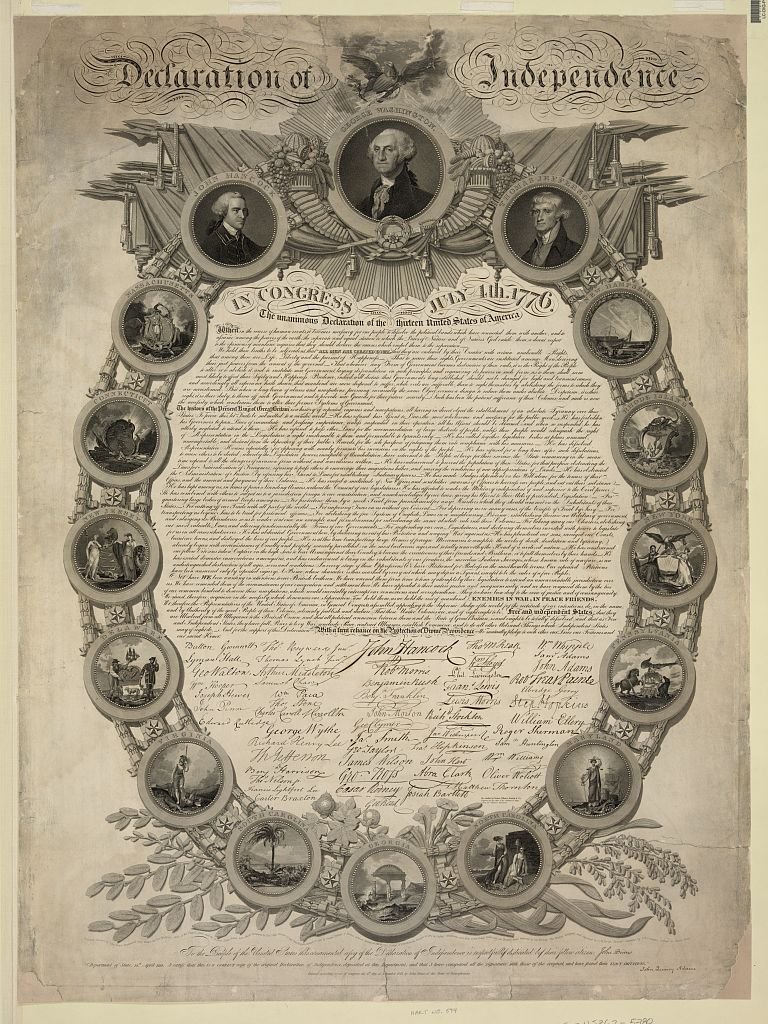
- Independence Hall The birthplace of the Declaration of Independence.
- Liberty Bell Center Home to the iconic symbol of American freedom.
- National Constitution Center Interactive exhibits on the U.S. Constitution.
- Franklin Court Related to Benjamin Franklin’s life and work.
All are within a short walk, making the Mint an ideal starting point for a day in Philadelphia’s historic district (Anne’s Travels).
Frequently Asked Questions (FAQ)
Q: Is admission to the Philadelphia Mint free?
A: Yes, admission is free for all visitors.
Q: Do I need tickets or a reservation?
A: No tickets or reservations are required for individuals or small groups. Large groups should check the Mint’s website.
Q: What are the visiting hours?
A: Monday–Friday, 9:00 AM–4:30 PM (last entry at 4:15 PM), closed on federal holidays.
Q: Is the Mint wheelchair accessible?
A: Yes, the facility is fully accessible.
Q: Can I take photos inside?
A: No, photography and video recording are strictly prohibited inside the Mint.
Q: Is the Mint family-friendly?
A: Yes, the tour is suitable for all ages and features educational exhibits for children.
Q: Is there parking?
A: No on-site parking, but paid lots and garages are available nearby.