
Historical Evolution of Philadelphia International Airport
Early Years and International Breakthrough
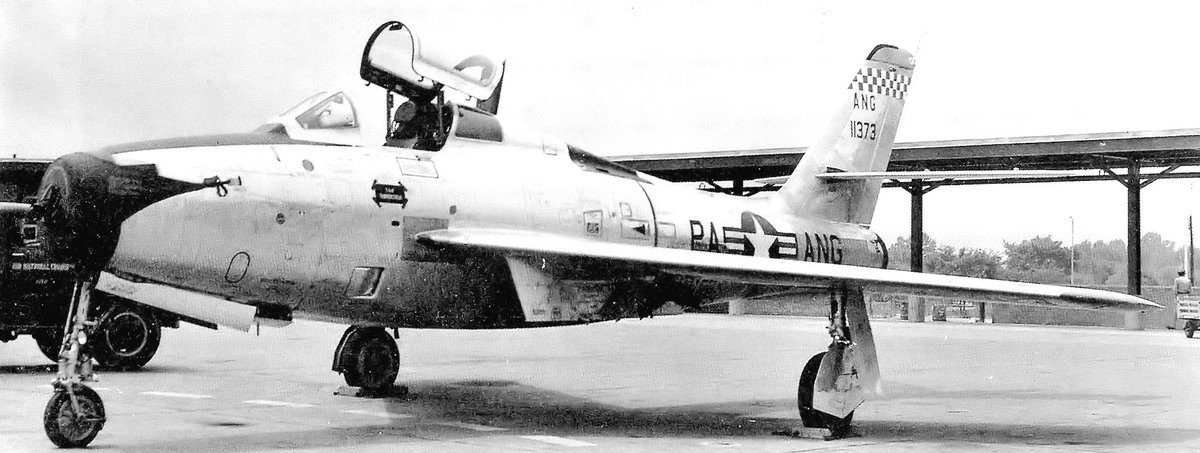
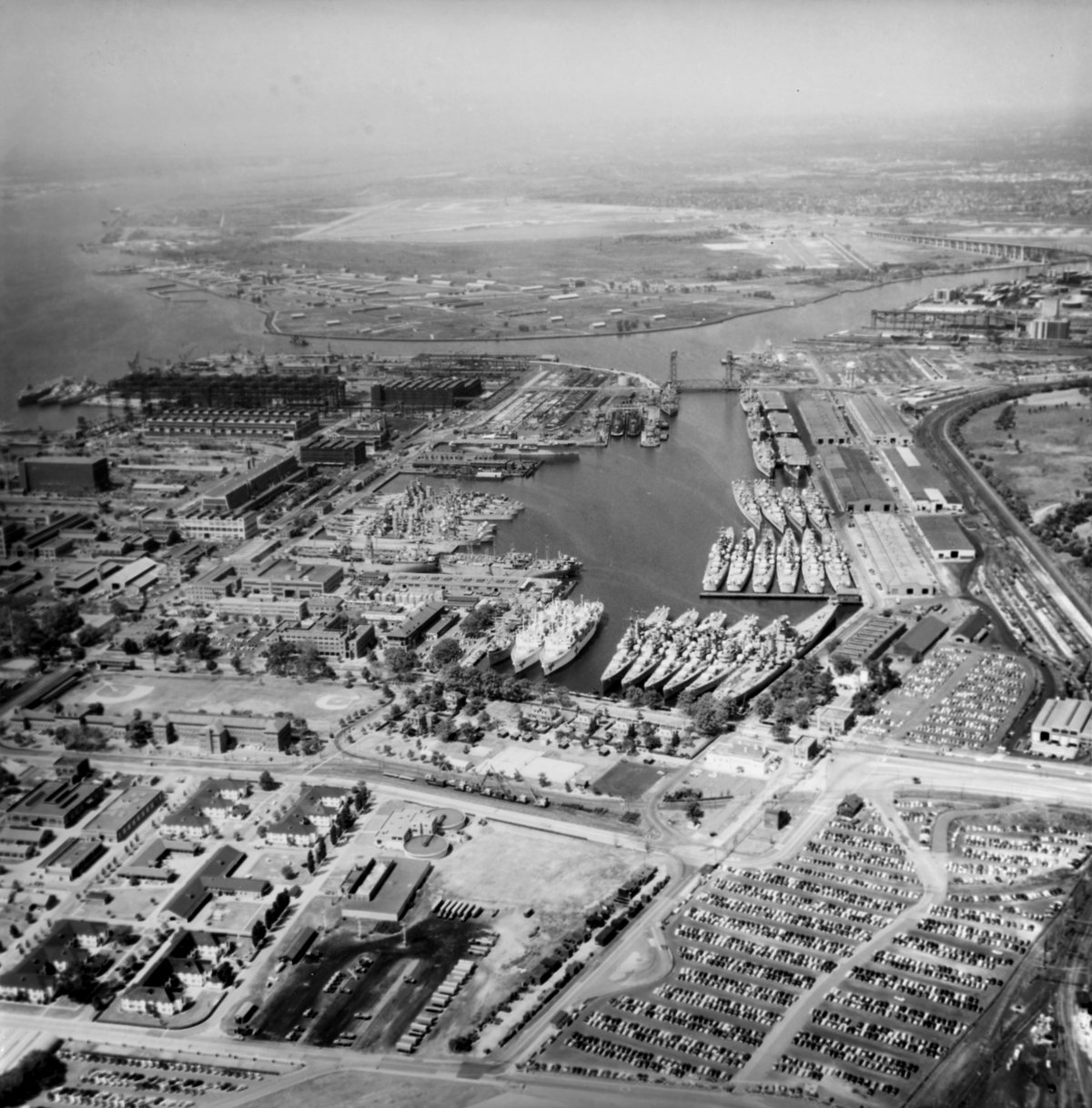
PHL’s origins date to the 1920s as a small airfield. Reopened to the public in September 1945, it quickly attained international significance, thanks to the launch of direct transatlantic flights by American Overseas Airlines (philadelphia-future.com). By 1950, the airport had four runways, with continuous expansion through the 1950s, including runway extensions and new terminal construction.
Expansion and Modernization
In the late 20th century, PHL doubled its area to 2.4 million square feet, introducing new terminals and facilities to meet the rising demand for domestic and international travel (philadelphia-future.com). By the early 2000s, it had become a key hub for US Airways and Southwest Airlines, consistently setting passenger traffic records (wikipedia.org).
21st Century Growth and Future Investments
Currently, PHL serves over 30.8 million passengers annually and offers nearly 500 daily departures to more than 130 destinations, operated by 22 airlines (phl.org). The airport is investing $556 million in infrastructure for 2025, focusing on terminal enhancements, parking, and airfield improvements—preparing for the 2026 FIFA World Cup and the city’s 250th anniversary (delco.today; inquirer.com).
Visitor Information
Hours of Operation and Ticketing
- Airport Hours Open 24/7; individual airline counters and concessions have their own hours.
- Ticketing Most airline ticket counters open 2–3 hours before scheduled flights. For up-to-date ticketing, refer directly to your airline.
Getting There and Parking
- Public Transit SEPTA regional rail lines, buses, taxis, rideshare, and rental cars provide direct access.
- Parking Options include hourly, daily, economy, and valet parking. See the PHL Parking page for current rates and maps.
Accessibility and Services
PHL is committed to accessibility, offering wheelchair assistance, accessible restrooms, elevators, and the PHL WORKS customer service program to ensure all travelers have a comfortable experience (phlcouncil.com).
Unique Amenities
Travelers enjoy a wide range of dining and shopping options, curated art displays, and special viewing areas for aviation enthusiasts. Occasionally, guided tours highlight the airport’s history and operations—check the official website or visitor center for details.
Nearby Attractions
- Independence Hall The birthplace of American democracy (nps.gov Independence Hall).
- Liberty Bell Center Iconic American symbol of freedom (nps.gov Liberty Bell).
- Philadelphia Museum of Art, Congress Hall, National Constitution Center All are easily accessible from the airport.
Economic Significance
Regional and Statewide Impact
- Economic Engine In 2017, PHL generated $15.4 billion in economic activity and supported over 96,000 jobs (wikipedia.org). Recent estimates show $18.7 billion in annual spending and over 102,600 jobs (phl.org).
- Self-Sustaining PHL operates without local tax dollars, funded by landing fees, terminal rentals, and concessions (inquirer.com).
Cargo and Trade
PHL’s 449,761 square feet of cargo space and six active facilities support Northeast trade, with ongoing investments expanding capabilities (delco.today).
Tourism and Conventions
In 2024, Philadelphia hosted 1.2 million international visitors, who spent over $681 million, contributing to a $1.2 billion economic impact (6abc.com). The city’s 267 events brought 542,000 attendees and $636 million in revenue.
Employment and Community
PHL employs nearly 18,000 badged staff, with thousands more in related sectors such as hospitality, retail, and logistics (phl.org). Upcoming expansions are expected to sustain and create additional jobs.
Strategic Initiatives
Future goals include adding nonstop flights to Central and South America and expanding connections to Asia, further increasing Philadelphia’s global reach (phlcouncil.com).
Frequently Asked Questions (FAQ)
Q: What are Philadelphia International Airport’s visiting hours?
A: The airport is open 24/7; check airline-specific counters for hours.
Q: How do I travel from PHL to downtown Philadelphia?
A: Options include SEPTA rail and buses, taxis, rideshares, and rental cars.
Q: Does PHL offer guided tours?
A: Occasionally. Visit the official website or airport visitor center for details.
Q: Are accessibility services available?
A: Yes, comprehensive accessibility services are provided throughout all terminals.
Q: Where can I park?
A: Hourly, daily, economy, and valet parking options are available. Visit the PHL Parking page.
Philadelphia’s Iconic Historic Sites: Independence Hall and Liberty Bell
Independence Hall
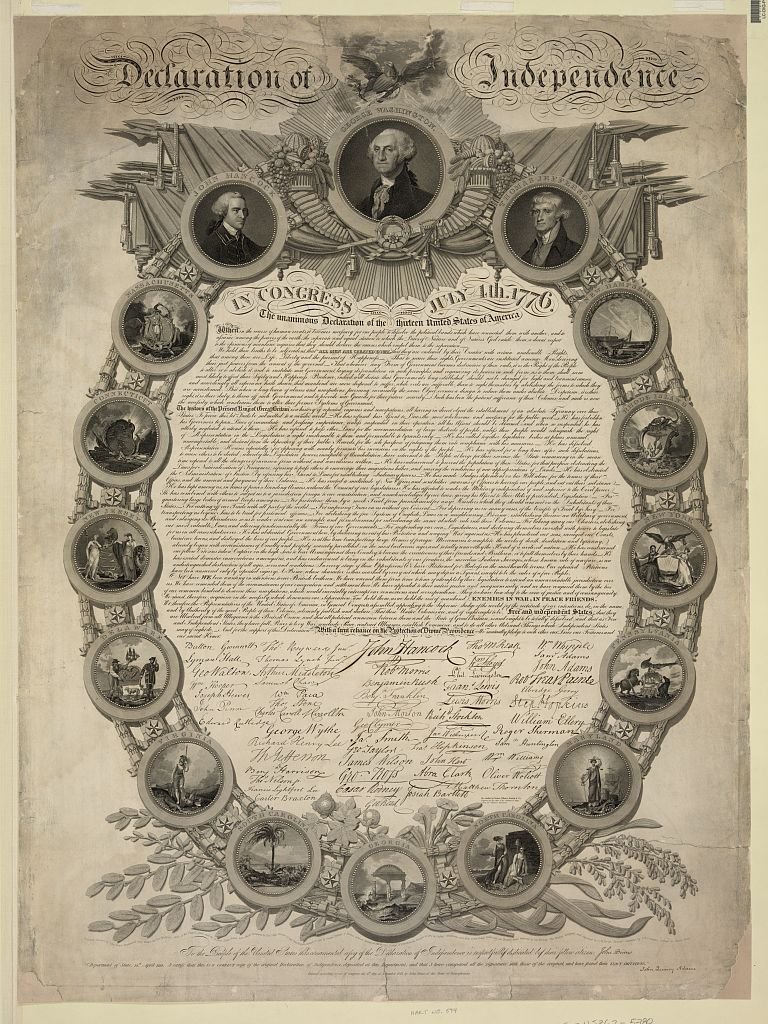
Independence Hall, a UNESCO World Heritage Site, is famed as the birthplace of American democracy. Built between 1732 and 1753, it was the site of the signing of the Declaration of Independence and the drafting of the U.S. Constitution.
- Hours Open daily, 9:00 AM–5:00 PM (last entry 4:45 PM).
- Tickets Free, but required; reserve online or at the Independence Visitor Center.
- Tours Ranger-led tours provide deep historical context.
- Accessibility Fully accessible, with ramps, elevators, and assistive services.
- Location 520 Chestnut Street, accessible by public transit.
- Nearby Attractions Liberty Bell Center, National Constitution Center, Congress Hall.
(nps.gov Independence Hall)
Liberty Bell
The Liberty Bell is a powerful symbol of American freedom.
- Location Liberty Bell Center, 526 Market Street.
- Hours Daily, 9:00 AM–5:00 PM, with extended hours seasonally.
- Admission Free; timed tickets recommended in peak seasons.
- Accessibility Fully accessible with ramps and assistive listening devices.
- Features Interactive exhibits and multimedia presentations.
(nps.gov Liberty Bell)
Summary: Key Points and Staying Informed
Philadelphia International Airport reflects the city’s dynamic blend of history, culture, and economic vitality. From its historic beginnings to its current status as a major international hub, PHL continually evolves to meet the needs of global travelers (philadelphia-future.com; phl.org). Its investments in infrastructure, services, and accessibility ensure a seamless travel experience for millions each year.
The airport’s role extends beyond transit, fueling Philadelphia’s economy and providing easy access to historic landmarks like Independence Hall and the Liberty Bell (nps.gov Independence Hall; nps.gov Liberty Bell). Whether you’re a traveler or a local, PHL is your gateway to the city’s vibrant past and promising future.
Stay informed on real-time updates, travel tips, and exclusive offers by downloading the Audiala app and following Philadelphia International Airport on social media.