
Founding and Institutional Development
The Philadelphia History Museum began as the Atwater Kent Museum in 1941, following A. Atwater Kent’s purchase and donation of the former Franklin Institute building. The city’s commitment—formalized through a charter amendment in 1938—ensured a public institution focused exclusively on Philadelphia’s history (Philadelphia Encyclopedia). The Greek Revival building, a historic landmark itself, became a center for civic memory and engagement, set just blocks from Independence Hall.
Collection Growth and Educational Mission
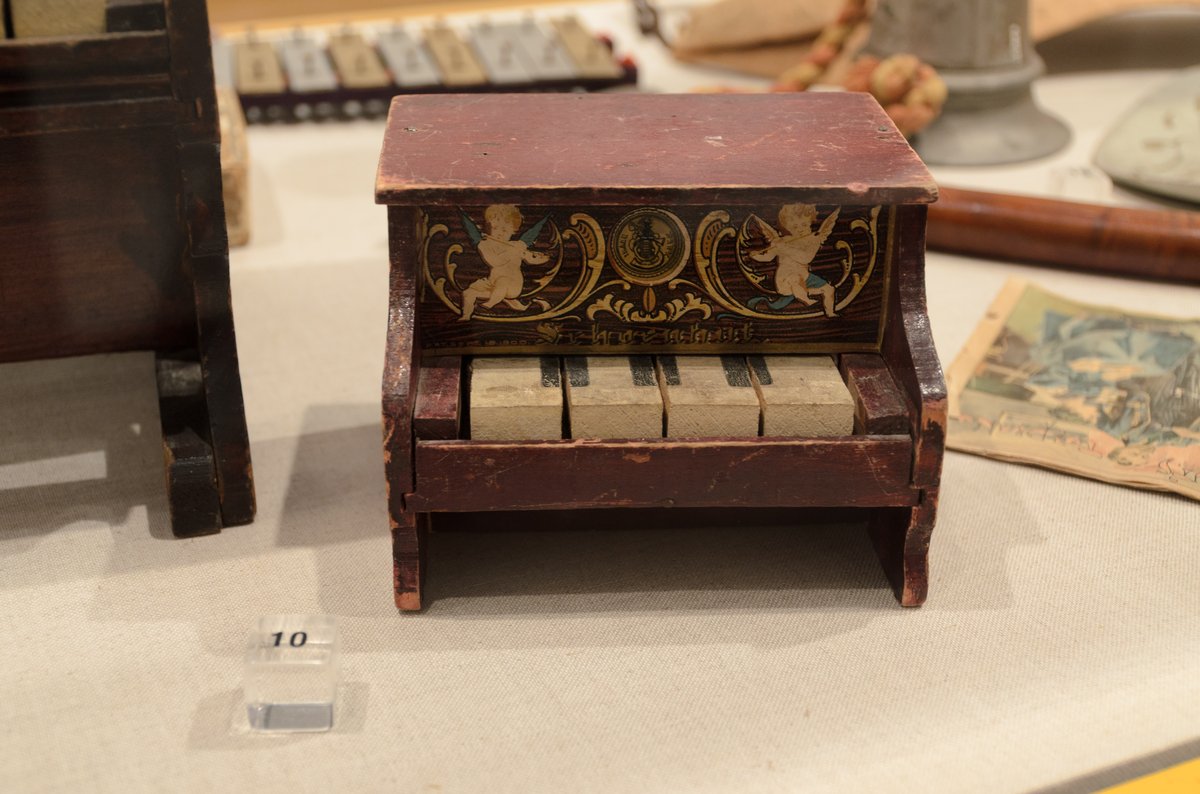
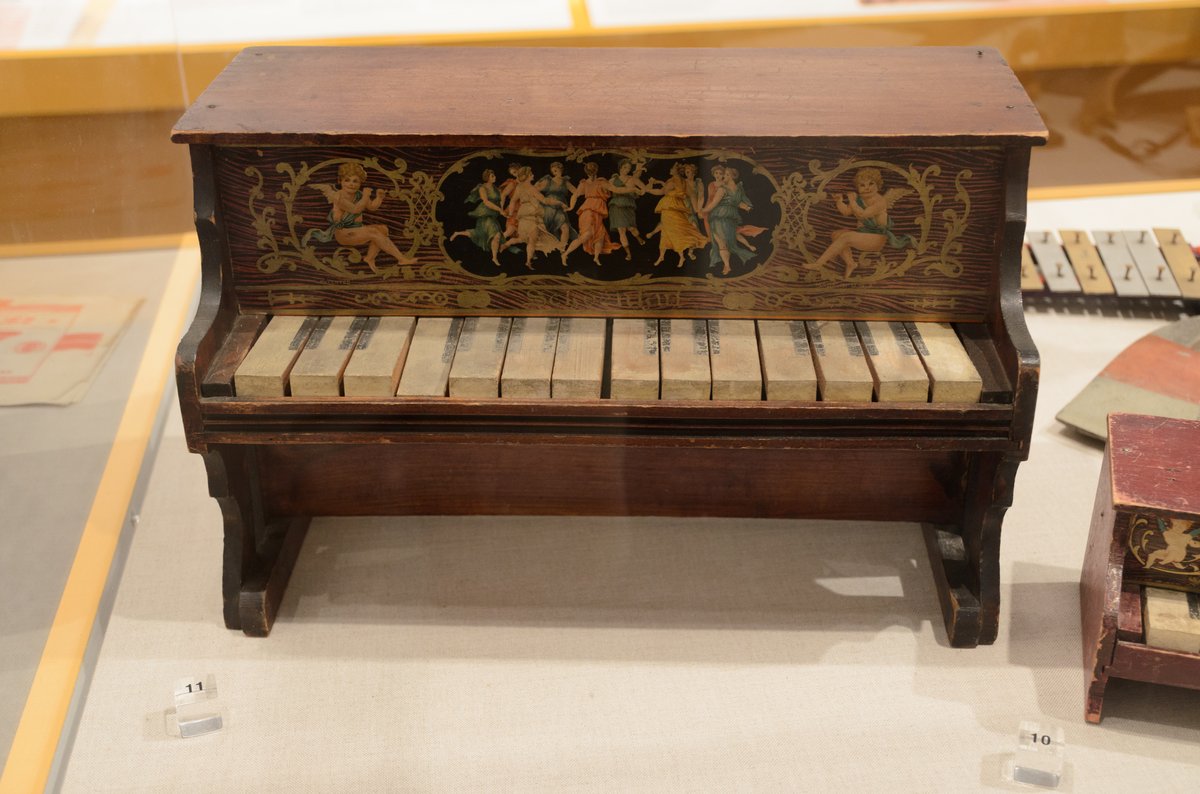
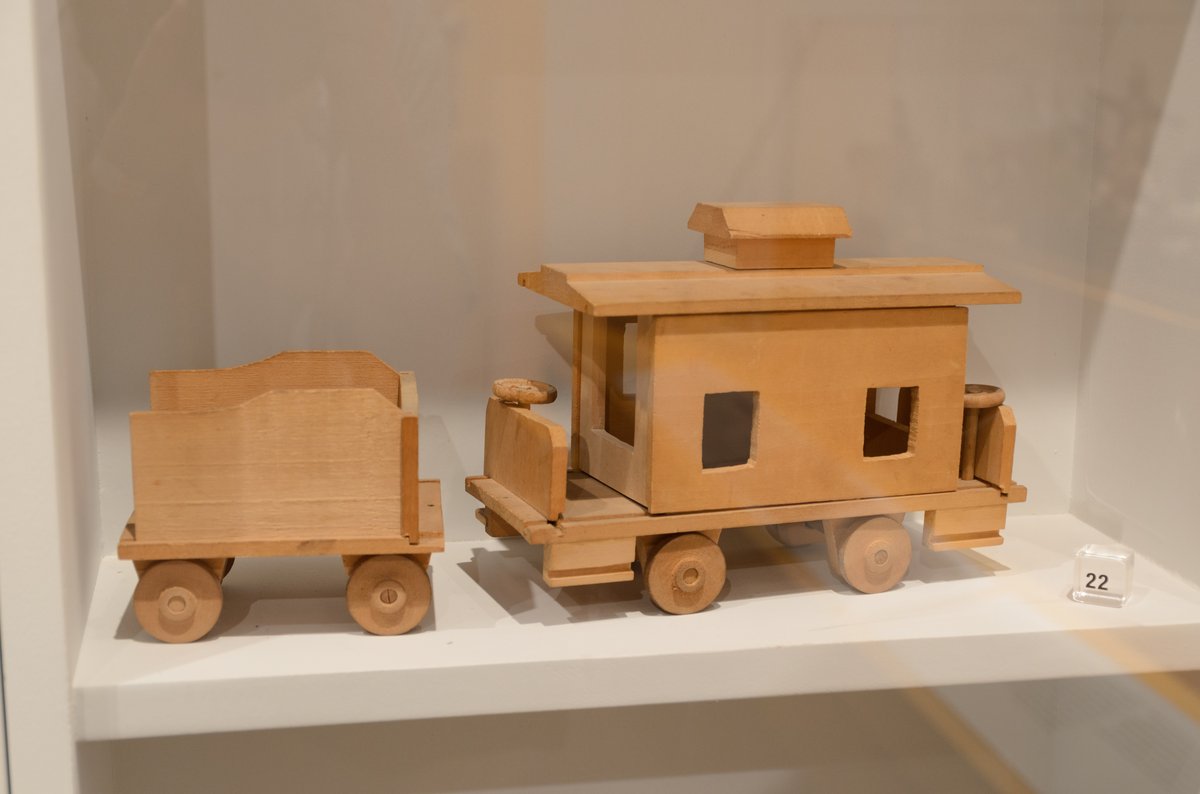
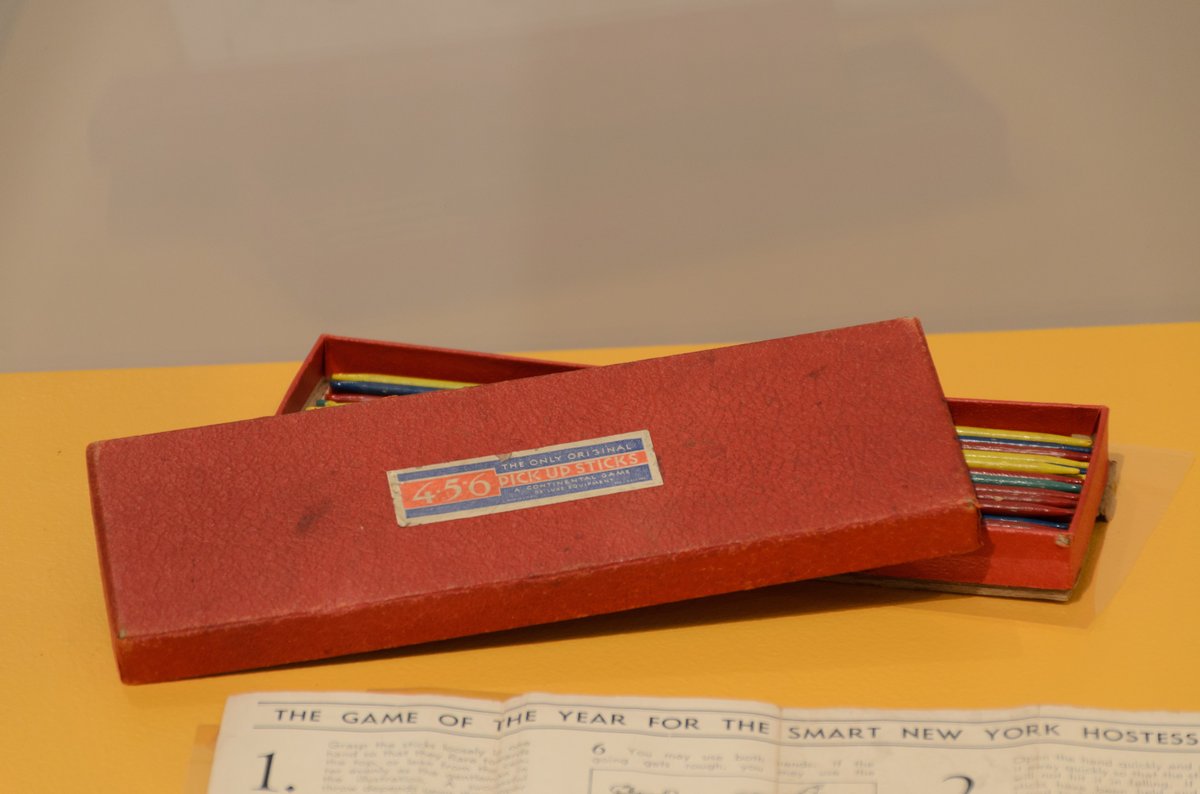
Throughout its history, the museum amassed over 130,000 artifacts, ranging from William Penn’s shaving bowl to everyday objects and significant civic memorabilia. Its education programs fostered civic pride, particularly among students, and highlighted the connections between Philadelphians’ lives and the city’s changing identity (Philadelphia Encyclopedia). By the 1970s, the museum’s exhibits addressed urban development, neighborhood histories, and the lives of underrepresented communities, reflecting a broad and inclusive approach to the city’s past.
Modernization and Rebranding
In 2010, the institution was rebranded as the Philadelphia History Museum at the Atwater Kent, accompanied by major renovations and modernization efforts. These included climate control upgrades and the integration of digital technologies for interactive and accessible exhibits (Uncovering PA). The newly designed galleries incorporated contemporary perspectives, enabling visitors to engage with Philadelphia’s history through a diverse lens and innovative displays (Philadelphia Encyclopedia).
Closure and Legacy
Despite its proximity to major historic sites, the museum struggled to match their attendance and funding. Financial and operational challenges led to its closure in 2018 (Philadelphia Encyclopedia). However, the museum’s collection remains a vital public asset, now cared for by Drexel University. Drexel’s stewardship has transformed the Atwater Kent Collection into a “museum without walls,” ensuring that Philadelphia’s stories remain accessible, both digitally and through collaborative exhibitions (Drexel University).
Visiting Today: Hours, Tickets, and Accessibility
Museum Building Status
As of 2025, the Philadelphia History Museum’s original building remains closed to the public. However, the Atwater Kent Collection continues to be accessible through special exhibitions, digital platforms, and partner institutions.
"Philadelphia Revealed: Unpacking the Attic" Exhibition
- Location Samuel M. V. Hamilton Building, 128 N. Broad Street, Philadelphia (PAFA)
- Dates July 18 – December 1, 2024
- Visiting Hours Thursday & Friday, 10 a.m. – 4 p.m.; Saturday & Sunday, 11 a.m. – 5 p.m.
- Admission Free for Drexel ID holders; free public admission on select dates (The Philadelphia Citizen; Drexel News)
- Accessibility Fully ADA accessible. Visit the PAFA website for current guidelines.
Tickets and Guided Tours
Admission is free on select public days and for Drexel affiliates. Reserve tickets in advance if possible, especially for guided tours and public programs, which enhance the visitor experience.
The Atwater Kent Collection and "Philadelphia Revealed" Exhibition
The Collection
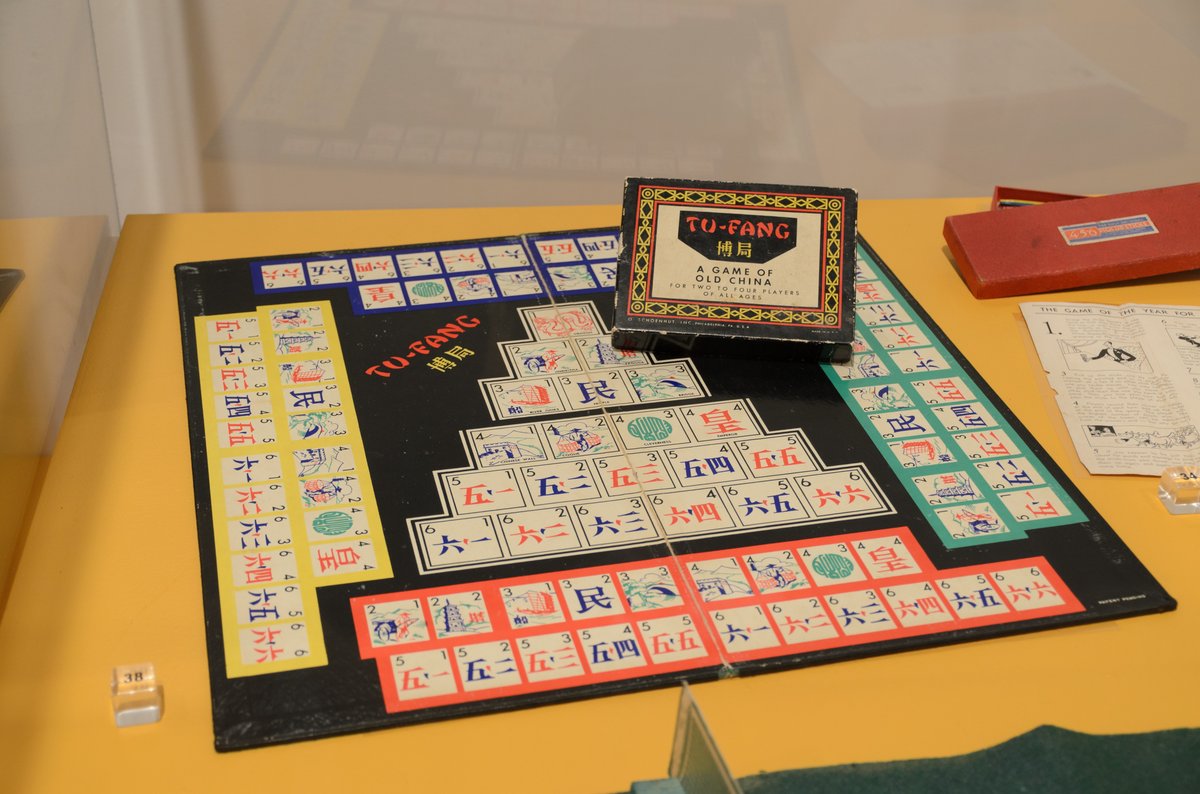
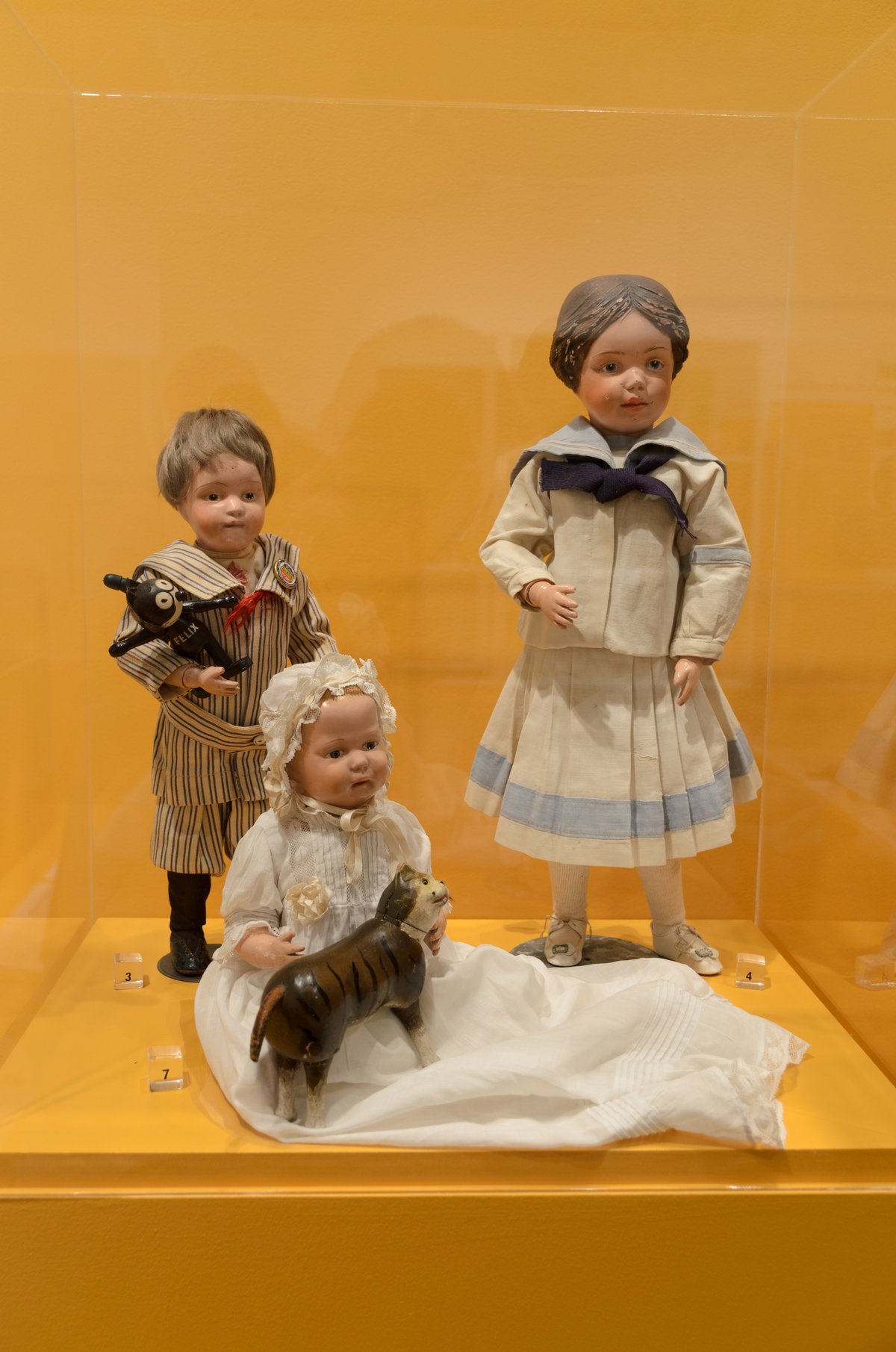
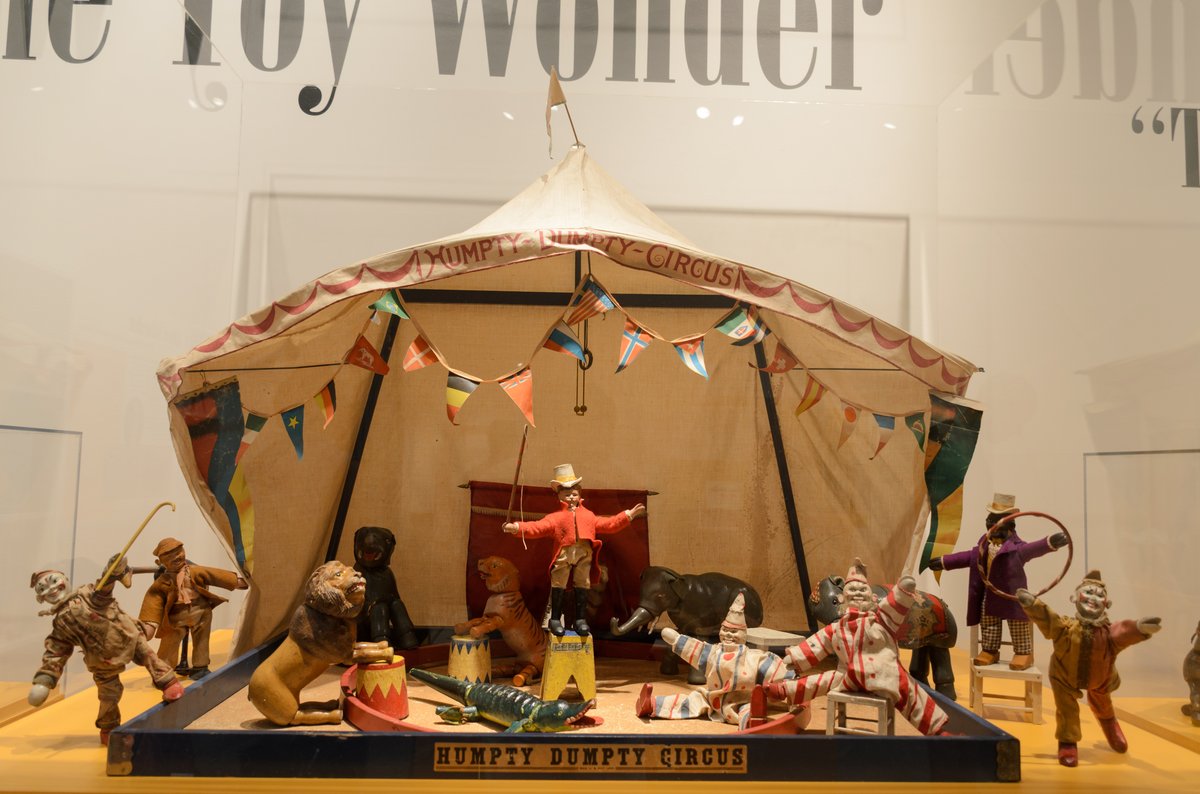
The Atwater Kent Collection—now one of the country’s most significant city history collections—comprises over 130,000 artifacts, artworks, documents, and ephemera (Drexel University). Highlights include:
- Native American and colonial artifacts, including a Lenni Lenape wampum belt
- Revolutionary War relics, industrial era memorabilia, and city infrastructure artifacts
- Civic, sports, and pop culture items, such as Joe Frazier’s boxing gloves
- Photographs, rare documents, and items representing Philadelphia’s diverse communities
Explore thousands of digitized objects via the online collection portal.
"Philadelphia Revealed: Unpacking the Attic"
This major exhibition at PAFA features over 650 artifacts spanning 350 years, with immersive digital interactives and opportunities for visitors to share their own stories (WHYY; The Philadelphia Citizen). Notable highlights include:
- Original street pavers and police mugshot books
- Abraham Lincoln’s hat, George Washington’s writing desk, and Benjamin Franklin’s glass
- Interactive 3D displays and digital diaries from the 1876 Centennial Exposition
The exhibition’s curatorial approach treats the collection as a community attic, inviting visitors to consider whose stories are represented and to contribute to a living archive (The Philadelphia Inquirer).
Visitor Experience and Travel Tips
- Plan Ahead Check Drexel University and PAFA websites for the latest updates on hours, tickets, and special events.
- Accessibility Exhibition venues are fully ADA accessible, with accommodations for visitors with disabilities.
- Public Transportation Use SEPTA’s Market-Frankford Line (5th Street or Broad Street stations) and nearby bus routes for convenient access.
- Parking Paid parking garages are available near PAFA and other exhibition sites; public transit or rideshare is recommended.
- Photography Photography is generally permitted (without flash or tripods). The neoclassical facade and select artifacts make excellent photo spots.
Nearby Attractions
Enhance your visit with these nearby Philadelphia historical sites:
- Independence Hall A UNESCO World Heritage site where the Declaration of Independence and Constitution were debated and adopted.
- Liberty Bell Center Home to the iconic symbol of American freedom.
- Museum of the American Revolution Immersive exhibits on the nation’s founding.
- African American Museum in Philadelphia Chronicling Black heritage and contributions.
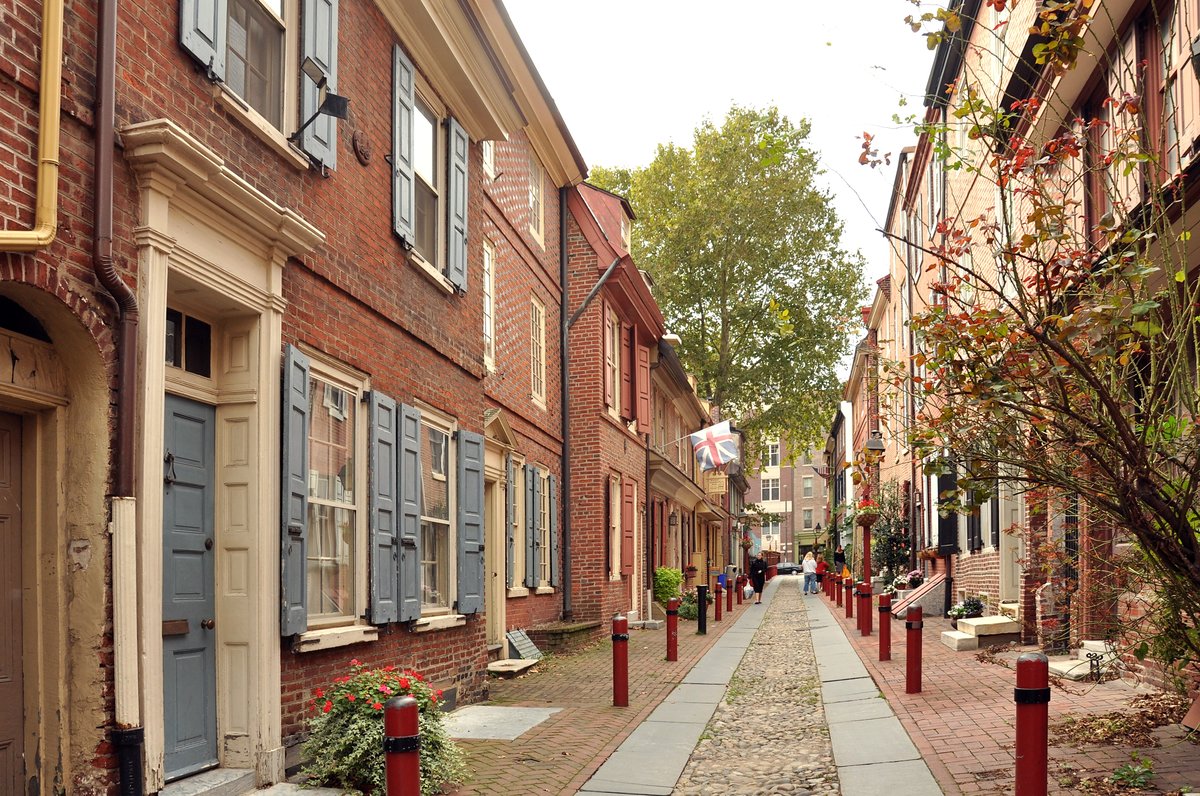
- Elfreth’s Alley The oldest continuously inhabited residential street in America.
Frequently Asked Questions (FAQ)
Q: Is the Philadelphia History Museum currently open?
A: The original museum building is closed as of 2018. The Atwater Kent Collection is accessible through special exhibitions such as "Philadelphia Revealed" and online.
Q: How do I visit the Atwater Kent Collection?
A: Attend exhibitions like "Philadelphia Revealed" at PAFA, or explore the collection online (Drexel University).
Q: Are guided tours available?
A: Yes, guided tours and public programs are offered during exhibitions. Check host institution websites for schedules.
Q: Is the exhibition venue accessible?
A: Yes, all exhibition venues are ADA accessible.
Q: What other historical sites can I visit nearby?
A: Independence Hall, the Liberty Bell Center, Museum of the American Revolution, and more are all within walking distance.