Plan and listen to Philadelphia City Hall with Audiala.
Audio guide in your pocket, itinerary in your browser. Built for the way you actually visit.
Introduction
Philadelphia City Hall stands as a monumental emblem of the city’s historical depth, architectural innovation, and ongoing civic vitality. Located at the original Centre Square, designed by William Penn in 1682, the building is a stunning example of Second Empire and French Renaissance styles. With its intricate masonry, over 250 sculptures by Alexander Milne Calder, and the iconic 37-foot bronze statue of William Penn crowning its 548-foot clock tower, City Hall is both the world’s largest free-standing masonry building and the largest municipal building in the United States by floor area. This guide provides an in-depth look at City Hall’s history, architecture, visitor information, and nearby attractions to ensure a memorable and informative visit. For the latest updates, consult the Philadelphia City Hall website and resources like Visit Philly.


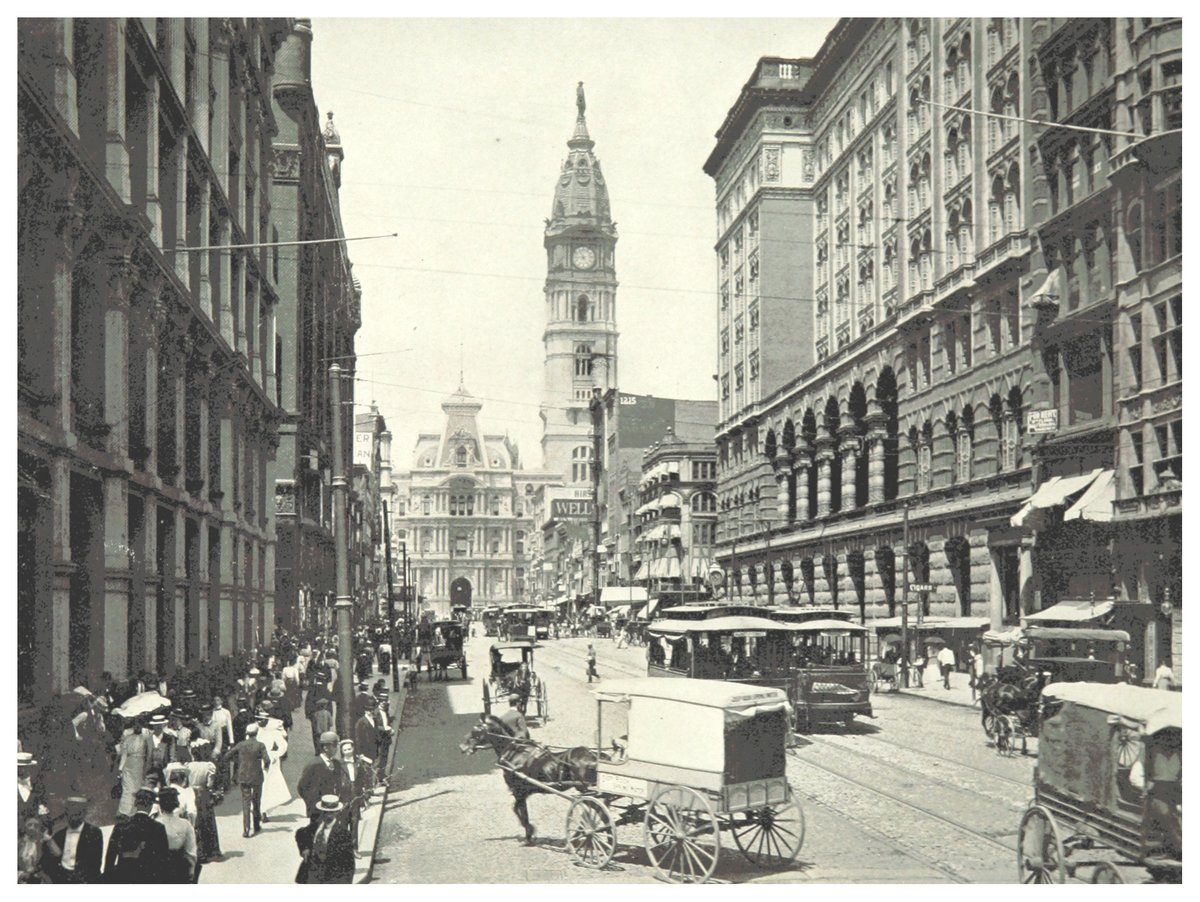
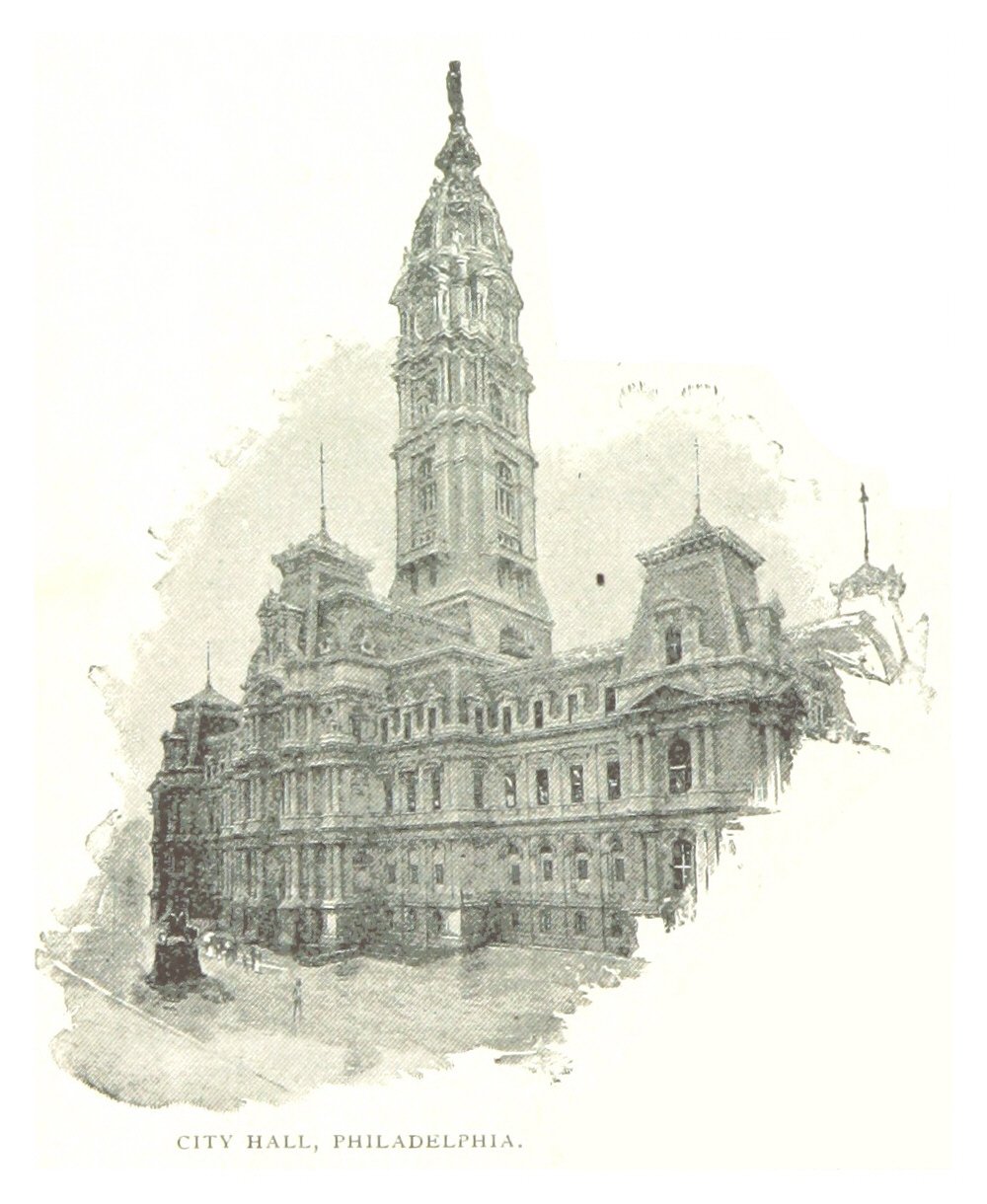
Welcome to Philadelphia City Hall: Ultimate Visitor Guide
At the heart of Pennsylvania’s largest city, Philadelphia City Hall is a must-see for history buffs, architecture enthusiasts, and all visitors seeking to experience one of America’s grandest civic buildings. This guide covers everything from visiting hours and ticketing to historical context and nearby attractions.
Historical Background
Origins and Site Selection
City Hall occupies what was originally Centre Square, chosen by William Penn in 1682 as the city’s geographic and civic center. In 1870, voters confirmed Penn Square as the site for the new city hall, symbolizing its central role in Philadelphia’s governance (Wikipedia).
Architectural Vision and Design
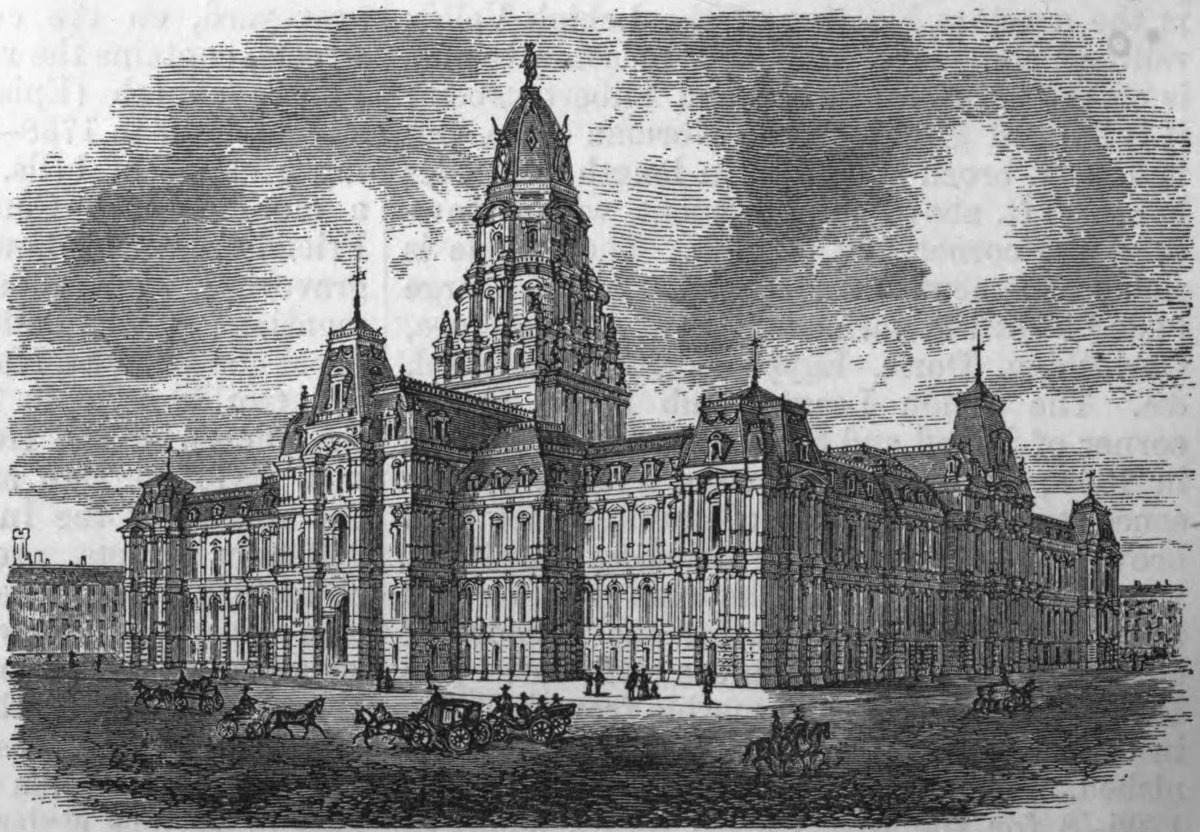
Designed by John McArthur Jr., with input from Thomas Ustick Walter, City Hall is a masterwork of the ornate Second Empire style, blended with French Renaissance influences. Constructed from white marble, granite, and limestone, its walls are up to 22 feet thick, supporting the building’s immense weight (Wikipedia).
Construction Timeline and Challenges
Built between 1871 and 1901, the project involved over 88 million bricks and vast amounts of marble and granite, resulting in nearly 700 rooms and over a million square feet of space. The building overcame significant engineering challenges and stands as the largest municipal building in the United States (ASCE).
Sculptural Program and Artistic Significance
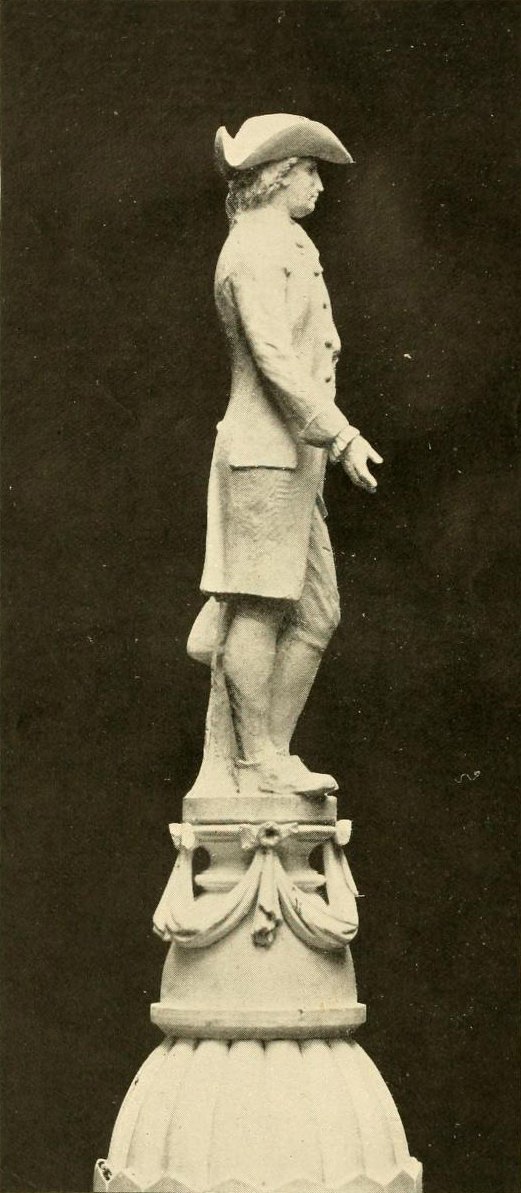
Alexander Milne Calder’s more than 250 sculptures, including the 37-foot William Penn statue atop the tower, are integral to the building's identity. These works represent American ideals and honor notable local figures (Wikipedia).
Engineering Feats and Record-Setting Heights
City Hall was the tallest habitable building in the world from 1894 to 1908, at 548 feet, and was constructed entirely of masonry, without a steel frame (ASCE). For many years, an informal agreement ensured no Philadelphia building surpassed the height of William Penn’s statue.
Civic Role and Governmental Functions
Today, City Hall houses the Mayor's office, City Council chambers, and several courts, including divisions of the Court of Common Pleas and the Supreme Court of Pennsylvania (Wikipedia).
Restoration and Preservation Efforts
Major restoration between 1992 and 2007 preserved City Hall’s structural and artistic integrity, with ongoing projects such as installing ornamental gates based on original designs (Wikipedia).
Recognition and Landmark Status
City Hall is a National Historic Landmark (since 1976) and a National Historic Civil Engineering Landmark (since 2006), and is ranked 21st on the American Institute of Architects’ list of favorite U.S. structures (Wikipedia).
Architecture Highlights
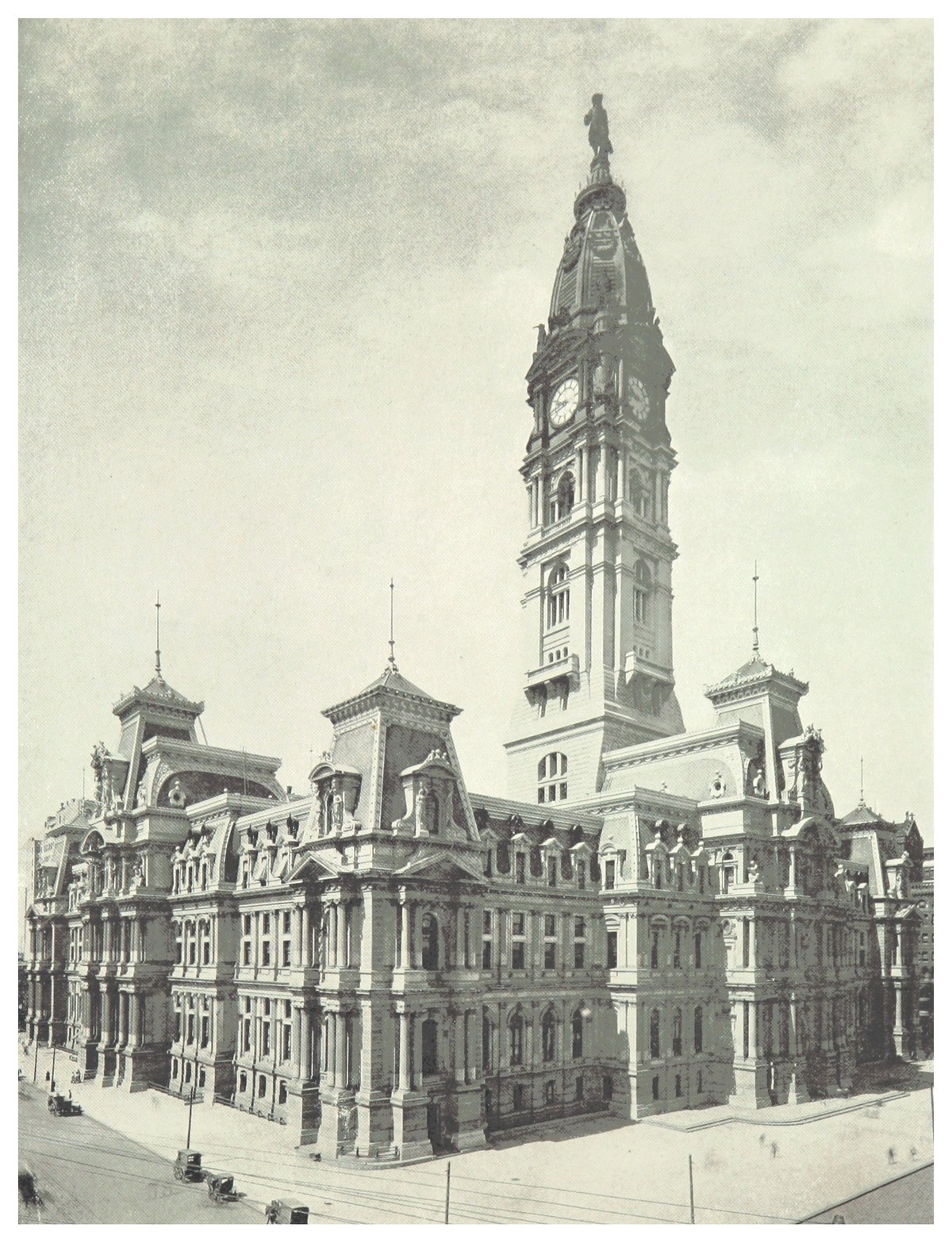
Philadelphia City Hall blends the ornate grandeur of the Second Empire style with French Renaissance elements. Its mansard roofs, elaborate ornamentation, dramatic central tower, arched windows, and intricate stonework reflect the ambitions of a city poised for greatness at the turn of the 20th century (tripjive.com; bestattractions.org).
Masonry Construction and Materials
As the world’s largest free-standing masonry building, City Hall was built without a steel frame, relying on brick, marble, and limestone for support (lonelyplanet.com). Its facades are adorned with carved figures, cornices, and balustrades, narrating Philadelphia’s history (tripjive.com).
The Tower and William Penn Statue
The central tower rises to 548 feet, making City Hall the tallest habitable masonry building of its time and the fifth tallest clock tower in the world (bestattractions.org). Atop the tower, Calder’s 37-foot, 27-ton bronze statue of William Penn is the largest atop any building worldwide (tripjive.com).
Calder’s Sculptural Legacy
Calder’s 250+ sculptures, integrated into the building’s exterior and interior, depict allegorical figures, historical personalities, and ideals like justice and industry (bestattractions.org). Notable are statues of Native Americans, settlers, and laborers, reflecting Philadelphia’s diversity.
Interior Grandeur
The building’s interior—featuring grand staircases, marble corridors, vaulted ceilings, and period furnishings—houses all branches of city government. A time capsule beneath the cornerstone and numerous historical plaques connect visitors with the city’s past (tripjive.com).
The Clock Tower and Observation Deck
Four massive clock faces crown the central tower, and the observation deck, accessible by guided tour, offers sweeping city views from nearly 500 feet above street level (discoverphl.com).
Visiting Philadelphia City Hall: Essential Information
Visiting Hours
- General Hours: Monday to Friday, 9:00 AM – 5:00 PM
- Observation Deck Tours: Monday to Friday, 10:00 AM – 4:00 PM (last tour at 3:30 PM)
- Closed: Weekends and major holidays
Hours may vary during holidays or special events. Always confirm by checking the official website.
Tickets and Admission
- Public Areas: Free admission
- Observation Deck & Guided Tours: Tickets required, $10–$15 for adults; discounts for seniors, students, and children
- Booking: Purchase online in advance or at the Visitor Center
Guided Tours
Tours (about 45–60 minutes) cover the building’s history, architecture, and art, and typically include the observation deck.
Accessibility
- Building: Wheelchair accessible, with ramps and elevators
- Observation Deck: Elevator access, but limited capacity and not fully wheelchair accessible; contact Visitor Center for accommodations (phlvisitorcenter.com)
Travel Tips
- Arrive early to avoid crowds
- Wear comfortable footwear
- Photography allowed (no flash or drones)
- Use public transit (SEPTA) or nearby parking garages
Nearby Attractions
- Dilworth Park: Vibrant public space with seasonal events
- Pennsylvania Academy of the Fine Arts: Historic art museum
- Reading Terminal Market: Renowned indoor market
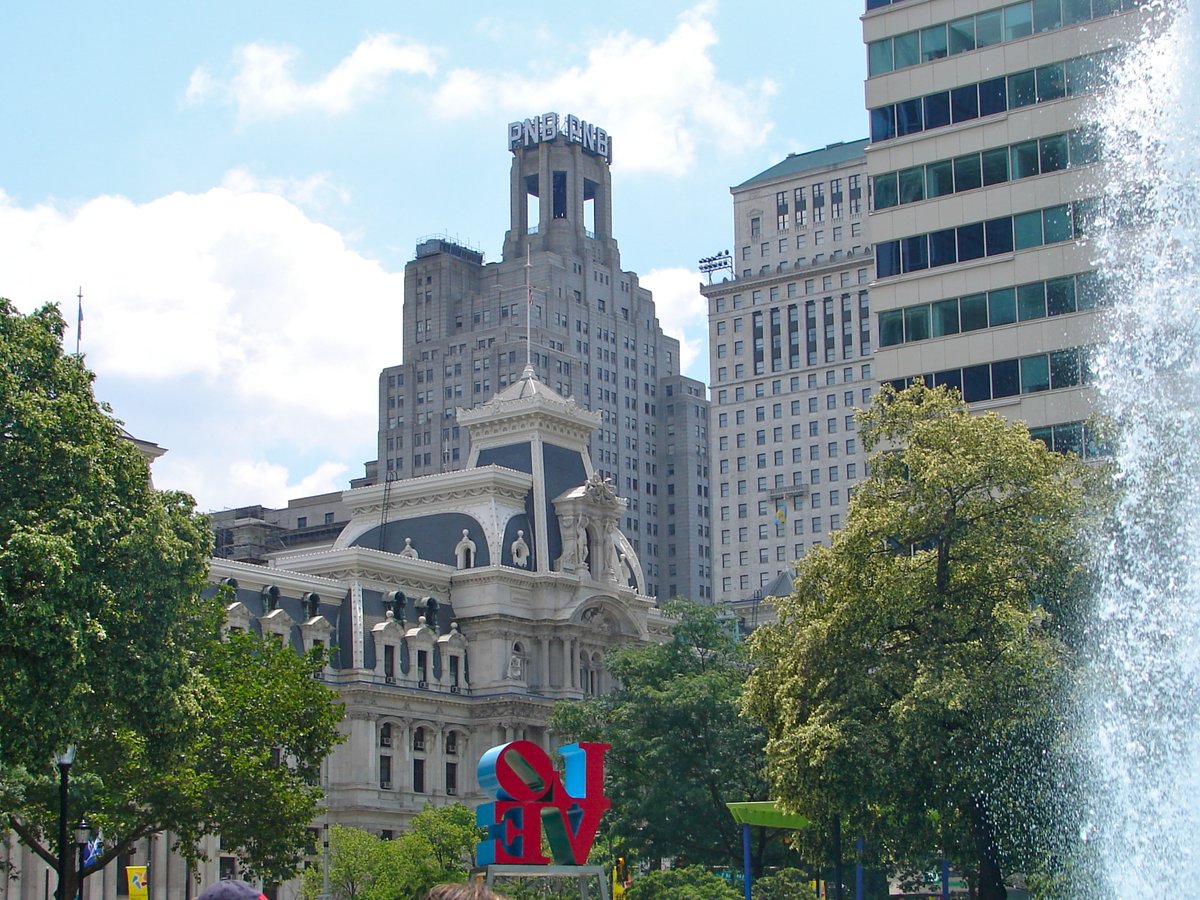
- LOVE Park: Iconic photo spot
Special Events
City Hall and Dilworth Park host art installations, concerts, festivals, and seasonal markets. Check the Dilworth Park events calendar for upcoming activities.
Civic Symbolism and Cultural Legacy
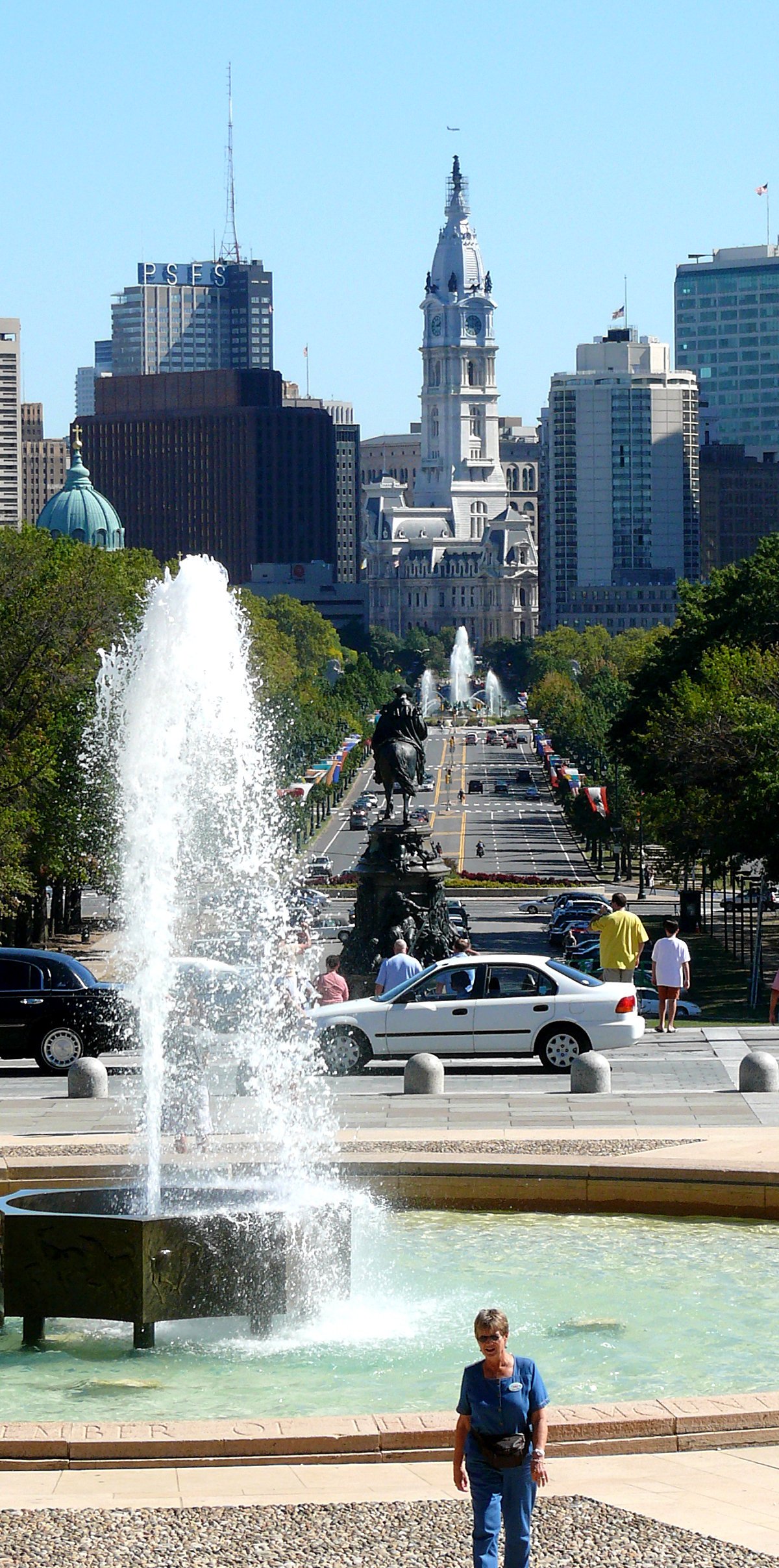
City Hall divides Philadelphia into quadrants and serves as the city’s civic compass (Visit Philly). The building hosts mayoral inaugurations, city council debates, and public demonstrations. Dilworth Park, adjacent to City Hall, is a lively hub for concerts, festivals, markets, and public art, reinforcing City Hall’s role as a community anchor (palights.com).
Artistic Significance
The building’s 250 Calder sculptures and the William Penn statue are defining features of Philadelphia’s skyline (Visit Philly). The Mayor’s Reception Room and City Council Caucus Room are historic spaces adorned with portraits and art (orphiladelphia.com).
Iconic Status in Popular Culture
City Hall has appeared in films like "Rocky" and "Transformers: Revenge of the Fallen" (destinationlesstravel.com). The building’s height was unparalleled until 1986, when One Liberty Place was built, ending the tradition of no building surpassing William Penn’s statue and giving rise to the "Curse of Billy Penn" legend (destinationlesstravel.com).
Planning Your Visit: Hours, Tickets, and Accessibility
- Address: 1400 John F. Kennedy Boulevard
- Public Transit: SEPTA City Hall Station (subway, regional rail, bus)
- Parking: Several nearby garages; public transit recommended
- Visitor Center: Free maps, brochures, ticket sales, accessible restrooms, and storage
- Security: Expect screening upon entry
Practical Visitor Tips
- Best Times: Spring and fall for pleasant weather and lighter crowds; weekday mornings or late afternoons for quieter tours
- What to Bring: Photo ID, comfortable shoes, camera, weather-appropriate clothing
- Plan Ahead: Reserve tickets, especially during peak seasons; group and school tours require advance booking
- Self-Guided Tours: Association for Public Art offers sculpture tours (Visit Philly)
Frequently Asked Questions (FAQ)
Q: What are Philadelphia City Hall’s visiting hours?
A: Monday to Friday, 9:00 AM–5:00 PM; observation deck tours run 10:00 AM–4:00 PM.
Q: How do I buy tickets?
A: Purchase online or at the Visitor Center inside City Hall.
Q: Is City Hall wheelchair accessible?
A: Public areas are accessible; observation deck access is limited. Contact the Visitor Center for details.
Q: Is photography allowed?
A: Yes, in most public areas; flash and drones are prohibited.
Q: Are there parking options?
A: Yes, nearby garages; public transit is recommended.
Q: What attractions are nearby?
A: Dilworth Park, LOVE Park, Reading Terminal Market, Pennsylvania Academy of the Fine Arts, Independence National Historical Park.
Summary and Visitor Tips
Philadelphia City Hall is a testament to the city’s architectural ambition, historical depth, and civic spirit. Its ornate Second Empire style, pioneering masonry, and Calder’s sculptures create a unique cultural experience. Guided tours, the observation deck, and seasonal events allow visitors to engage with Philadelphia’s heritage. For a smooth visit, check current hours, reserve tickets, and explore the vibrant neighborhood surrounding City Hall. Preservation efforts ensure this landmark remains a centerpiece for generations.
For up-to-date information, use the Philadelphia City Hall website and the Audiala app for guided tours and event notifications. Whether drawn by history, architecture, or community events, City Hall offers a multifaceted experience reflecting Philadelphia’s enduring pride and culture (Visit Philly).
Tickets & tours.
These are guided options from our partners — same price as booking direct.
Prices are indicative — final pricing and availability are confirmed at checkout. Audiala may earn a commission from bookings made through these links.
Listen to the full story in the app
The whole Philadelphia City Hall,
told well.
Audio guides for 1,100+ cities across 96 countries. History, stories, and local insight — offline ready.
Verified, and shown.
Researched and written by the Audiala editorial team from historical records, architectural archives, and local expertise.
Researched from Wikidata, Wikipedia & official sources · fact-checked · How we make our guides →