
What Philadelphia City Hall Is
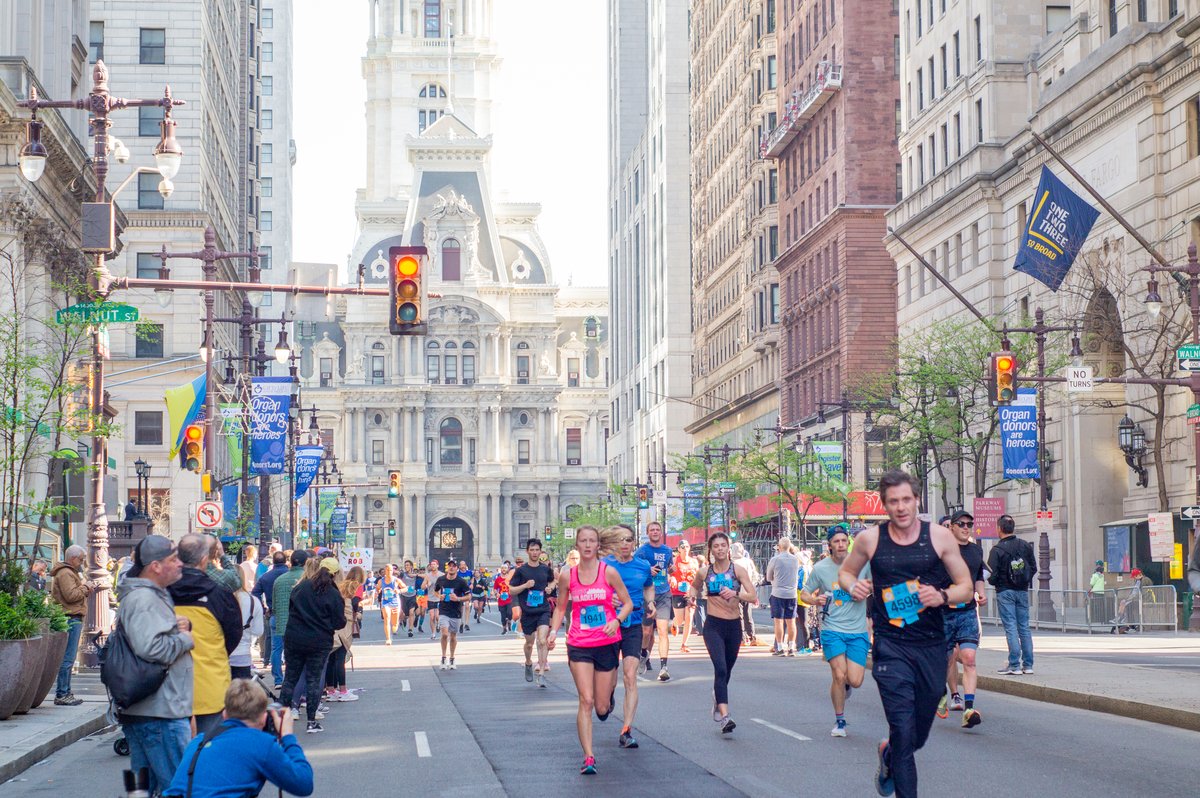
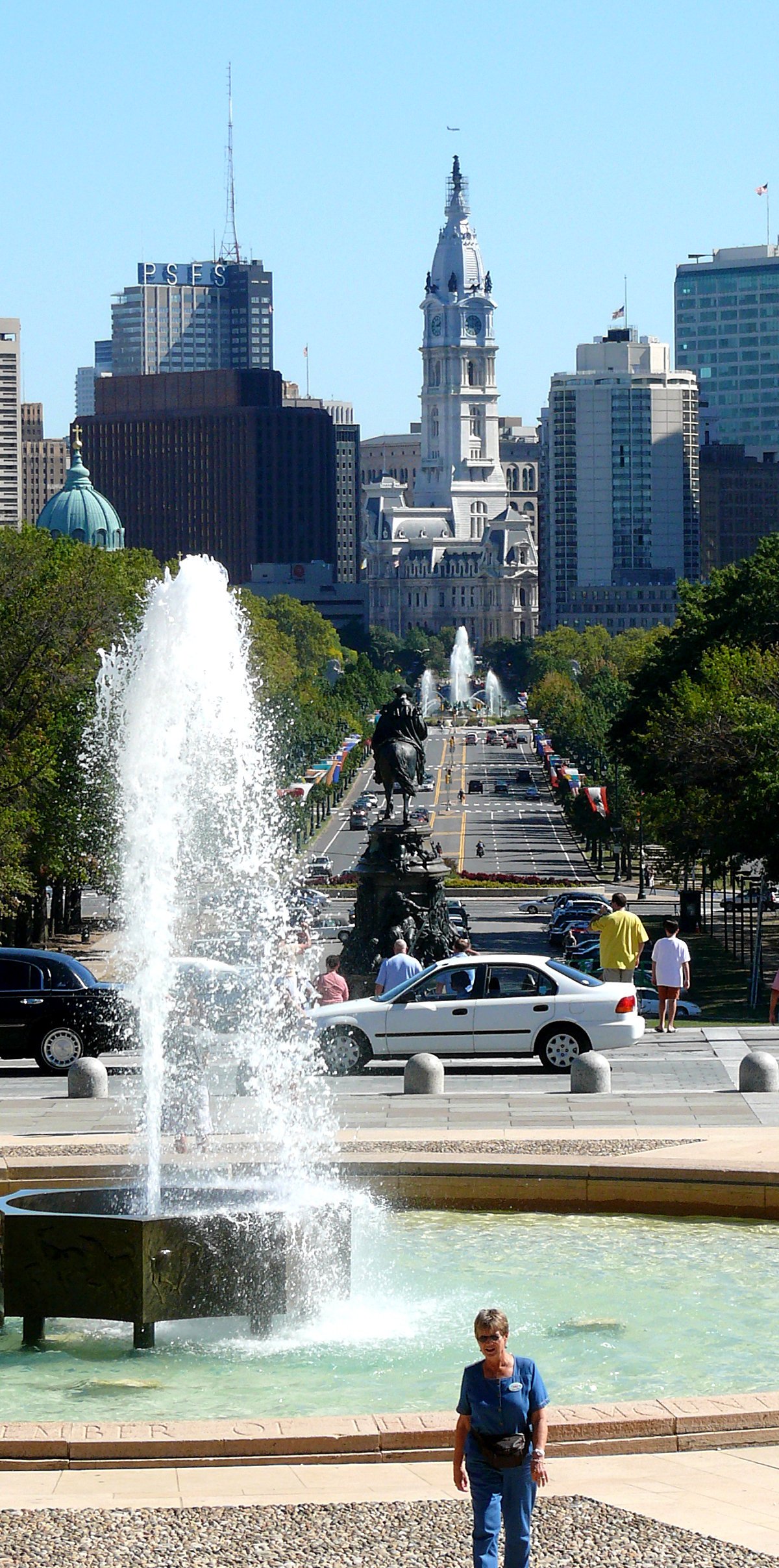
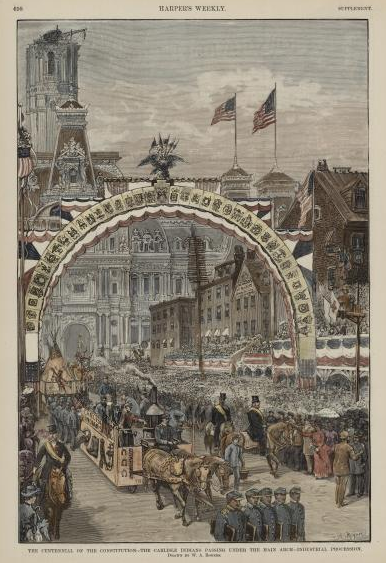
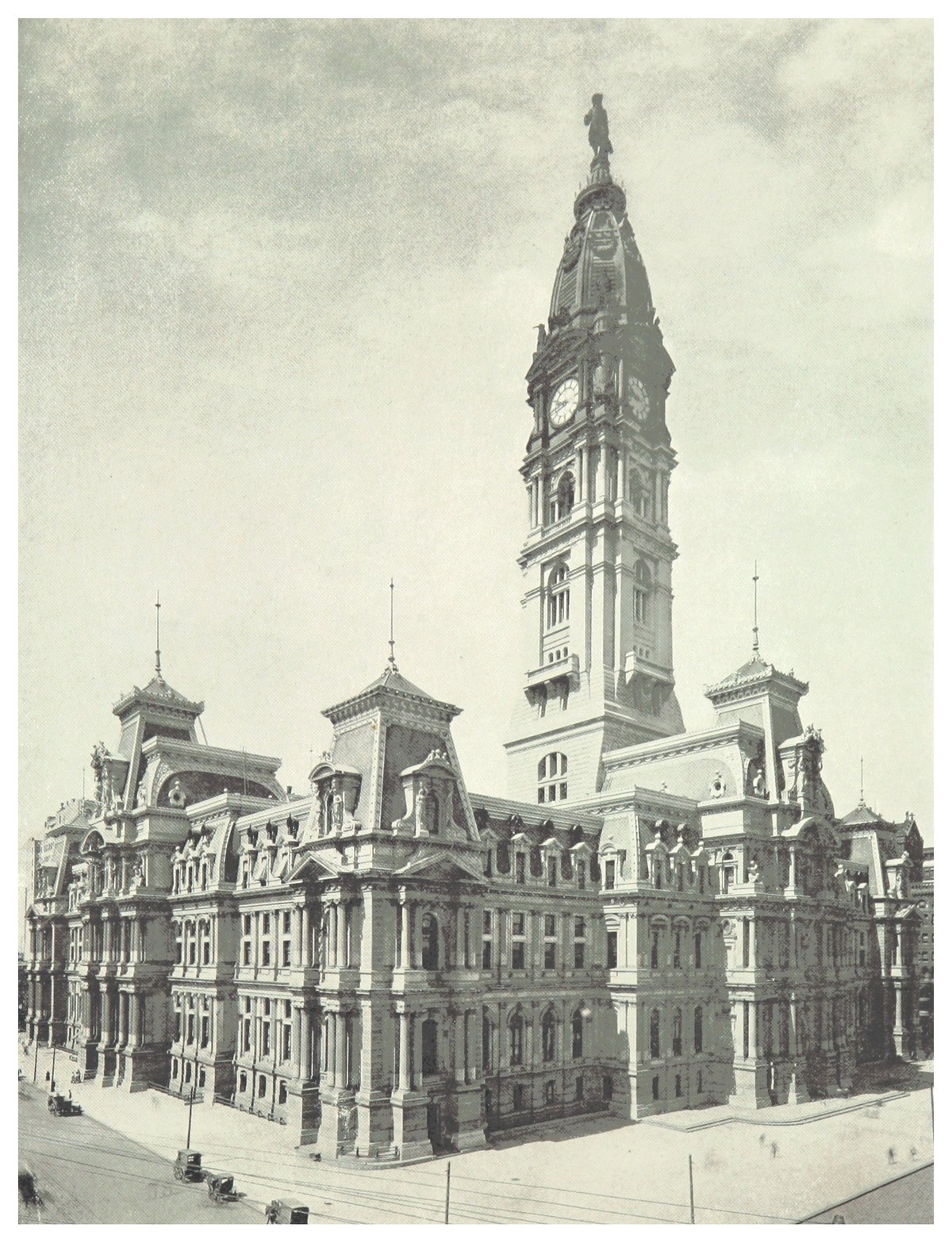
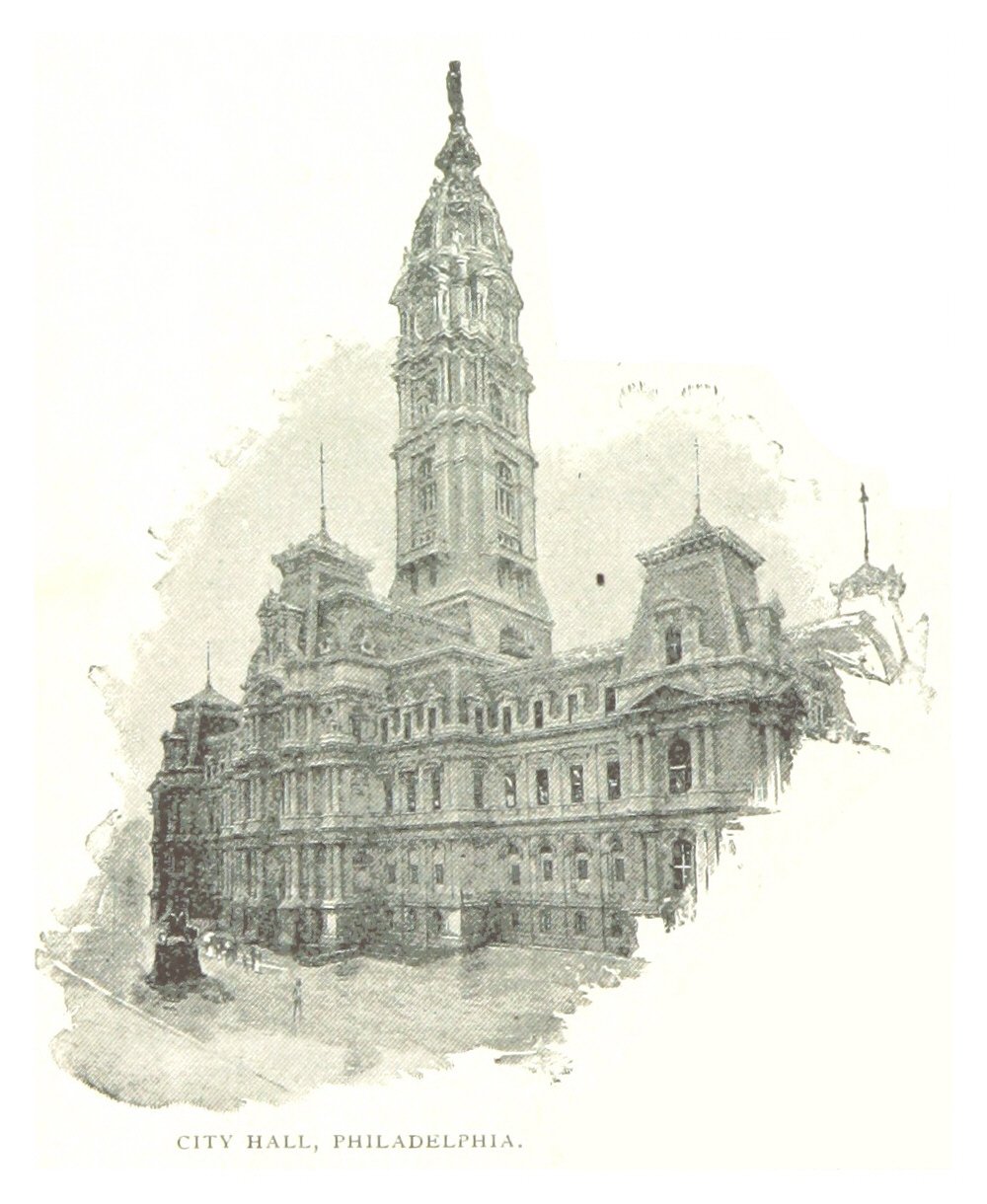
Philadelphia City Hall stands at the original Centre Square, selected by William Penn in 1682 as the city’s geographic and civic center. It is a monumental civic building known for its Second Empire and French Renaissance design, intricate masonry, more than 250 sculptures by Alexander Milne Calder, and the 37-foot bronze statue of William Penn atop its 548-foot clock tower.
City Hall is the world’s largest free-standing masonry building and the largest municipal building in the United States by floor area. It also serves as Philadelphia’s civic compass, dividing the city into quadrants. For updates, consult the Philadelphia City Hall website and Visit Philly.
History
Origins and construction
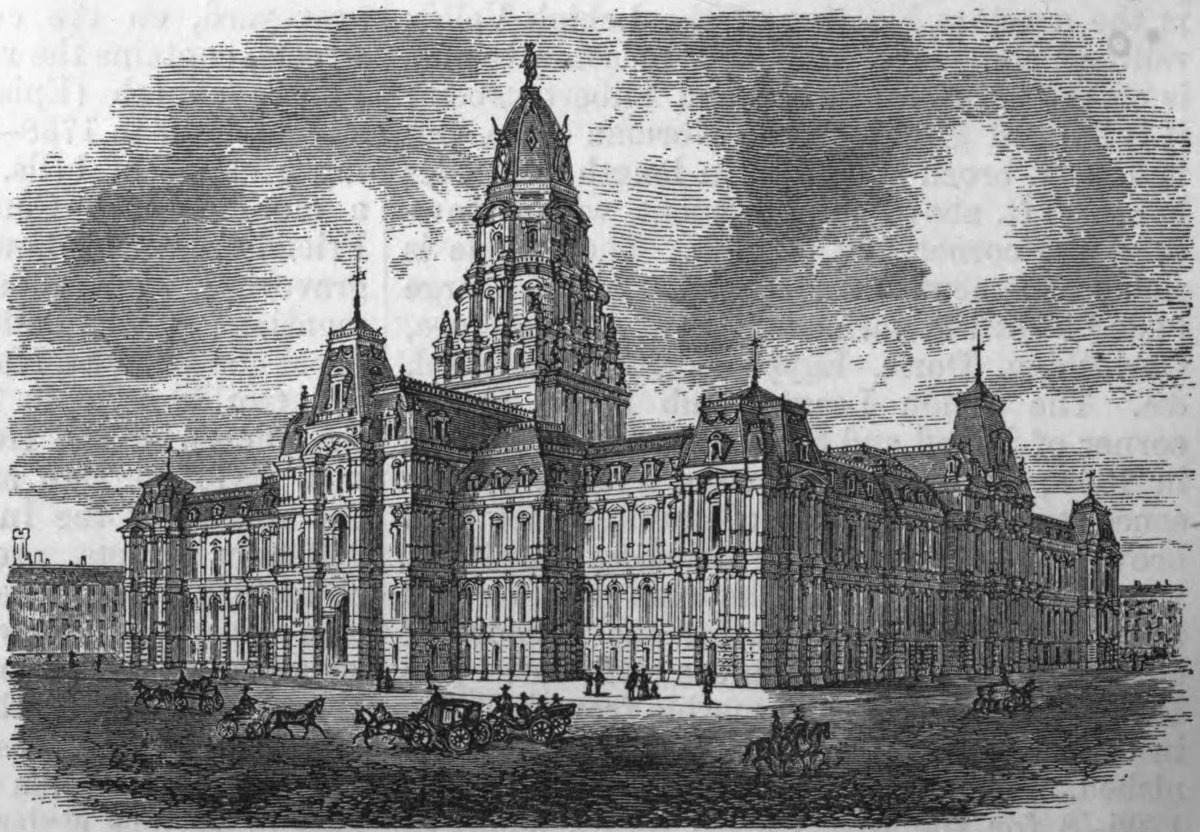
In 1870, voters confirmed Penn Square as the site for the new City Hall, continuing the site’s role as Philadelphia’s civic center (Wikipedia). Designed by John McArthur Jr., with input from Thomas Ustick Walter, the building blends the ornate Second Empire style with French Renaissance influences.
Construction took place between 1871 and 1901. The project used more than 88 million bricks, along with marble and granite, and produced a building with nearly 700 rooms and over a million square feet of space. Its walls are up to 22 feet thick. Built without a steel frame, City Hall relies on its masonry for support (ASCE).
Civic role and preservation
City Hall houses the Mayor’s office, City Council chambers, and several courts, including divisions of the Court of Common Pleas and the Supreme Court of Pennsylvania (Wikipedia). It hosts mayoral inaugurations, City Council debates, and public demonstrations.
Major restoration work from 1992 to 2007 helped preserve the building’s structural and artistic integrity. Ongoing projects have included installing ornamental gates based on original designs (Wikipedia).
City Hall has been a National Historic Landmark since 1976 and a National Historic Civil Engineering Landmark since 2006. It ranks 21st on the American Institute of Architects’ list of favorite U.S. structures.
Height and cultural legacy
At 548 feet, City Hall was the tallest habitable building in the world from 1894 to 1908. It was constructed entirely of masonry, without a steel frame (ASCE). For many years, an informal agreement ensured that no Philadelphia building surpassed the height of William Penn’s statue. That tradition ended when One Liberty Place was built in 1986, giving rise to the “Curse of Billy Penn” legend (destinationlesstravel.com).
City Hall has also appeared in films including “Rocky” and “Transformers: Revenge of the Fallen” (destinationlesstravel.com).
What to See
Architecture and masonry
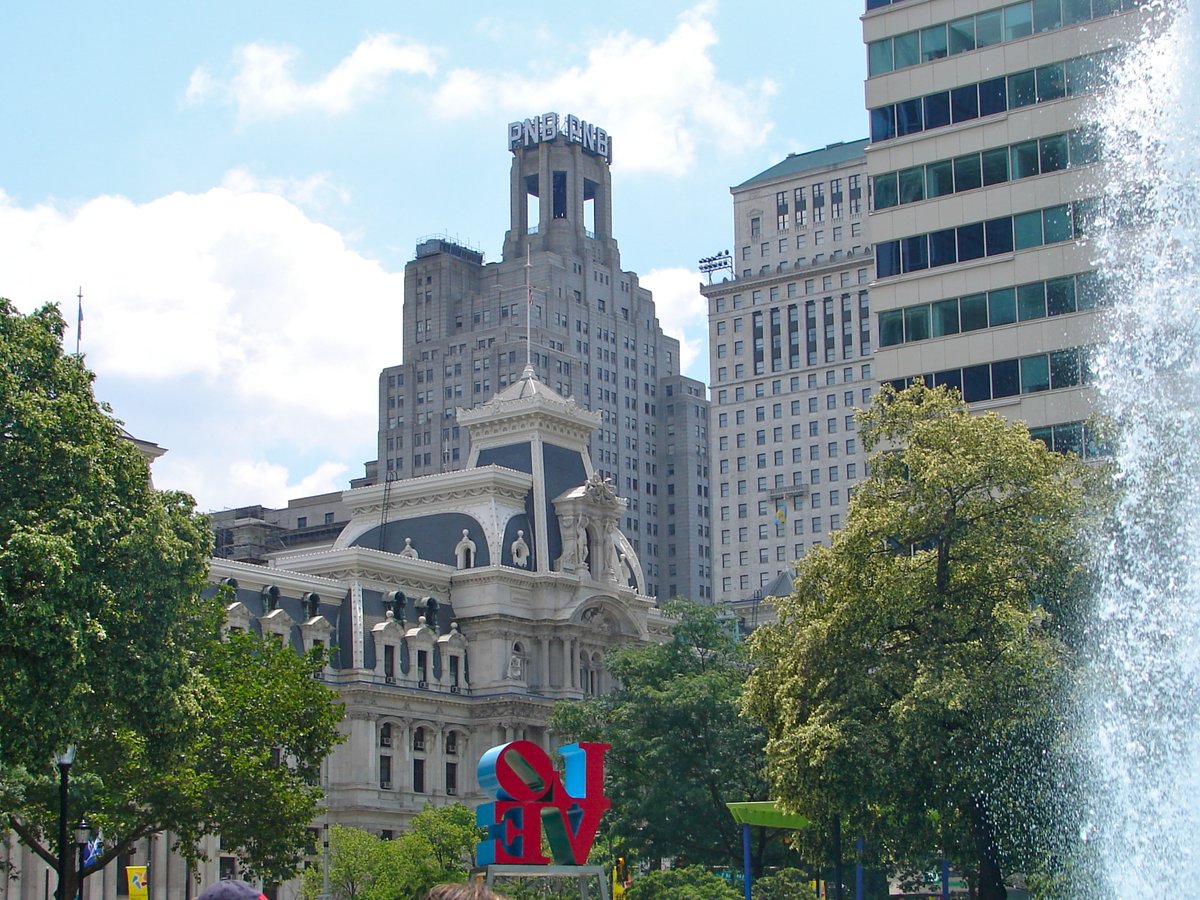
Mansard roofs, elaborate ornamentation, arched windows, a dramatic central tower, and intricate stonework define City Hall’s Second Empire and French Renaissance appearance (tripjive.com; bestattractions.org). Built from white marble, granite, limestone, and brick, the building’s facades feature carved figures, cornices, and balustrades that narrate Philadelphia’s history (lonelyplanet.com; tripjive.com).
The tower and William Penn statue
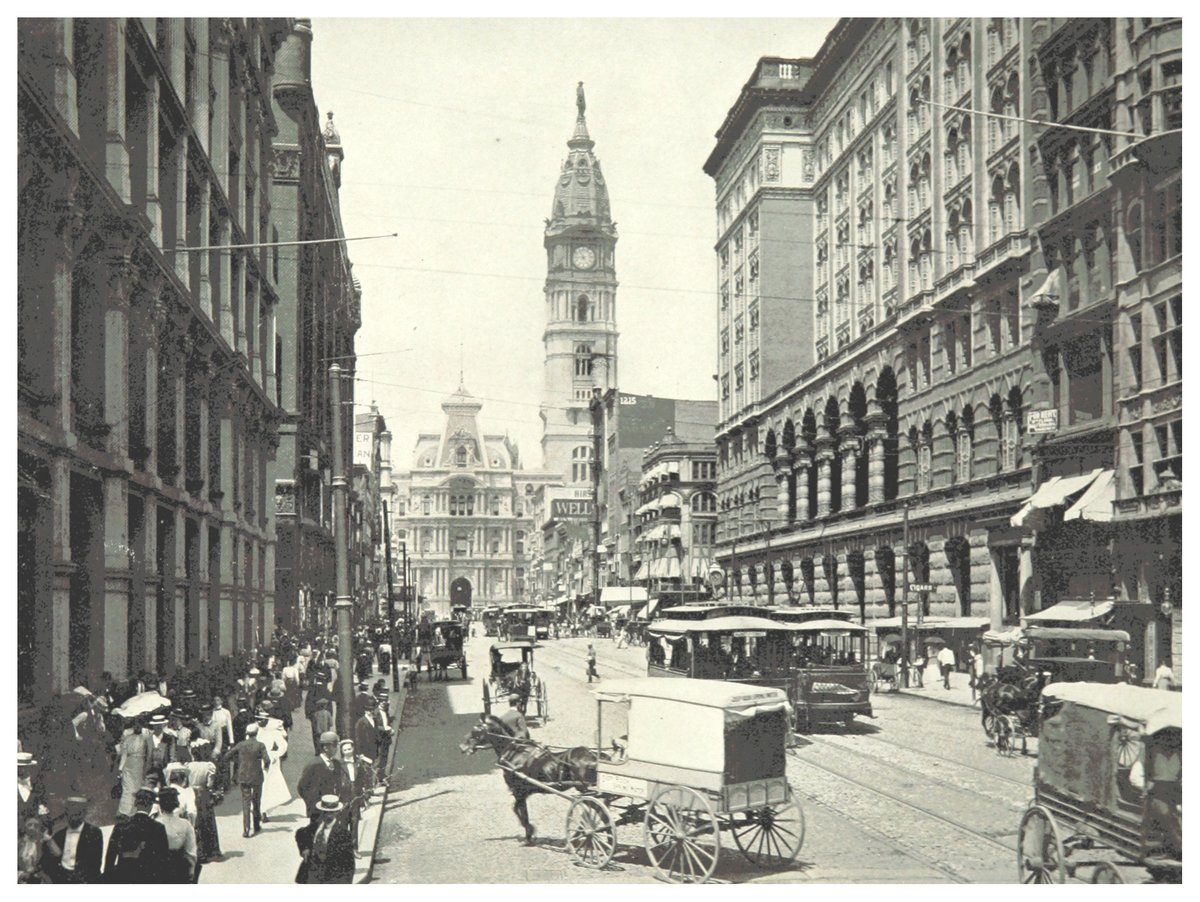
The central tower reaches 548 feet and was the tallest habitable masonry building of its time. It is also the fifth tallest clock tower in the world (bestattractions.org). Four large clock faces crown the tower.
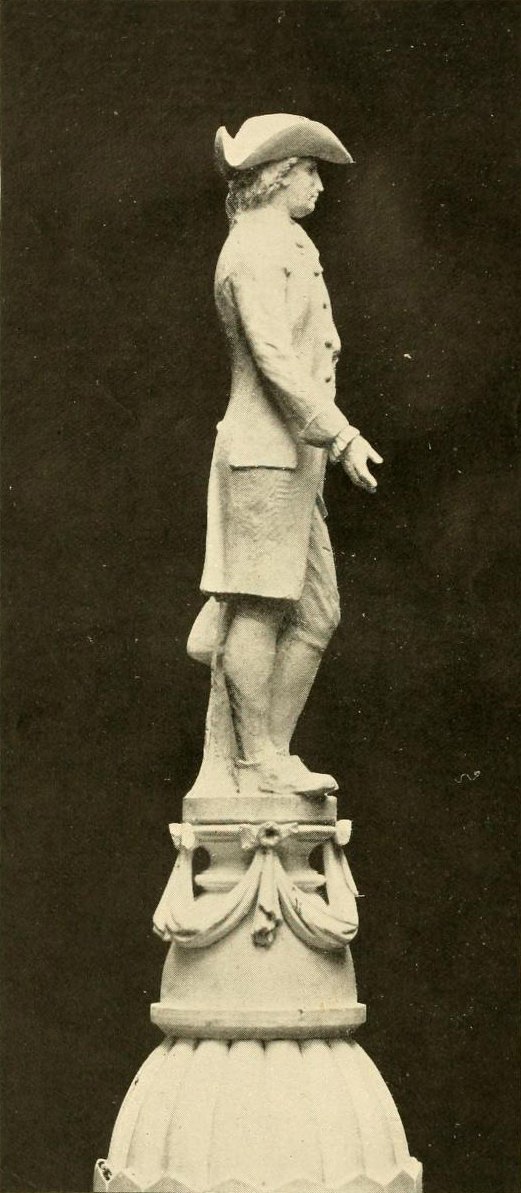
Alexander Milne Calder’s 37-foot, 27-ton bronze statue of William Penn stands at its summit. It is the largest statue atop any building worldwide (tripjive.com).
Calder’s sculptures and the interior
Calder’s more than 250 sculptures appear throughout the building’s exterior and interior. They depict allegorical figures, historical personalities, and ideals such as justice and industry. Figures of Native Americans, settlers, and laborers reflect Philadelphia’s diversity (bestattractions.org). The sculptures and William Penn statue are defining features of the city’s skyline (Visit Philly).
Inside, grand staircases, marble corridors, vaulted ceilings, and period furnishings complement historic plaques and a time capsule beneath the cornerstone (tripjive.com). The Mayor’s Reception Room and City Council Caucus Room are historic spaces decorated with portraits and art (orphiladelphia.com).
Observation deck and public spaces
The observation deck is accessible by guided tour and offers city views from nearly 500 feet above street level (discoverphl.com).
Adjacent Dilworth Park is a community gathering place for concerts, festivals, markets, and public art. City Hall and the park host art installations, concerts, festivals, and seasonal markets (palights.com).
Visiting Information
Hours and admission
- City Hall Monday to Friday, 9:00 AM–5:00 PM
- Observation deck tours Monday to Friday, 10:00 AM–4:00 PM; last tour at 3:30 PM
- Closed Weekends and major holidays
Hours may vary during holidays or special events. Check the official website for updates.
Public areas are free to visit. Observation deck and guided-tour tickets are required and cost $10–$15 for adults, with discounts for seniors, students, and children. Tickets can be purchased online in advance or at the Visitor Center.
Tours and accessibility
Tours last about 45–60 minutes, cover the building’s history, architecture, and art, and typically include the observation deck.
The building is wheelchair accessible, with ramps and elevators. The observation deck has elevator access but limited capacity and is not fully wheelchair accessible. Contact the Visitor Center about accommodations (phlvisitorcenter.com).
The Visitor Center offers free maps and brochures, ticket sales, accessible restrooms, and storage. Expect security screening upon entry. Virtual tours and interactive maps are available on the official website.
Address and transport
- Address 1400 John F. Kennedy Boulevard
- Public transit SEPTA City Hall Station, served by subway, regional rail, and bus
- Parking Several nearby garages
Tips
Arrive early to avoid crowds. Weekday mornings or late afternoons can be quieter for tours. Spring and fall are noted as times for pleasant weather and lighter crowds.
Wear comfortable footwear and bring a photo ID, camera, and weather-appropriate clothing. Photography is allowed in most public areas; flash and drones are prohibited. Reserve tickets ahead of time, especially during peak seasons. Group and school tours require advance booking.
The Association for Public Art offers self-guided sculpture tours (Visit Philly). The Audiala app is also noted as a resource for guided tours and event notifications.
Nearby Places
Nearby attractions include:
- Dilworth Park Public space with seasonal events.
- Pennsylvania Academy of the Fine Arts Historic art museum.
- Reading Terminal Market Indoor market.
- LOVE Park Photo spot.
- Independence National Historical Park.
Frequently Asked Questions (FAQ)
What are Philadelphia City Hall’s visiting hours?
City Hall is open Monday to Friday, 9:00 AM–5:00 PM. Observation deck tours run 10:00 AM–4:00 PM, with the last tour at 3:30 PM.
How do I buy tickets?
Purchase tickets online or at the Visitor Center inside City Hall.
Is City Hall wheelchair accessible?
Public areas are accessible. Observation deck access is limited; contact the Visitor Center for details.
Is photography allowed?
Yes, in most public areas. Flash and drones are prohibited.
Are there parking options?
There are nearby garages; public transit is recommended.
What attractions are nearby?
Dilworth Park, LOVE Park, Reading Terminal Market, the Pennsylvania Academy of the Fine Arts, and Independence National Historical Park.