
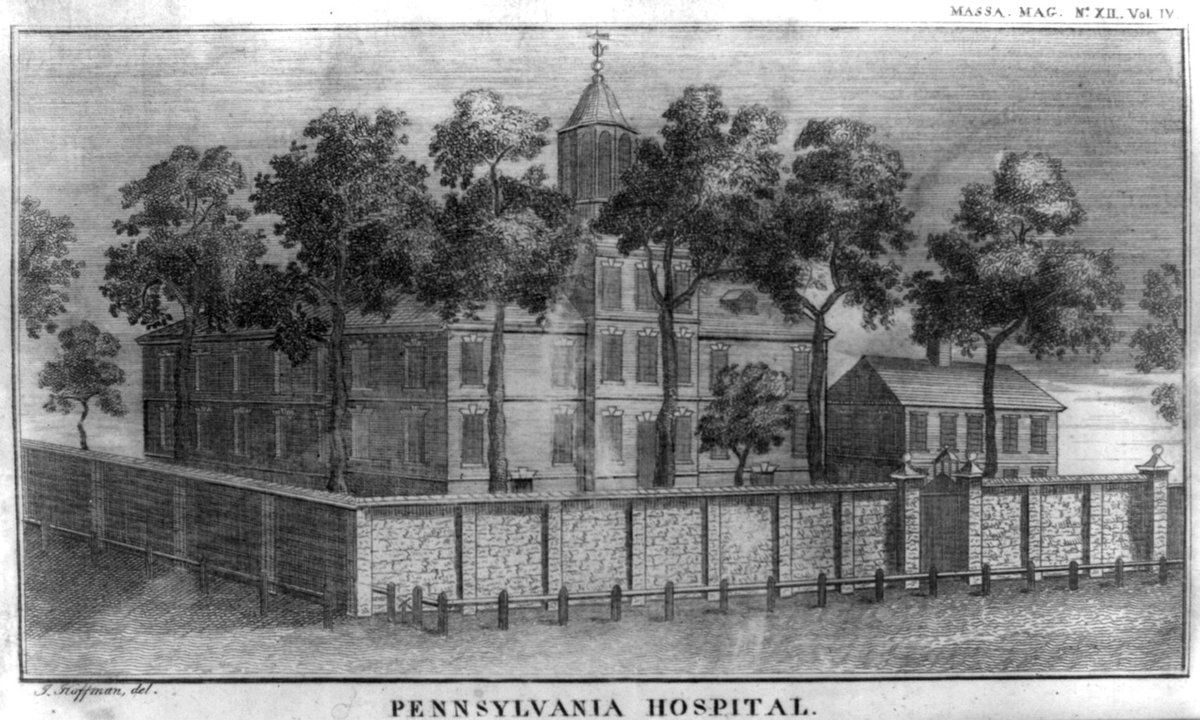
Discover Pennsylvania Hospital: Philadelphia’s Oldest Medical Landmark
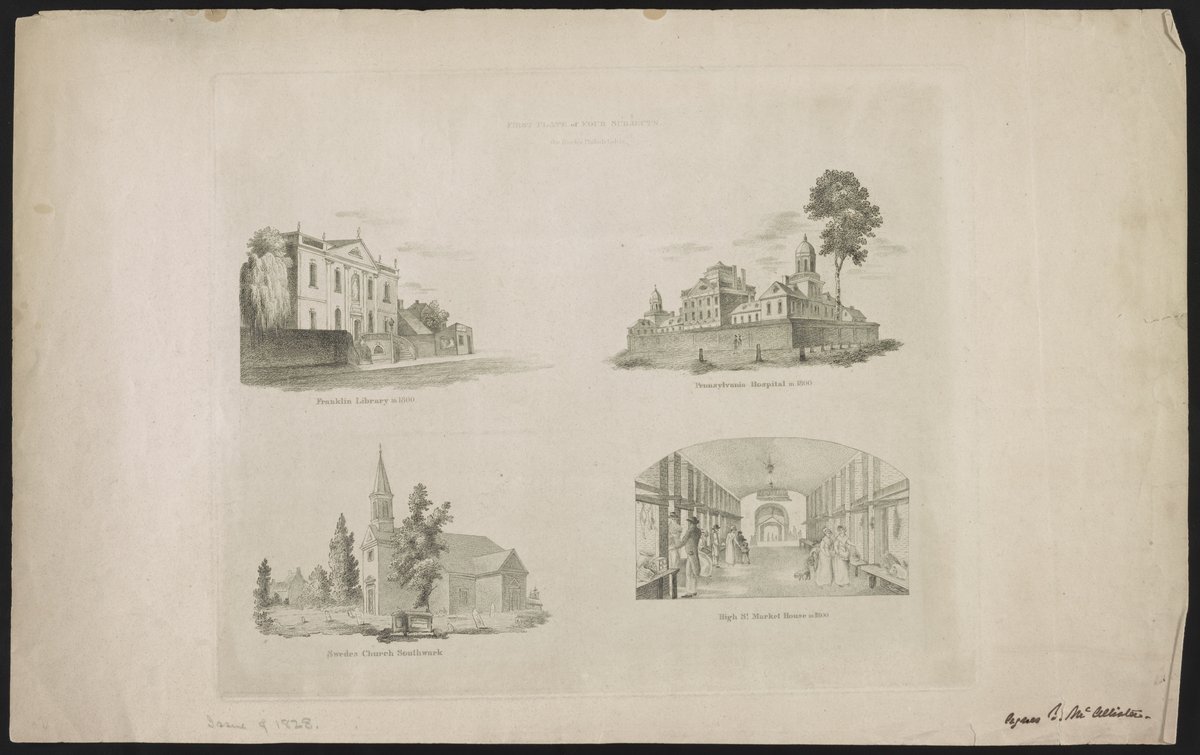
Founded in 1751, Pennsylvania Hospital was established to provide care for the sick and indigent—a groundbreaking concept in colonial America. It quickly became the nation’s first organized healthcare facility, introducing innovations in surgery, mental health treatment, and medical education. Its original buildings, including the Pine Building and the surgical amphitheater, remain testaments to its pivotal role in American medicine.
Visitor Experience: Key Details
- Location 800 Spruce Street, Philadelphia, PA 19107
- Visiting Hours Tours are available Wednesday through Saturday, 10:00 AM to 4:00 PM (advance booking recommended).
- Tickets Admission is free; donations are appreciated.
- Guided Tours Led by expert guides, tours cover the hospital’s founding, architecture, medical innovations, and the Physic Garden.
- Accessibility Wheelchair accessible; advance notice for specific accommodations is encouraged.
Planning Your Visit
Location and Access
Situated in Center City’s historic district, Pennsylvania Hospital is easily accessible via SEPTA buses and subway lines. Parking garages are available nearby, although public transportation is encouraged due to central city congestion (Wikipedia, UPenn Visitors).
Visiting Hours and Tour Availability
Guided tours are typically offered Monday through Friday, 10:00 AM to 3:00 PM, and must be booked in advance. The Physic Garden is open to the public during daylight hours (Penn Libraries).
Tickets and Tour Options
- Admission Free for individuals and families; donations support preservation.
- Guided Tours Suggested donation of $4 per person. Tours include the Pine Building, surgical amphitheater, and select exhibits. Self-guided options are available during open hours (PocketSights).
- Group Visits Must be arranged in advance; customized tours for schools or organizations are available (Penn Medicine Tours).
Key Attractions and Highlights
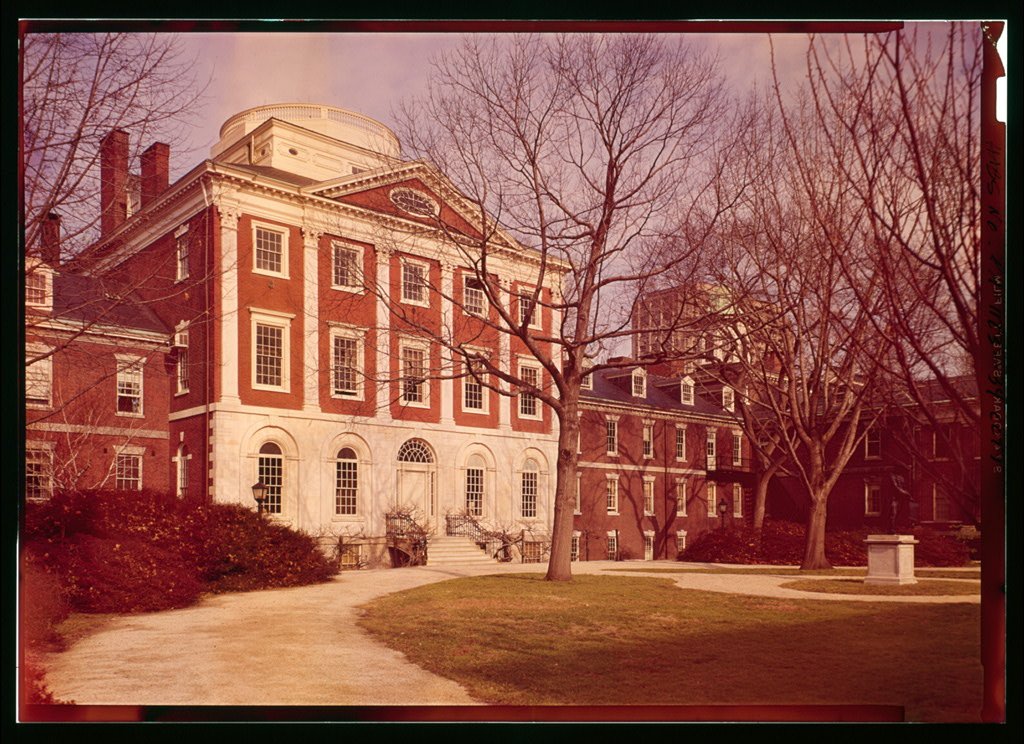
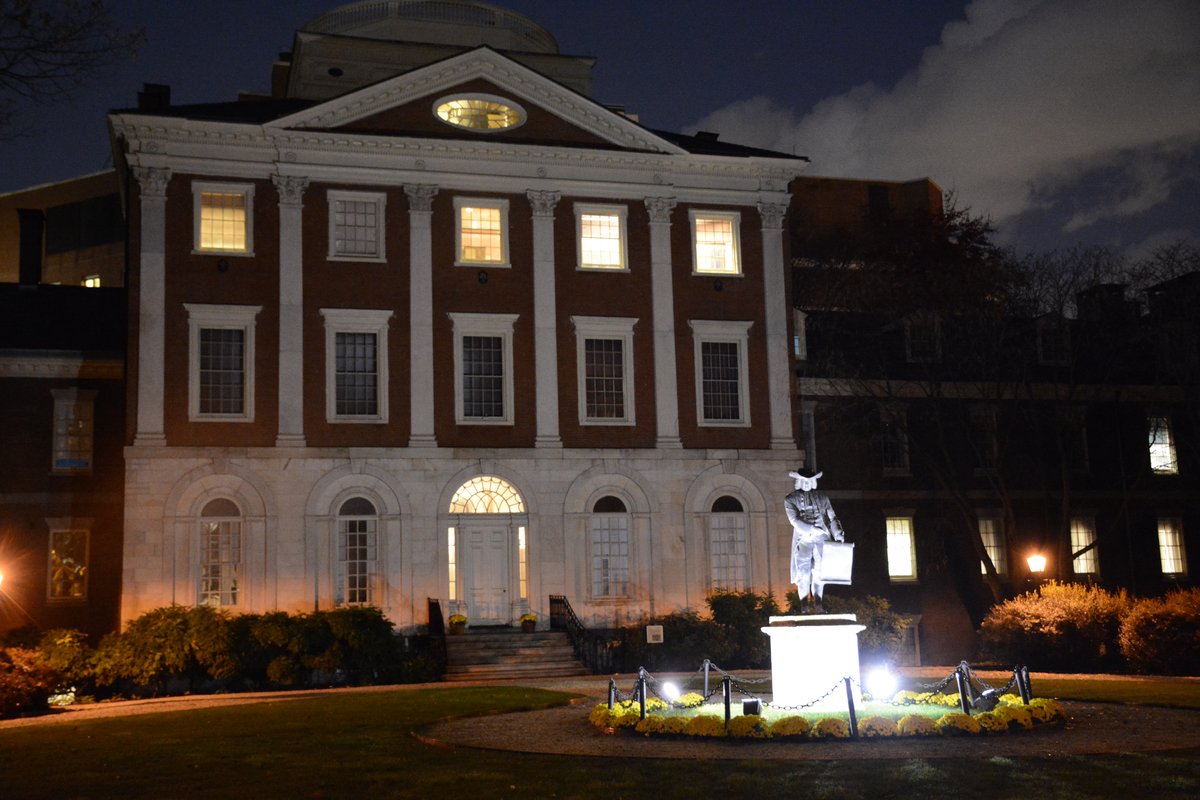
The Pine Building
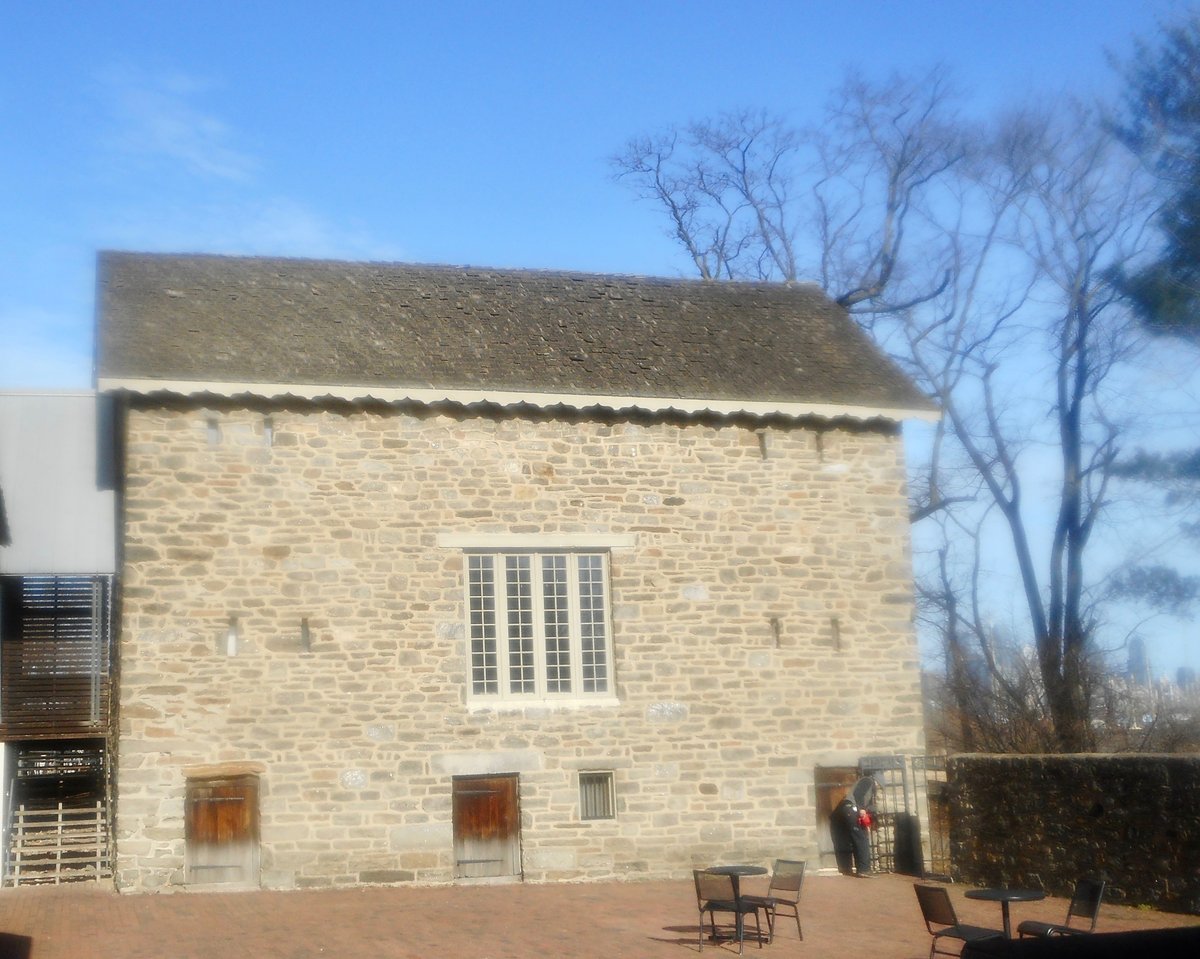
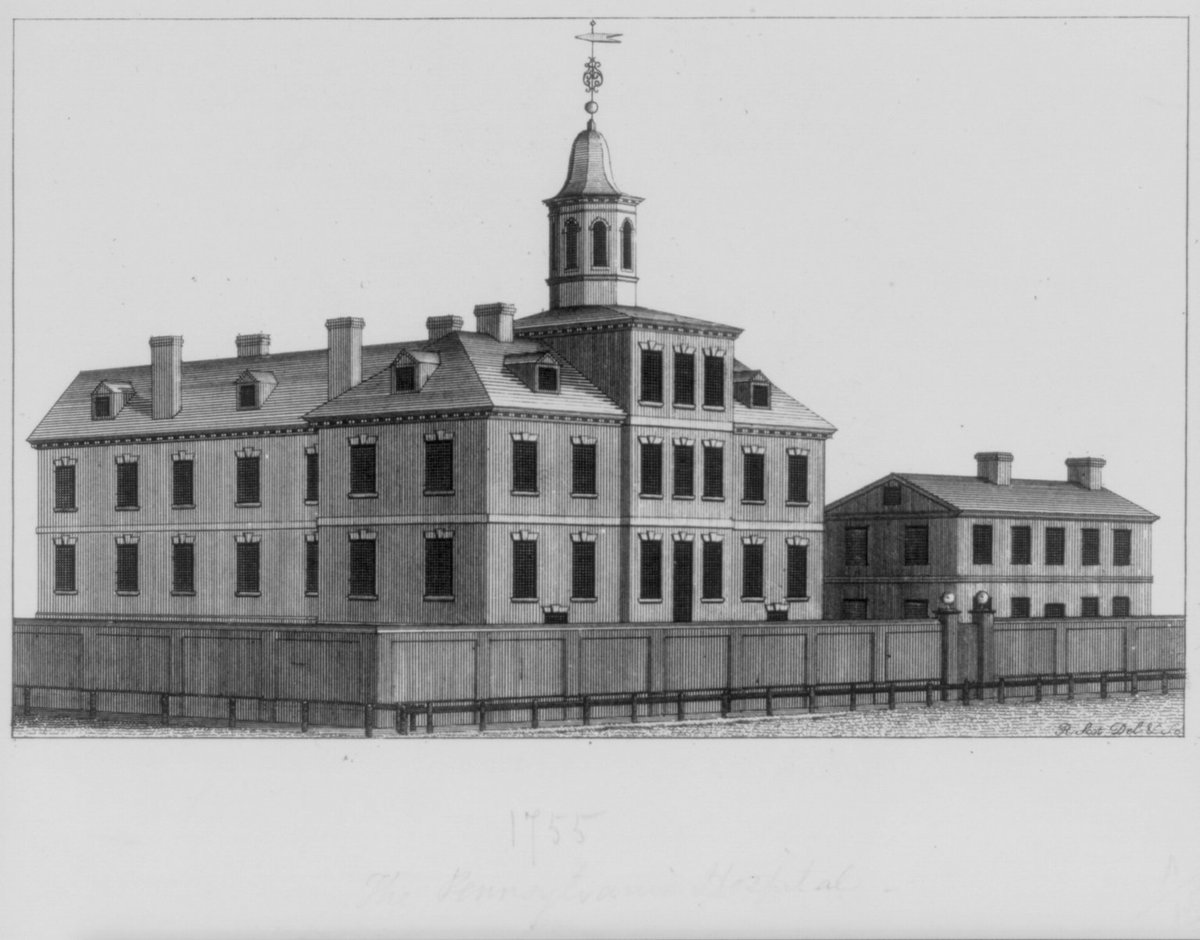
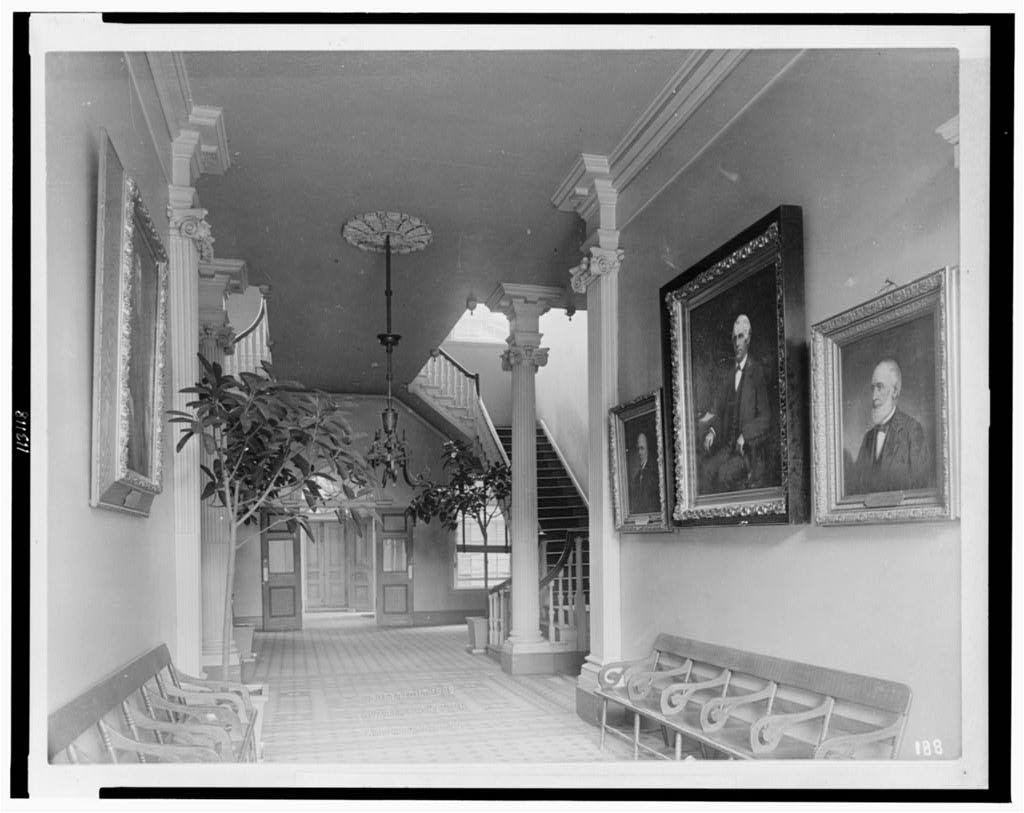
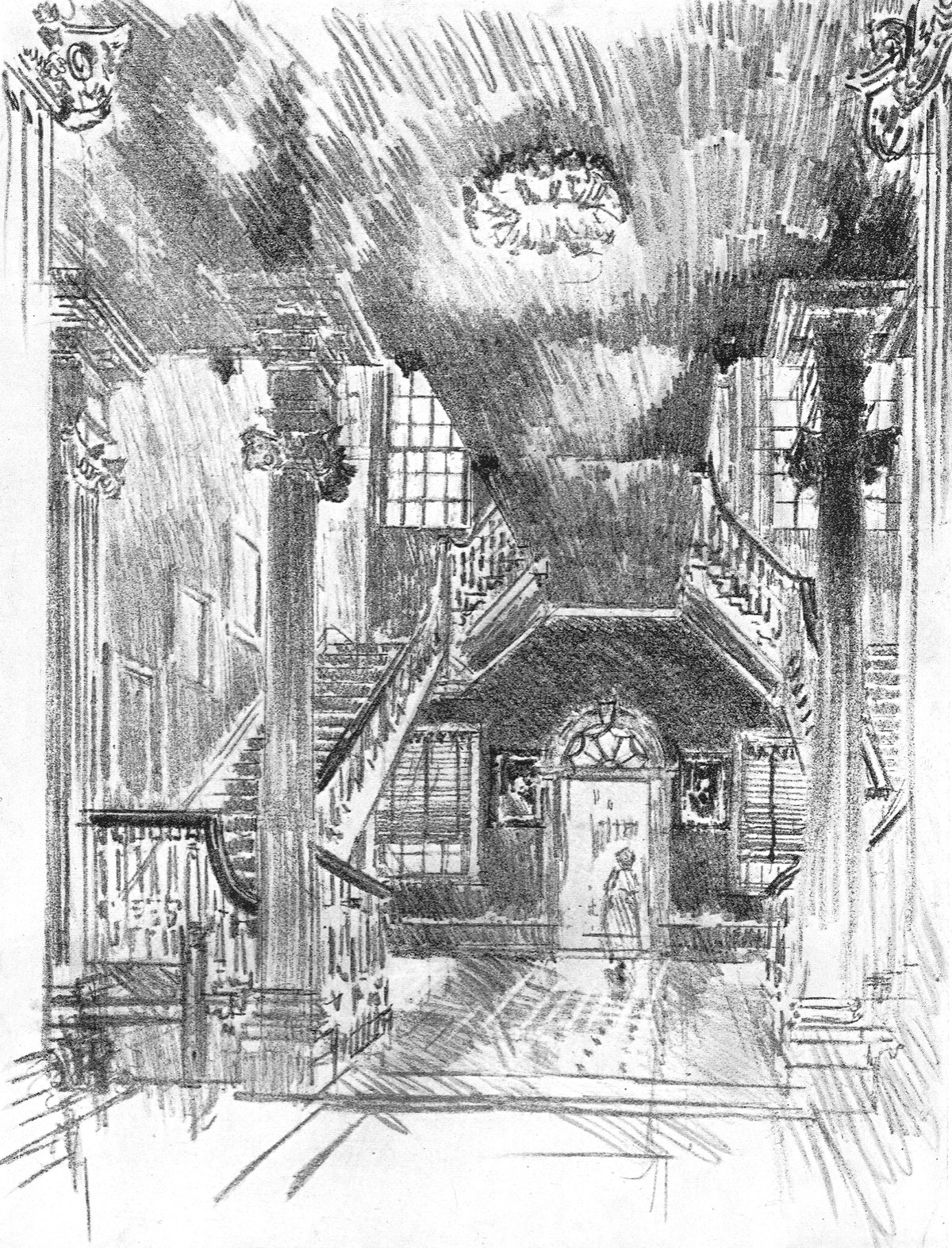
Completed between 1755 and 1804, the Pine Building is a National Historic Landmark renowned for its Georgian and Federal architectural styles. It features elegant brickwork, a rotunda, and classical details (ushistory.org).
The Surgical Amphitheater
Built in 1804, the surgical amphitheater is the oldest of its kind in North America. Once accommodating up to 180 seated and 300 standing observers, it was a hub for early American surgical education (PocketSights).
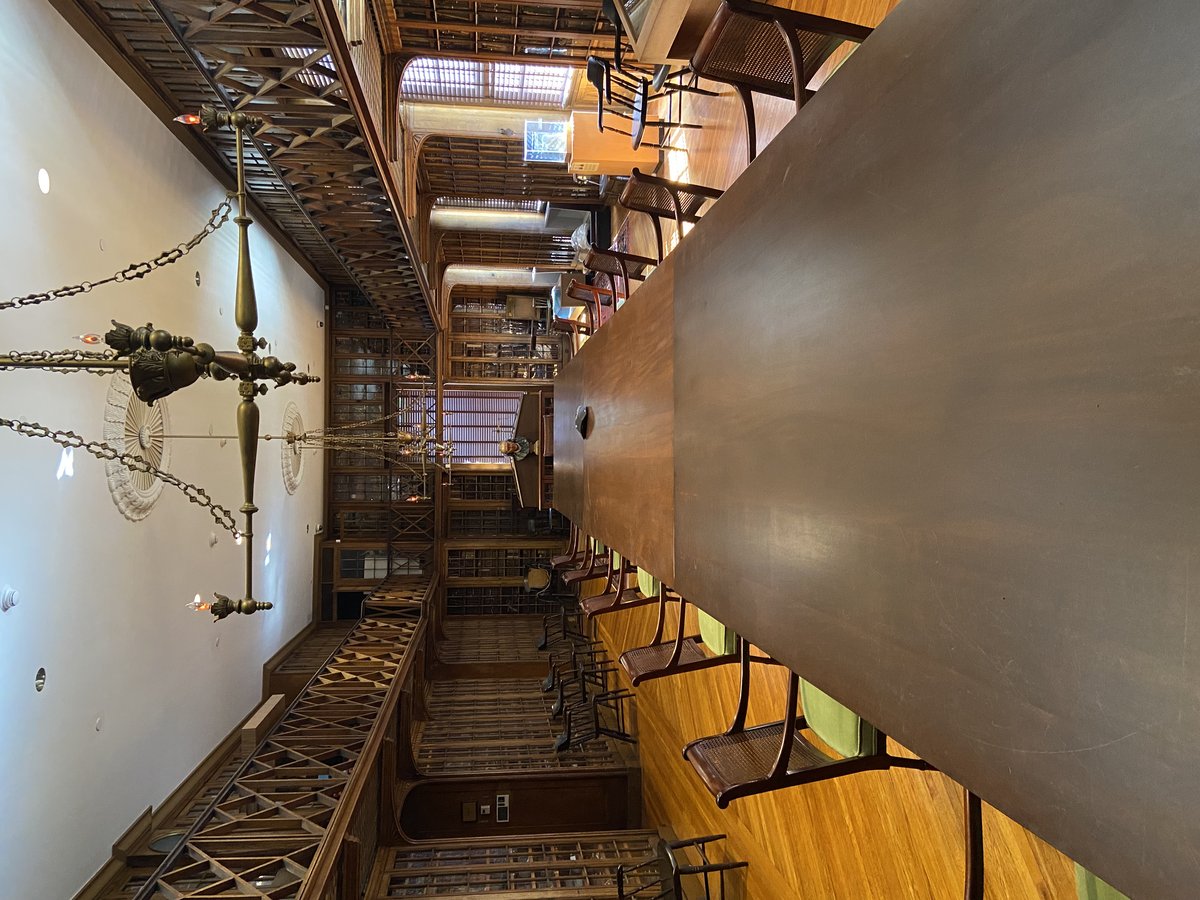
The Historic Medical Library
Founded in 1762, the library houses rare books and artifacts documenting the evolution of medicine in America. Access is by appointment, primarily for research purposes.
Benjamin West’s "Christ Healing the Sick in the Temple"
This 1817 masterpiece, commissioned by the hospital, is on display in the Gallery Pavilion and stands as a highlight for art and history enthusiasts.
The Physic Garden
Established in 1976, the Physic Garden features medicinal plants such as lavender, sage, and foxglove, echoing 18th-century pharmacological practices. The tranquil space is open to the public during daylight hours.
Notable Graves and Memorials
The grounds include historic graves and memorials, such as the unmarked grave of Mary Girard and an 18th-century statue of William Penn, further anchoring the hospital’s place in Philadelphia’s heritage.
Architectural Evolution and Design
Founding Vision and Enlightenment Ideals
Pennsylvania Hospital was envisioned as a place to serve all, including the poor and mentally ill—a radical commitment for its era (PennPraxis CMP). Its design and expansions reflect both practical and philosophical aims.
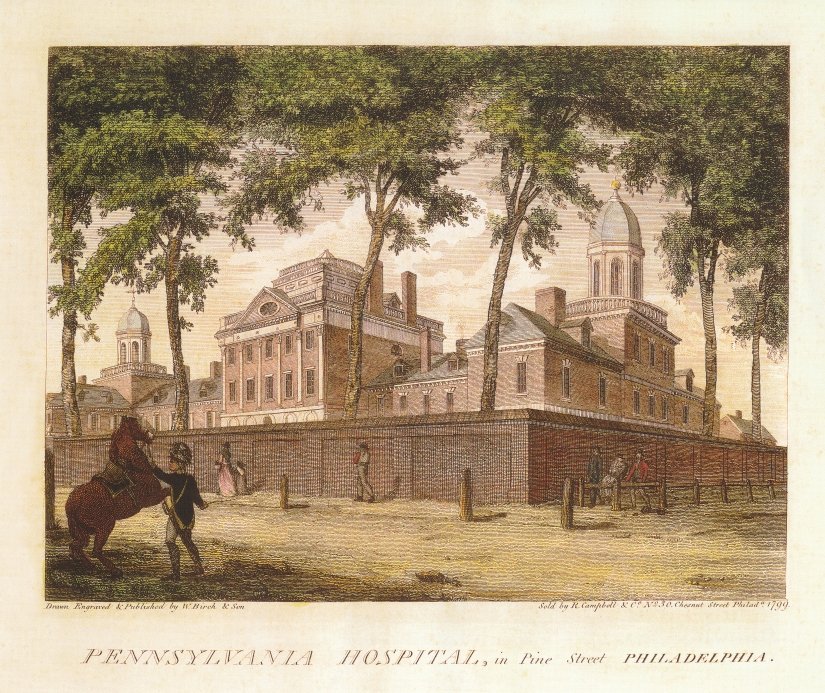
The “E”-Shaped Plan and Construction
The hospital’s original “E”-shaped plan, constructed in phases from 1756 to 1805, enabled gender and illness segregation, and maximized light and ventilation (West Philly History).
Expansion and Adaptation
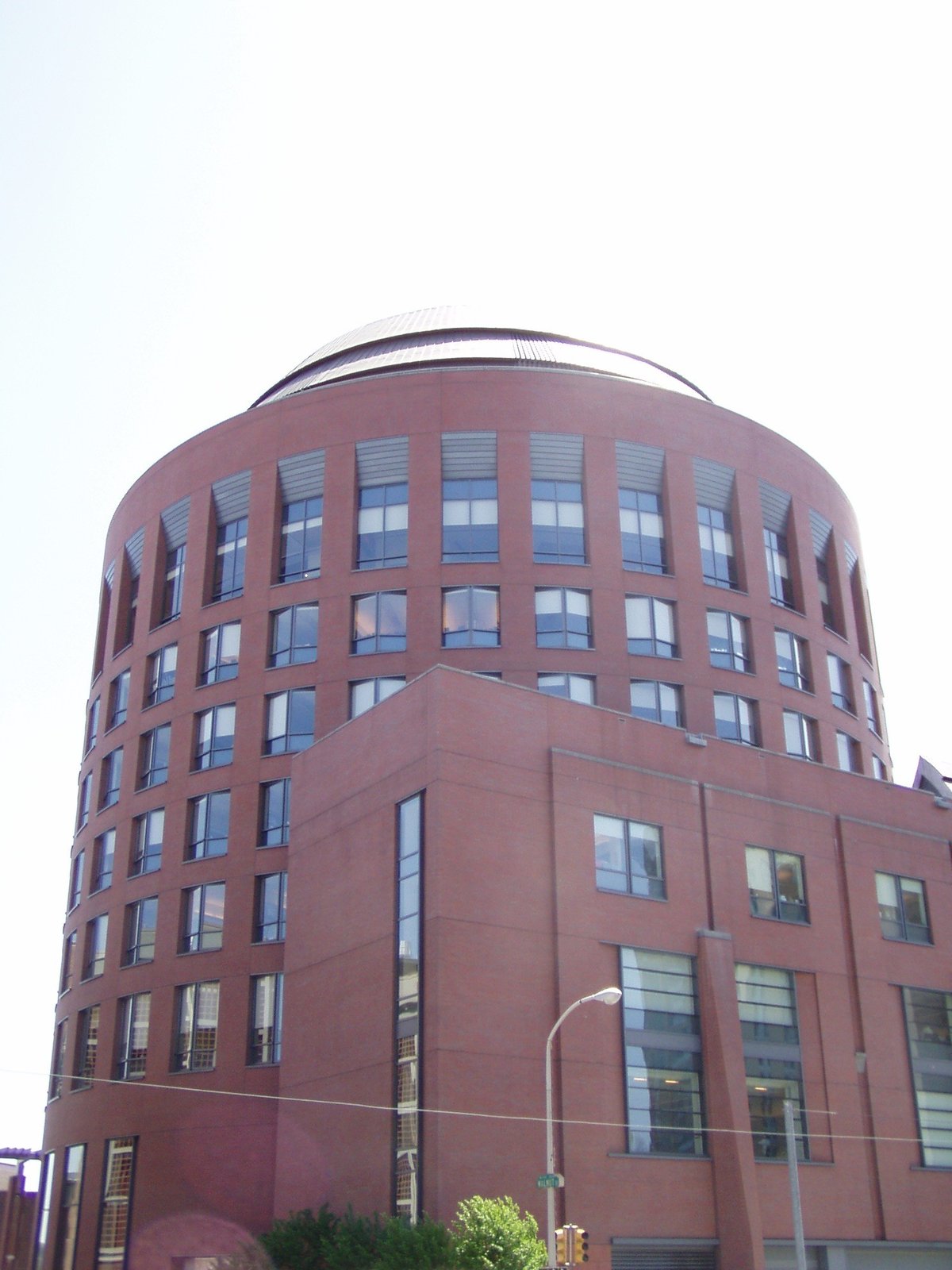
Over centuries, the hospital expanded to include specialized facilities, adapting to modern medical requirements while preserving its historic core (West Philly History, PennPraxis CMP).
Cultural Significance
Civic Philanthropy and Social Impact
The hospital embodies Enlightenment ideals, offering care regardless of social status and setting a precedent for charity-based healthcare (Design UPenn).
Medical Education and Innovation
Pennsylvania Hospital pioneered medical teaching in America, attracting students nationwide and fostering clinical advancements (Guide to Philly).
Community Engagement and Heritage
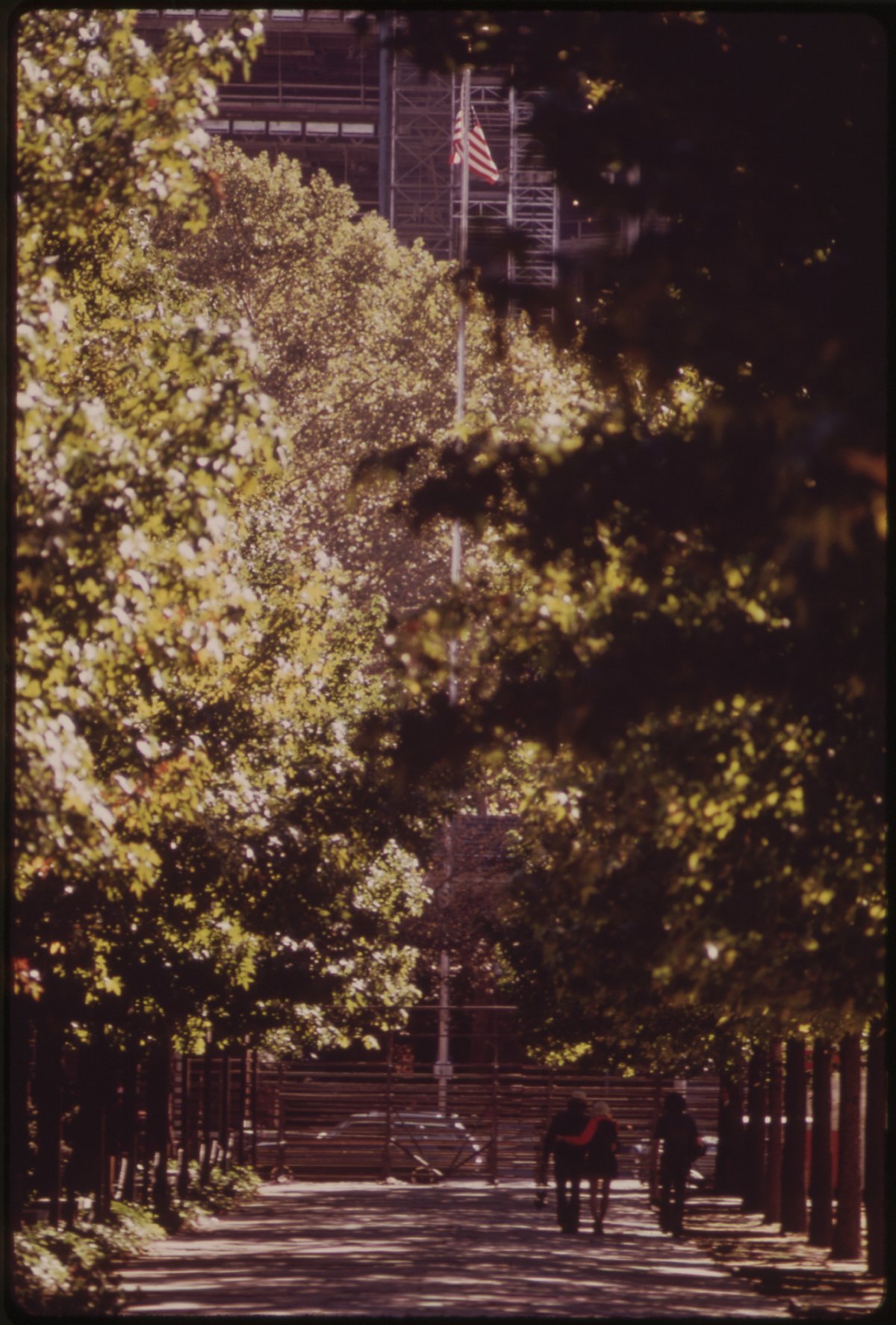
Located in Society Hill, the hospital is integral to Philadelphia’s cultural landscape, offering public programs and educational initiatives (Design UPenn).
Conservation and Interpretation
A dedicated Conservation Management Plan ensures the hospital’s dual function as a working hospital and a living museum (PennPraxis CMP).
Visitor Information
Accessibility
The hospital is committed to accommodating guests with disabilities, though some historic spaces may have limited access. Advance inquiries are encouraged (Penn Medicine).
Amenities
Restrooms are available in public areas. While no café exists onsite, nearby Center City offers abundant dining options (VisitPhilly).
Safety and Comfort
Center City Philadelphia is generally safe by day. Visitors should remain aware of their surroundings and avoid isolated areas after dark (TravelHotelExpert).
Tips for a Memorable Visit
- Book tours in advance and confirm accessibility needs.
- Arrive early to enjoy the gardens and architecture.
- Allocate 60–90 minutes for the full experience.
- Ask tour guides about photography restrictions.
- Combine your visit with nearby historic sites, such as Independence Hall and the Liberty Bell.
- Support preservation by making a suggested donation.
- Use the Audiala app for audio guides, maps, and exclusive content.
Frequently Asked Questions (FAQ)
Q: Are tours family-friendly?
A: Yes, and older children will especially appreciate the historical content.
Q: Is photography allowed?
A: Generally, yes—without flash or tripods in sensitive areas.
Q: Can I visit without a tour?
A: Some outdoor areas are open to the public; most historic interiors require a scheduled guided tour.
Q: How do I book a tour?
A: Contact Stacey Peeples at the hospital archives (Penn Libraries).
Q: Is the Physic Garden always open?
A: Yes, to the public during daylight hours.
Research and Educational Opportunities
The hospital’s collections are available to scholars and students by appointment. Collaborative programs with the University of Pennsylvania foster ongoing research and learning.
Safety and Visitor Services
Pennsylvania Hospital maintains high safety standards as an active medical facility. Staff are available to assist visitors, and emergency services are on site (UPenn Visitors).
Contact Information
- Address 800 Spruce Street, Philadelphia, PA 19107
- Phone 215-829-3370
- Email [email protected] (Penn Libraries)
Explore More: Related Articles
- Top Philadelphia Historical Sites to Visit
- Guided Tours of Society Hill
- Travel Tips for Visiting Philadelphia
- Philadelphia historical sites