

Origins and Commissioning of the Liberty Bell
Commissioned in 1751 by the Pennsylvania Provincial Assembly, the Liberty Bell—originally known as the State House Bell—was cast in London at the Whitechapel Bell Foundry. The Assembly requested the inscription from Leviticus 25:10, emphasizing liberty and self-governance (ushistory.org; Wikipedia). Upon arrival in 1752, the bell cracked during testing and was recast locally by John Pass and John Stow, whose names remain inscribed on the bell.
The Bell’s Early Years and the Famous Crack
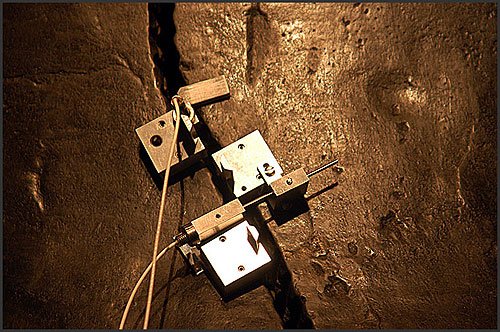
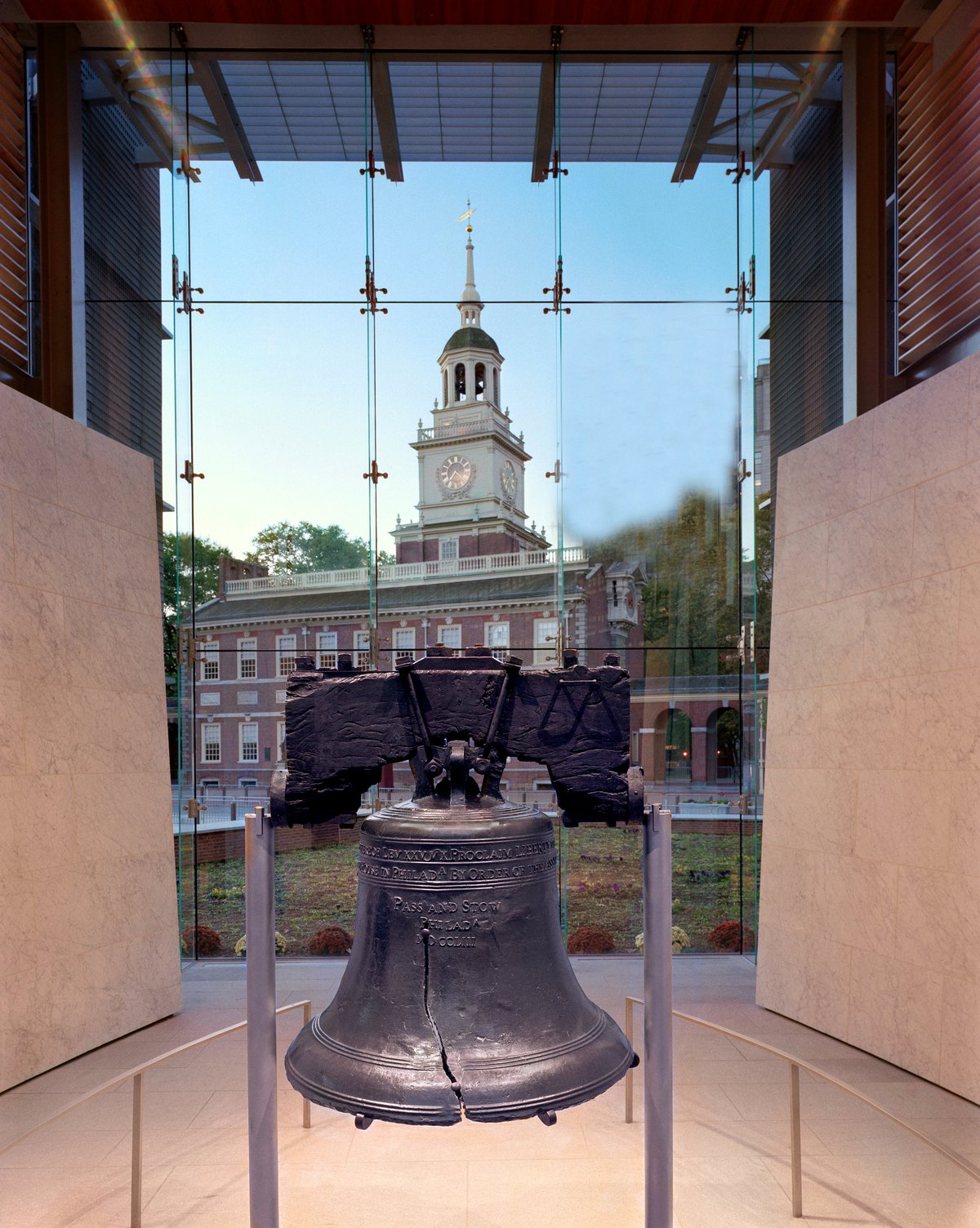
After being hung in the Pennsylvania State House (now Independence Hall) in 1753, the bell served to summon lawmakers and the public for important events. Its most famous feature—a large crack—developed over time, with the final expansion in the mid-19th century rendering the bell unringable (ushistory.org). The crack has come to symbolize both the bell’s fragility and the resilience of the ideals it represents.
The Liberty Bell and American Independence
While no definitive record confirms the Liberty Bell was rung on July 4, 1776, it was certainly tolled to mark the first public reading of the Declaration of Independence on July 8, 1776 (Wikipedia). Through the 18th and 19th centuries, the bell tolled for significant occasions, including the convening of the Continental Congress and the deaths of important leaders.
Symbolism and the Abolitionist Movement
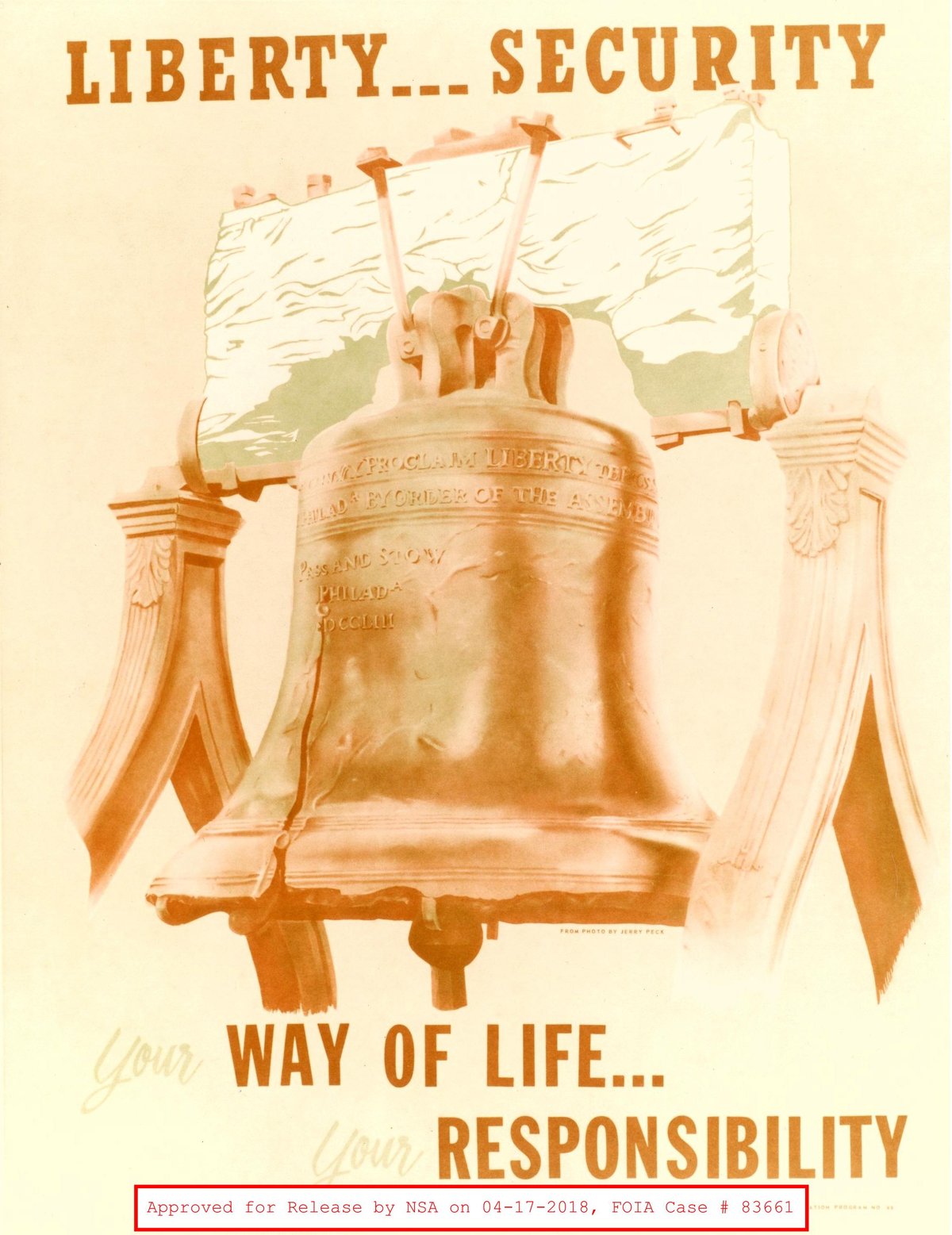
By the 1830s, abolitionists began referring to the bell as the “Liberty Bell” (ushistory.org). Its message of liberty was adopted as a symbol of the anti-slavery movement and later by advocates for civil rights and social justice (philadelphiaencyclopedia.org).
National Travels and Public Appearances
The Liberty Bell was transported to expositions and celebrations across the United States in the late 19th and early 20th centuries, including the 1903 Battle of Bunker Hill celebration, the 1904 Louisiana Purchase Exposition in St. Louis, and the 1915 Panama-Pacific Exposition in San Francisco (ushistory.org). These national tours helped cement its status as a unifying national symbol.
The Bell in the 20th Century: Suffrage, War, and Civil Rights
The Liberty Bell remained central to major American movements. A replica, the Justice Bell, was created in 1915 to promote women’s suffrage—its clapper chained until the passage of the 19th Amendment (ushistory.org). During World War I, the bell was paraded to promote Liberty Bonds. It later featured prominently during the civil rights era, symbolizing the ongoing struggle for justice (Wikipedia).
Relocation and Preservation
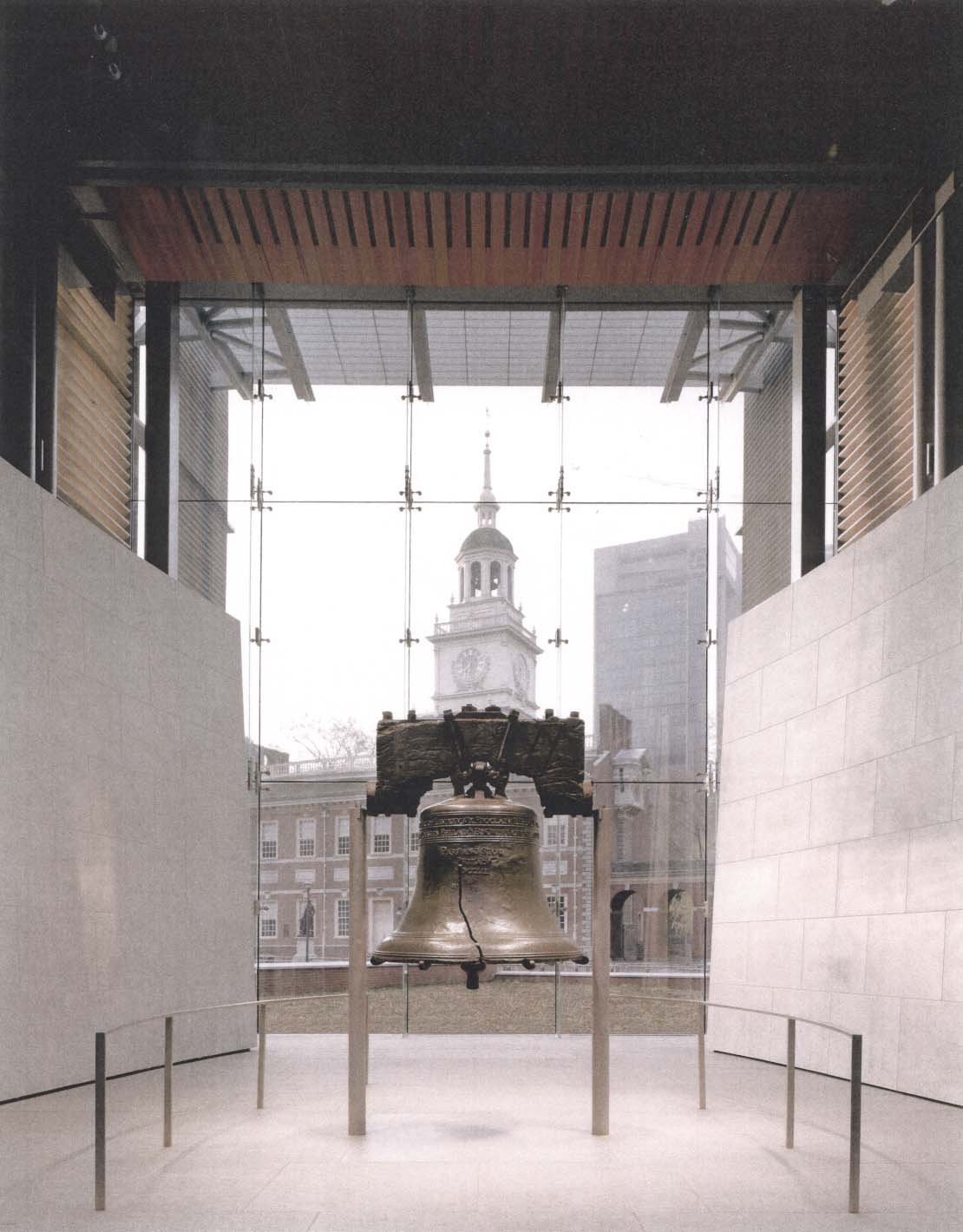
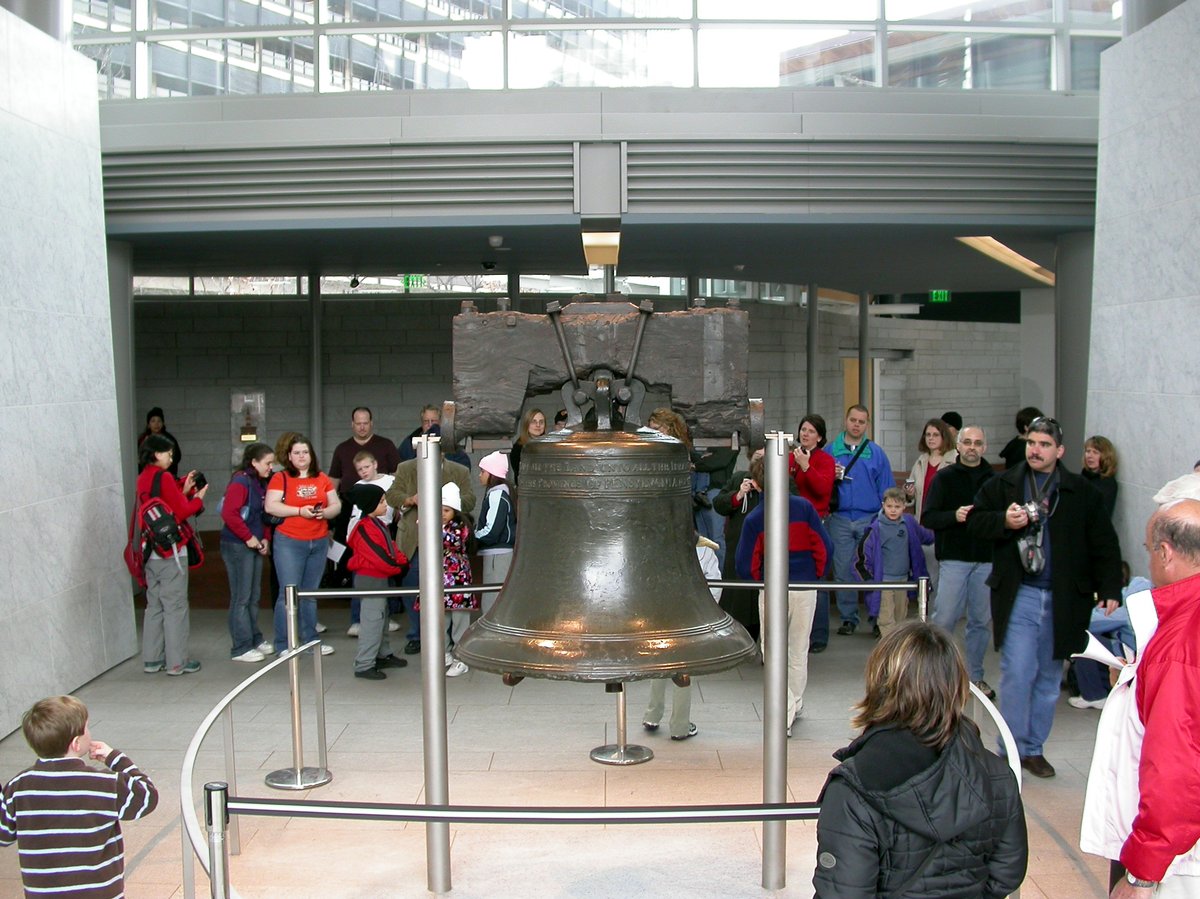
Initially housed in Independence Hall's steeple, the Liberty Bell was moved several times for preservation. It was placed in a glass pavilion in 1976 for the Bicentennial and moved to the modern Liberty Bell Center in 2003 (Wikipedia; ushistory.org). The Center stands adjacent to the site of President Washington’s slave quarters, with educational panels that prompt reflection on the complexities of American liberty (Wikipedia).
Visiting the Liberty Bell: Practical Information
Visiting Hours
The Liberty Bell Center is open daily from 9:00 AM to 5:00 PM, with extended hours (until 7:00 PM) during summer months. Last entry is typically 15 minutes before closing (National Park Service). Hours may vary on holidays or during special events, so always check official updates in advance.
Admission and Tickets
Admission is free; no tickets are required to visit the Liberty Bell Center (freetoursbyfoot.com). However, nearby Independence Hall does require timed, free tickets—especially during peak seasons (MapsofWorld).
Getting There and Accessibility
The Liberty Bell Center is centrally located at 526 Market Street, Philadelphia, PA 19106. The site is easily accessed by:
- Subway Market-Frankford Line, 5th Street/Independence Hall Station (TrainStation.World).
- Bus Multiple SEPTA routes stop nearby.
- Regional Rail Jefferson Station is a 10-minute walk.
- Walking The Center is within walking distance of many Center City hotels.
The Center is fully accessible, with ramps, elevators, and accessible restrooms at nearby facilities. Service animals are permitted (NPS Contact).
Security and Safety
All visitors must pass through airport-style security screening at the Market Street entrance (historyhit.com). Large bags, sharp objects, and certain liquids are prohibited. To minimize wait times, travel light and arrive early or later in the afternoon.
COVID-19 Guidelines
Mask requirements and social distancing protocols may be in effect based on current health recommendations. Check the National Park Service website for current policies.
Liberty Bell Center Exhibit Experience
Viewing the Bell
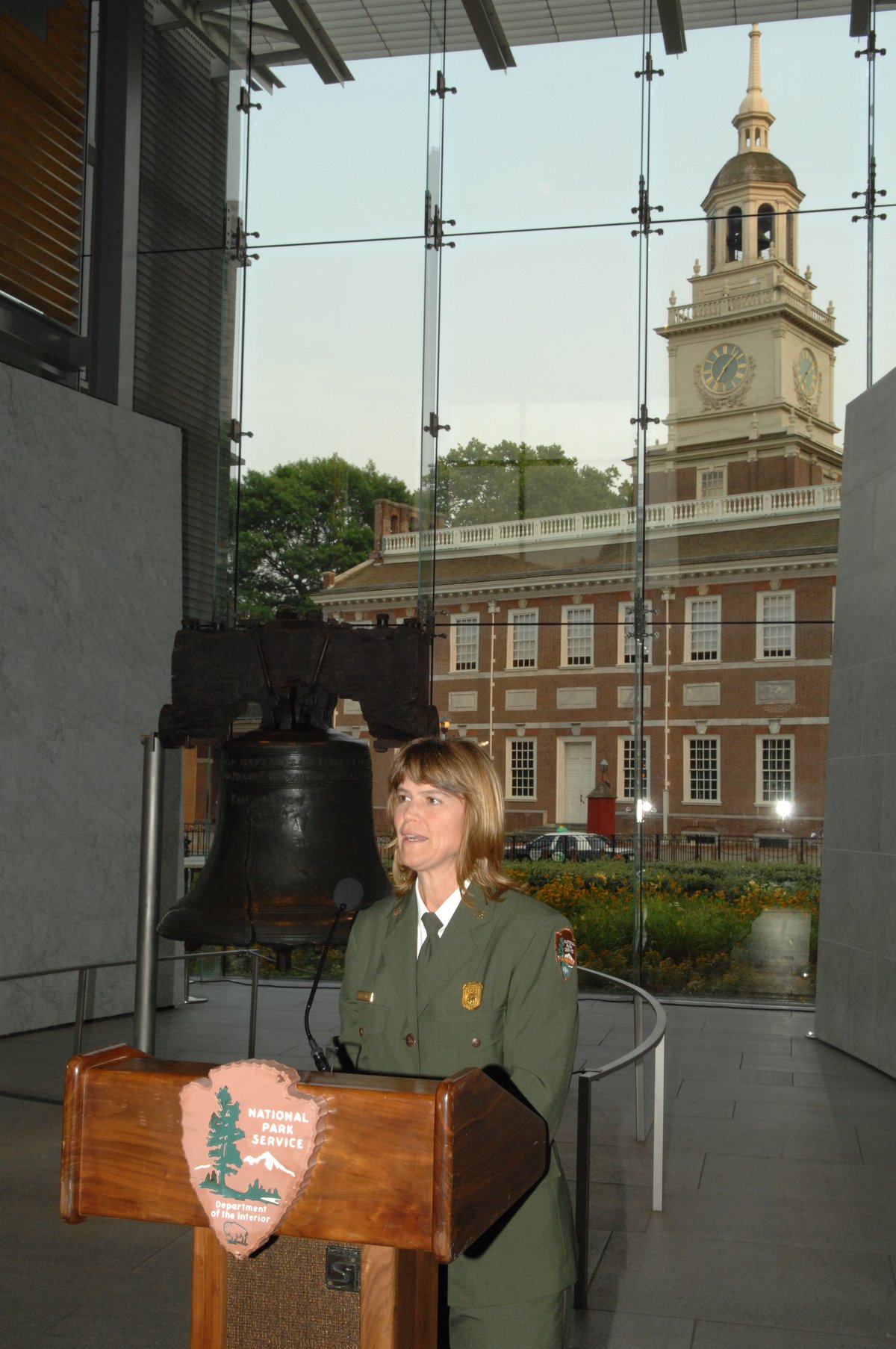
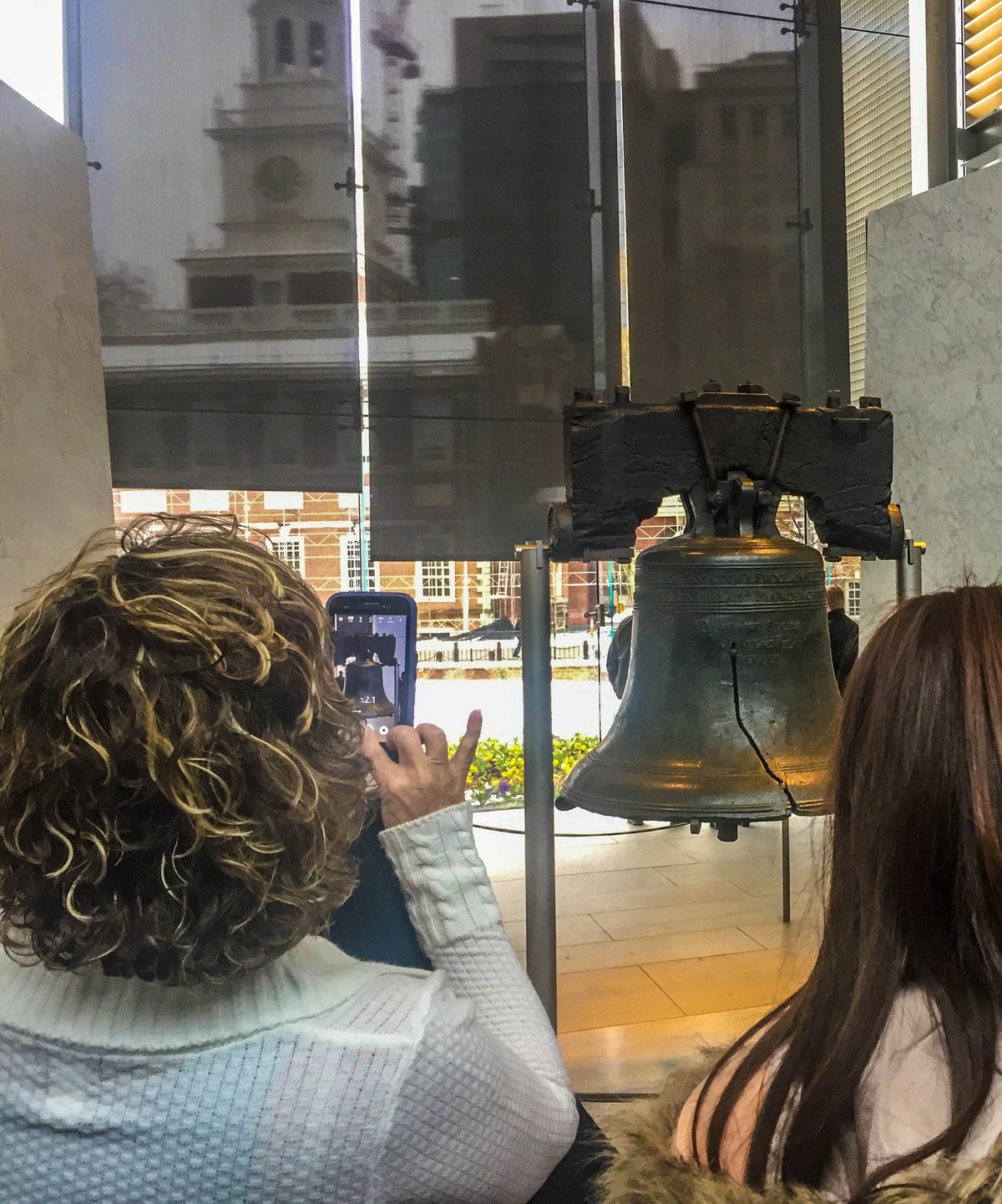
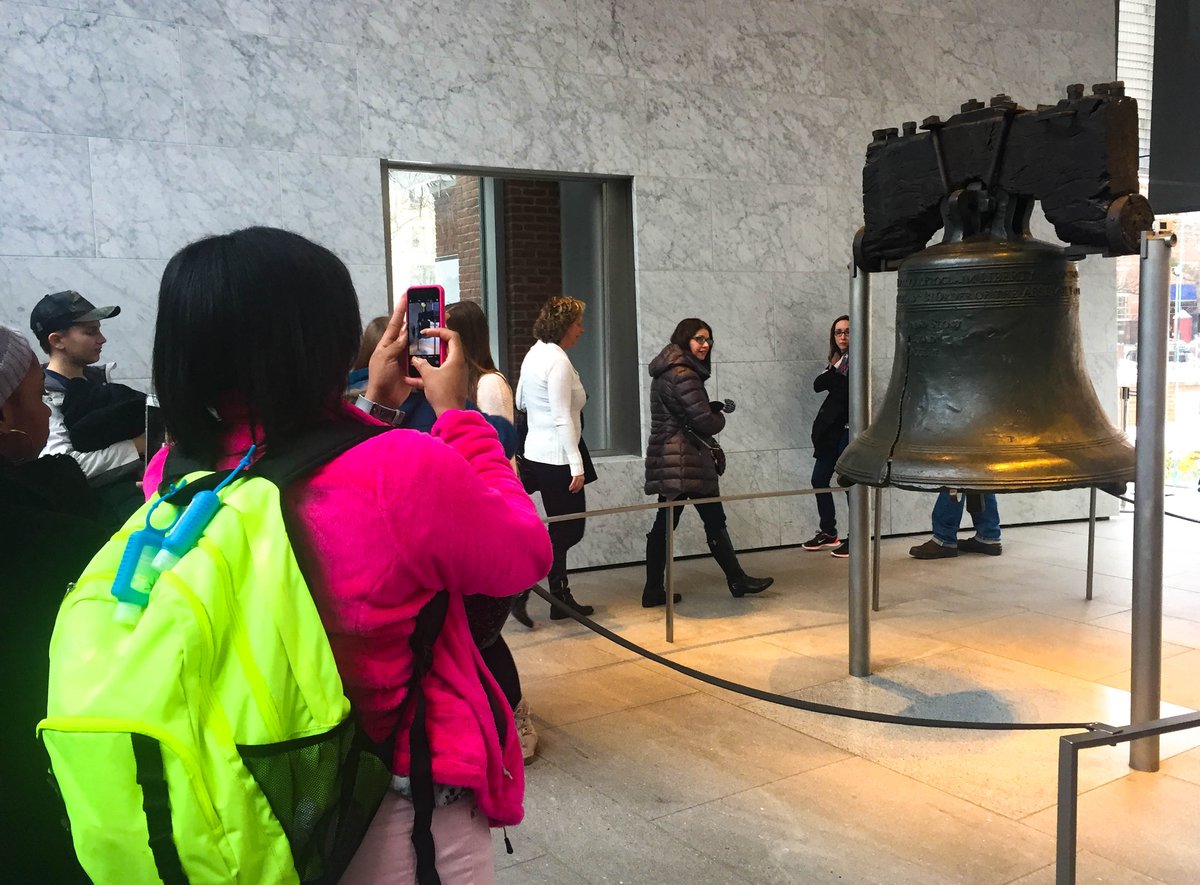
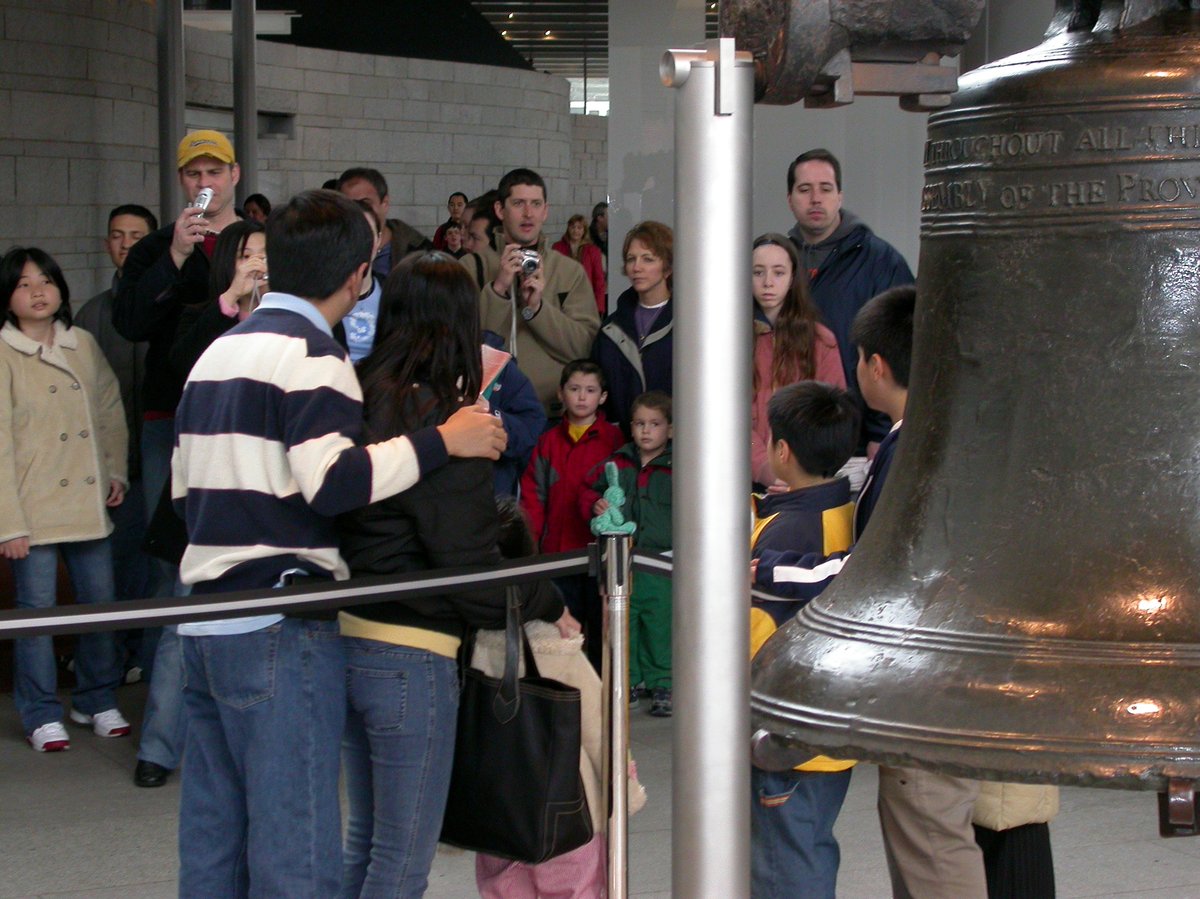
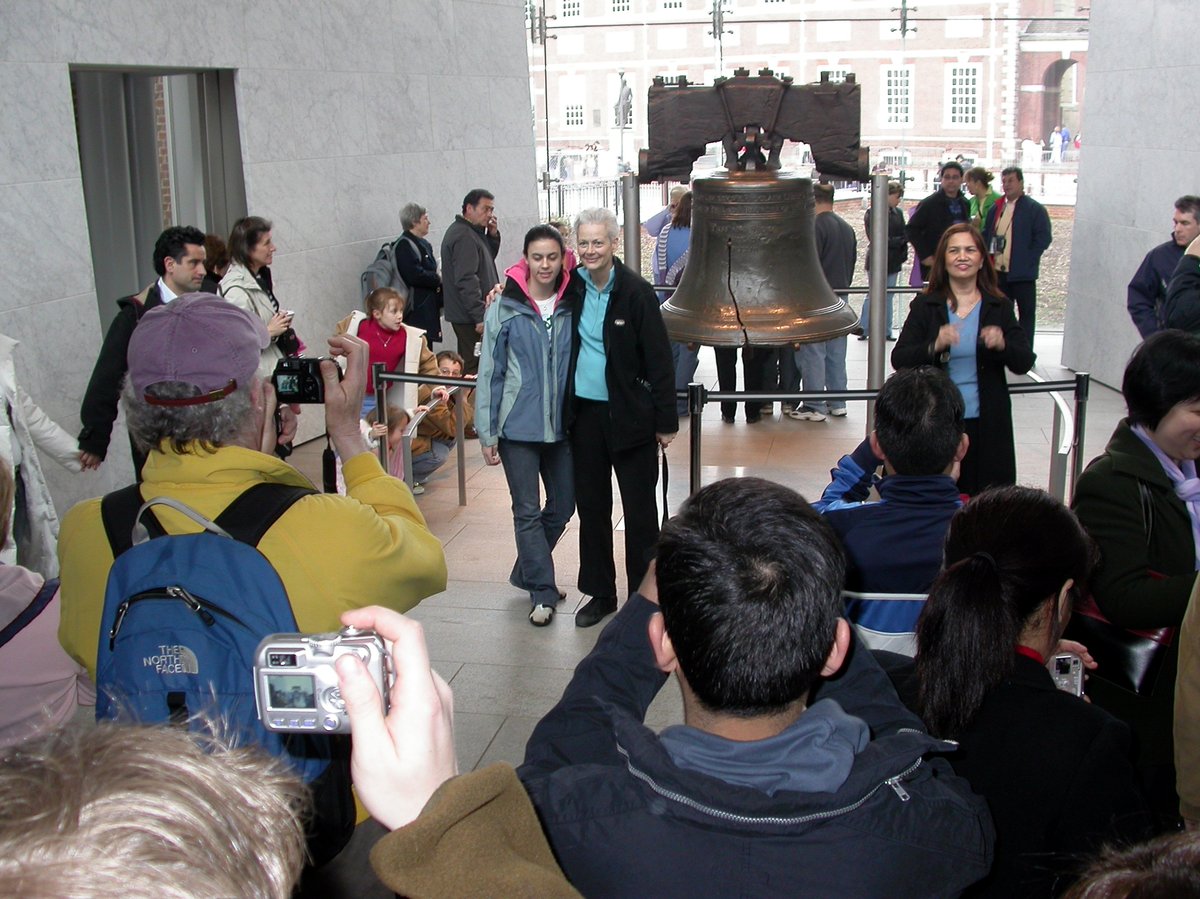
The Liberty Bell is housed in a glass chamber, allowing close-up views and excellent photo opportunities of the bell and its famous crack with Independence Hall in the background (urbanlive.org).
Interpretive Displays
Engaging exhibits trace the bell’s history from its casting to its role in American independence and social movements. Multimedia presentations and interactive displays educate visitors about the bell’s symbolism and its ongoing legacy (historyhit.com).
Park Ranger Programs
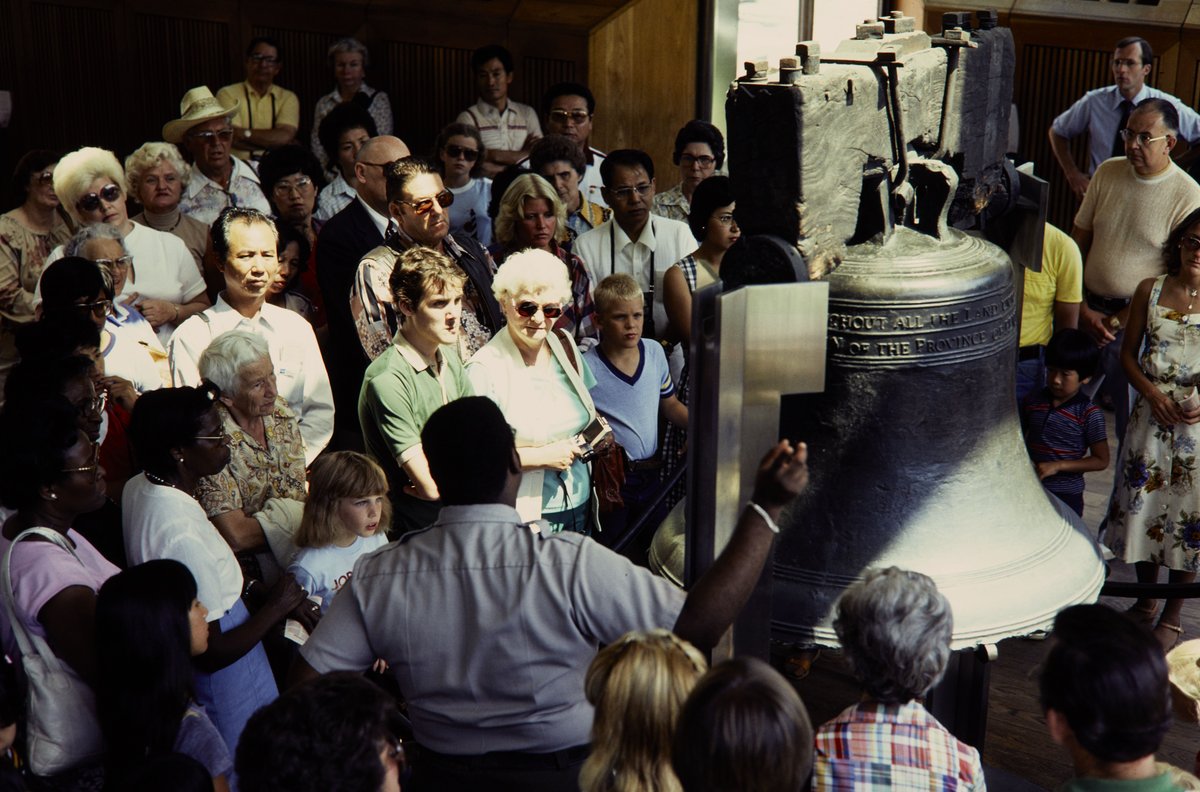
National Park Rangers are available throughout the Center, leading talks and answering questions to enrich your understanding (quickwhittravel.com).
Amenities
- Restrooms Not inside the Center; available at the nearby Independence Visitor Center (freetoursbyfoot.com).
- Gift Shop Adjacent to the Center.
- Seating Benches available indoors and outdoors.
Nearby Philadelphia Historical Sites
Expand your visit by exploring these nearby sites:
- Independence Hall Site of the signing of the Declaration of Independence and U.S. Constitution (timed tickets required) (freetoursbyfoot.com).
- National Constitution Center Interactive museum on the U.S. Constitution.
- Museum of the American Revolution Engaging exhibits on the nation's founding.
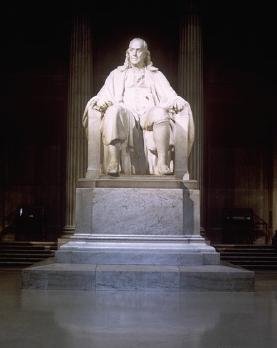
- Franklin Court Home to the Benjamin Franklin Museum (NPS).
- President’s House Site Open-air exhibit on the lives of enslaved people in Washington’s household (urbanlive.org).
See thetouristchecklist.com and MapsofWorld for more attractions.
Frequently Asked Questions (FAQ)
Q: What are the Liberty Bell visiting hours?
A: Daily from 9:00 AM–5:00 PM (extended to 7:00 PM in summer; check for holiday updates).
Q: Is admission free?
A: Yes, no tickets are required for the Liberty Bell Center.
Q: Is the Center accessible?
A: Yes, with ramps, elevators, and accessible restrooms.
Q: How do I get there using public transportation?
A: Use the Market-Frankford subway line (5th Street/Independence Hall Station), SEPTA buses, or Regional Rail to Jefferson Station.
Q: Are there restrooms?
A: Not inside the Center; use the Independence Visitor Center nearby.
Q: Can I take photos?
A: Yes, but tripods and flash photography are not permitted.
Q: When is the best time to visit?
A: Early morning or late afternoon; weekdays are less crowded.
Visit Tips and Suggested Itinerary
- Arrive early or late to avoid crowds and long waits.
- Use public transit or ride-sharing to avoid parking challenges.
- Dress comfortably and prepare for outdoor waiting in security lines.
- Travel light to expedite security checks.
- Include nearby historical sites for a full day’s experience.
- Engage with Park Rangers for deeper historical insights.
Suggested itinerary:
- Morning: Visit the Liberty Bell Center and exhibits.
- Midday: Tour Independence Hall (with ticket) and enjoy lunch nearby.
- Afternoon: Explore the National Constitution Center or Museum of the American Revolution.
Discover More
Standing before the Liberty Bell offers a profound connection to America’s past and the enduring quest for liberty and justice. By planning ahead—considering visiting hours, accessibility, and transportation—you’ll ensure a meaningful and smooth experience. For up-to-date information, always check the National Park Service and Visit Philadelphia websites.
Download the Audiala app for offline guides, real-time updates, and curated itineraries. Explore related articles on Philadelphia’s historical sites, and follow us on social media for the latest visitor tips and travel inspiration.