Discover Lenni, Philadelphia: Historical Sites, Visiting Hours, Tickets, and More
Lenni, Philadelphia is a destination where indigenous roots, colonial history, and multicultural vibrancy intersect. This guide highlights historical landmarks, visiting hours, ticketing details, travel strategies, and top attractions for a rewarding visit.
Indigenous Foundations: The Lenni-Lenape and Early Settlement
The Lenni-Lenape, or Delaware people, originally inhabited what is now Lenni, Philadelphia for over 10,000 years (Baldwin Park Philly). Their matrilineal clans, agricultural expertise, and communal longhouses were central to the region’s development. Villages like Pachsegink (later Passyunk) were established along the Schuylkill and Delaware Rivers (PhillyHistory Blog), and the Lenape left a lasting legacy through place names and ecological wisdom (The Teachers Institute).
European Colonization and Transformation
The 17th century saw Swedish, Dutch, and later English settlers arrive in Lenni. William Penn’s grid plan for Philadelphia was superimposed onto the existing indigenous landscape (Philadelphia Beautiful; Baldwin Park Philly). Penn’s 1683 treaty with the Lenni-Lenape, commemorated at Penn Treaty Park, symbolized initial peaceful relations (PhillyHistory Blog). However, expansion and land treaties eventually displaced the Lenape.
The Evolution of Lenni and Passyunk
Once a Lenape village, Passyunk became a key agricultural district by the 18th century (Philadelphia Beautiful). Passyunk Avenue, still central today, reflects original indigenous pathways (PhillyHistory Blog). By the 19th and 20th centuries, waves of immigrant communities transformed the area into a diverse, thriving neighborhood.
Visiting Lenni Philadelphia: Historical Sites, Hours, and Tickets
Key Historical Sites
- Penn Treaty Park Open daily, dawn to dusk; free entry. Commemorates William Penn’s treaty with the Lenni-Lenape.
- Italian Market Open weekdays and Saturdays; no admission. Experience local vendors and historic Passyunk Avenue.
- Penn Museum Exhibitions “Fulfilling the Prophecy: the Past and Present of the Lenape in Pennsylvania.” Open Tuesday–Sunday, 10 AM–5 PM. Tickets: Adults $20, Seniors/Students $15, Children under 12 free. Online ticket purchase recommended (Penn Museum).
Travel Tips
- SEPTA buses and trolleys provide public transit access.
- Major sites feature accessible paths and amenities.
- Spring and fall are ideal for weather and community events.
Guided Tours and Events
- Walking tours explore Lenni-Lenape history and Passyunk’s cultural evolution.
- Annual festivals celebrate indigenous, Italian, and other immigrant heritages.
Modern Recognition and Cultural Revitalization
The Lenape Nation of Pennsylvania leads efforts in language preservation, public education, and cultural revitalization (PhillyHistory Blog). Museum exhibitions and community programs continue to raise awareness of Lenape contributions (Penn Museum).
Exploring Lenni Philadelphia: Nearby Attractions and Photography Spots
- Wissahickon Valley Park Ideal for hiking and nature photography.
- East Passyunk Avenue Known for its lively dining scene and shops.
- Historical Markers Neighborhood markers highlight significant sites for history enthusiasts and photographers.
FAQ: Visiting Lenni Philadelphia
Q: What are the visiting hours for key historical sites?
A: Most outdoor parks are open dawn to dusk; museums typically operate Tuesday–Sunday, 10 AM–5 PM.
Q: Are tickets required?
A: Parks are free; museums require tickets, often available online.
Q: How do I get to Lenni?
A: Accessible via SEPTA buses/trolleys; limited parking during events.
Q: Are guided tours available?
A: Yes, local organizations offer walking tours focused on Lenni-Lenape history and Passyunk culture.
Preservation and Interpretation
Museums, educational programs, and community initiatives ensure the preservation of Lenni’s history and the ongoing celebration of Lenape heritage (The Teachers Institute).
Indigenous Heritage and the Lenape Legacy
The Lenape: Philadelphia’s First Inhabitants
The Lenape, or Lenni-Lenape, are the original people of the Delaware River Valley, including present-day Philadelphia, New Jersey, and Delaware (Experience PA; NPR). Their presence is evident in local place names and cultural practices. The Museum of Indian Culture, a short drive from Lenni, offers educational exhibits and programs (Museum of Indian Culture).
Cultural Continuity and Recognition
Despite historical displacement, the Lenape and other Native American communities remain vibrant contributors to Philadelphia’s culture. The Museum of Indian Culture in Allentown offers programs on Lenape lifeways, tools, and artistry. Annual events and trails like the Lenape Trail along L’il Lehigh Creek provide interactive opportunities for visitors (Museum of Indian Culture).
Revolutionary Roots and National Identity
Cradle of American Independence
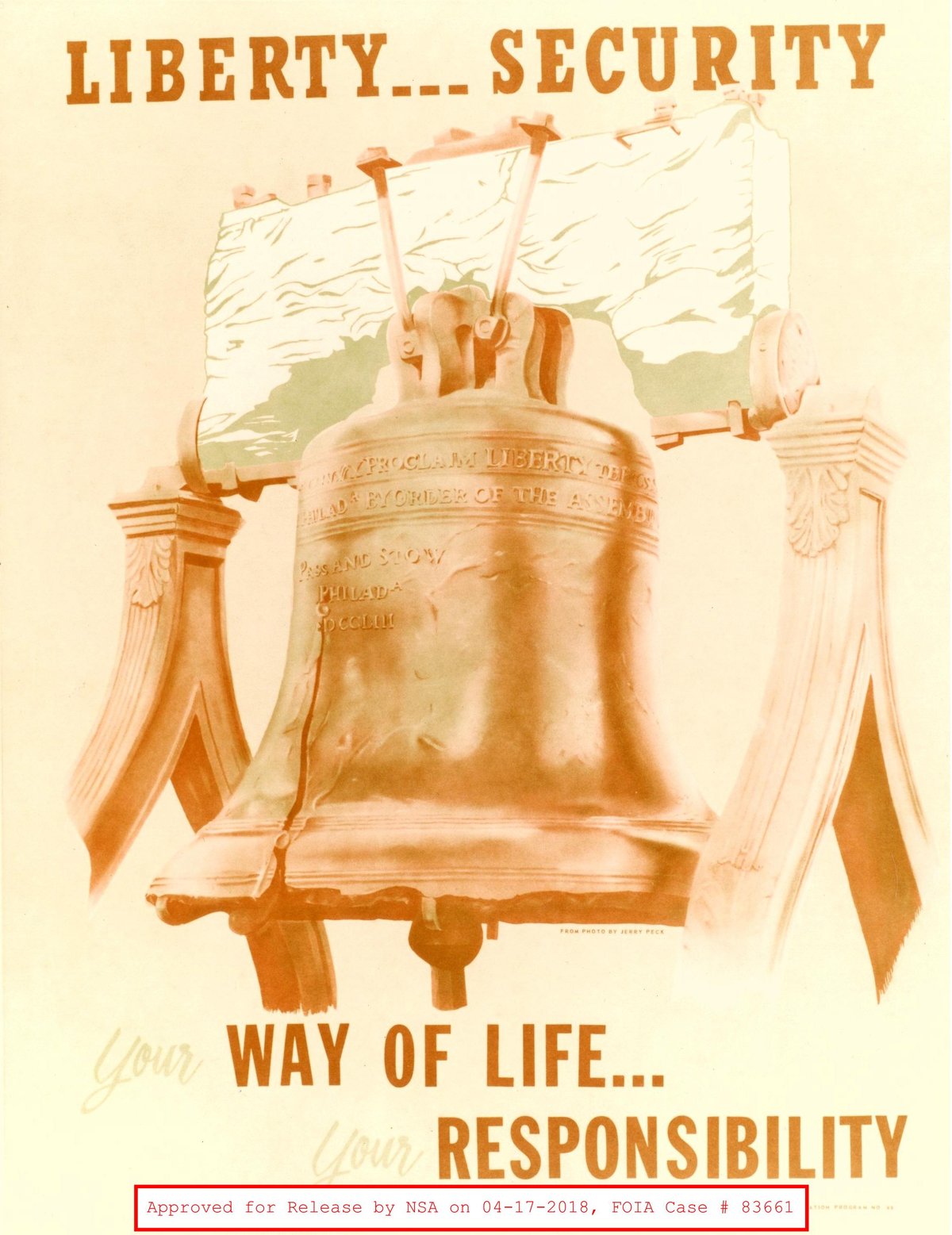
Lenni lies near Philadelphia’s historic core. Independence Hall, where the Declaration of Independence and U.S. Constitution were signed, is a UNESCO World Heritage Site (Secret Philadelphia; Teach Travel Discover). The Liberty Bell and other landmarks form “America’s most historic square mile,” with sites such as the Betsy Ross House and National Constitution Center offering tours (usual hours: 9 AM–5 PM; ticket prices vary) (Founding Footsteps).
Living Traditions and Civic Rituals
Philadelphia celebrates its founding through public events like the Wawa Welcome America Festival, which features free concerts, museum access, and the Independence Day Parade (Travel Pander). The city’s Fourth of July fireworks and other festivities offer immersive historical experiences.
Multiculturalism and Community Festivals
A Mosaic of Cultures
Lenni’s diversity is reflected in neighborhoods such as Chinatown, the Italian Market, and South Philadelphia (Experience PA). Major festivals include:
- Philadelphia Chinese Lantern Festival Lantern displays, performances, and cuisine (Over Your Place).
- Mummers Parade New Year’s Day costumes, music, and dance (Over Your Place).
- Italian Market Festival Food and music in South Philadelphia (Experience PA).
Local Customs and Language
Philadelphians are known for their welcoming nature and unique slang like “jawn,” contributing to the city’s communal feel (Over Your Place).
Artistic and Culinary Significance
Arts, Music, and Public Spaces
Lenni and greater Philadelphia boast a rich arts scene. The Philadelphia Museum of Art and Barnes Foundation house world-class collections (Secret Philadelphia). Public art, including the LOVE sculpture and extensive murals, adds vibrancy citywide. Music thrives in genres ranging from classical to hip-hop, with annual concerts and festivals (Travel Pander).
Culinary Traditions
Philadelphia’s culinary landscape features iconic foods like cheesesteaks, soft pretzels, and water ice. Markets such as Reading Terminal and the Italian Market offer international flavors (Over Your Place).
Practical Tips for Visiting Lenni, Philadelphia
Visiting Hours and Tickets
- Independence Hall Daily 9 AM–5 PM; free, timed tickets required (National Park Service - Independence Hall Tickets).
- Liberty Bell Center Daily 9 AM–7 PM; free admission.
- Museum of Indian Culture Tue–Sat, 10 AM–4 PM; Adults $10, Seniors/Students $7, Children under 6 free (Museum of Indian Culture).
- Philadelphia Museum of Art Tue–Sun, 10 AM–5 PM; Adults $25.
Travel and Accessibility
SEPTA rail and bus lines serve Lenni; parking is limited, so public transit or the Philly PHLASH bus is recommended (Experience PA).
Best Times to Visit
Visit from spring through early fall for optimal weather and festival activity. July 4th is festive but crowded.
Respectful Participation
Acknowledge Lenape land, support local artisans, and engage respectfully at community events.
Visiting Independence Hall in Philadelphia: Hours, Tickets, and Insider Tips
Introduction
Independence Hall is a cornerstone of American history as the site where the Declaration of Independence and the U.S. Constitution were debated and signed. This UNESCO World Heritage Site draws visitors from around the globe.
Visiting Hours and Ticket Information
- Open daily, 9:00 AM–5:00 PM; closed Thanksgiving, Christmas, and New Year’s Day.
- Free, timed tickets required—reserve online or at the Independence Visitor Center (National Park Service - Independence Hall Tickets).
Getting There
Located at 520 Chestnut Street, Old City. Easily accessible by:
- SEPTA Regional Rail Jefferson or Market East Stations.
- SEPTA Bus/Trolley Multiple routes serve Independence Mall.
- Philly PHLASH Convenient hop-on, hop-off service (PHLASH Info).
Parking is available but limited—public transit is recommended.
Guided Tours and Special Events
Ranger-led tours are included with tickets, lasting about 30 minutes. Special events occur on holidays and historical anniversaries.
Historical Significance
Originally the Pennsylvania State House (1732–1753), Independence Hall hosted the signing of America’s founding documents. The Liberty Bell Center is just steps away.
Best Time to Visit
Spring and fall provide pleasant weather and lighter crowds. Summer is popular but busy; winter is quieter.
Photography
Exterior photography is welcome; interior photography is restricted. The surrounding park offers scenic photo opportunities.
Nearby Attractions and Dining
Explore the Liberty Bell Center, Congress Hall, and Franklin Court. Old City features diverse dining options, from colonial-themed eateries to Reading Terminal Market.
Accessibility
Independence Hall is wheelchair accessible, and assistive listening devices are available.
Essential Packing List
- Valid ID (for ticket pickup)
- Comfortable shoes
- Weather-appropriate clothing
- Camera (for exterior photos)
- Water bottle
Summary and Final Tips for Visiting Lenni Historical Sites in Philadelphia
Lenni, Philadelphia, represents the convergence of indigenous heritage, colonial milestones, and modern multiculturalism. Visitors can explore accessible landmarks like Penn Treaty Park, the Penn Museum, the Museum of Indian Culture, and national icons such as Independence Hall and the Liberty Bell (Baldwin Park Philly; National Park Service - Independence Hall Tickets). Festivals, culinary experiences, and artistic events showcase Lenni’s vibrant community spirit. Ongoing cultural revitalization by the Lenape Nation of Pennsylvania and educational outreach ensure this heritage remains alive (PhillyHistory Blog; Museum of Indian Culture).
Plan your trip to discover the layered stories and experiences that define this unique Philadelphia neighborhood. For updates and personalized guides, download the Audiala app and follow related social media channels.