Historical Origins and Development
Jewelers’ Row traces its roots to the late 1700s and early 1800s, when William Sansom, after acquiring land from financier Robert Morris, introduced Philadelphia’s first row houses along Sansom Street. This innovative urban planning, led by architect Thomas Carstairs, set the stage for the district’s adaptability and later commercial success (Campbell Jewelers).
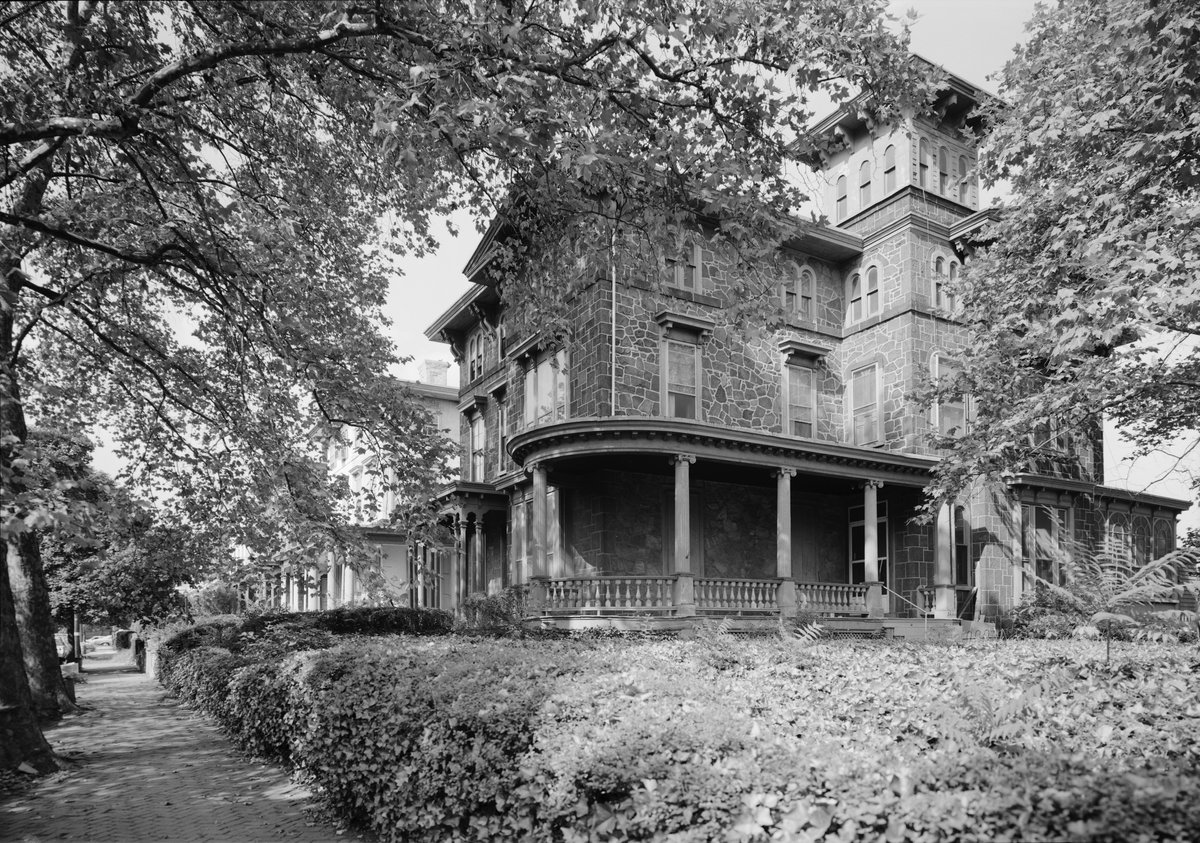
The initial development, known as Carstairs Row, was characterized by uniform façades and practical design—ideal for eventual conversion to shops and workshops. Over the decades, the area’s architecture evolved, integrating Georgian, Victorian, and Art Deco styles that still define its streetscape.
Architectural Highlights
The district’s architectural diversity is a key part of its charm. Surviving row houses like those at 700, 730, and 732 Sansom Street showcase original 19th-century detailing. Notable commercial buildings such as 710 Sansom (Victorian style) and the Art Deco Jewelry Trades Building (built in 1929) reflect the district’s ongoing transformation (Philadelphia Encyclopedia).
Emergence as a Jewelry District
By the mid- to late-1800s, Jewelers’ Row had firmly established itself as Philadelphia’s center for the jewelry trade. The area attracted engravers, gemologists, watchmakers, and craftsmen, many of whom were immigrants contributing diverse skills and traditions. Over time, the community expanded to over 300 jewelry businesses, many still family-owned and operating across generations. The district ranks as the second-largest diamond district in the U.S., trailing only New York City (Campbell Jewelers; Jewelers’ Row District).
Notable Personalities and Cultural Heritage
Jewelers’ Row has been home to figures connected to Philadelphia’s literary and artistic history, including engravers who collaborated with Edgar Allan Poe. The area also hosted historical institutions like the Publishing House of Henry C. Lea and the Electrotype Foundry, adding depth to its cultural tapestry (Campbell Jewelers).
A strong sense of community persists, with the Sansom Street Business Men’s Association and Jewelers Row Association advocating for preservation and supporting local businesses (Philadelphia Encyclopedia).
Preservation and Modern Challenges
Jewelers’ Row’s historic character has faced threats from urban development. In recent years, proposals for high-rise condominiums and the demolition of historic buildings have sparked debate. Preservationists continue to advocate for the protection and recognition of the district’s unique architectural and cultural significance (Philadelphia Today; Hidden City Philadelphia).
Visiting Information
Hours and Entry
- General Hours Most jewelry stores are open Monday–Saturday, 10:00 AM–6:00 PM. Sunday hours are rare but may occur during special events or holidays.
- Admission There is no entry fee to explore Jewelers’ Row, as it is an open commercial district.
Accessibility
- Jewelers’ Row is pedestrian-friendly, with mostly flat sidewalks.
- Many businesses provide accessible entrances, but due to historic architecture, it’s wise to call ahead if you have specific accessibility needs.
Transportation and Parking
- Public Transit Easily accessed via SEPTA’s Market-Frankford Line (8th Street Station) and Broad Street Line (City Hall Station).
- Parking Limited street parking and several paid garages nearby. Public transportation is recommended for convenience (Visit Philly).
Tours and Events
- Guided walking tours highlighting the district’s history and architecture are available through local companies and the Philadelphia tourism office.
- Check the Jewelers’ Row District website and Visit Philly for current event listings.
Nearby Attractions
All are within walking distance, making Jewelers’ Row a perfect addition to a historic Philadelphia itinerary.
Shopping Tips
- Certification Always request GIA or AGS certification for diamonds (diamonds.pro).
- Shop Around Prices and quality vary; visit multiple stores and compare.
- Negotiation Bargaining is common and encouraged for significant purchases.
- Documentation Obtain receipts, appraisals, and certificates.
- Return Policies Inquire about returns and warranties before purchase.
Dining and Leisure
- Craftsman Row Saloon (112 S 8th St) Known for creative milkshakes and American fare.
- Lore’s Chocolates (34 S 7th St) Family-owned candy shop, perfect for gifts or a sweet treat.
- Body + Beauty Lab (834 Chestnut St) Award-winning med spa for post-shopping relaxation (centercityphila.org).
Frequently Asked Questions (FAQ)
Q: What are the visiting hours for Jewelers’ Row?
A: Most stores are open Monday–Saturday, 10:00 AM–6:00 PM. Sunday hours are limited.
Q: Is there an admission fee?
A: No, visiting Jewelers’ Row is free.
Q: Is the district accessible by public transportation?
A: Yes, multiple SEPTA subway and bus lines serve the area.
Q: Are guided tours available?
A: Yes, check local tourism sites for guided walking tours.
Q: Can I negotiate prices?
A: Yes, negotiation is common in most stores.
Q: Is the area safe?
A: Center City is well-patrolled and generally safe during business hours.
Discover More
Jewelers’ Row Philadelphia endures as a beacon of craftsmanship, history, and community in one of America’s most historic cities. Its multi-generational businesses, unique blend of architectural styles, and prime location near Philadelphia’s top attractions make it a must-visit destination for locals and tourists alike. To stay current on events, guided tours, and special offers, download the Audiala app and connect with local tourism resources (Campbell Jewelers; Philadelphia Encyclopedia; Philadelphia Today; Jewelers’ Row District; Visit Philly).