
Visiting Independence Hall: Hours, Tickets, Access
Visiting Hours
Independence Hall is open daily, generally from 9:00 AM to 5:00 PM, with last entry at 4:30 PM. Hours may vary seasonally or during special events, so always check the official National Park Service website before visiting.
Tickets and Reservations
Admission is free, but all visitors must obtain a timed entry ticket to manage crowd flow and preserve the site. Secure tickets online in advance through the National Park Service or at the Independence Visitor Center. Walk-up tickets are limited, especially during peak seasons. All visits are conducted via mandatory ranger-led guided tours.
Accessibility
Independence Hall is wheelchair accessible, with ramps, elevators, and accessible restrooms. Service animals are permitted, and assistive listening devices are available for guided tours (Experience PA).
Travel Tips
- Arrive Early Secure tickets and allow time for security screening.
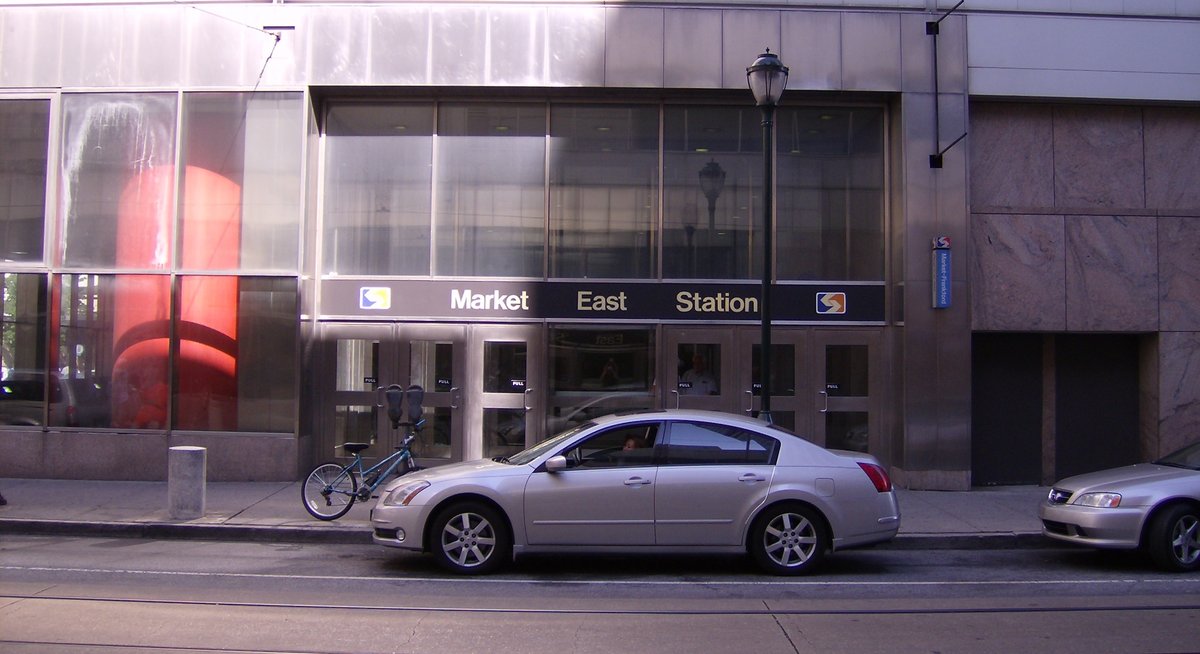
- Public Transportation Easily accessible by SEPTA buses and rail; several parking garages are nearby.
- Photography Allowed in most areas (no flash or tripods).
Historical Background
Origins and Construction
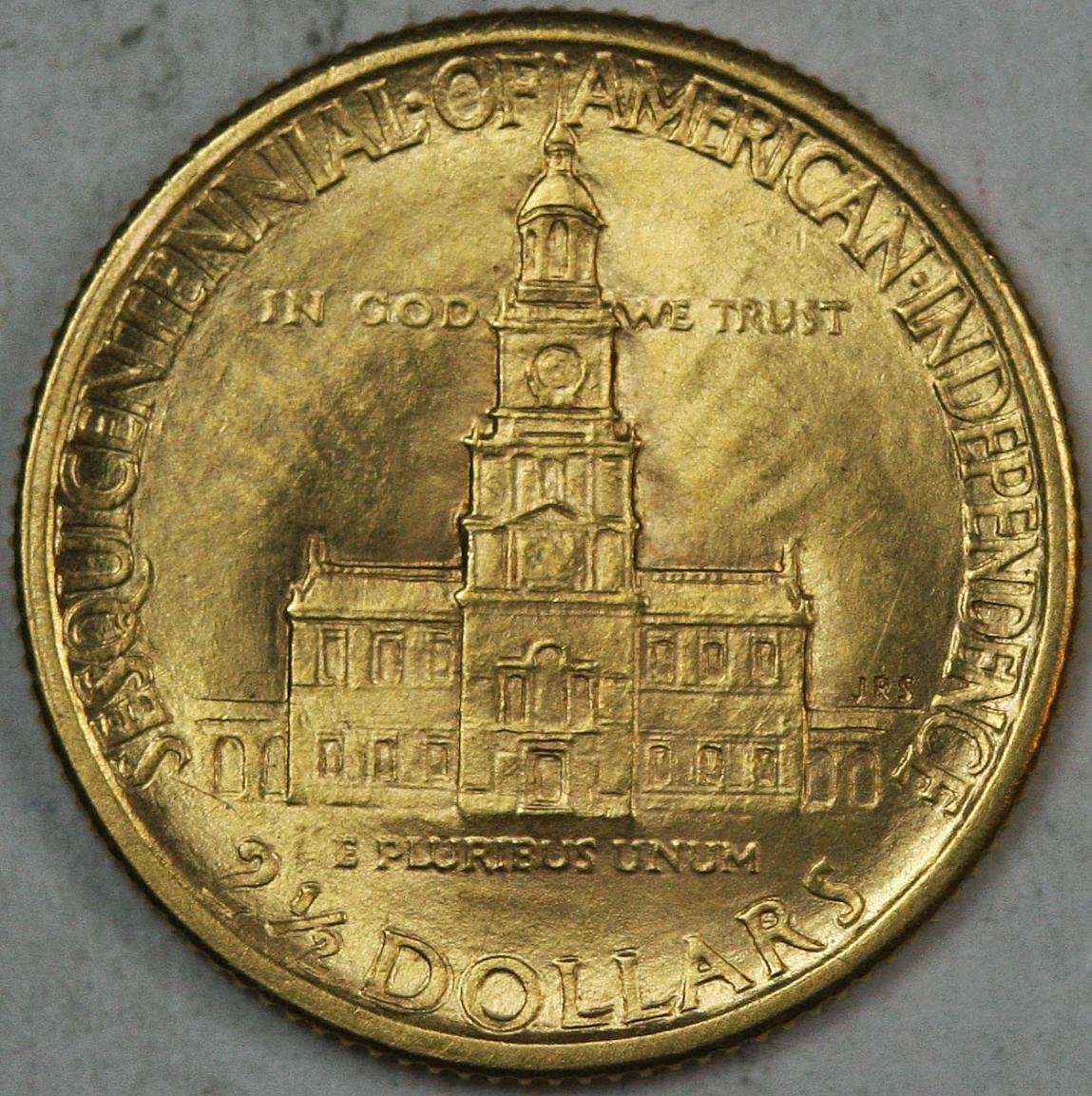
The Pennsylvania Assembly commissioned Independence Hall in 1729 to serve as the colony’s State House, with construction starting in 1732 and completion in 1753. The building’s design is attributed to Edmund Woolley and Andrew Hamilton, highlighting Georgian style and Renaissance influences (Philadelphia Encyclopedia; Wikipedia).
The Assembly Room
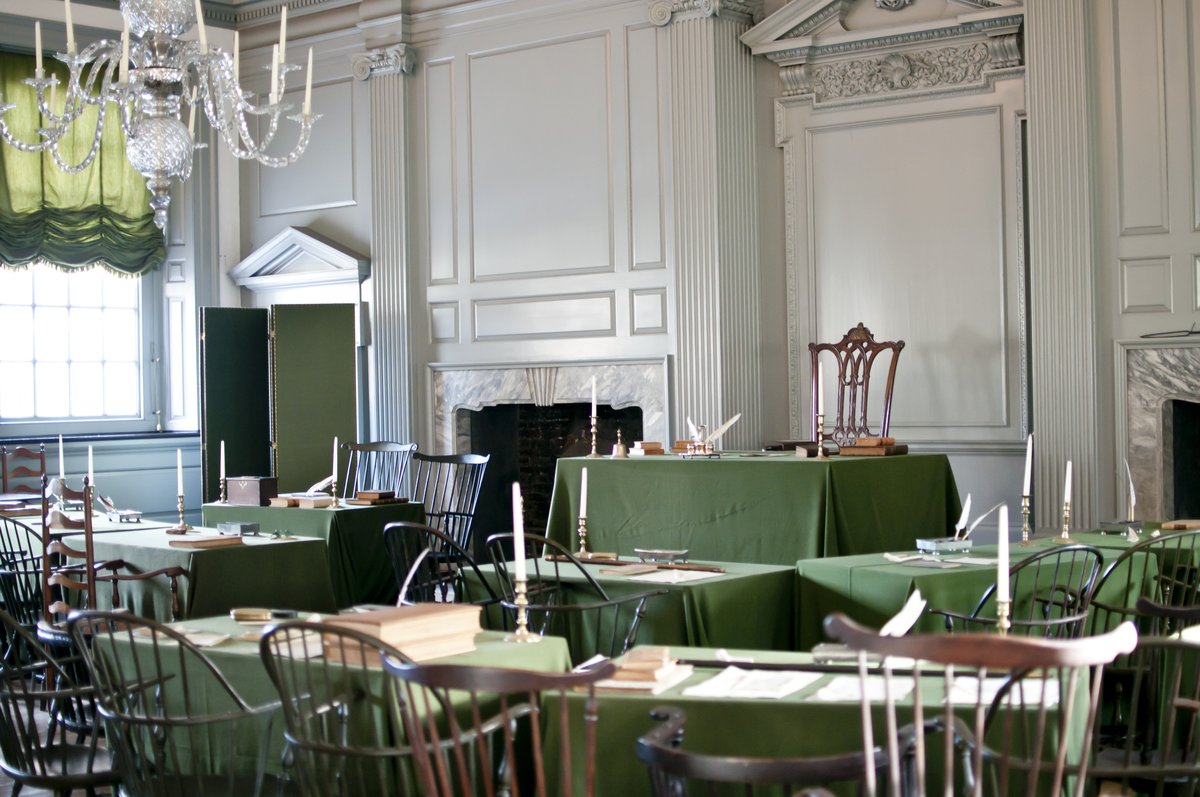
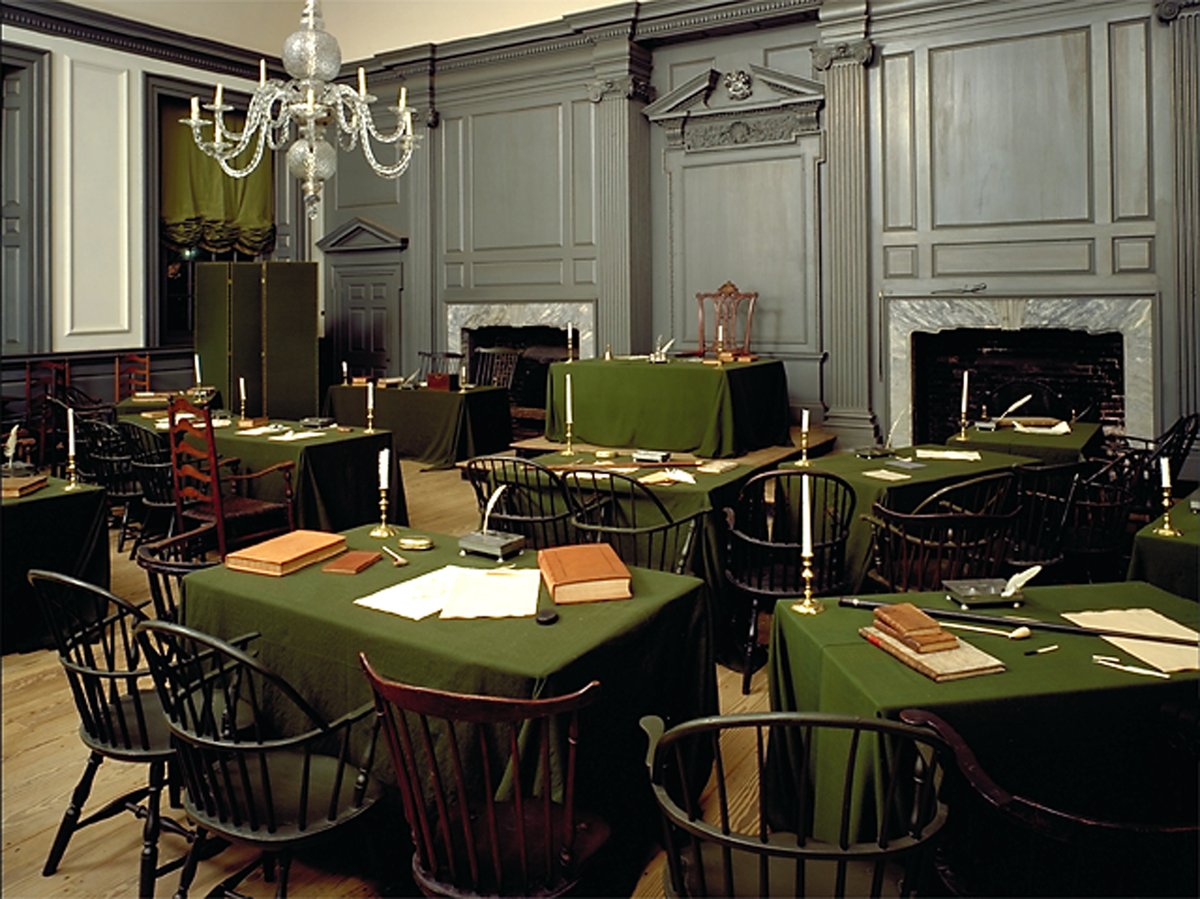
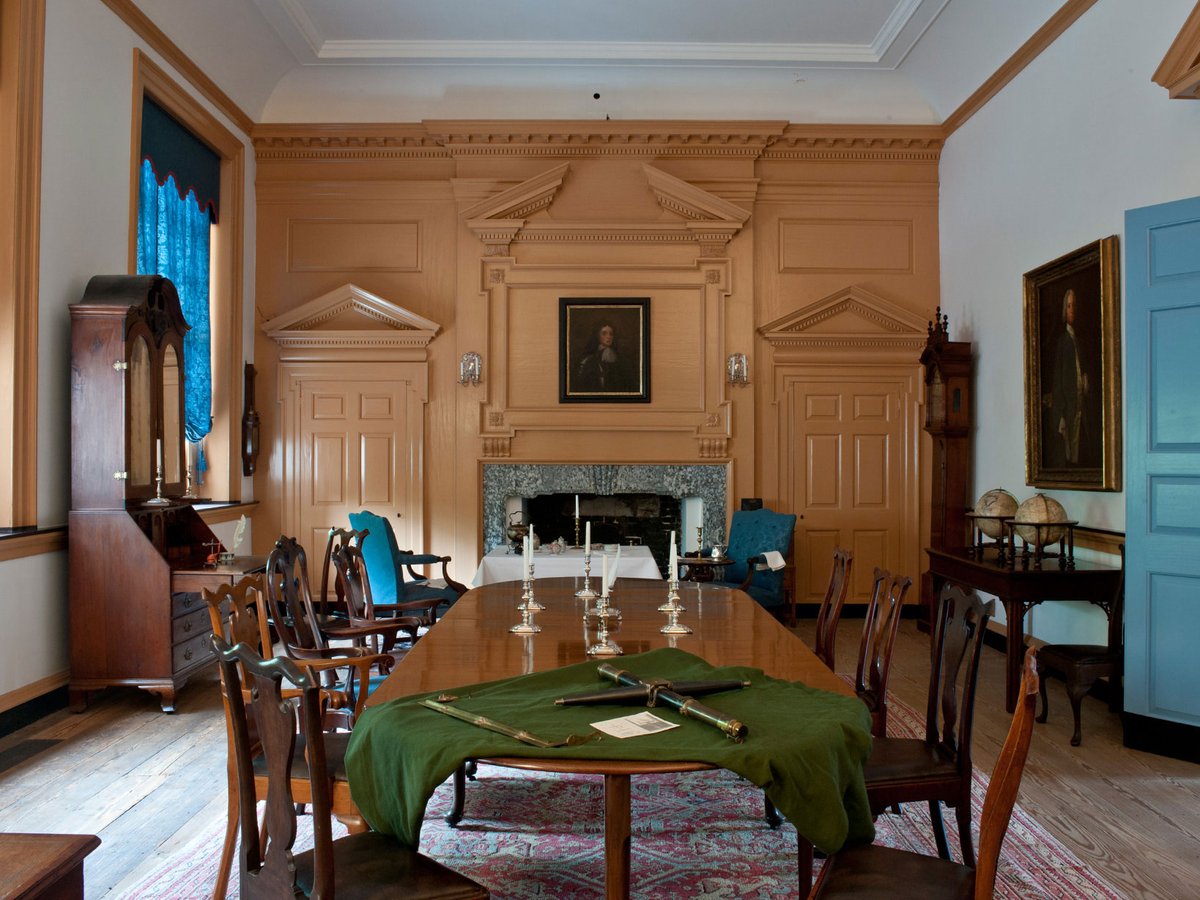
Central to U.S. history, the Assembly Room hosted the Second Continental Congress (1775–1783) and the Constitutional Convention (1787). Here, the Declaration of Independence was adopted and the U.S. Constitution drafted. George Washington’s “rising sun” chair remains a poignant artifact from this era (History Tools; NPS).
The Liberty Bell
The original bell, cast in 1752, cracked and was recast twice before being hung in the bell tower in 1753. Inscribed with “Proclaim liberty throughout all the land unto all the inhabitants thereof,” the Liberty Bell became a symbol of independence and abolition. Today, it is housed at the Liberty Bell Center nearby (History Tools; American Memory Timeline).
Evolving Roles
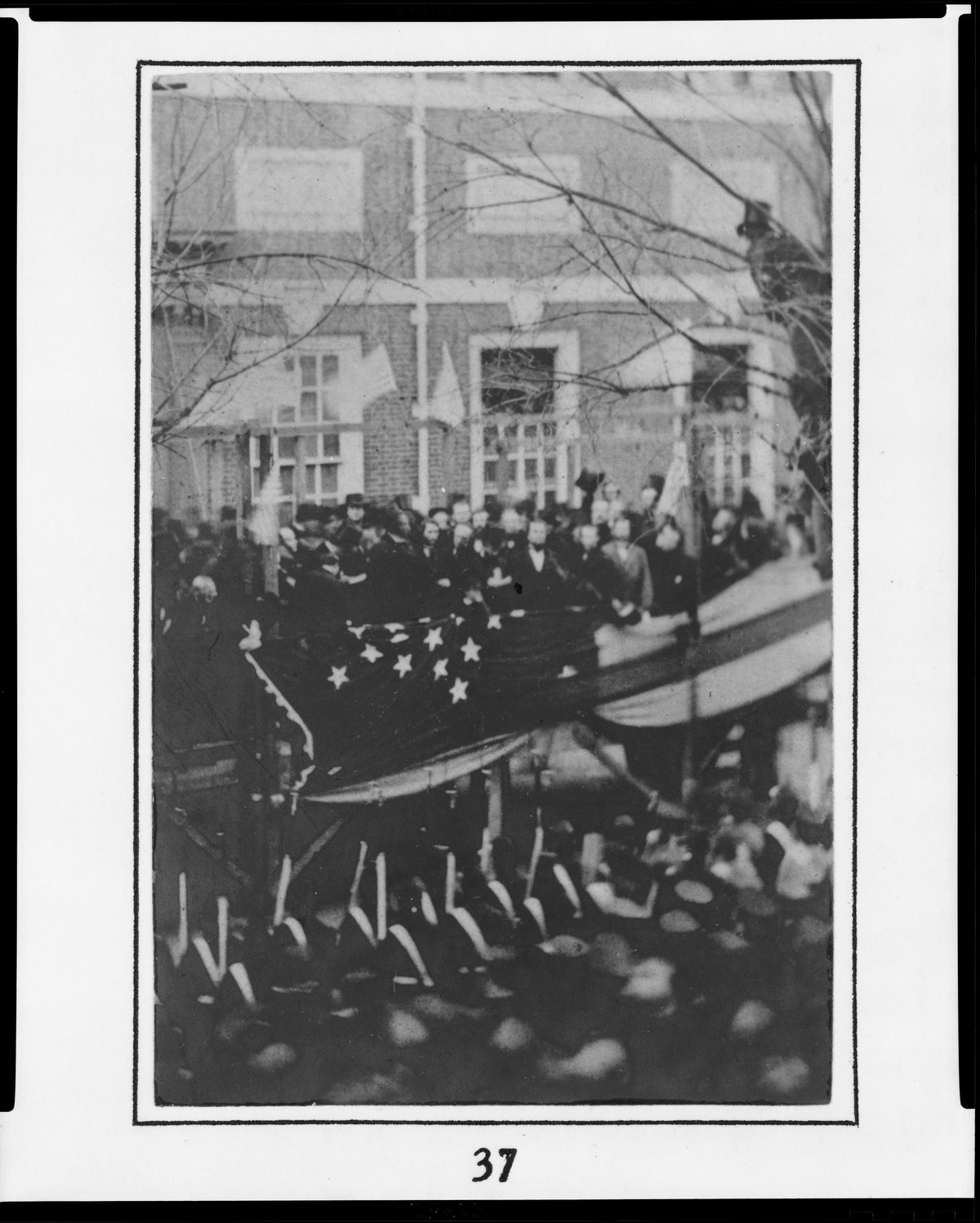
During the American Revolution, the building served as a hospital and was the site of the 1780 Gradual Abolition Law. It later hosted the U.S. Supreme Court and significant events throughout the 19th and 20th centuries, including abolitionist rallies, suffrage celebrations, and civil rights demonstrations (Philadelphia Encyclopedia; American Memory Timeline).
Preservation and UNESCO Status
Independence Hall became the centerpiece of Independence National Historical Park in 1948 and was designated a UNESCO World Heritage Site in 1979, affirming its international importance (Wikipedia; NPS).
Architectural Significance
Georgian Design
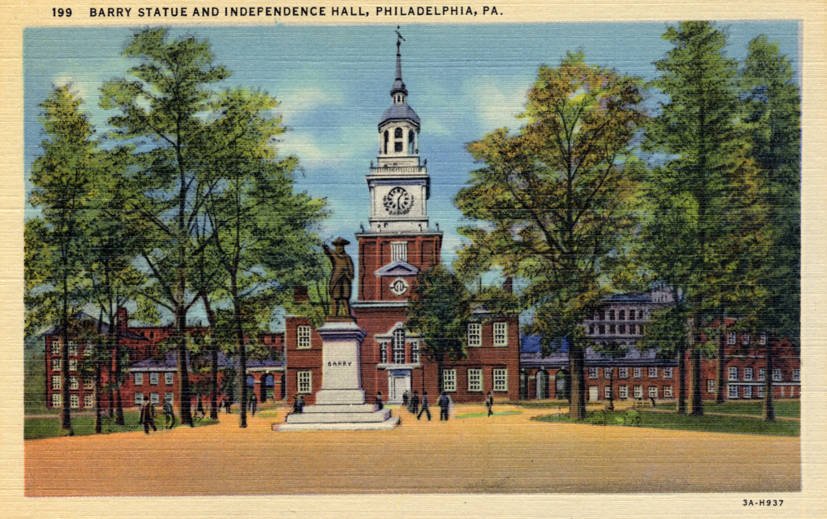
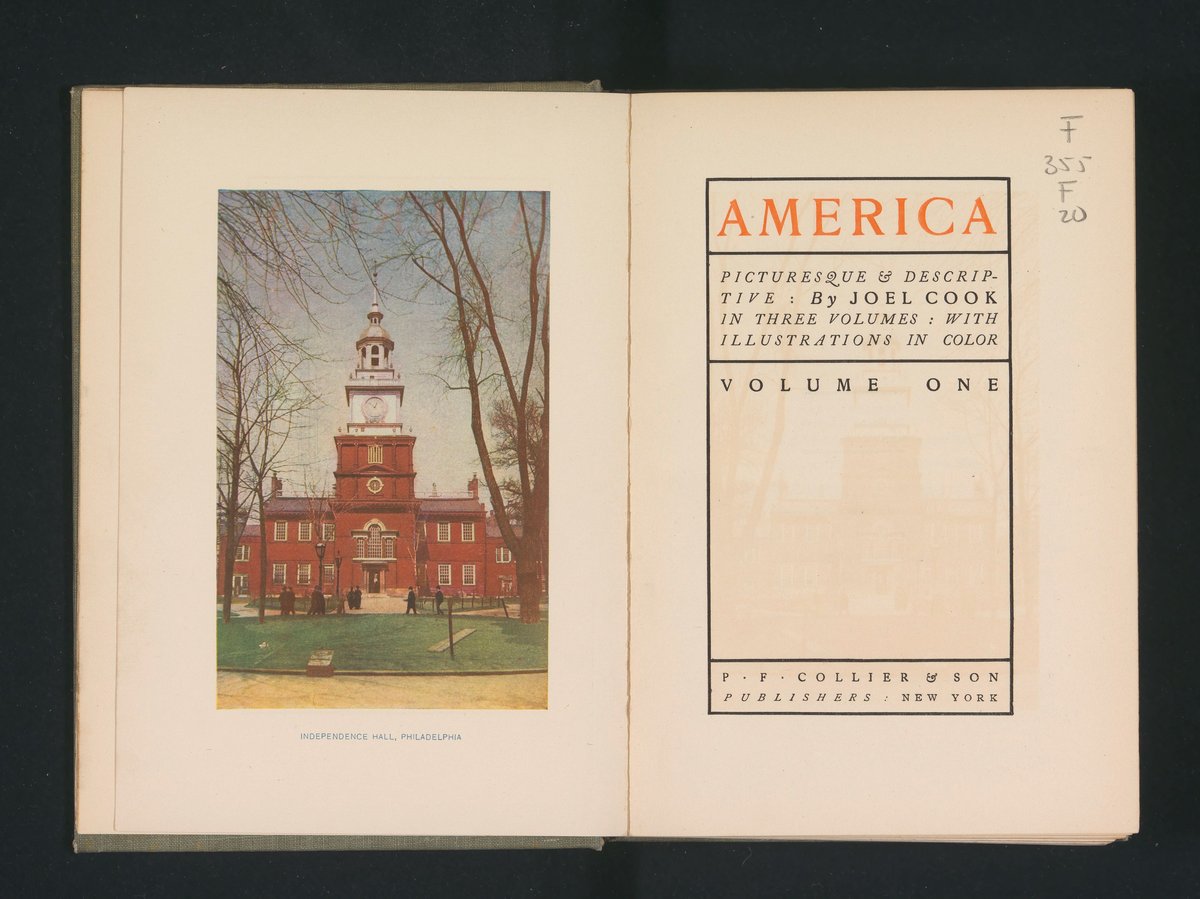
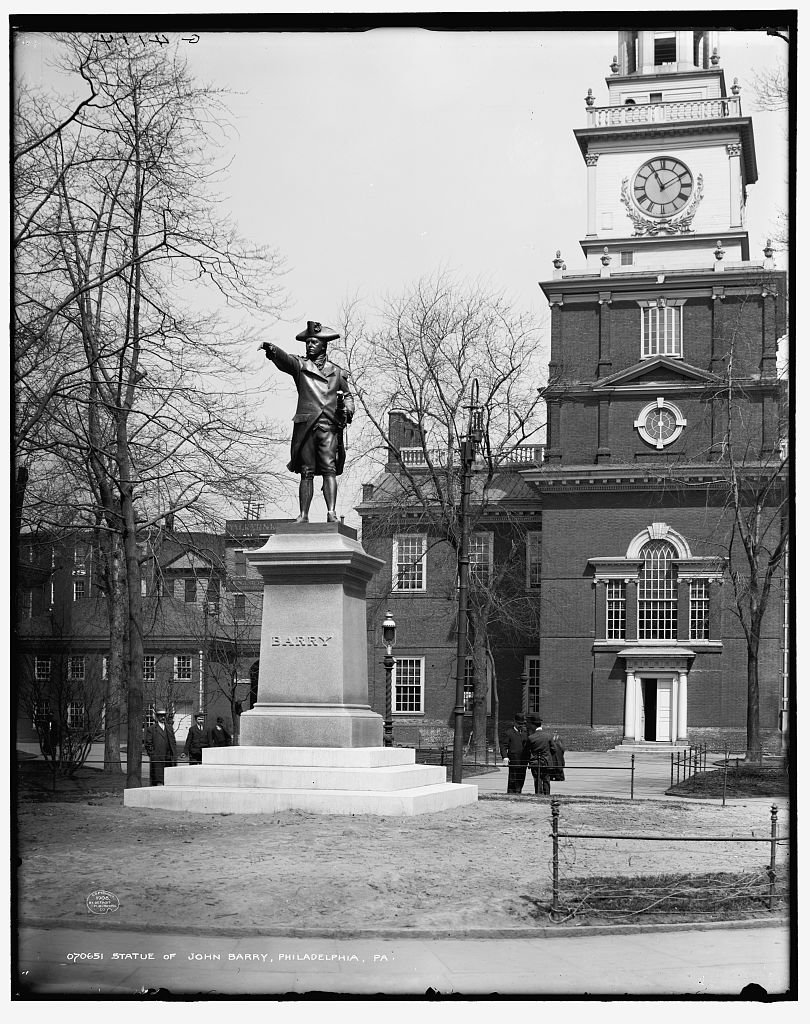
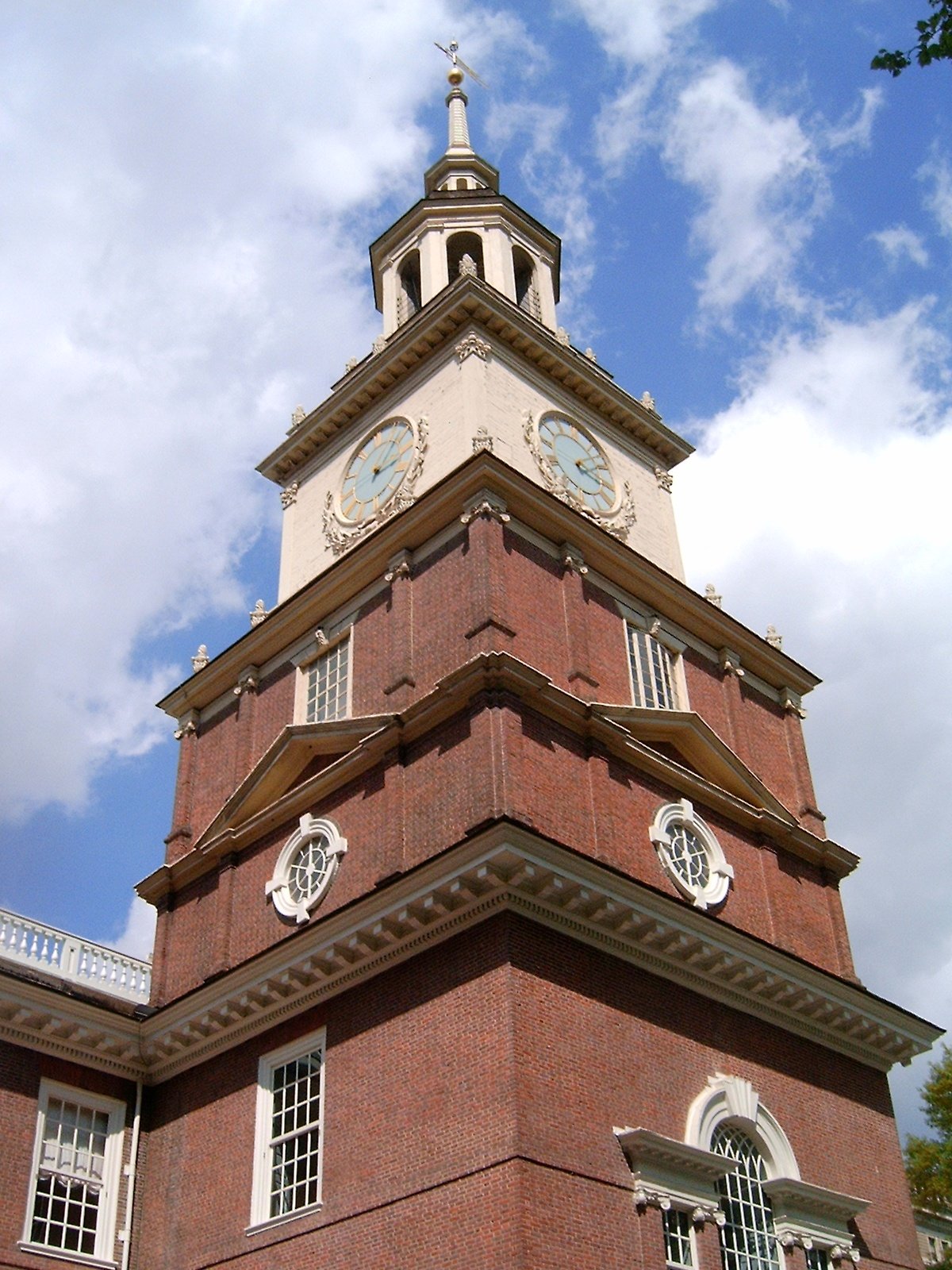
Independence Hall exemplifies Georgian architecture through its red brick exterior, symmetrical façade, Palladian windows, and Doric columns. These features reflect both colonial and classical influences (NPS.gov; Discrete Construction).
Engineering and Restoration
The bell tower, originally housing the Liberty Bell, faced structural challenges and was rebuilt in 1828. Major restorations, notably in the 1830s and 1950s, preserved its Revolutionary-era appearance (Confinity; History Hit; History Tools).
Influence on Civic Architecture
Independence Hall’s style has inspired courthouses and government buildings across the U.S., making it a model for American civic architecture (Discrete Construction).
What to See at Independence Hall
Assembly Room
See the original inkstand and George Washington’s chair in the Assembly Room, where both the Declaration of Independence and Constitution were signed (Visit Philly).
Courtroom and Second Floor
Tour the colonial courtroom and, on select tours, the Governor’s Council Chamber and Long Gallery, which reflect the building’s multifaceted history (PA Bucket List).
Great Essentials Exhibit
Visit the West Wing to view original printed copies of the Declaration, Articles of Confederation, and Constitution (Visit Philly).
Nearby Philadelphia Historical Sites
- Liberty Bell Center Exhibits on the Liberty Bell’s history and symbolism. Free admission.
- Congress Hall The U.S. Congress met here from 1790 to 1800.
- National Constitution Center Interactive exhibits on the Constitution.
- Old City Hall Former home of the U.S. Supreme Court.
- Elfreth’s Alley, Betsy Ross House, Christ Church Additional historic sites nearby (PA Bucket List).
Practical Visitor Tips
- Reserve tickets online in advance, especially during peak seasons.
- Arrive 15–30 minutes before your tour for security screening.
- Wear comfortable shoes and check the weather.
- Review the daily schedule for special ranger-led programs.
- Photography is permitted (no flash or tripods).
Frequently Asked Questions (FAQ)
Q: What are Independence Hall visiting hours?
A: Generally 9:00 AM to 5:00 PM, with last entry at 4:30 PM. Confirm current hours on the National Park Service website.
Q: How do I get tickets?
A: Reserve tickets for free online or at the Independence Visitor Center; walk-up availability is limited.
Q: Is Independence Hall wheelchair accessible?
A: Yes. Ramps, elevators, and assistive listening devices are available.
Q: Are guided tours required?
A: Yes, all interior visits are via ranger-led tours.
Q: Can I bring children?
A: Absolutely—family-friendly tours and educational materials are available.