Early Foundations: The Birth of American Papermaking
The story of Rittenhousetown begins in 1687 when William Rittenhouse, a skilled papermaker, settled in the Germantown area. Recognizing the colonies’ urgent need for locally produced paper, Rittenhouse—partnering with Philadelphia’s first printer William Bradford—established a paper mill on Paper Mill Run, a tributary of the Wissahickon Creek (rittenhousetown.org). This innovation ended dependence on imported English paper, provided essential materials for printers and officials, and helped foster the spread of literacy in early America (americanheritage.com).
For 40 years, the Rittenhouse family remained the only papermakers in North America, supplying Germantown, Philadelphia, and New York. This achievement laid the foundation for Philadelphia’s rise as a major center of commerce and culture (rittenhousetown.org).
Village Growth and Industrial Expansion
Rittenhousetown quickly evolved from a single mill into a thriving industrial village. The community expanded to include over 40 buildings by the mid-19th century, encompassing residential homes, additional mills for paper and textiles, a school, a firehouse, a general store, and a Baptist chapel (globalphiladelphia.org). The village’s sustainable production cycle—recycling worn linen from Germantown into new paper—epitomized early American ingenuity.
As the village prospered, infrastructure such as Rittenhouse Street connected it to Germantown, facilitating the movement of goods and people. This growth fostered a close-knit, industrious community that reflected the era’s values and resourcefulness (rittenhousetown.org).
The Rittenhouse Family Legacy
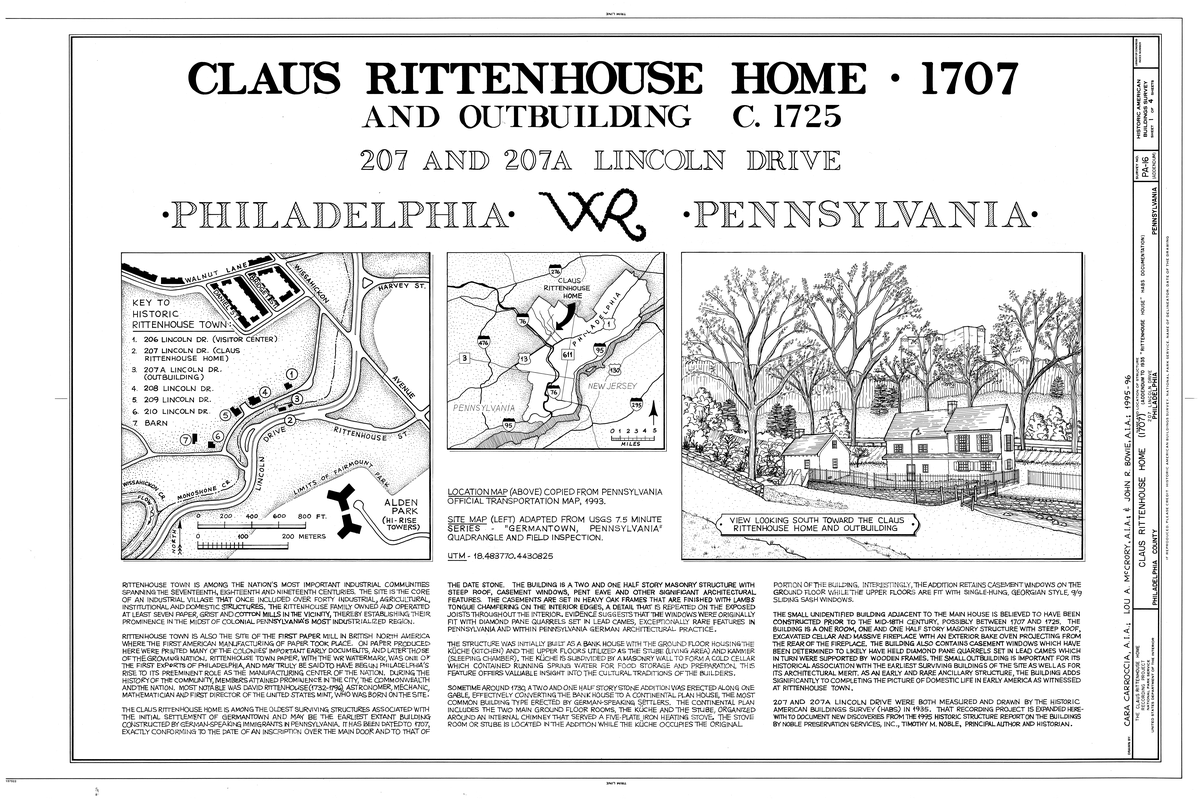
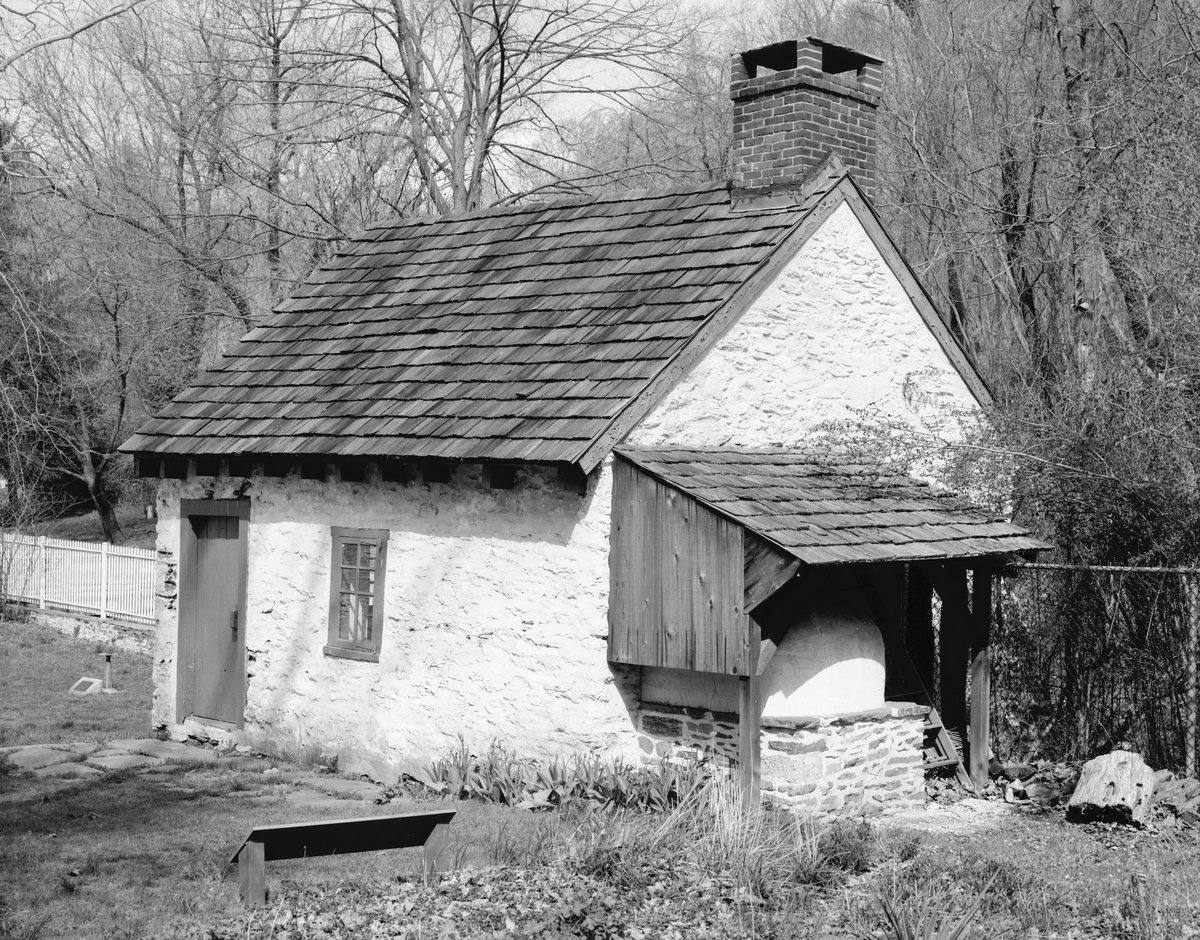
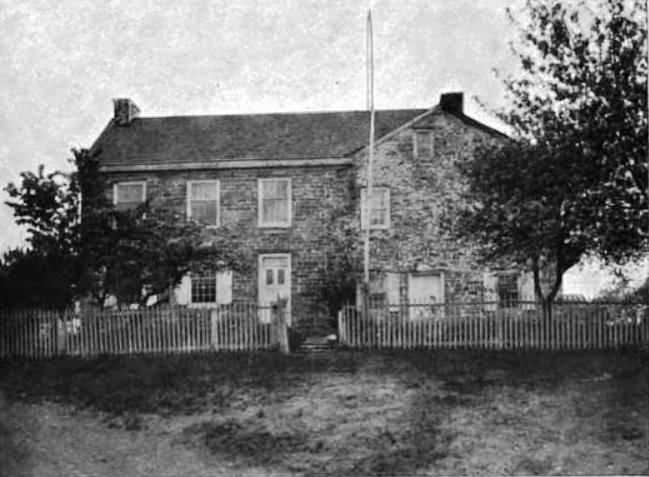
For eight generations, the Rittenhouse family lived and worked in the village, making lasting contributions to industry, science, and public life. Among their most notable descendants was David Rittenhouse, the celebrated astronomer, inventor, and first director of the United States Mint (phillylocalist.com). The family’s legacy endures in the restored Homestead, Bake House, and Enoch Rittenhouse Home, each offering a tangible window into colonial daily life (rittenhousetown.org/visit).
Decline, Preservation, and Integration into Fairmount Park
By the late 19th century, the rise of steam power and urban expansion diminished the village’s industrial role. The construction of Walnut Lane Bridge in 1908 altered local transportation, while the Fairmount Park Commission’s 1891 initiative to address citywide water pollution led to the demolition of several mill buildings (rittenhousetown.org). Fortunately, key structures survived and were preserved as part of Fairmount Park, ensuring the site’s continued educational and historical significance.
Historical Significance and Recognition
Historic Rittenhousetown is unique as the birthplace of American papermaking and a rare surviving example of an early industrial village (americanheritage.com). Its story is emblematic of American themes—immigration, religious tolerance, technological innovation, and community. The site is listed on the National Register of Historic Places and is actively preserved for future generations (rittenhousetown.org/visit).
Visiting Information: Hours, Tickets, and Accessibility
Visiting Hours
- Regular Hours Wednesday–Sunday, 12:00 PM–4:00 PM (April–November)
- Winter Hours Limited; check the official website for updates
- Closed Mondays, Tuesdays, and major holidays
Tickets and Admission
- Grounds Access Free (donations encouraged)
- Guided Tours Typically $5 for adults, $3 for seniors/children; free for members and children under 6
- Workshops and Events Fees vary ($5–$15); advance registration recommended
Accessibility
- Wheelchair-accessible paths and building entrances are available
- Some historic structures may have limited accessibility due to preservation
- Accessible restrooms onsite; contact ahead for specific needs
Getting There and Travel Tips
- Address 208 Lincoln Drive, Philadelphia, PA 19144
- Public Transit SEPTA Bus Route 65, Chestnut Hill West Line (Tulpehocken Station)
- Parking Free lot adjacent to Visitor Center (arrive early on weekends)
- Cycling & Trails Direct access to Wissahickon Valley Park trails for hikers and cyclists
Bring sturdy shoes for uneven paths, sun protection, and water. Picnicking is welcome in designated areas.
Guided Tours, Hands-On Workshops, and Events
- Guided Tours 45–60 minutes, exploring the Homestead, Bake House, and mill ruins; led by expert docents
- Papermaking Workshops Hands-on experiences in traditional paper crafting
- Seasonal Events Paper Mill Day, holiday markets, and artisan fairs
- Educational Programs School field trips, group tours, aligned with Pennsylvania curriculum (rittenhousetown.org/education/)
- Advance Booking Recommended for tours and workshops, especially for groups of 10+
Stay up-to-date with the events calendar.
Architectural Features and Community Life
Rittenhousetown’s preserved buildings—like the 1707 Homestead, Bake House, and Enoch Rittenhouse Home—showcase evolving architectural styles from German vernacular to Federal. The site’s layout, clustered along Paper Mill Run, reflects the practical and communal needs of early industrial villages (globalphiladelphia.org). Informational signage and digital resources enhance self-guided exploration.
Rittenhousetown in Philadelphia’s Broader Story
The village’s history is intertwined with Philadelphia’s development as a city of innovation and diversity. Its proximity to Germantown and integration into Fairmount Park highlight its enduring role as a center for community, learning, and environmental stewardship (rittenhousetown.org).
Frequently Asked Questions (FAQ)
Q: What are the regular visiting hours?
A: Wednesday–Sunday, 12:00 PM–4:00 PM; seasonal changes may apply.
Q: Is there an admission fee?
A: Grounds access is free; guided tours and workshops have a modest fee.
Q: Is the site accessible?
A: Most paths and key buildings are accessible; contact for specific accommodations.
Q: Are guided tours and workshops available?
A: Yes, both are available—advanced booking is recommended.
Q: Can I bring my pet?
A: Leashed pets are welcome on grounds but not inside historic buildings.
Q: Are food and drink available?
A: No permanent café, but picnicking is allowed; food trucks may appear during events.
Q: Is photography allowed?
A: Personal photography is encouraged; commercial shoots require prior approval.
Key Dates and Milestones
- 1687 William Rittenhouse arrives and begins constructing the first North American paper mill (rittenhousetown.org)
- 1701 Original mill destroyed by flood; rebuilt soon after
- 1707 Rittenhouse Homestead constructed
- 19th Century Expansion to over 40 buildings and diverse industries
- 1891 Original mill demolished for parkland and water quality improvements
- 1908 Walnut Lane Bridge constructed, shifting local dynamics
- 1992 Designated National Historic Landmark District (npgallery.nps.gov)
Visitor Tips and Staying Updated
- Best Time to Visit Spring and fall for mild weather and events
- Advance Booking Recommended for tours/workshops
- Stay Connected Download the Audiala app for audio tours and follow Rittenhousetown on social media
- Combine Visits Explore nearby sites like Cliveden, Wyck Historic House, and the Wissahickon Environmental Center
For current information on hours, tickets, and events, visit the official Rittenhousetown website.